Limón Technique
Also known as: Humphrey-Limon technique
- Origin
- United States
- Era
- 1946–Present
- Rhythm
- Set by accompaniment (varies)
- Tempo
- Varies
- Character
- Weighted, flowing, breath-driven
History & Cultural Context
Growing out of Doris Humphrey's principle of fall and recovery, the Limón technique (from José Limón, whose company was founded in 1946) uses the body's weight and its relationship to gravity—falling, rebounding, swinging, and suspending—as the engine of movement, with breath initiating and shaping phrases. It remains a core modern-dance training method.
Cultural Significance
Limón carried modern dance's expressive weight-and-gravity lineage forward into the postwar concert stage.
Characteristic Movement & Technique
Fall and recovery, weight and momentum, swings, rebound, and suspension; breath as the initiator of movement.
Signature Figures
- José Limón
- Doris Humphrey
Notable Codifiers
- José Limón
- Doris Humphrey
Dance Lineage
Limón Technique Music & Tempo
Drawn from 15 Limón Technique tracks in the LODance music library.
Example tracks at practice tempo
- Psalm: Running Dance: Homage Á Eugene Lester — Jon Magnussen117 BPM
- The Winged: Sphinx — Jon Magnussen
- The Winged: Eros — Jon Magnussen
- The Winged: Duel — Jon Magnussen
- The Winged: Night Chorus — Jon Magnussen
- The Winged: Borrowed Wings — Jon Magnussen
Who governs Limón Technique
Federations, councils and examining bodies with a recorded role in this style. No single organisation can tell you this — each one knows only itself.
Limón Technique in performance
One staged work in the Limelight catalogue contains Limón Technique.
- Ballet · José Limón · defining style
the entire ballet, as choreographed by Limón on his own company — modern-dance choreography by Limón showing the direct technical and stylistic influence of his teacher Doris Humphrey, applied throughout the work Source: "his influence from Doris Humphrey i…
Every claim above is quoted from a cited source and names where in the work the style appears. Claims we could not place or could not quote are held back from this list and shown on the work’s own page instead. Browse the full performance catalogue →
Sources & Further Reading
Cultural & Historical Context
Limón Technique emerged from United States during 1946—present day. Understanding the cultural roots, musical traditions, and social circumstances of this era enriches appreciation for the dance's characteristics and significance.
Formative Influences
Codifiers & Standardizers:
José Limón, Doris Humphrey
Signature Movement Vocabulary:
José Limón, Doris Humphrey
Primary Source Documents
The Library of Dance contains public-domain primary sources for dance history. Copyrighted modern syllabi are indexed with purchase links to their respective copyright owners. Search by dance name or codifier to discover primary source documents.
Last reviewed: September 2026 — This dance profile synthesizes historical research, cultural documentation, and contemporary practice knowledge to provide authoritative context.
Related Dances
More in Contemporary Dance
Graham Technique
Martha Graham's foundational modern-dance technique built on 'contraction and release' and movement initiated from the breath and torso.
Cunningham Technique
Merce Cunningham's postmodern technique emphasizing clarity of spine and legs, multidirectional use of space, chance procedures, and the independence of dance from music.
Release Technique
A family of postmodern training approaches that minimize unnecessary muscular effort, using breath, imagery, and skeletal alignment to move efficiently and fluidly; often paired with contact improvisation.
Forsythe Improvisation Technologies
William Forsythe's contemporary-ballet approach from the 1980s, extending and deconstructing classical line through work on lines, angles, points, and the full range of motion.
Gaga Movement Language
A movement language and daily research practice developed by Ohad Naharin at Batsheva Dance Company, built on sensation, imagery and continuous movement rather than fixed positions or a graded vocabulary. It is taught in two streams, one for people with no dance background and one for professional dancers, and it works on availability, efficiency and range rather than on shapes an observer could name. Its influence on contemporary dance since the 2000s is out of proportion to its size, because it changed how many dancers train rather than what they perform.
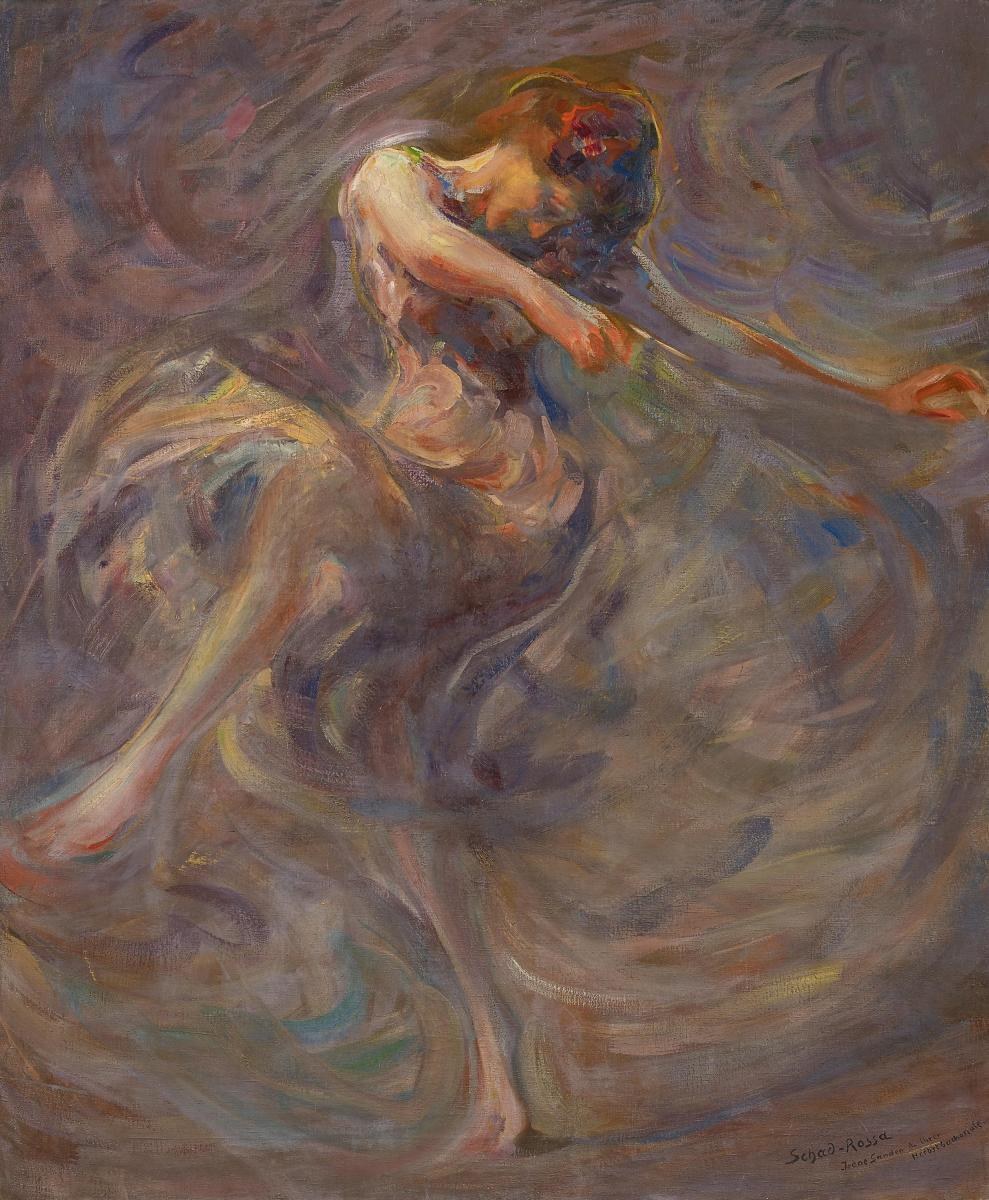
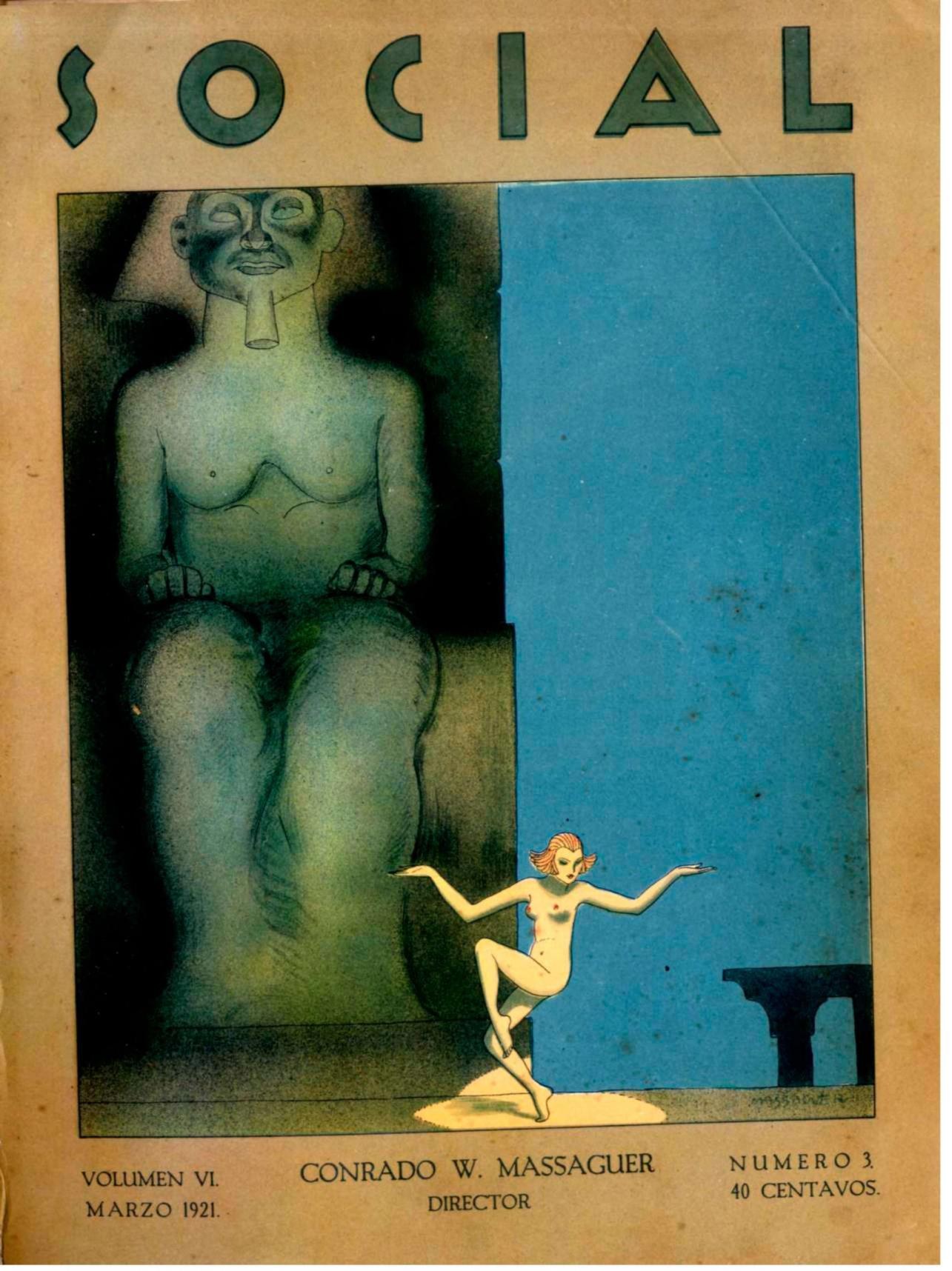
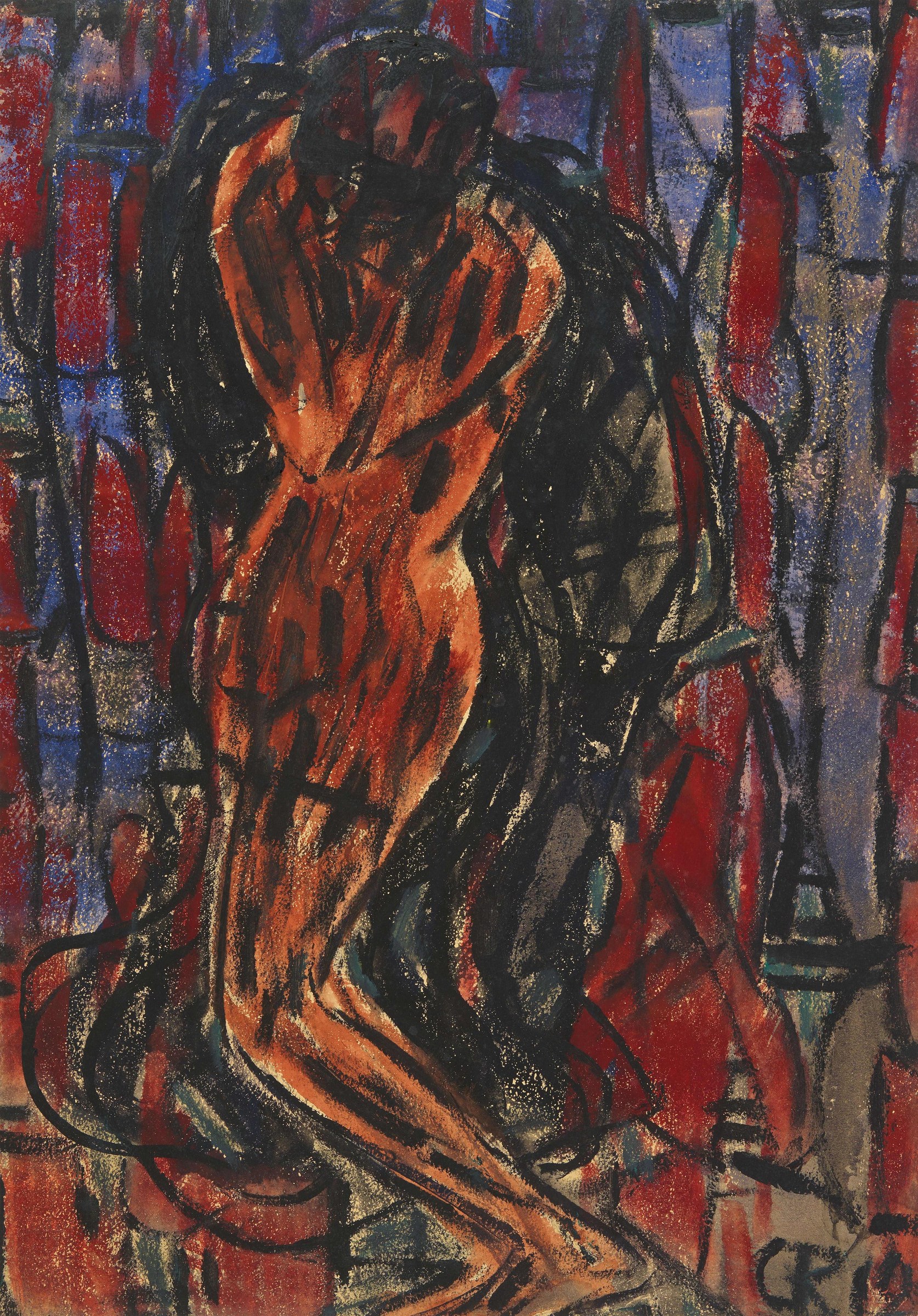
Contemporary Dance in art
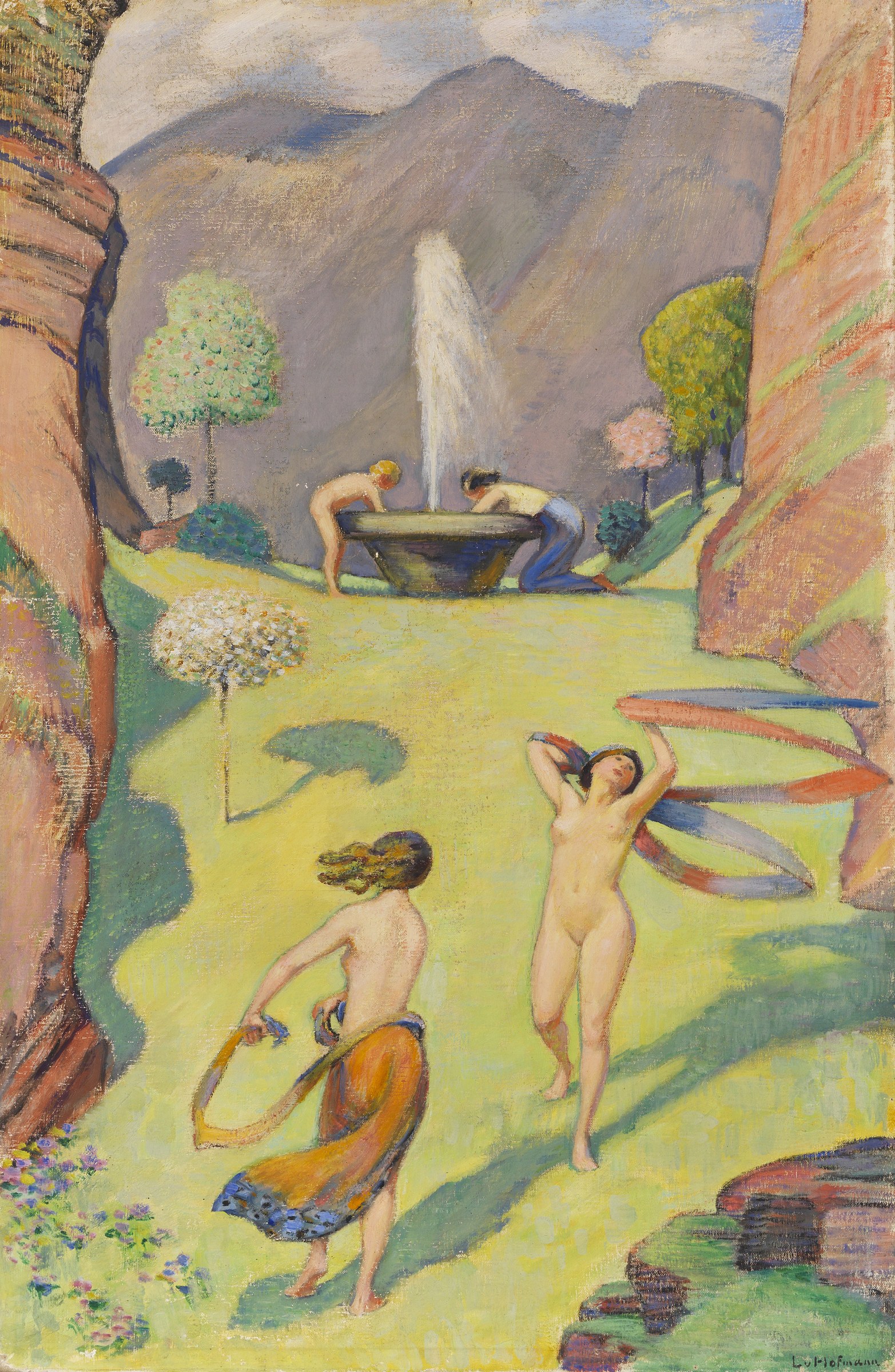
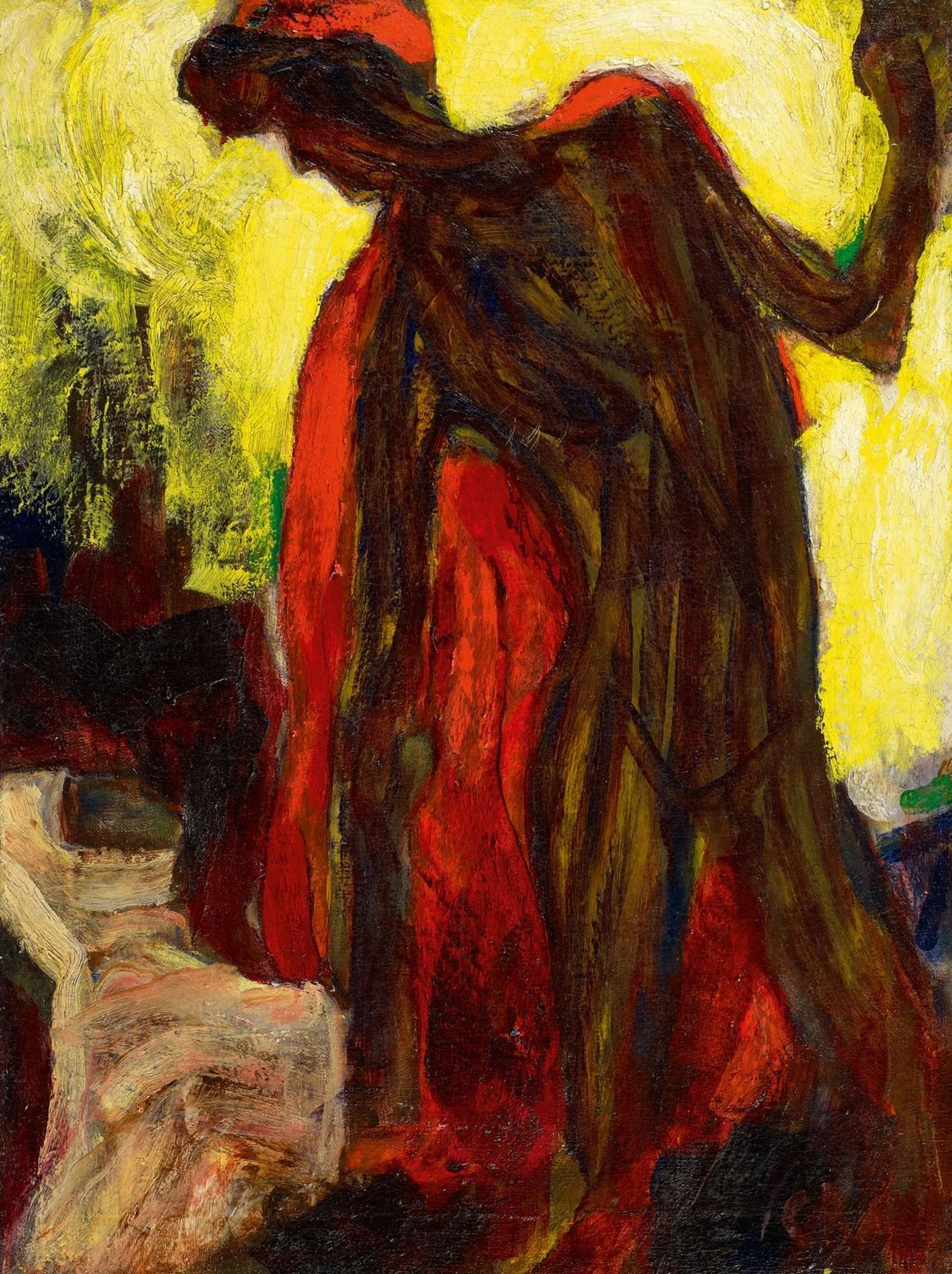
Browse the gallery →Works from the wider Contemporary Dance tradition — we have not yet identified enough that depict Limón Technique specifically.
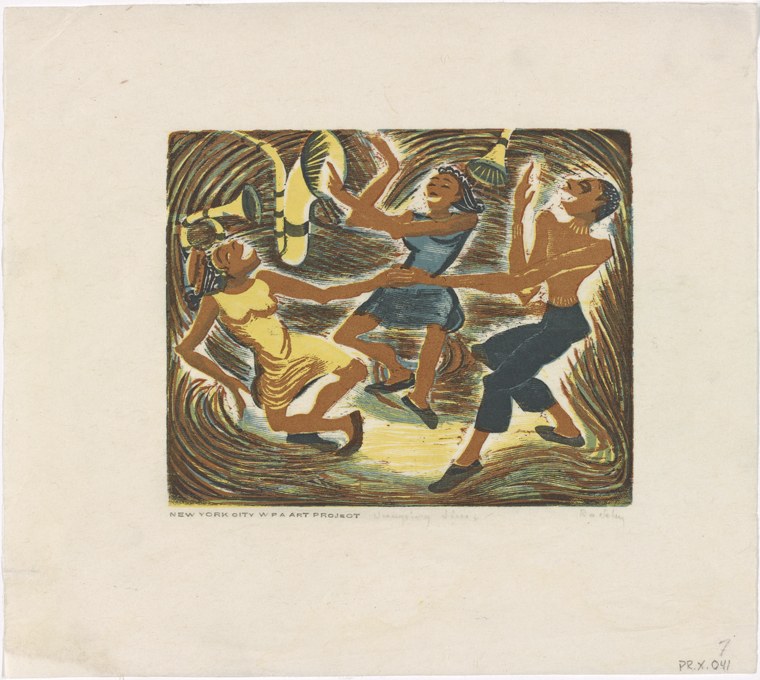
Dancing
Unknown artist
public_domain
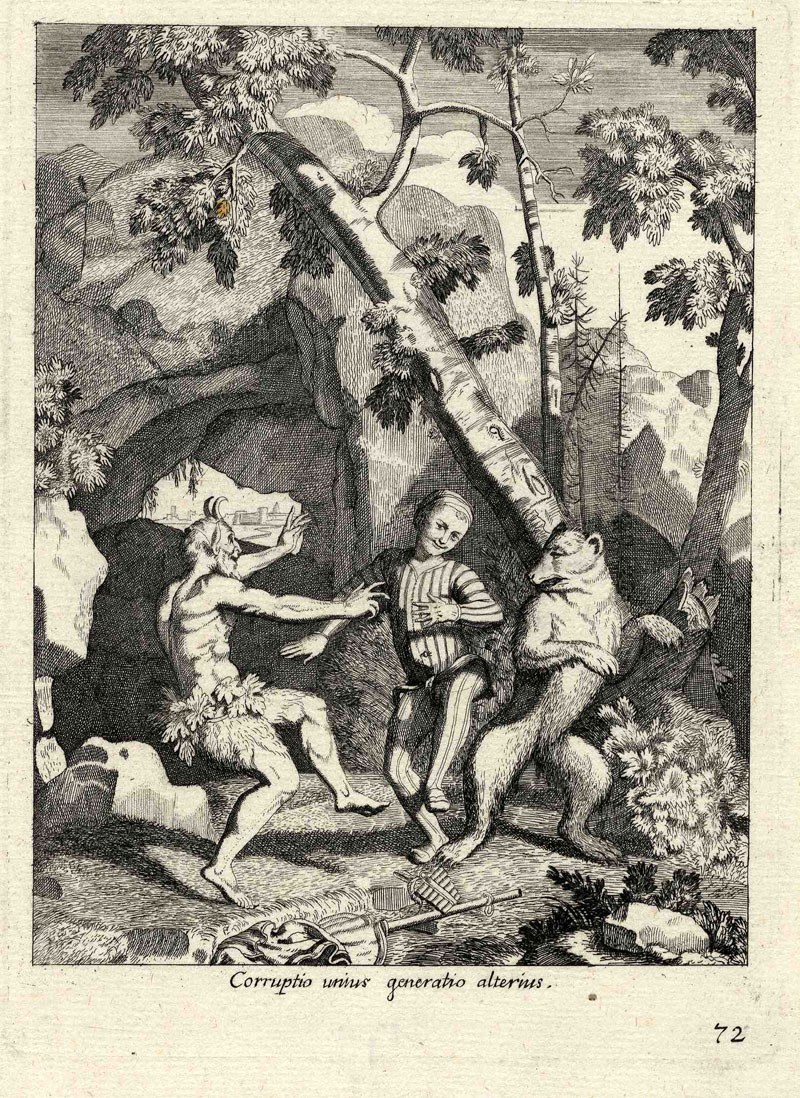
Harlekinade c1700 ubs G 0855 II 02
Anonymous · 1700
Public Domain
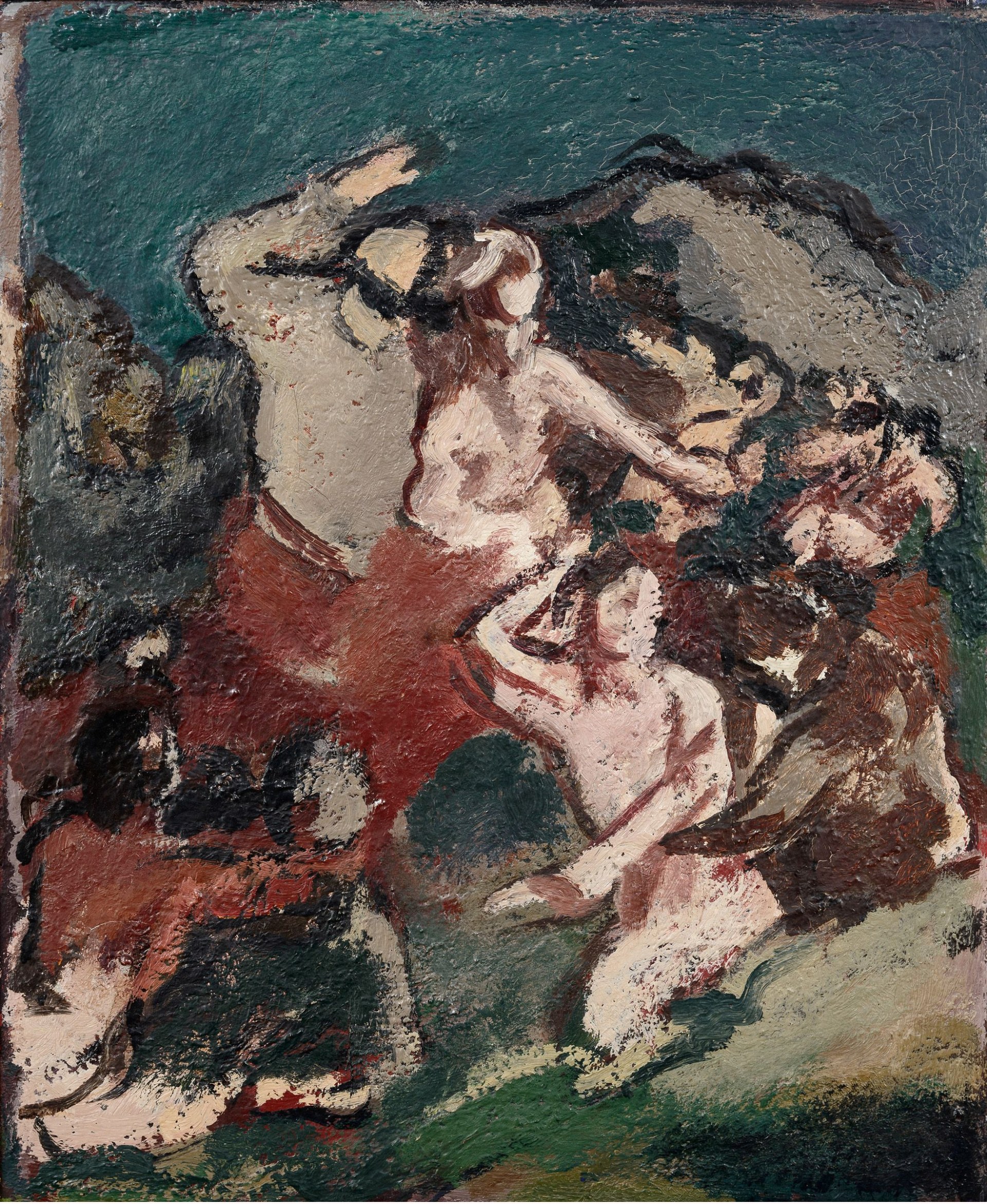
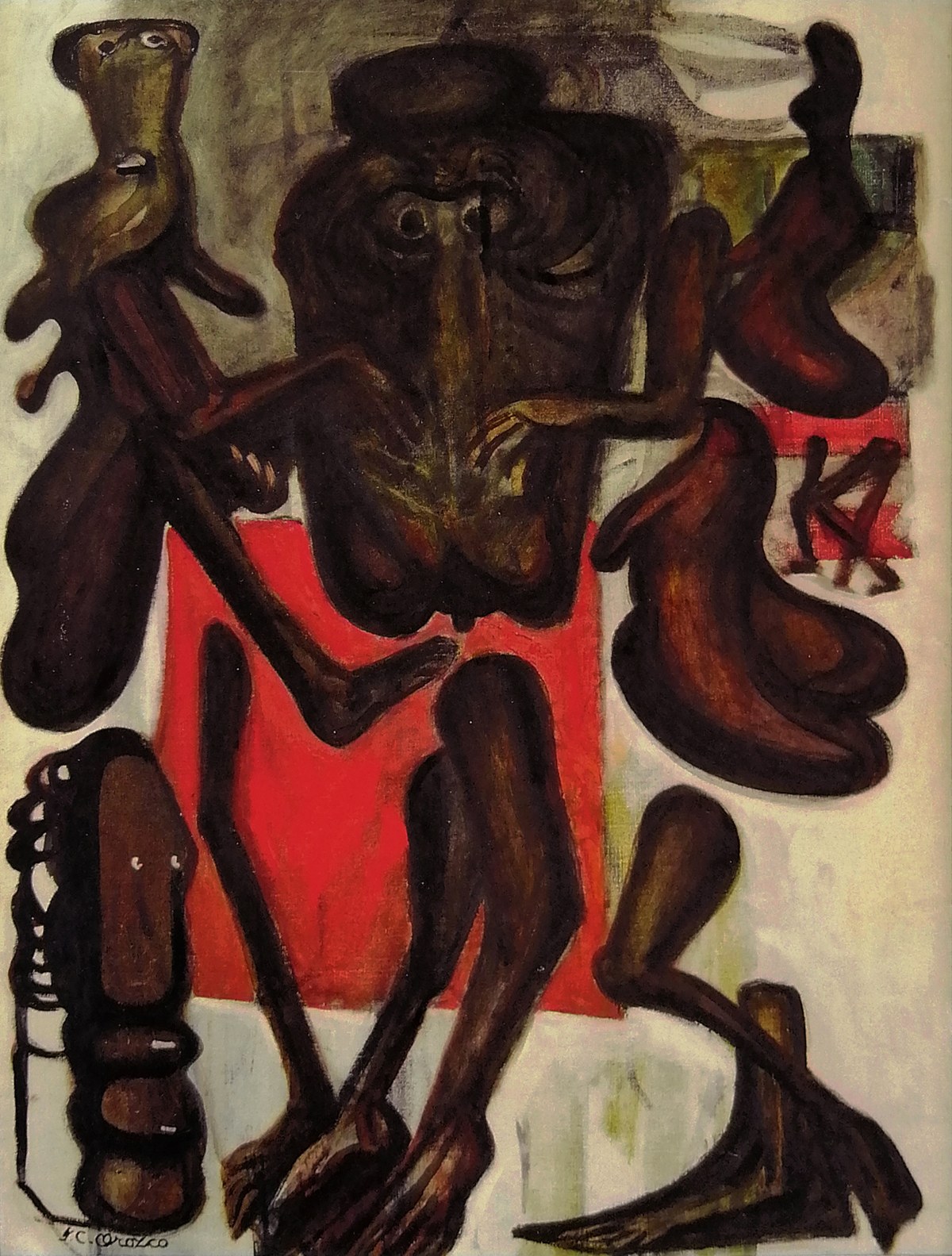
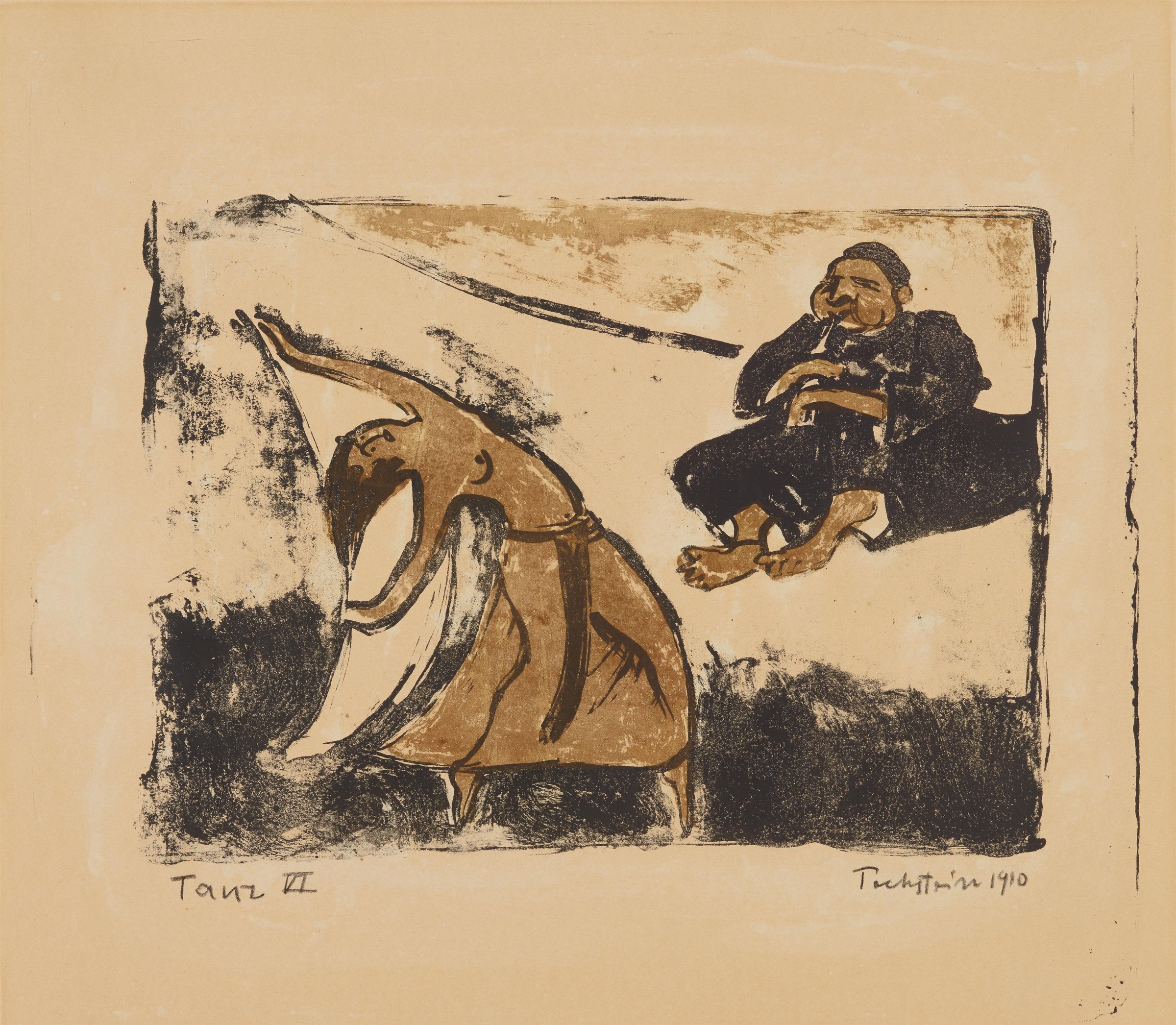
Max Pechstein Tanz VI 1910
Max Pechstein · 1910
Public Domain
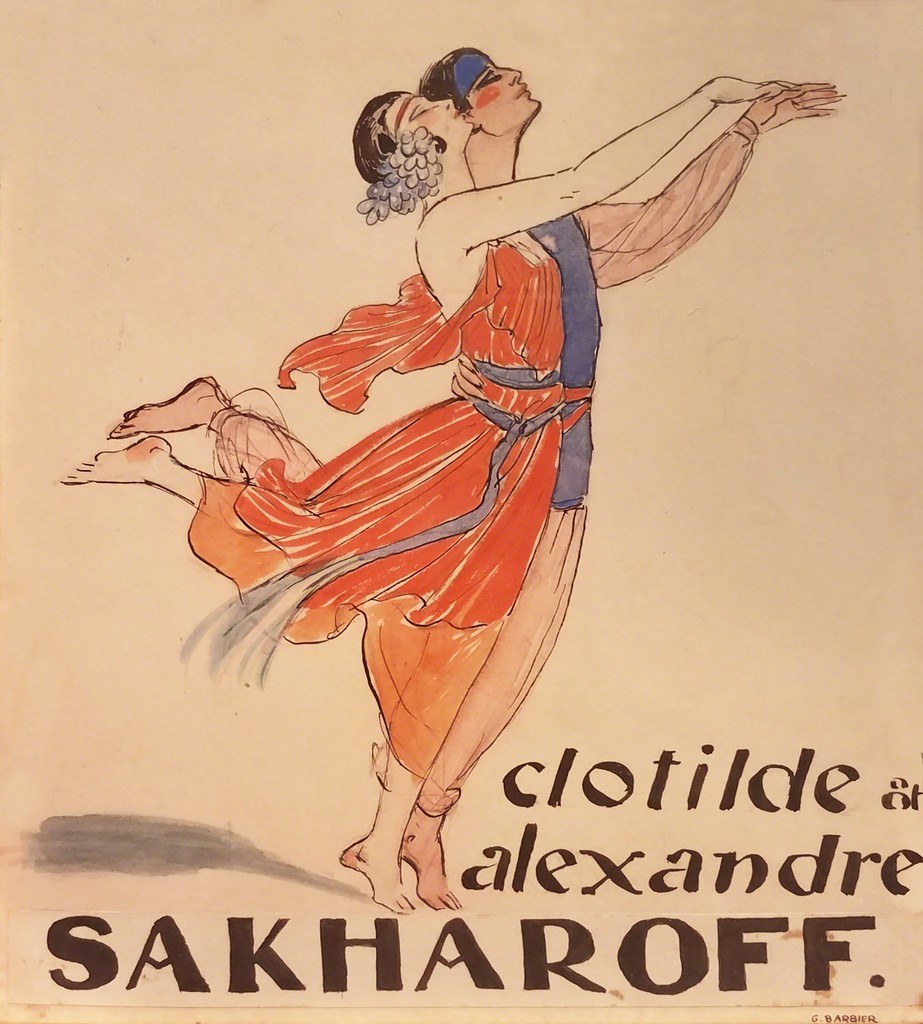
Sakharoffs les (2)
George Barbier · 1921
Public Domain
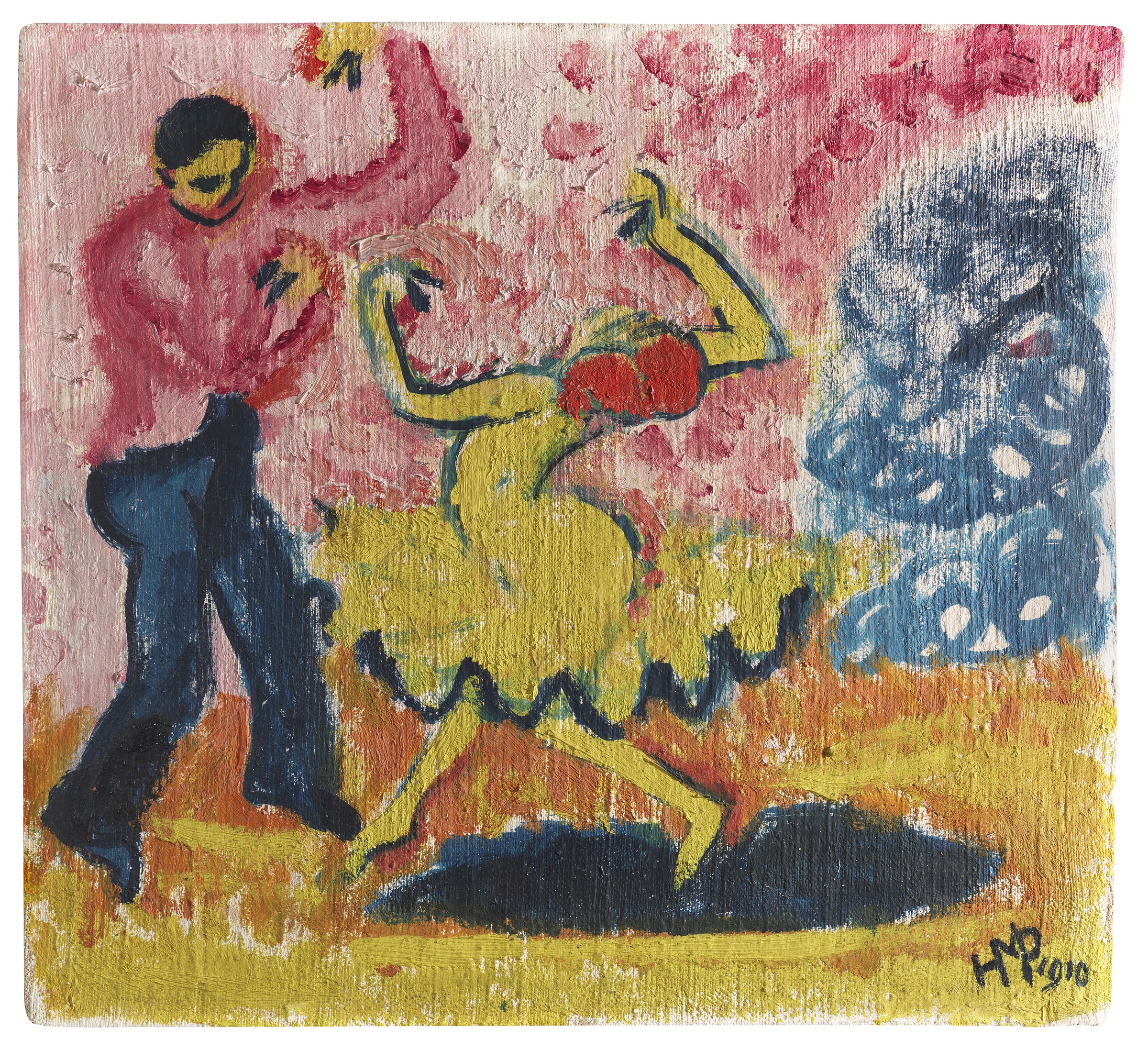
Max Pechstein Tänzer 1910
Max Pechstein · 1910
Public Domain
Continue Exploring
Lineage of Dance
500 years of dance evolution
Champions of Dance
Winners of marquee national & world titles
Language of Dance
161 dance terms & translations
Listening of Dance
Tempo, timing & musicality tools
Gallery of Dance
5,700+ artworks from museum collections
Attire of Dance
Evolution of dance dress across eras
Keep the thread going
Dance history, technique, and the occasional rabbit hole — in your inbox. Thoughtful, infrequent, unsubscribe anytime.
Free. No spam. One click to leave.