Choreographer · Performer · Innovator · Stage Icon
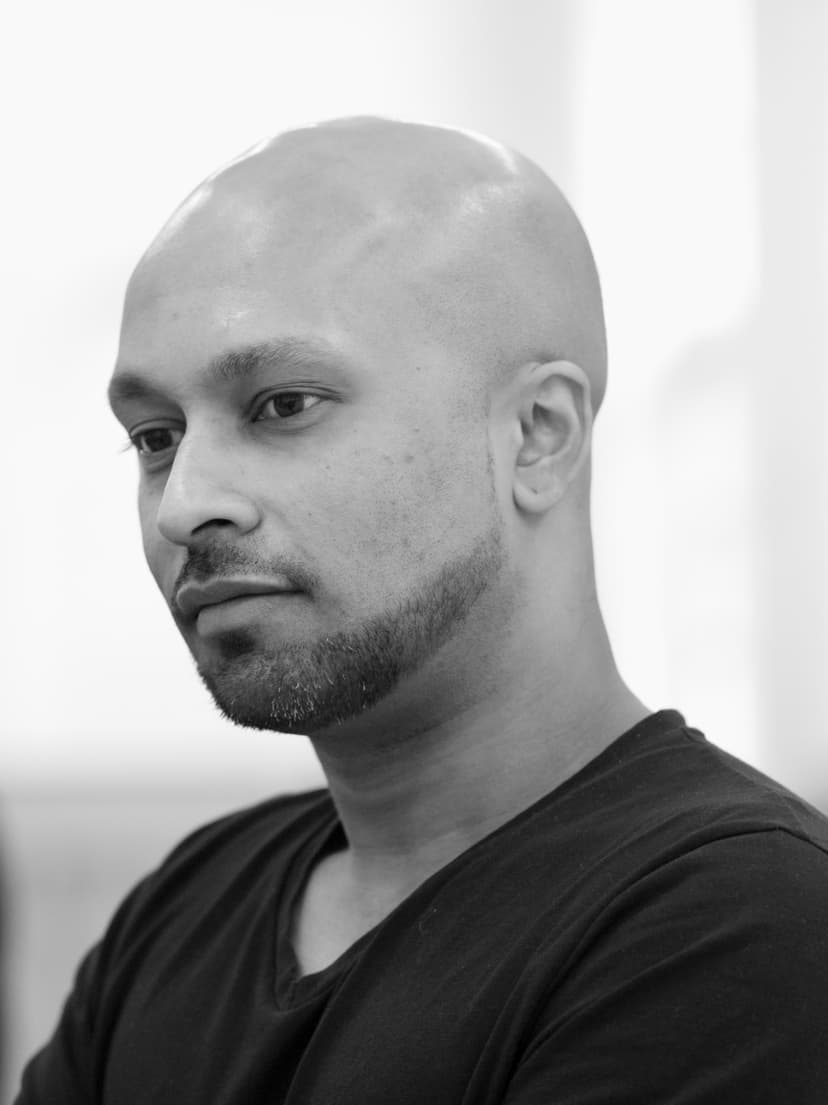
Akram Khan
Kathak Meets Contemporary
Why They Matter
He bridges South Asian classical dance and Western contemporary forms, proving that cultural fusion can create art of the highest caliber.
Known For
Watch
DESH official trailer
Akram Khan Company
Introduces Khan's autobiographical work on Bangladesh family and inheritance
DESH The Six Seasons documentary
Akram Khan Company
Adds first-party context for the making of DESH
XENOS trailer
Akram Khan Company
Documents the full-length solo Khan framed as his last in that format
XENOS creative process documentary
Akram Khan Company
Useful evidence for how movement design and collaborators shaped XENOS
Until the Lions trailer
Akram Khan Company
Shows Khan's return to the Mahabharata through Amba's story
Jungle Book reimagined production trailer
Akram Khan Company
Documents Khan's ecological reframing of the Mowgli story
Biography
Akram Khan is a British dancer and choreographer of Bangladeshi heritage whose work has made kathak and contemporary performance integral to twenty-first-century international dance. Born in London in 1974, Khan began studying kathak at seven with Pratap Pawar while absorbing the popular and contemporary movement around him in Wimbledon. At thirteen, he joined Peter Brook's international production of *The Mahabharata*, an experience that placed epic narrative, intercultural performance and touring at the centre of his artistic development.
Khan later studied contemporary dance at De Montfort University and the Northern School of Contemporary Dance and worked within Anne Teresa De Keersmaeker's X-Group project. Rather than replacing kathak, these encounters expanded the compositional and physical environment in which he used it. By the late 1990s he was making and performing solos that brought classical rhythmic discipline into dialogue with contemporary weight, space and theatrical framing—a conversation built through deliberate artistic choice rather than effortless synthesis.
In 2000, Khan founded Akram Khan Company with producer Farooq Chaudhry. *Rush* premiered that year, followed by *Kaash* in 2002, the company's first full-length evening work, made with visual artist Anish Kapoor and composer Nitin Sawhney. Over the next decade, Khan developed a sequence of prominent collaborations: *zero degrees* (2005) with Sidi Larbi Cherkaoui, sculptor Antony Gormley and Nitin Sawhney; *Sacred Monsters* (2006) with Sylvie Guillem; and *in-i* (2008) created and performed with actor Juliette Binoche. These works expanded his inquiry into identity, borders and the encounter between differently trained bodies while establishing collaboration as a structural principle of his practice.
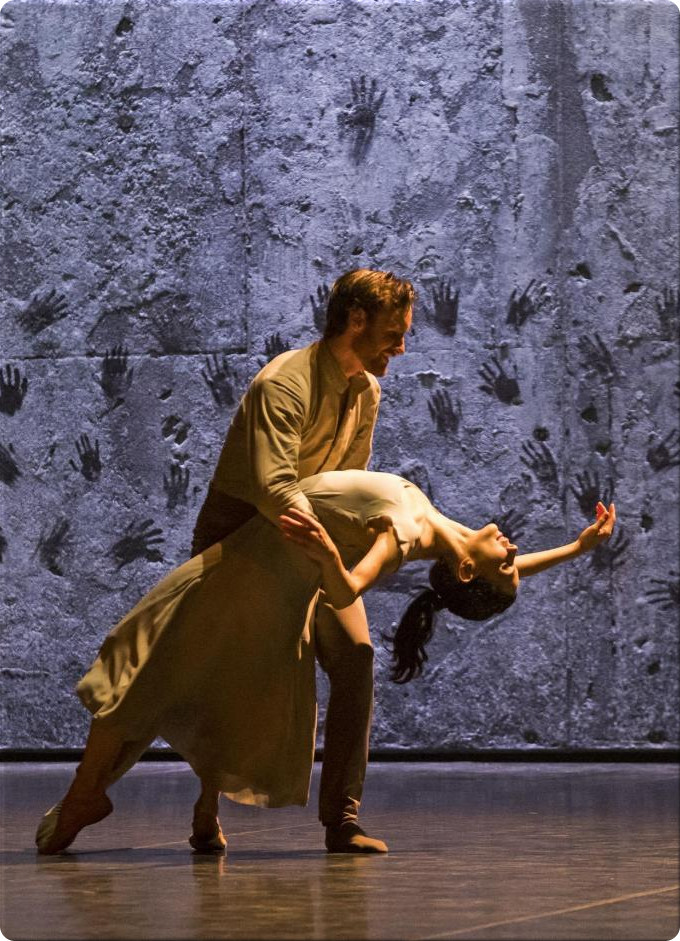
Khan's autobiographical solo *DESH*, premiered at Curve, Leicester, in September 2011, explored family, Bangladesh, memory and inheritance through dance, voice, animation and stage design, winning the 2012 Olivier Award for Best New Dance Production. That same year, Danny Boyle invited Khan to choreograph and perform in the "Mortality" section of the London Olympic Games opening ceremony. His relationship with English National Ballet opened another field: he created *Dust* for the company's 2014 First World War program and then directed and choreographed a full-length reimagining of *Giselle*, premiered in Manchester on 27 September 2016, with new composition and sound design by Vincenzo Lamagna, visual and costume design by Tim Yip, and dramaturgy by Ruth Little.
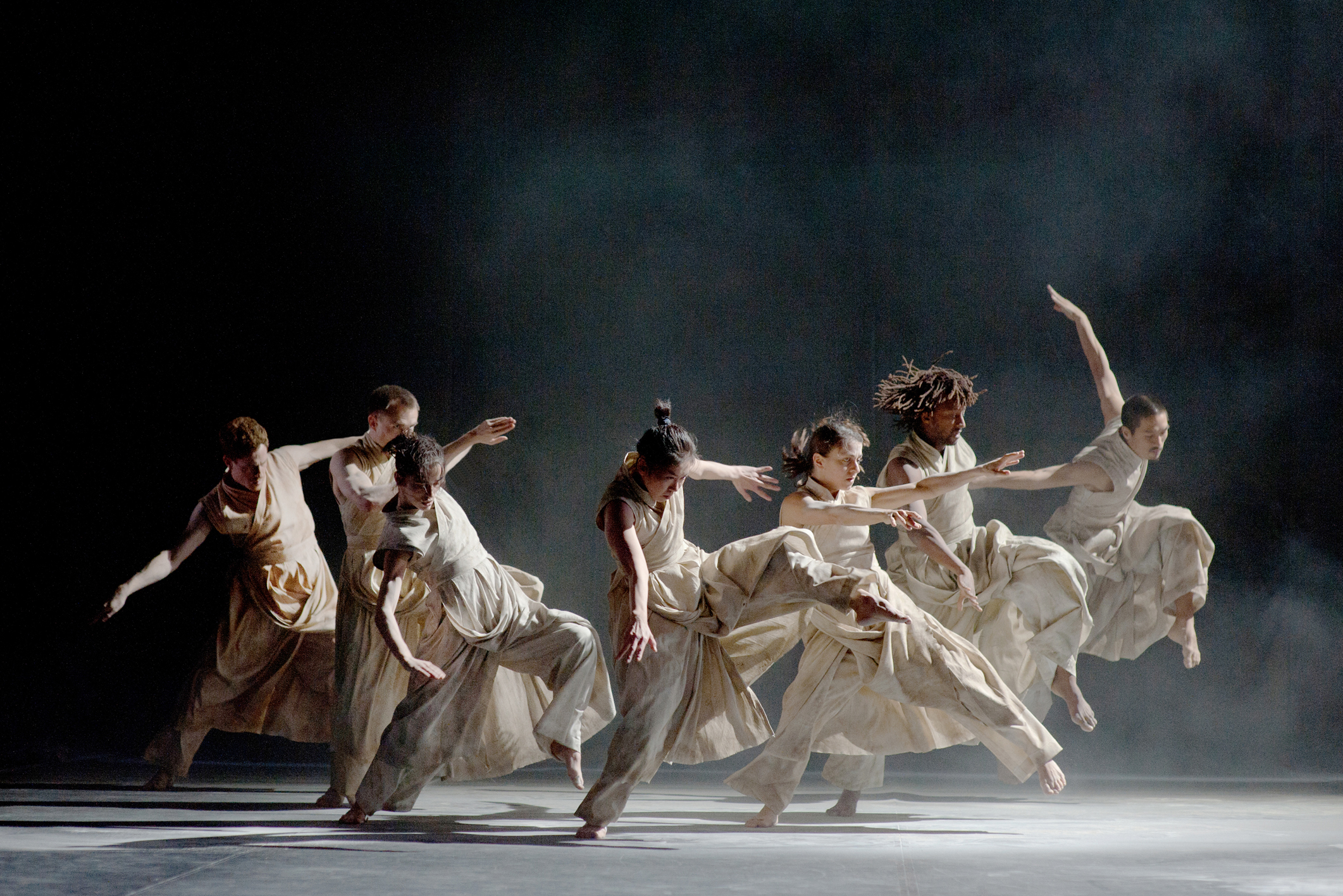
Simultaneously, works for his own company—*Until the Lions* (2016), *XENOS* (2018), *Outwitting the Devil* (2019) and *Jungle Book reimagined* (2022)—continued his engagement with myth, migration, war and ecological crisis. *XENOS* was announced as his final full-length solo, but he subsequently returned to the stage as a dancer in *GIGENIS: the generation of the Earth*, premiered in Aix-en-Provence on 30 August 2024, which assembled seven Indian classical dancers and live musicians under Khan's direction. He received an MBE for services to dance in 2005 and became Chancellor of De Montfort University in 2022.
Career Highlights
At thirteen, joined Peter Brook’s The Mahabharata, which toured internationally. Festival d’Avignon
Co-founded Akram Khan Company with producer Farooq Chaudhry; Rush premiered that October. About AKC
Premiered Kaash, the company’s first full-length evening work, with Anish Kapoor and Nitin Sawhney. Kaash
Premiered zero degrees with Sidi Larbi Cherkaoui, Antony Gormley and Nitin Sawhney; was awarded an MBE for services to dance. touring archive
Premiered Sacred Monsters with Sylvie Guillem at Sadler’s Wells. touring archive
Premiered in-i, created and performed with Juliette Binoche, at the National Theatre. touring archive
Premiered the autobiographical solo DESH at Curve, Leicester. touring archive
DESH won the Olivier Award for Best New Dance Production; Khan choreographed and performed in the “Mortality” section of the London Olympics opening ceremony. About AKC
Premiered Until the Lions and directed/choreographed English National Ballet’s new Giselle. Until the Lions
Premiered XENOS, billed as his final full-length solo work. touring archive
Premiered Jungle Book reimagined at Curve, Leicester, and became Chancellor of De Montfort University. touring archive
Directed and performed in GIGENIS: the generation of the Earth, premiered at the Grand Théâtre de Provence. GIGENIS
Gallery
Legacy & Impact
Khan matters because he has made the conversation between kathak and contemporary performance structurally central to international dance. His work carries kathak's rhythmic intelligence, storytelling impulse and embodied discipline into encounters with contemporary dance, ballet, theatre, visual art and large public ceremony. Equally important, he has built a company culture in which collaboration is visible: producers, composers, designers, dramaturgs and dancers are integral authors. His repertory has reached from intimate solos to Olympic-scale spectacle while returning repeatedly to migration, inheritance, myth, violence and ecological responsibility.


Explore More Legends
Discover the dancers, teachers, choreographers, and cultural icons who shaped how the world moves.
Keep the thread going
Dance history, technique, and the occasional rabbit hole — in your inbox. Thoughtful, infrequent, unsubscribe anytime.
Free. No spam. One click to leave.