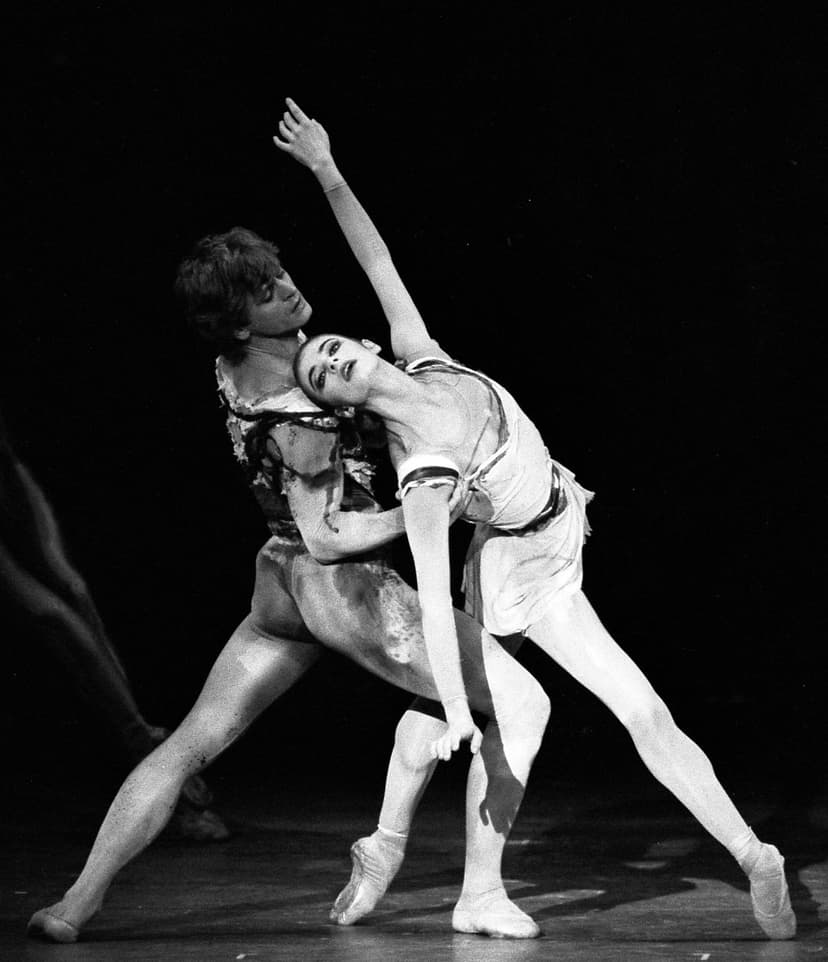
Alessandra Ferri
Legend of Dance
Why They Matter
Ferri matters not simply because she held principal rank in three major ballet institutions, but because she expanded the public image of a dramatic ballerina’s lifespan. Her MacMillan heroines established her as an unusually searching actor-dancer; her later work in Chéri, Woolf Works, Duse and Aft
Biography
Alessandra Ferri was born in Milan in 1963 and began her ballet training at the school of Teatro alla Scala. At fifteen she moved to London to study at The Royal Ballet School, where she represented the school at the 1980 Prix de Lausanne, won a prize, and entered The Royal Ballet that year.
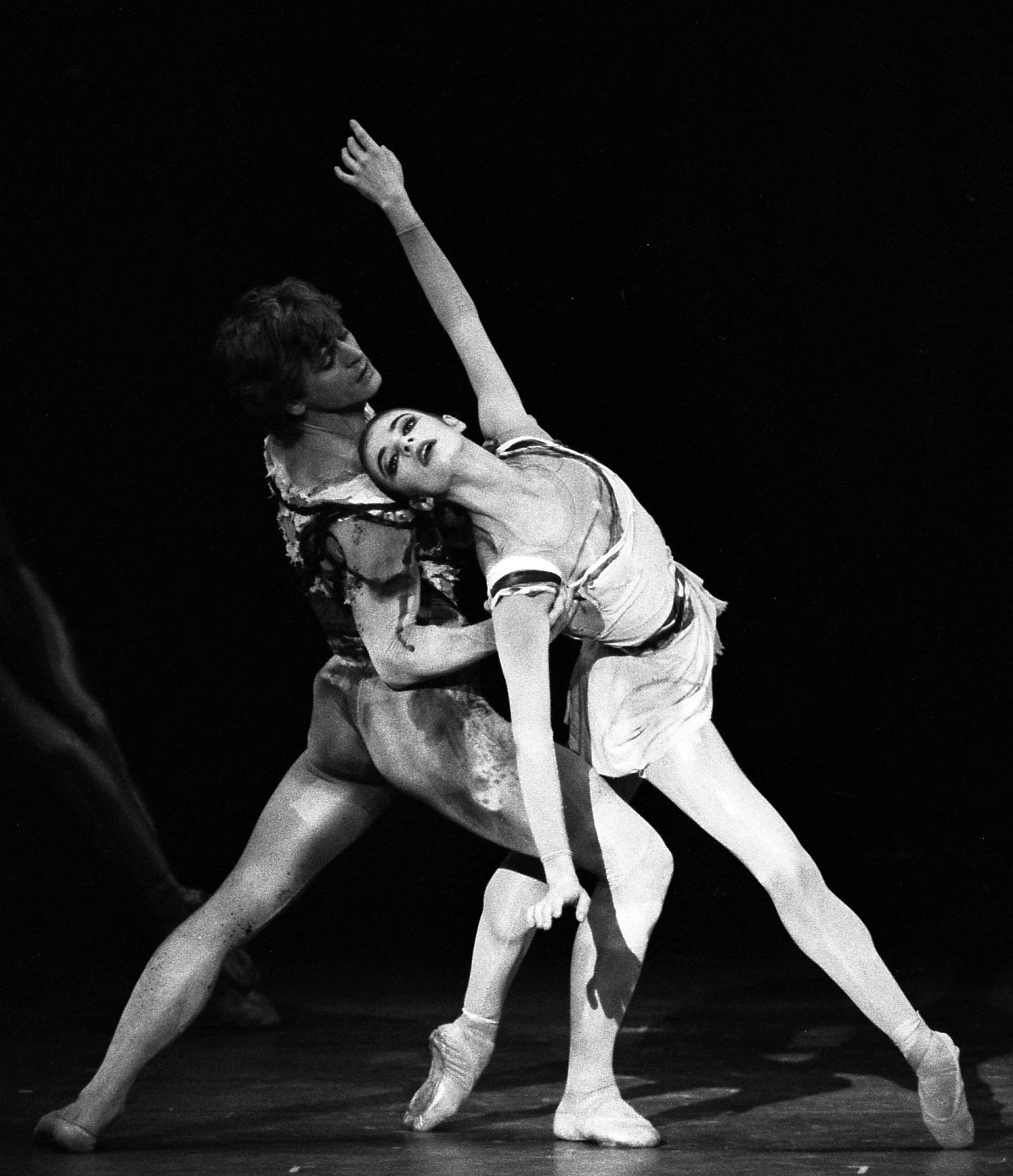
Ferri advanced swiftly through the company's ranks, promoted to Principal in the early 1980s. Kenneth MacMillan entrusted her with demanding dramatic roles in *Romeo and Juliet*, *Manon*, *Mayerling* and works created for her, including *Valley of Shadows*, which brought her an early Laurence Olivier Award. In 1985, Mikhail Baryshnikov invited her to American Ballet Theatre as a Principal Dancer, where she remained for twenty-two years. At ABT, she performed the classical repertory and worked with choreographers including Jerome Robbins, Twyla Tharp, Agnes de Mille, Antony Tudor and Jiří Kylián, forming notable partnerships especially with Julio Bocca. MacMillan created *Requiem* for her and Baryshnikov during this period.
Parallel to her ABT career, Ferri sustained an international presence. She began collaborating with Roland Petit in 1989 and became a permanent guest at Teatro alla Scala in 1992, where La Scala appointed her Prima Ballerina Assoluta. Choreographers including William Forsythe created roles for her. She performed with the Paris Opera Ballet, Mariinsky Theatre, National Ballet of Canada, Stuttgart Ballet and Hamburg Ballet.
Ferri left ABT in 2007 but did not retire from dance. She directed programming at the Spoleto Festival from 2008 to 2014 and returned to substantial stage work in Martha Clarke's *Chéri* in 2013. In 2015, Wayne McGregor created the Virginia Woolf role in *Woolf Works* for her at The Royal Ballet. Her performances in *Chéri* and *Woolf Works* earned the 2016 Olivier Award for Outstanding Achievement in Dance. She continued performing, teaching and coaching at The Royal Ballet, La Scala and ABT. The Prix de Lausanne presented her the Lifetime Achievement Award in 2024, and in September 2025 she joined the Vienna State Ballet as director.
Career Highlights
Won a prize at the Prix de Lausanne and joined The Royal Ballet. Prix de Lausanne
Promoted to Principal at The Royal Ballet according to the company’s current biography; see the date discrepancy in Editorial cautions. Royal Ballet and Opera
Joined American Ballet Theatre as a Principal Dancer at Mikhail Baryshnikov’s invitation. Royal Ballet and Opera
Appeared with Baryshnikov in the film Dancers. Vienna State Opera
Became a permanent guest at Teatro alla Scala, beginning a major continuing association with the Milan company. Vienna State Opera
Ended her 22-year tenure as an ABT Principal Dancer. American Ballet Theatre
Returned to sustained stage work in Martha Clarke’s Chéri at New York’s Signature Theatre. Vienna State Opera
Created the Virginia Woolf role in Wayne McGregor’s Woolf Works for The Royal Ballet. Vienna State Opera
Won the Olivier Award for Outstanding Achievement in Dance for Chéri and Woolf Works. Official London Theatre
Received the Prix de Lausanne Lifetime Achievement Award. Prix de Lausanne
Joined the Vienna State Ballet as director in September. Royal Ballet and Opera
Legacy & Impact
Ferri matters because she expanded what a dramatic ballerina's career could encompass across time. Her MacMillan heroines established her as an unusually searching actor-dancer; her later work in *Chéri*, *Woolf Works* and other roles demonstrated that ballet could represent mature women as complex characters rather than fading ingénues. Her teaching, coaching and directorship at Vienna extend that interpretive intelligence into how repertory is coached, selected and renewed for the next generation.


Explore More Legends
Discover the dancers, teachers, choreographers, and cultural icons who shaped how the world moves.
Keep the thread going
Dance history, technique, and the occasional rabbit hole — in your inbox. Thoughtful, infrequent, unsubscribe anytime.
Free. No spam. One click to leave.