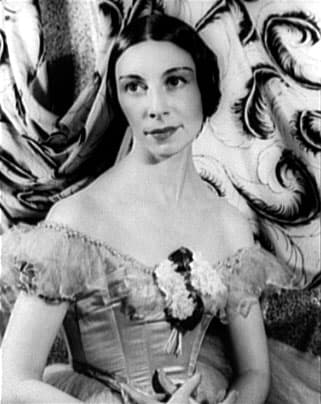
Alicia Markova
Legend of Dance
Why They Matter
Markova matters because her career joins three histories that are sometimes told separately: Diaghilev's international modernism, the formation of professional British ballet and the growth of touring ballet for broad audiences. Her distinction as the first British-born prima ballerina was not simpl
Biography
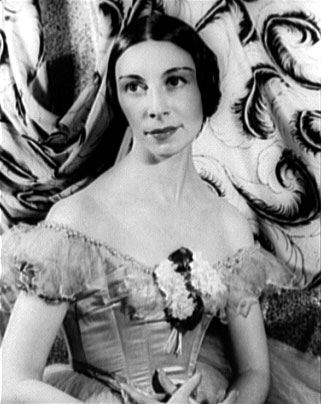
Dame Alicia Markova, born Lilian Alicia Marks in Finsbury Park, London, on 1 December 1910, was the first British-born prima ballerina. She began dancing around age seven under Serafina Astafieva and was performing professionally by 1920, during an era when Britain had no permanent national ballet infrastructure.
In late 1924, Serge Diaghilev invited Markova to join the Ballets Russes. She entered the company in January 1925, adopted her stage name, and made her debut that spring while still in her teens. Working within Diaghilev's circle until the company dissolved after his death in 1929, she experienced the collision of classical schooling with modernist music, design and choreography at the highest international level.
Back in Britain, Markova became central to the formation of professional ballet. She danced with Marie Rambert's Ballet Club and by 1933 was prima ballerina of the Vic-Wells Ballet. Her New Year's Day 1934 London performance in the title role of *Giselle* became the defining association of her career. During this period she also danced in ballets created by Frederick Ashton, placing a British dancer at the centre of the emerging national repertory.
In 1935, Markova and Anton Dolin formed the Markova-Dolin Ballet, transforming their celebrated partnership into a touring company. She later danced with the Ballet Russe de Monte Carlo and American Ballet Theatre, where she created roles including Zemphira in the 1942 world premiere of *Aleko* and Juliet in the 1943 world premiere of Antony Tudor's *Romeo and Juliet*.
In 1950, Markova, Dolin and impresario Julian Braunsweg founded Gala Performances of Ballet, soon known as Festival Ballet. The company's purpose was not merely to create ballet but to tour it across Britain and internationally—ensuring that classical dance reached audiences beyond a single metropolitan centre. The company later became London Festival Ballet and, in 1989, English National Ballet.
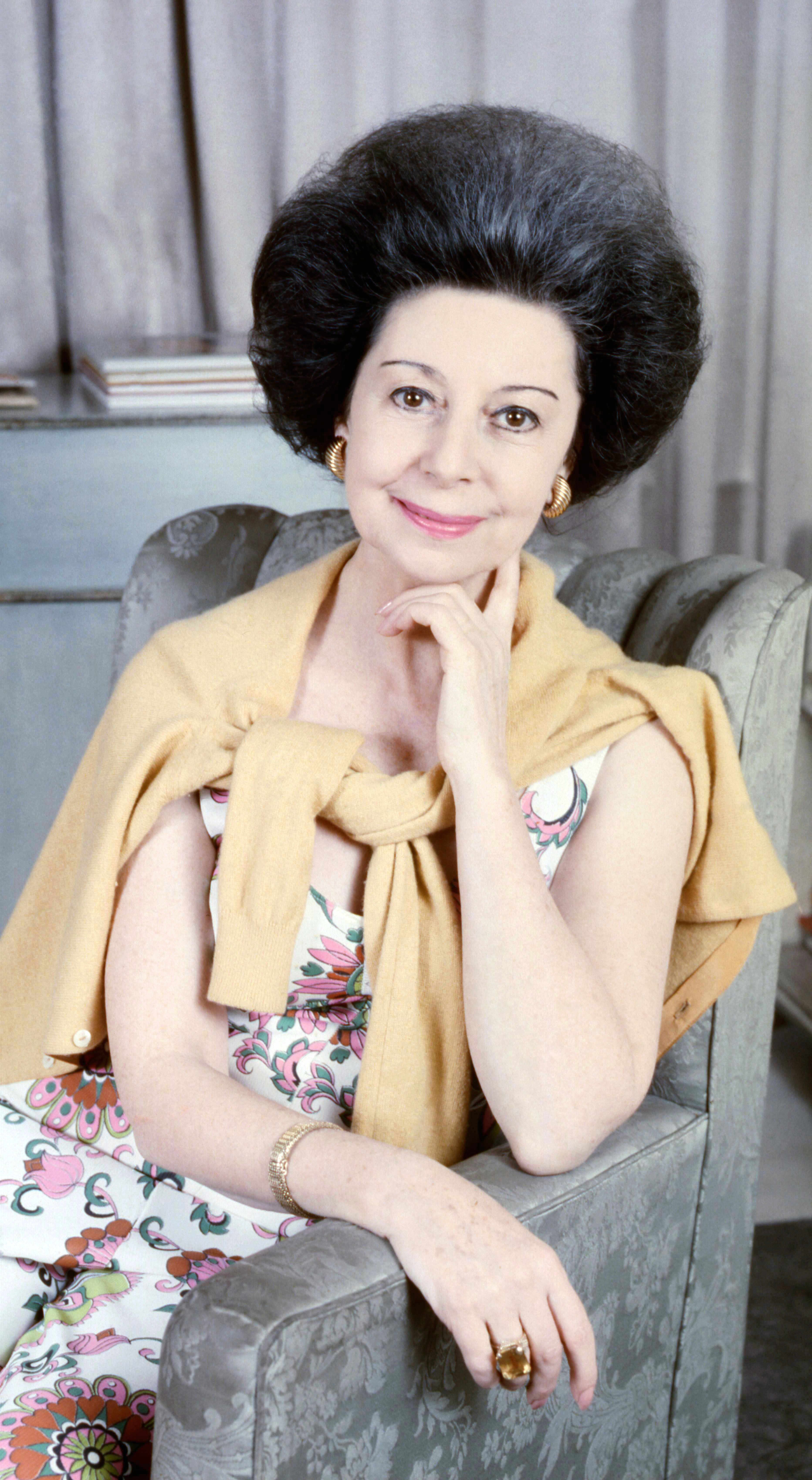
Markova was appointed CBE in 1958 and DBE in 1963. Her stage performances continued around the turn of 1962–63, after which she devoted herself to teaching, coaching and advocacy for ballet. She died in Bath on 2 December 2004, one day after her ninety-fourth birthday.
Career Highlights
Markova made an early professional appearance, beginning a stage career while still a child. English Heritage
She joined Diaghilev's Ballets Russes in January and debuted with the company that spring. English Heritage
She joined Marie Rambert's Ballet Club, part of the institutional groundwork for British ballet. The Guardian
She became prima ballerina of the Vic-Wells Ballet. English Heritage
She first danced the title role in Giselle in London on New Year's Day, establishing her signature role. The Guardian
She and Anton Dolin formed the touring Markova-Dolin Ballet. The Guardian
She joined the Ballet Russe de Monte Carlo, remaining until 1941. The Guardian
She created the role of Zemphira in the world premiere of Aleko with Ballet Theatre. American Ballet Theatre
She created Juliet in the world premiere of Antony Tudor's Romeo and Juliet. American Ballet Theatre
With Anton Dolin and Julian Braunsweg, she founded the touring enterprise that became Festival Ballet and later English National Ballet. English National Ballet
She was appointed Commander of the Order of the British Empire. English Heritage
She was appointed Dame Commander and completed her transition from performing to teaching, coaching and leadership. English Heritage
Gallery
Legacy & Impact
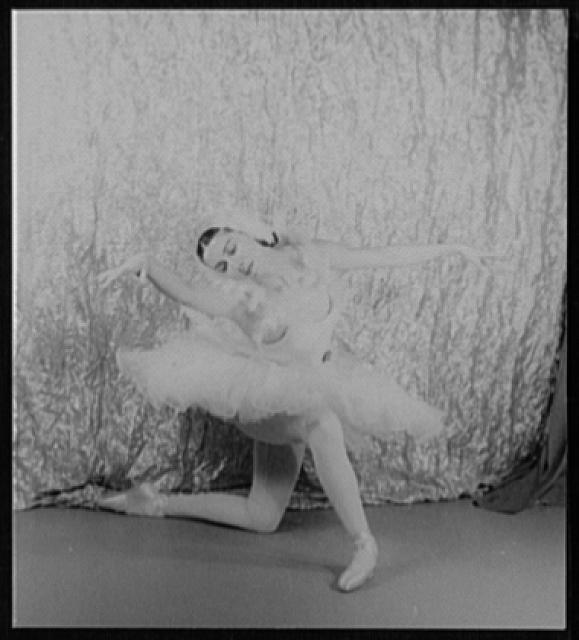
Markova's significance lies in connecting three histories often told separately: Diaghilev's modernist network, the establishment of professional British ballet and the expansion of touring ballet to national and international audiences. Her first British-born prima ballerina status was not merely symbolic; she carried repertory, standards and institutional experience between companies before helping establish an organization whose touring mission endures as English National Ballet. Her interpretation of *Giselle*—a role she danced for decades—also makes her a major twentieth-century custodian of Romantic ballet repertory.


Explore More Legends
Discover the dancers, teachers, choreographers, and cultural icons who shaped how the world moves.
Keep the thread going
Dance history, technique, and the occasional rabbit hole — in your inbox. Thoughtful, infrequent, unsubscribe anytime.
Free. No spam. One click to leave.