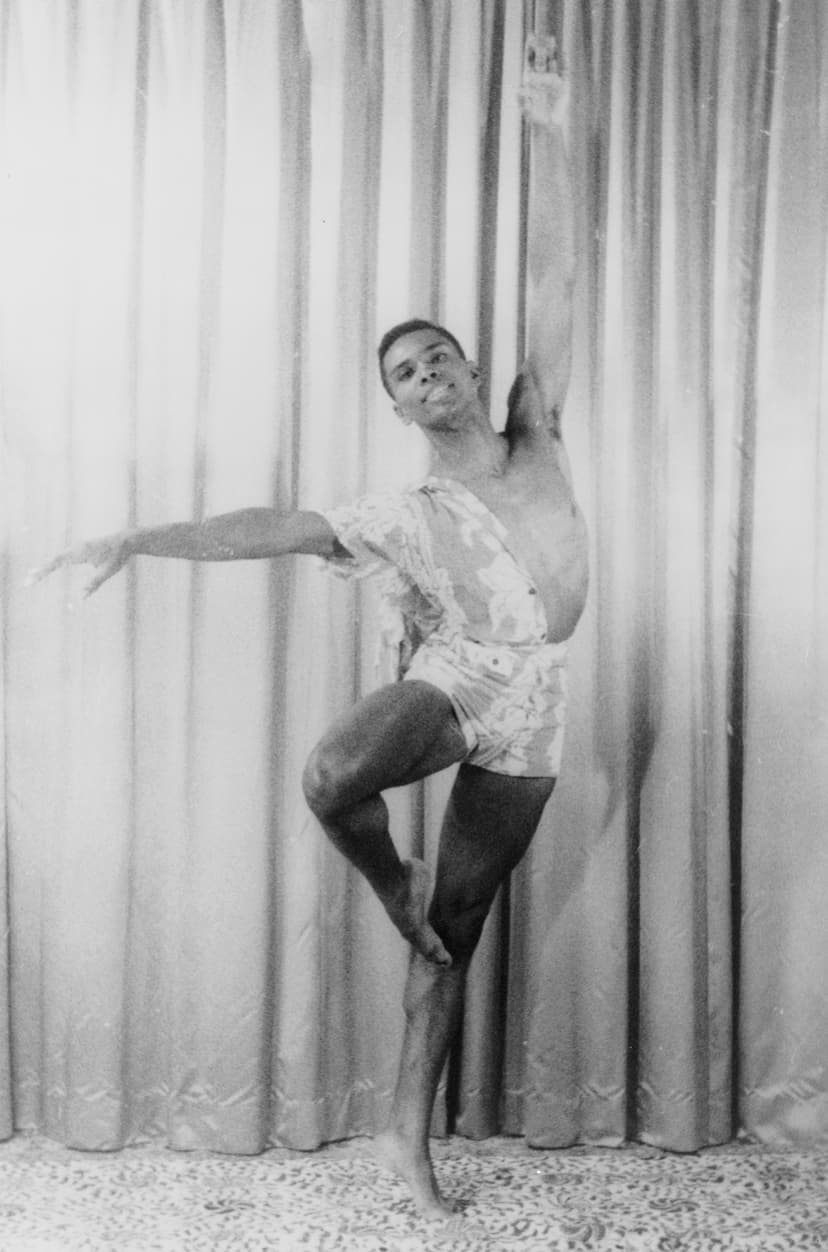
Arthur Mitchell
Legend of Dance
Why They Matter
Mitchell matters because he changed both who could be seen at ballet's highest level and how opportunity could be organized beyond one exceptional career. His New York City Ballet performances confronted racial exclusion inside canonical repertory; Dance Theatre of Harlem converted that breakthrough
Styles Arthur Mitchell shaped
Each one links to the style’s own page — its origins, music, tempo and video.
Watch
Dance Theatre of Harlem: Arthur Mitchell Tribute
Dance Theatre of Harlem
Official-company tribute connecting Mitchell's performing career to Dance Theatre of Harlem's first fifty years.
DTH On Demand: Tones II- A Reflection On Arthur Mitchell
Dance Theatre of Harlem
Connects current company interpretation to a work in Mitchell's early Dance Theatre of Harlem repertory.
Biography
Arthur Mitchell was born in Harlem on March 27, 1934. A school counselor encouraged him to audition for New York's High School of Performing Arts, where his prior experience spanned multiple forms before he narrowed his focus to ballet. He later accepted a scholarship to the School of American Ballet and studied with Karel Shook, building the classical technique that would define his performing and teaching life.
Before joining New York City Ballet, Mitchell worked across integrated modern-dance ensembles and Black musical theatre. He appeared in the 1952 revival of *Four Saints in Three Acts* and the 1954 musical *House of Flowers*, roles that gave him stage experience during an era when ballet companies maintained strict racial barriers.
Lincoln Kirstein invited Mitchell to New York City Ballet in 1955, and he made his company debut in Balanchine's *Western Symphony* that November. Mitchell rose to principal rank and originated major Balanchine roles, including the male lead in *Agon* in 1957 and Puck in *A Midsummer Night's Dream* in 1962. His central pas de deux with Diana Adams in *Agon* made interracial partnering visible inside an art form whose stage image had long been organized around whiteness.
The assassination of Martin Luther King Jr. in 1968 redirected Mitchell's energy toward Harlem. That July he began leading a dance department at Dorothy Maynor's Harlem School of the Arts, financing early work with his own resources and help from friends. Karel Shook joined as ballet master and associate artistic director, and a small group of dancers became the nucleus of what would follow.
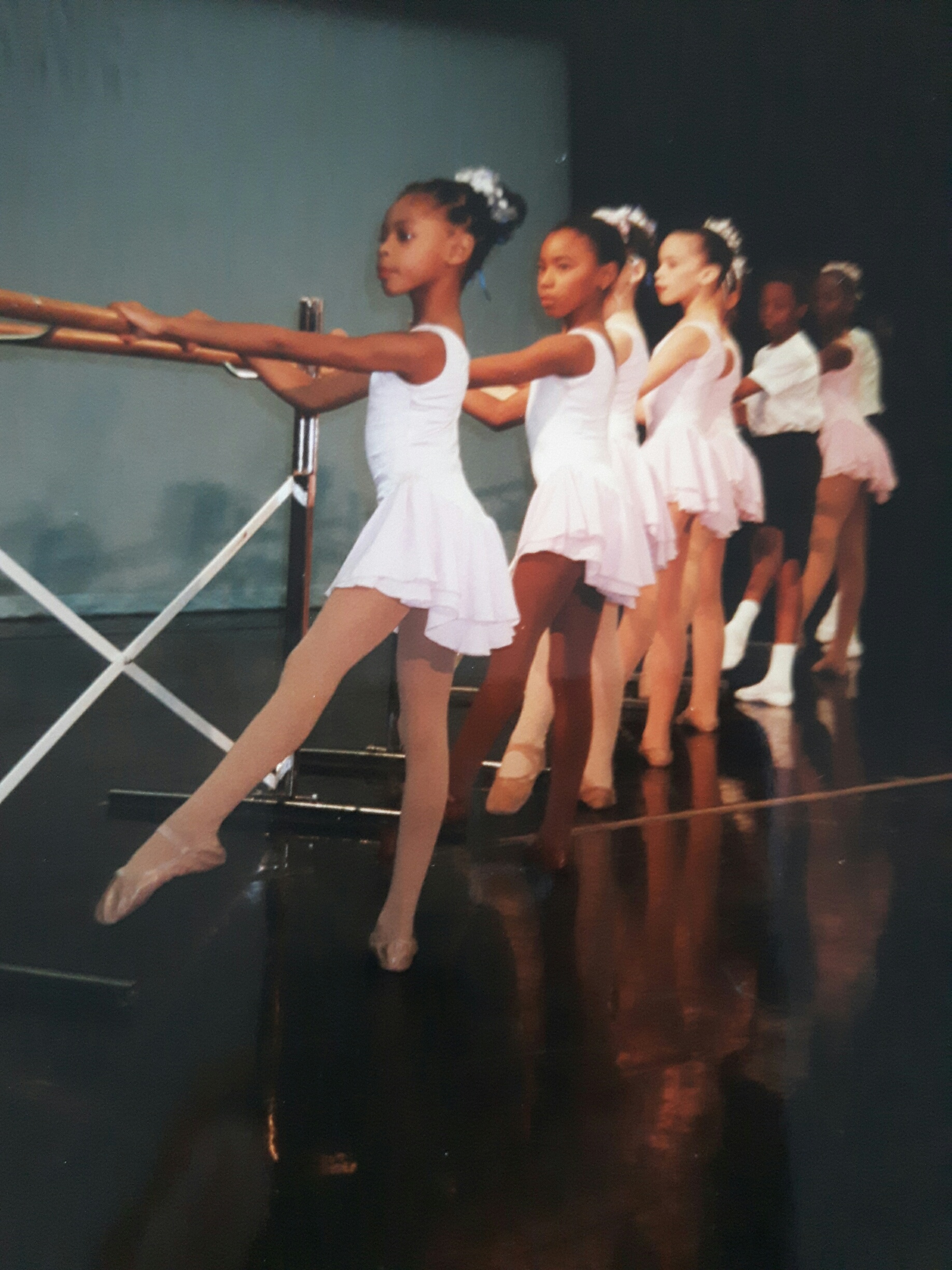
Mitchell and Shook established Dance Theatre of Harlem in 1969, developing a school and professional company that treated classical rigor and racial access as mutually reinforcing goals. The company made its official New York debut at the Solomon R. Guggenheim Museum in January 1971 with three Mitchell ballets—*Rhythmetron*, *Tones*, and *Fête Noire*. Over subsequent decades, the institution toured internationally, built a substantial repertory that included works by Balanchine, John Taras, Geoffrey Holder, and Frederic Franklin, and trained generations of dancers, teachers, and production professionals.
Mitchell remained artistic director until the professional company temporarily closed in 2004, while the school and outreach work continued. His honors included the 1993 Kennedy Center Honors and the 1995 National Medal of Arts. Columbia University acquired his archive in 2015, preserving records of both his stage career and institution-building work. He died in Manhattan on September 19, 2018.
Career Highlights
Made his Broadway debut as one of the dancing angels in the revival of Four Saints in Three Acts. Columbia University Libraries
Appeared in House of Flowers, choreographed by George Balanchine and Herbert Ross. Columbia University Libraries
Joined New York City Ballet and debuted with the company in Western Symphony on November 8. Columbia University Libraries
Originated the male role in Balanchine's Agon pas de deux, partnered by Diana Adams. National Endowment for the Arts
Originated Puck in Balanchine's A Midsummer Night's Dream. Columbia University Libraries
Began teaching in Harlem and opened the Harlem School of the Arts dance department on July 8. Columbia University Libraries timeline
Established Dance Theatre of Harlem with Karel Shook. National Endowment for the Arts
Dance Theatre of Harlem gave its official New York debut at the Guggenheim Museum, January 8–10. Columbia University Libraries
Received the Kennedy Center Honors. Kennedy Center
Received the National Medal of Arts as a dancer and choreographer. National Endowment for the Arts
Columbia University acquired the Arthur Mitchell archive, its first major dance collection. Columbia University
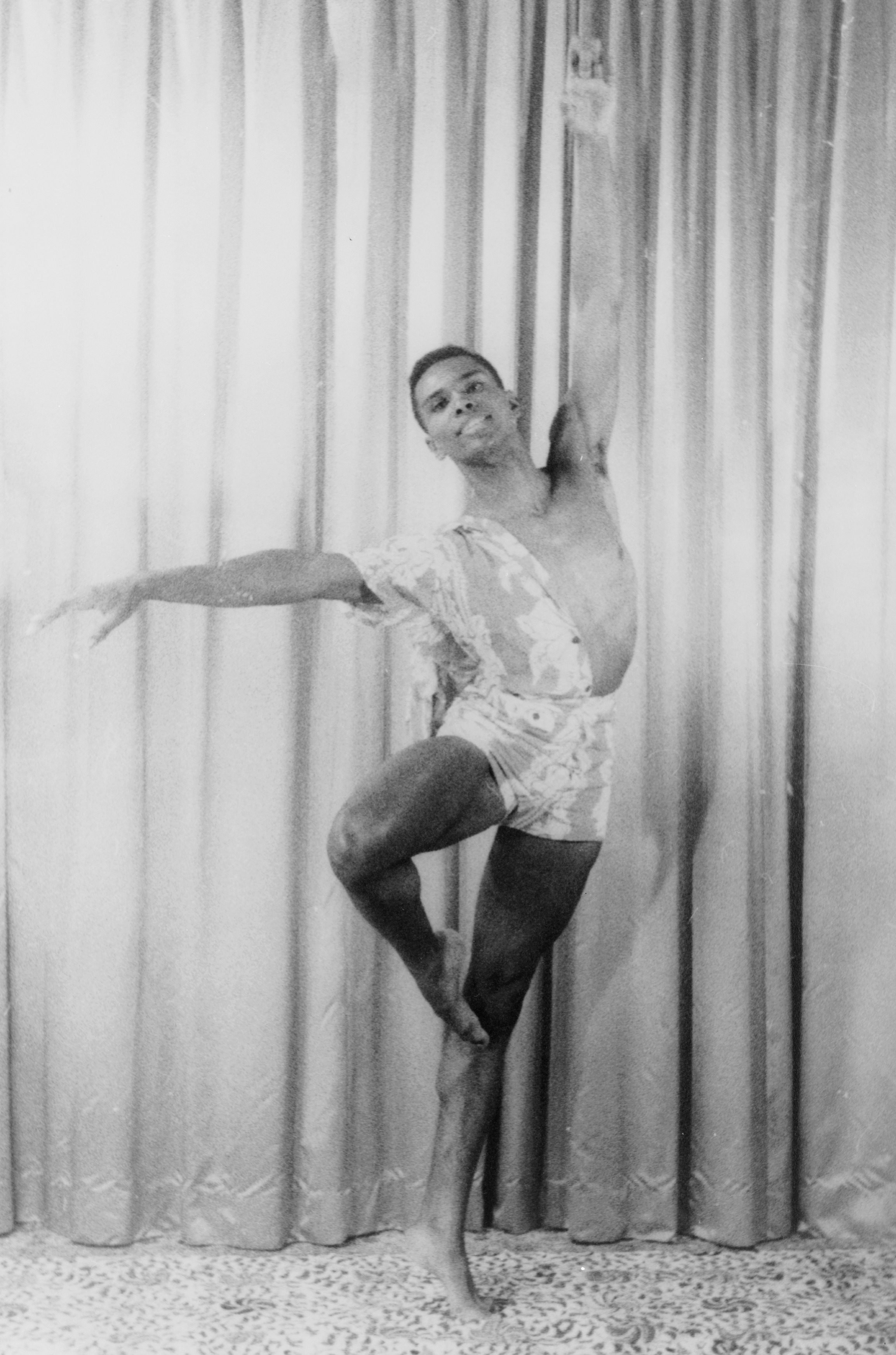
Gallery

Legacy & Impact
Mitchell matters because he changed both who could be seen at ballet's highest level and how opportunity could be organized beyond one exceptional career. His New York City Ballet performances confronted racial exclusion inside canonical repertory; Dance Theatre of Harlem converted that breakthrough into training, employment, repertory, touring, and community access. The combination made his legacy artistic, educational, and institutional rather than merely symbolic.


Explore More Legends
Discover the dancers, teachers, choreographers, and cultural icons who shaped how the world moves.
Keep the thread going
Dance history, technique, and the occasional rabbit hole — in your inbox. Thoughtful, infrequent, unsubscribe anytime.
Free. No spam. One click to leave.