Buster Brown
Legend of Dance
Why They Matter
Brown matters because his career makes tap history visible as a chain of embodied knowledge. He learned through watching and exchanging steps, sustained vaudeville-era forms through decades of shrinking employment, and later carried those forms into films, festivals, Broadway revivals, and informal
Biography
James Richard Brown, professionally known as James "Buster" Brown, was a rhythm-tap dancer, choreographer, and teacher whose seven-decade career connected Black vaudeville practice to tap's late-twentieth-century revival. Born in Baltimore in 1913, Brown learned by watching performers and trading steps with other young dancers rather than through formal studio training. At Frederick Douglass High School he formed the Three Aces with John Orange and Sam Campbell; after graduation, their act became the Speed Kings, a name that advertised the group's rapid, tightly synchronized footwork.
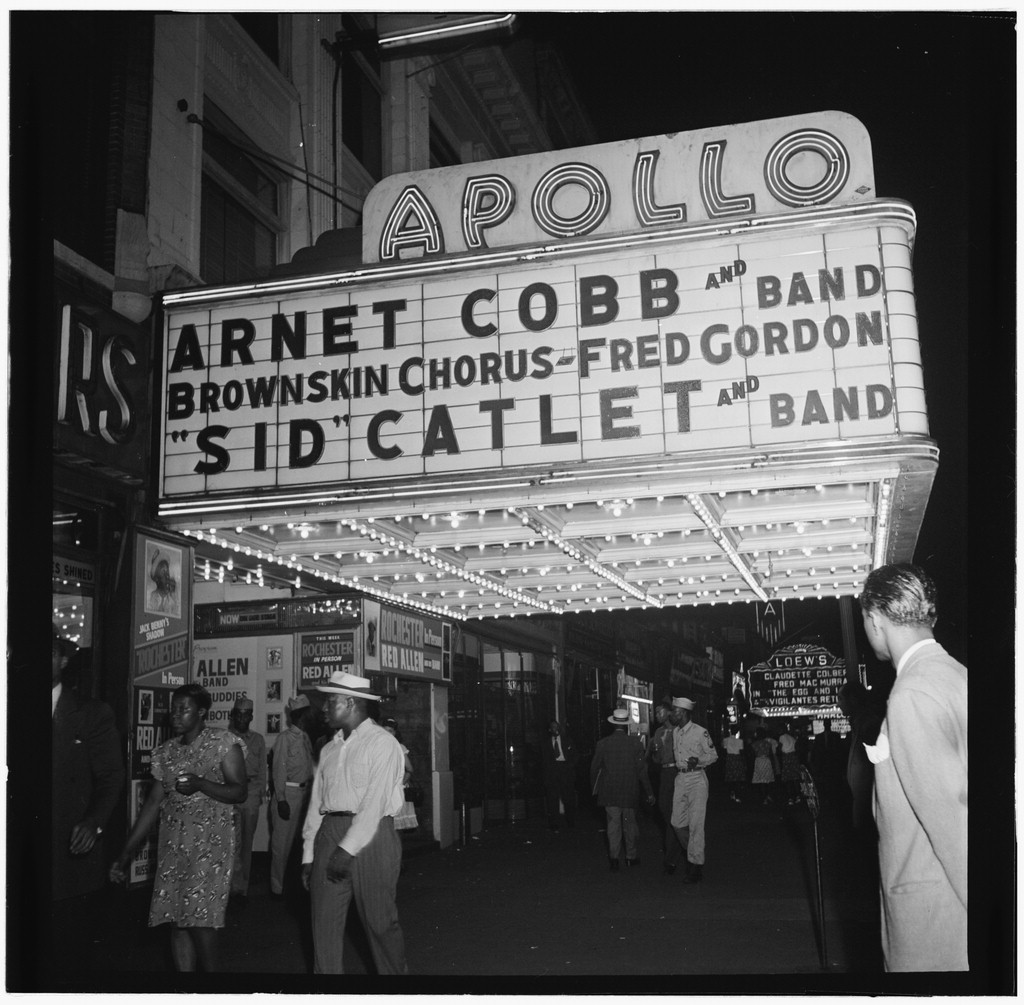
By the later 1930s Brown had worked in Black variety shows, including *Brownskin Models*, and had reorganized the Speed Kings after Orange's death. The new trio reached New York in 1939, playing the Apollo Theatre and Small's Paradise. Brown's early stage construction moved from soft shoe into rhythm and speed work without stopping the music, placing smooth presentation and increasing rhythmic intensity inside one continuous act. The team appeared in the 1943 film *Something to Shout About*.
Brown then built a solo comedy-and-tap act and from 1945 to 1951 partnered Ernest "Pippy" Cathy as Brown and Beige. As theatrical employment for tap dancers contracted in the 1950s, he supported himself through non-performing jobs. He returned to sustained dance work with the Hoofers in the 1960s, toured with Duke Ellington's orchestra in 1966, and joined the Hoofers' 1968 State Department-sponsored African tour. He later became a lifetime member of the Copasetics, the fraternity created in memory of Bill "Bojangles" Robinson.
Tap's concert and theatrical revival reopened major stages to Brown in the 1970s and 1980s. His credits included *Bubbling Brown Sugar*, *Black and Blue*, *The Cotton Club*, and televised or documentary tap programs. These appearances placed a living carrier of vaudeville-derived rhythm, soft-shoe, and comic presentation alongside younger artists and new audiences.
In the 1990s and early 2000s Brown remained an active elder artist. His Sunday tap jams at Swing 46 in New York provided a meeting place for emerging dancers. Savion Glover honored his influence in *Bring in 'Da Noise, Bring in 'Da Funk* and toured with him in *Foot Notes*. Oklahoma City University awarded Brown an honorary Doctor of Performing Arts in February 2002. He died in May 2002, leaving a legacy built as much through generous transmission as through stage credits.
Career Highlights
After graduating from Frederick Douglass High School, Brown’s trio was renamed the Speed Kings, emphasizing speed and precision. American Tap Dance Foundation American Tap Dance Foundation
Speed Kings 2 arrived in New York and played the Apollo Theatre and Small’s Paradise. American Tap Dance Foundation American Tap Dance Foundation
Brown appeared with the Speed Kings in the musical film Something to Shout About. American Tap Dance Foundation American Tap Dance Foundation
He performed with Ernest “Pippy” Cathy as the duo Brown and Beige. American Tap Dance Foundation American Tap Dance Foundation
Brown toured the United States and Canada as a soloist with Duke Ellington’s orchestra. American Tap Dance Foundation American Tap Dance Foundation
He toured Africa with the Hoofers in a State Department-sponsored Jazz Dance Theatre program. American Tap Dance Foundation American Tap Dance Foundation
Brown appeared in Francis Ford Coppola’s film The Cotton Club. American Tap Dance Foundation American Tap Dance Foundation
He toured in Savion Glover and Friends’ Footnotes with Jimmy Slyde and Dianne Walker. American Tap Dance Foundation American Tap Dance Foundation
Oklahoma City University awarded him an honorary Doctor of Performing Arts. American Tap Dance Foundation American Tap Dance Foundation
The International Tap Dance Hall of Fame inducted Brown posthumously. American Tap Dance Foundation American Tap Dance Foundation
Gallery
Legacy & Impact
Brown matters because his career makes tap history visible as a chain of embodied knowledge. He learned through watching and exchanging steps, sustained vaudeville-era forms through decades of shrinking employment, and later carried those forms into films, festivals, Broadway revivals, and informal jams. His influence lies in the combination of musical intelligence, economical performance, comedy, repertory, and mentorship that helped younger rhythm-tap artists encounter the form as a living practice.


Explore More Legends
Discover the dancers, teachers, choreographers, and cultural icons who shaped how the world moves.
Keep the thread going
Dance history, technique, and the occasional rabbit hole — in your inbox. Thoughtful, infrequent, unsubscribe anytime.
Free. No spam. One click to leave.