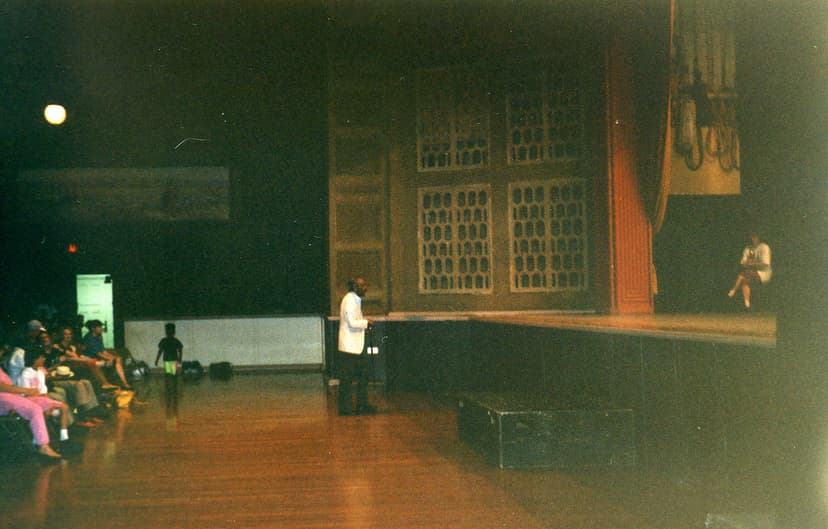
Charles Honi Coles
Legend of Dance
Why They Matter
Coles demonstrated that virtuosity could be quiet, elegant, and explosively rhythmic at once. His partnerships with Cholly Atkins and Brenda Bufalino, his membership in the Copasetics, and his work with Tommy Tune made him a conduit across generations and performance worlds. He helped secure space f
Watch
Charles Honi Coles Interview 1983
Tap Dancing on Record
First-person discussion recorded during a Masters of Tap workshop
Over the Top Be-Bop: Honi Coles and Cholly Atkins
archival program upload
Shows the partnership and named vocabulary in historical context
Charles Honi Coles wins 1983 Tony Award
Tony Awards
Official award record for his My One and Only achievement
Charles Honi Coles performs The New Low Down
Tap Dancing on Record
Useful solo evidence for movement analysis
Honi Coles with Chuck Green and Will Gaines 1983
Tap Dancing on Record
Documents Coles among peer tap masters
Honi Coles and Cholly Atkins with Leonard Reed 1955
archival program upload
Rare visual evidence of the partnership in its working period
Biography
Charles "Honi" Coles was born in Philadelphia in 1911 and learned to dance through observation, practice, and competitive cutting sessions on the city's streets—a community-based education that sharpened both his rhythmic invention and his ability to answer another dancer in real time. In 1931 he performed at New York's Lafayette Theatre with the Three Millers, an acrobatic pedestal act, before returning to Philadelphia to refine his speed and control.
Back in New York, Coles worked Harlem venues and toured in the orbit of major swing bands. While performing as a soloist with Cab Calloway's orchestra around 1940, he met Charles "Cholly" Atkins. After wartime service, they formed Coles and Atkins, a partnership distinguished by tailored presentation, precision unison, soft-shoe refinement, and contrasting specialties: Coles's dense rhythmic speed and Atkins's movement range. In 1949, Coles became a founding member of the Copasetics, organized in memory of Bill "Bojangles" Robinson.
When tap employment contracted in the 1950s and 1960s, Coles worked as an Apollo Theater stage manager and remained a keeper and transmitter of repertory. His collaboration with Brenda Bufalino helped bring jazz tap into concert settings, teaching, and a new intergenerational community. He also appeared in Broadway productions including *Bubbling Brown Sugar* in the 1970s and dance-history projects associated with Agnes de Mille and Joffrey Ballet presentation.
In 1983, Coles played Mr. Magix in the Broadway musical *My One and Only*, and his duet with Tommy Tune became the production's celebrated tap encounter. He won the Tony Award for Best Featured Actor in a Musical that year. He later appeared on screen in *The Cotton Club* and *Dirty Dancing*, while continuing to teach and lecture. In 1991 he received the National Medal of Arts.
Coles died in New York City on November 12, 1992. His legacy survives in archival footage, the repertory of Coles and Atkins, works such as the "Coles Stroll," the teaching of artists he mentored, and institutions devoted to tap history. His career offers a particularly clear bridge between street practice, swing-era show business, Broadway, concert presentation, and modern tap pedagogy.
Career Highlights
Performed at New York’s Lafayette Theatre with the Three Millers.
Met Cholly Atkins while working as a soloist with Cab Calloway’s orchestra.
Established the postwar Coles and Atkins partnership.
Became a founding member of the Copasetics, honoring Bill “Bojangles” Robinson.
Appeared on Broadway in Gentlemen Prefer Blondes as part of a dance team.
Joined Bubbling Brown Sugar, a major stage platform for veteran Black tap artists.
Originated Mr. Magix in the Broadway musical My One and Only.
Won the Tony Award for Best Featured Actor in a Musical.
Appeared in Francis Ford Coppola’s film The Cotton Club.
Appeared in the film Dirty Dancing.
Received the National Medal of Arts.
Was inducted posthumously into the American Tap Dance Foundation’s Tap Dance Hall of Fame.
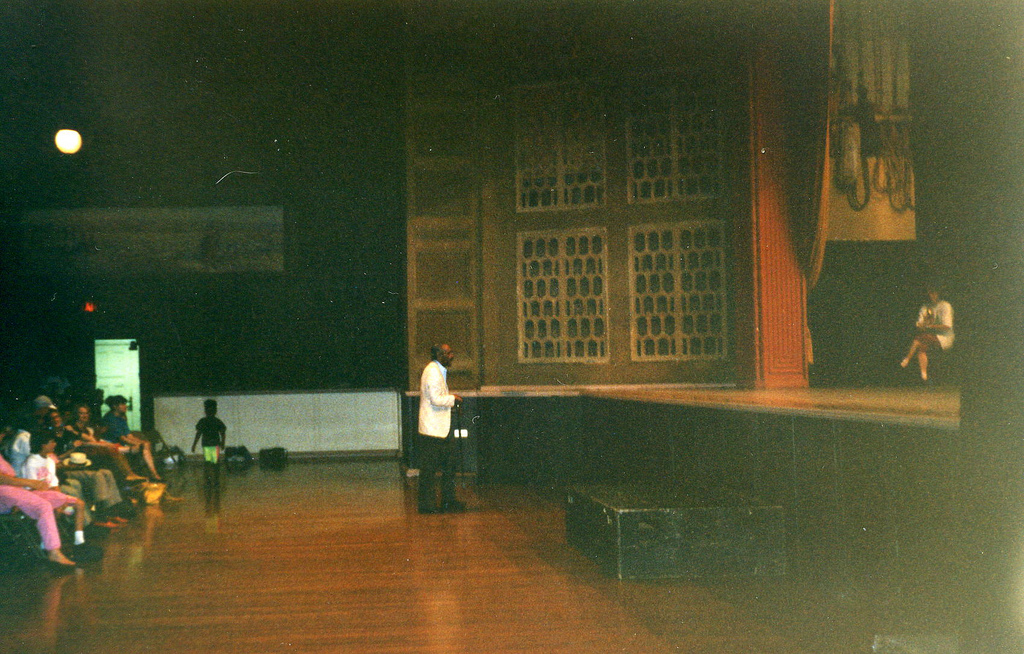
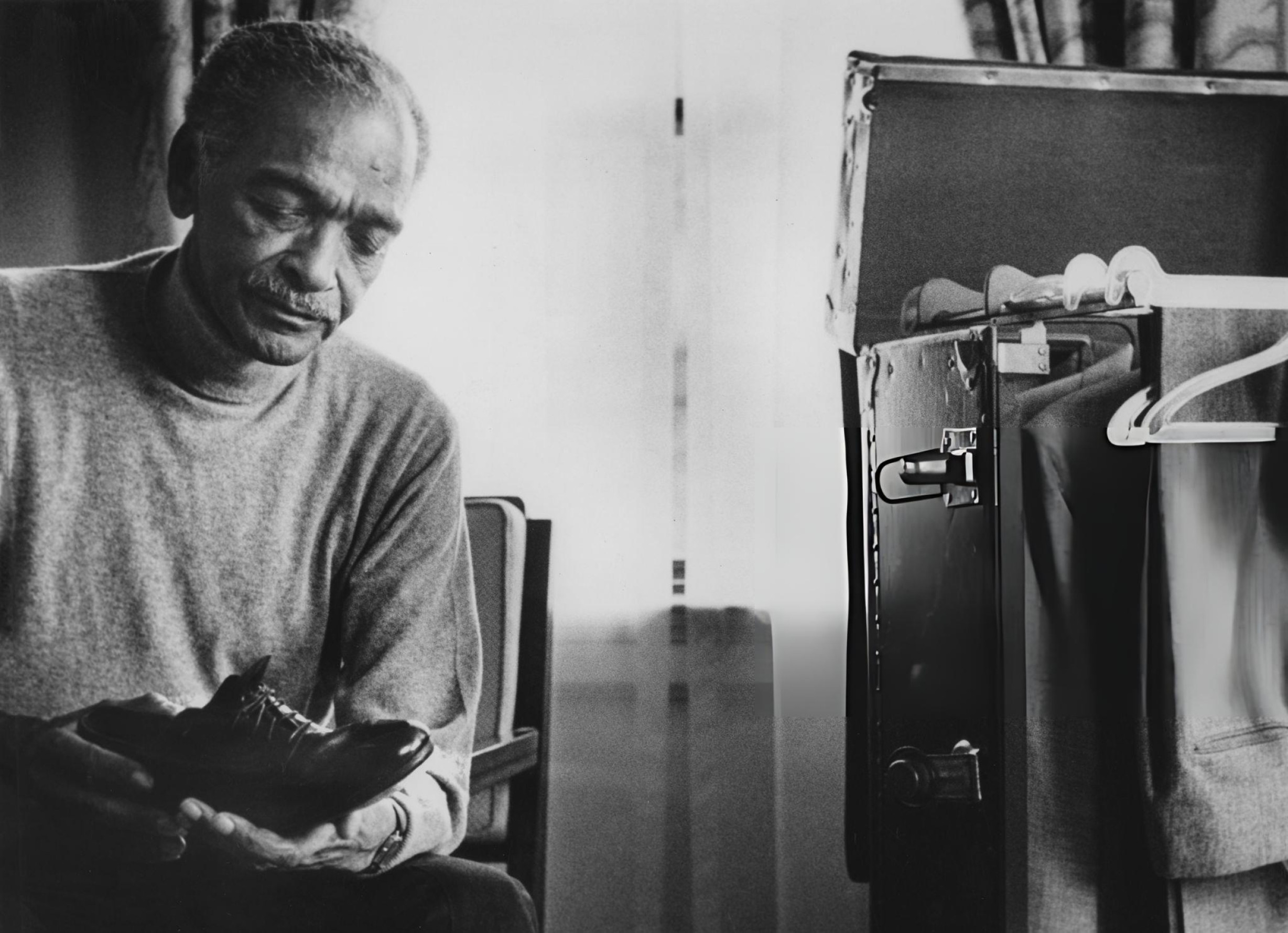
Gallery
Legacy & Impact
Coles demonstrated that virtuosity could be quiet, elegant, and explosively rhythmic at once. His partnerships with Cholly Atkins and Brenda Bufalino, his membership in the Copasetics, and his work with Tommy Tune made him a conduit across generations and performance worlds. He helped secure space for tap as theatrical craft, concert art, historical knowledge, and a teachable living language.


Explore More Legends
Discover the dancers, teachers, choreographers, and cultural icons who shaped how the world moves.
Keep the thread going
Dance history, technique, and the occasional rabbit hole — in your inbox. Thoughtful, infrequent, unsubscribe anytime.
Free. No spam. One click to leave.