Performer · Stage Icon · Community Builder
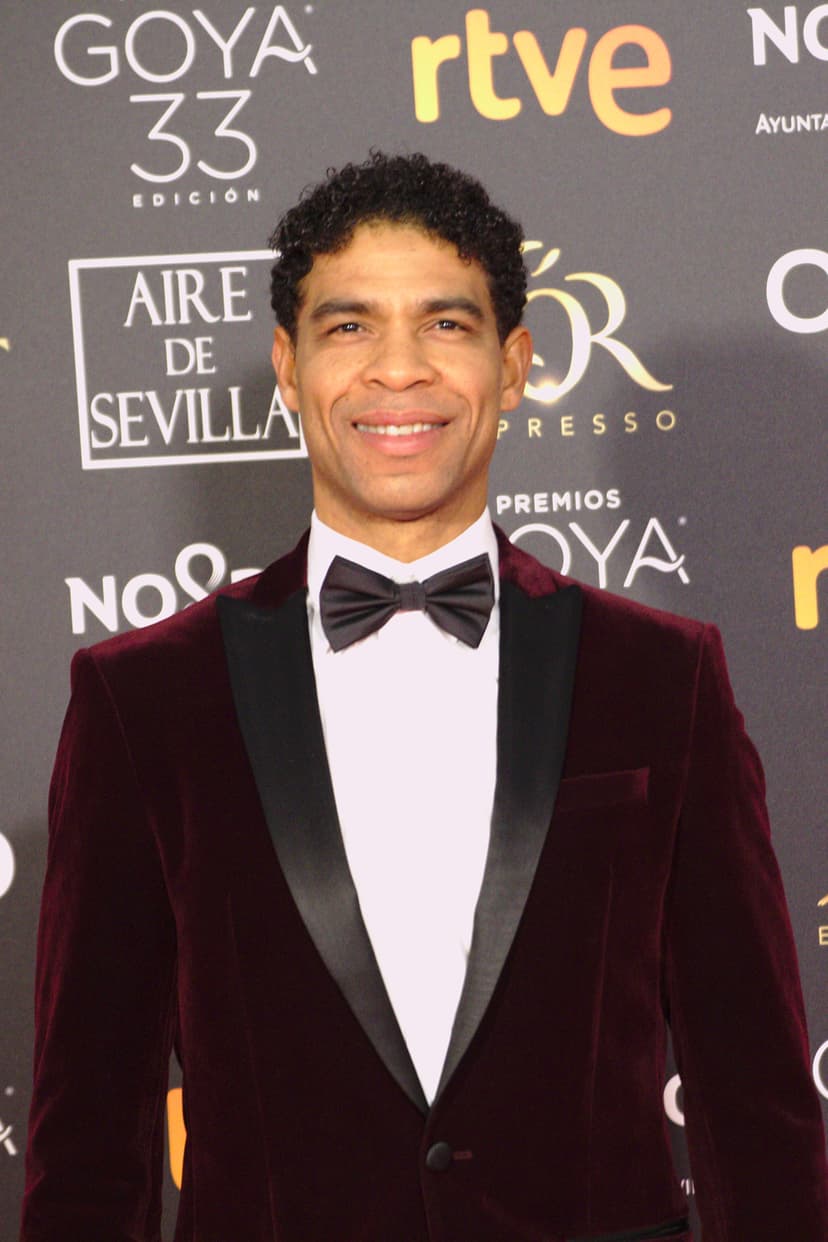
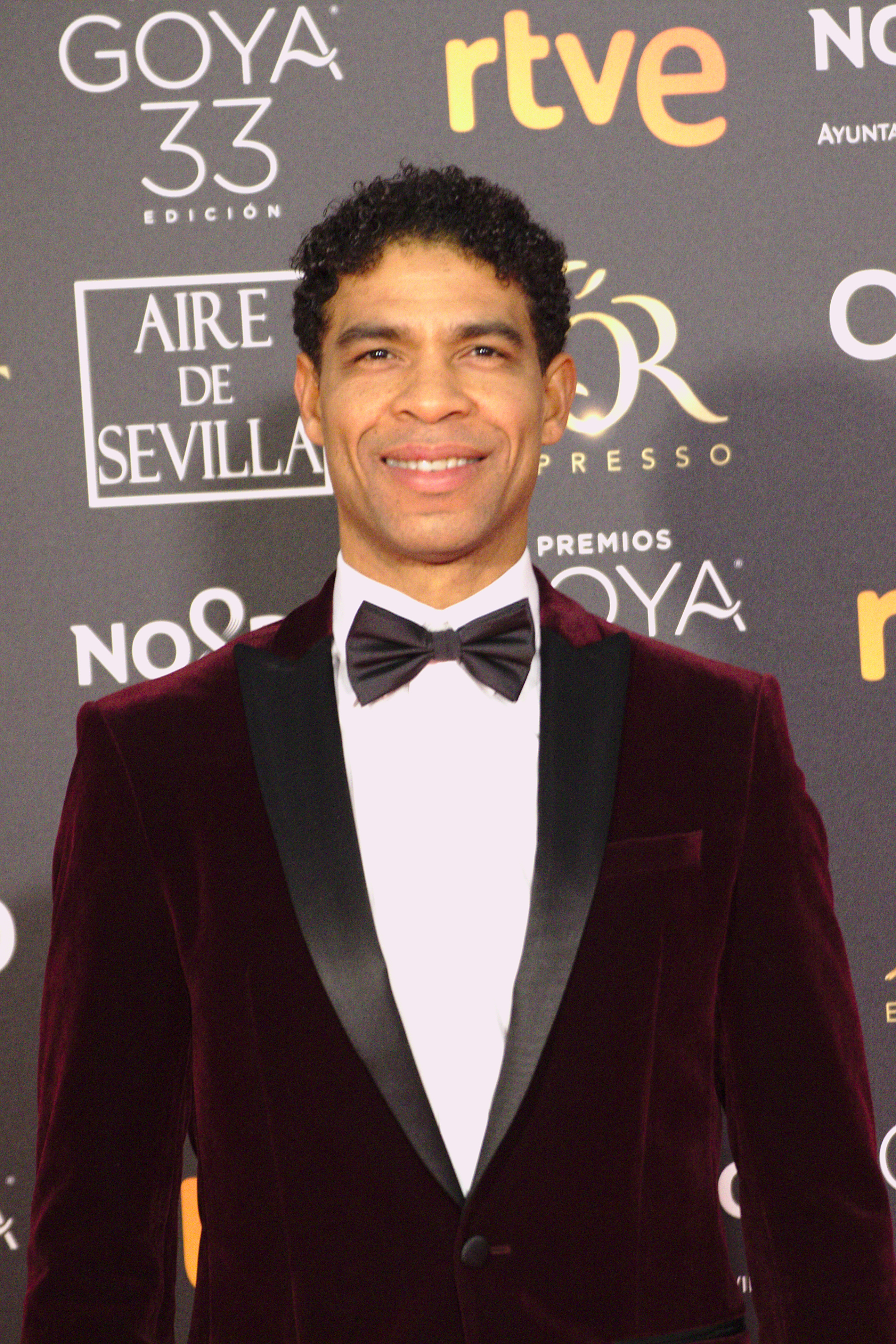
Carlos Acosta
Cuba's Ballet Gift to the World
Why They Matter
He brought Cuban training and charisma to the world stage, bridging the Cuban and British ballet traditions while inspiring young dancers from disadvantaged backgrounds.
Known For
Watch
Don Quixote - Act I finale (Royal Ballet and Opera)
Acosta's Basilio - the sunny theatrical command and bravura that defined one of his signature classical roles.
Giselle - Act II pas de deux (Royal Ballet and Opera)
The dramatic, romantic side of his range: line lengthened, gaze softened, partnering organized around the ballerina.
Carlos Acosta's Tocororo Suite from Cubania (Royal Ballet and Opera)
His Cuban-inflected program setting ballet beside Afro-Cuban, popular and contemporary movement.
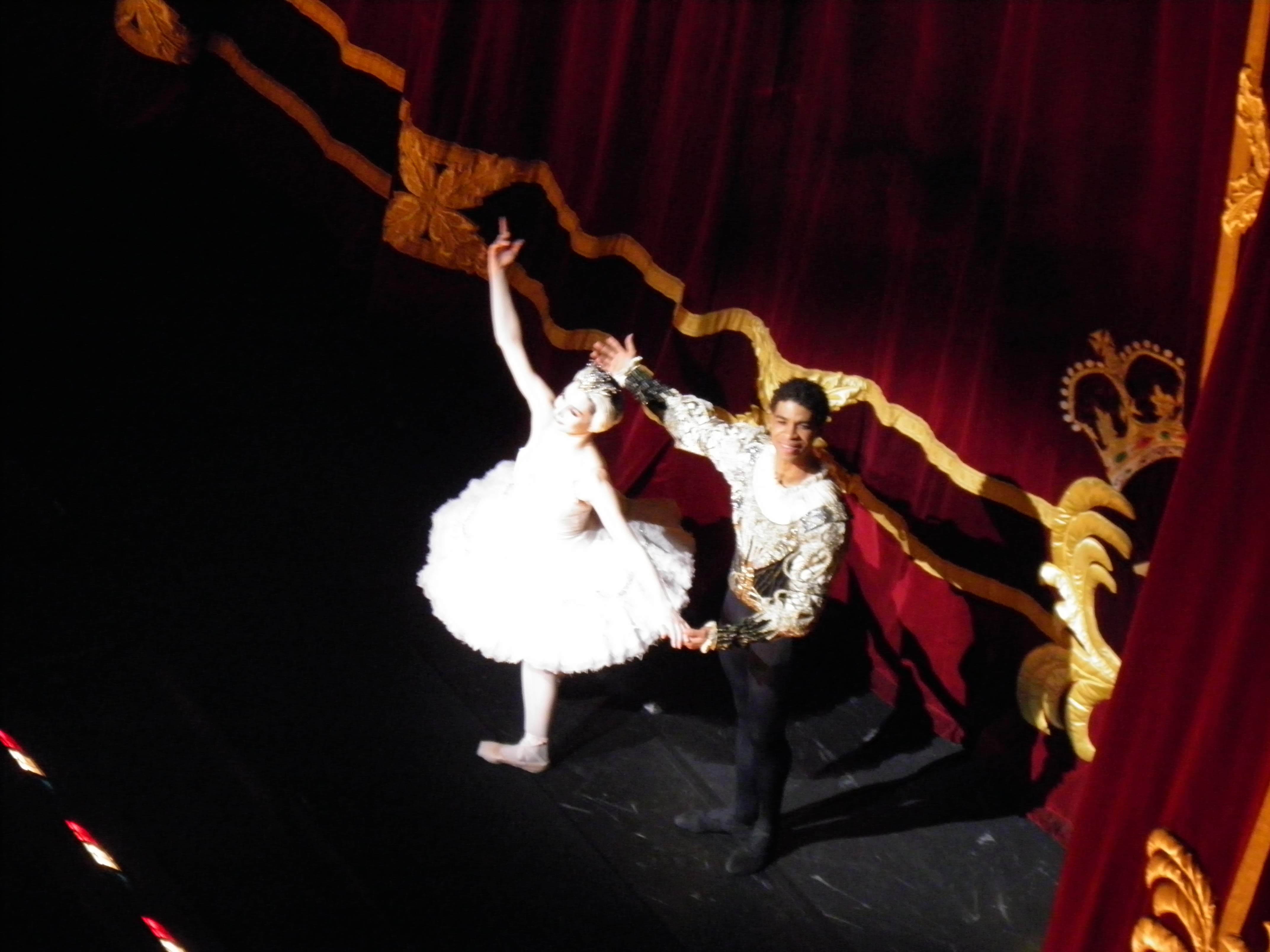
Carlos Acosta's final main stage curtain call (Royal Ballet and Opera)
His November 2015 Royal Ballet farewell - one of three distinct late-career milestones.
Carlos Acosta reflects on 17 years with The Royal Ballet
The dancer looking back on the institutional home of his mature performing career.
Carlos Acosta - Director, Birmingham Royal Ballet
On his current role leading Birmingham Royal Ballet and broadening the company's reach.
Carlos Acosta and Pieter Symonds dance Derrumbe in Cubanía
Royal Ballet and Opera
Documents Acosta in Miguel Altunaga's contemporary choreography and complicates a ballet-only account of his movement range.
Biography
Carlos Acosta was born in Havana on 2 June 1973, the youngest of eleven children in a family of very limited means. In his own account, his father sent an energetic, football- and breakdance-loving boy to Cuba's National Ballet School partly for discipline and opportunity rather than because Carlos already wanted a ballet career - but the school's state-supported training changed the direction of his life. He studied with teachers including Ramona de Saa, and the rigor of the Cuban system gave him a strong classical base without erasing the popular and social dances he knew outside the studio. The familiar 'reluctant dancer rescued from the streets' summary contains truth, but should not replace the longer story of family decisions, teachers, public education and Acosta's own sustained labor.
International recognition arrived before graduation: in 1990 he took the Gold Medal at the Prix de Lausanne and the Grand Prix at the Concours International de Danse de Paris, and he graduated from the National Ballet School in 1991 with its highest qualifications and a gold medal. Ivan Nagy invited him to English National Ballet for 1991-92, where his official biography describes him as the company's youngest-ever Principal at eighteen. After an injury returned him briefly to Cuba, Ben Stevenson recruited him as a Principal of Houston Ballet, where he danced from 1993 to 1998 - years that let him mature beyond the precocious competition winner into an artist who could carry full-length productions.
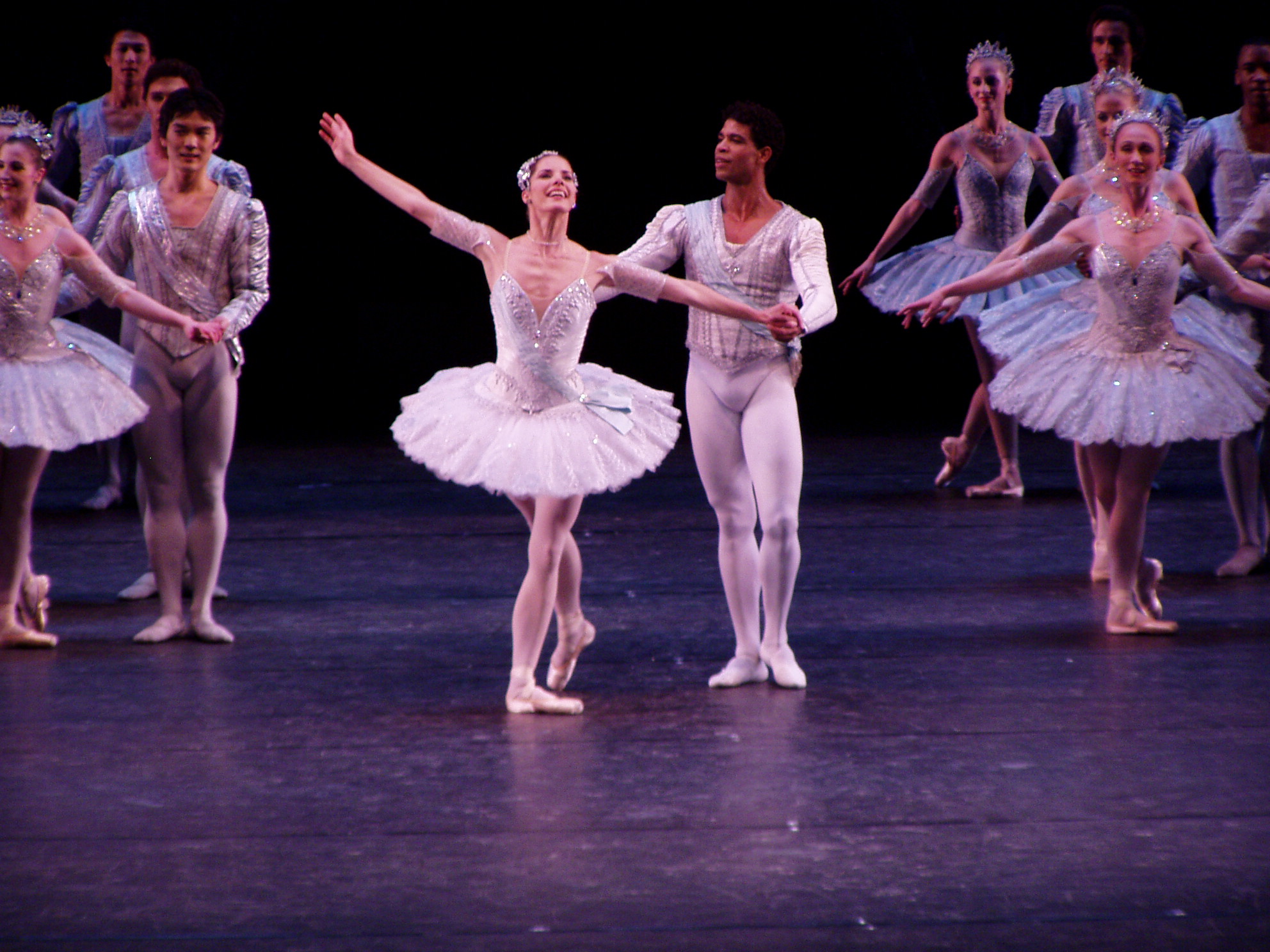
In 1998 Acosta joined The Royal Ballet under Anthony Dowell, and London became the institutional center of his career. His repertory ranged from bravura roles such as Basilio in Don Quixote and the Corsaire solo to romantic and dramatic parts including Albrecht in Giselle, Romeo, Des Grieux in Manon, Colas in La Fille mal gardee and the title role in Apollo. In 2003 his Royal Ballet title changed to Principal Guest Artist, giving him freedom to appear internationally with companies including American Ballet Theatre, Paris Opera Ballet and the Bolshoi. His performing identity was never a single classical type: he could project the sunny command of Basilio, the suspended grief of Albrecht, and the heroic force of Spartacus, whose 2007 Bolshoi performances brought him the Benois de la Danse.
Acosta increasingly turned guest-star freedom into curatorial agency. He used programs such as Tocororo: A Cuban Tale (premiered in Havana in 2003) to set ballet beside Cuban popular, Afro-Cuban and contemporary vocabularies, and Carlos Acosta and Friends of The Royal Ballet won the 2007 Olivier Award for Outstanding Achievement in Dance. Choreography and staging then became central: he created a full-length Don Quixote for The Royal Ballet in 2013 (after Marius Petipa), and later choreographed Carmen for the company, dancing in it during his November 2015 Royal Ballet farewell. Those milestones should be kept distinct - he left the Royal Ballet stage in 2015, ended his classical-ballet career with farewell performances at London's Royal Albert Hall in 2016, and continued to perform contemporary work afterward. He was appointed CBE in 2014 for services to ballet.
Acosta then invested in structures meant to outlast his own performing career. He formed the Havana-based Acosta Danza after leaving The Royal Ballet - its public activity is generally dated to 2016 - to bring classically and contemporarily trained Cuban dancers into a mixed repertory, and through the Carlos Acosta International Dance Foundation the Acosta Danza Academy opened in Havana in September 2017 with training offered free at the point of delivery. His autobiography No Way Home told his life in his own voice, and the 2018 film Yuli, directed by Iciar Bollain from a screenplay by Paul Laverty, reframed parts of that story through fiction, with Acosta playing his adult self.
In January 2020 Acosta became Director of Birmingham Royal Ballet, combining stewardship of the classical repertory with high-visibility experiments meant to broaden the company's reach - his Don Quixote, new commissions, Black Sabbath - The Ballet (2023), and the Acosta Danza project Nutcracker in Havana (2024). The Prix de Lausanne presented him its Lifetime Achievement Award in 2023, linking the mature director to the teenager whose 1990 medal helped launch his international career. By 2026 his significance lies as much in this movement between performer, maker, curator, teacher and institutional leader as in any single celebrated role.
Career Highlights
Won the Gold Medal at the Prix de Lausanne, a decisive international breakthrough. Prix de Lausanne
Graduated from Cuba's National Ballet School with its highest qualifications and a gold medal. UK Government
Danced with English National Ballet; his official biography identifies him as the company's youngest-ever Principal at eighteen. Carlos Acosta (official)
Joined Houston Ballet as a Principal, beginning a five-year period under Ben Stevenson. Carlos Acosta (official)
Joined The Royal Ballet, which became the principal institutional home of his mature performing career. Birmingham Royal Ballet
Became a Principal Guest Artist of The Royal Ballet and premiered the semi-autobiographical Tocororo in Havana. Carlos Acosta (official)
Won the Olivier Award for Outstanding Achievement in Dance, and the Benois de la Danse for Spartacus. Carlos Acosta (official)
Staged his full-length Don Quixote (after Marius Petipa) for The Royal Ballet. Birmingham Royal Ballet
Appointed Commander of the Order of the British Empire (CBE) for services to ballet. Birmingham Royal Ballet
Concluded his classical-ballet career at the Royal Albert Hall (after his 2015 Royal Ballet farewell) and launched the Havana-based Acosta Danza. Carlos Acosta (official)
Became Director of Birmingham Royal Ballet. Birmingham Royal Ballet
Received the Prix de Lausanne Lifetime Achievement Award. Prix de Lausanne
Carlos Acosta on screen
Films and television featuring Carlos Acosta, with the sequences we have indexed.
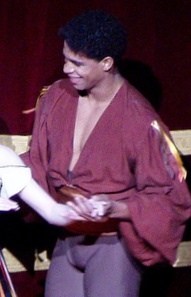
 Yuli (2018)5 sequences indexedYoung Carlos breakdancing in Havana · chor. María RoviraCuba National Ballet School training arc · chor. María RoviraPrix de Lausanne gold-medal variation (archival footage)
 First Position (2011)1 sequence indexedCarlos Acosta inspiration interlude · 00:47:42
Poster artwork from TMDB.
 This site uses TMDB and the TMDB APIs but is not endorsed, certified, or otherwise approved by TMDB.
Follow & Links
Legacy & Impact
Acosta matters because his career altered several kinds of expectation at once. He became an internationally recognizable Cuban male ballet star without letting that identity be reduced to exoticism or to a simple escape narrative, and his performances showed that explosive elevation, clean classical line, rhythmic ease, partnering and dramatic directness could coexist in one artist. His independent programs and later companies created routes between the Cuban ballet tradition, contemporary choreography, popular movement and major European institutions. As director and founder he has treated access not only as audience outreach but as training, employment, repertory and cultural authorship - so his legacy is both visible onstage and embedded in the organizations through which other dancers now work.


Explore More Legends
Discover the dancers, teachers, choreographers, and cultural icons who shaped how the world moves.
Keep the thread going
Dance history, technique, and the occasional rabbit hole — in your inbox. Thoughtful, infrequent, unsubscribe anytime.
Free. No spam. One click to leave.