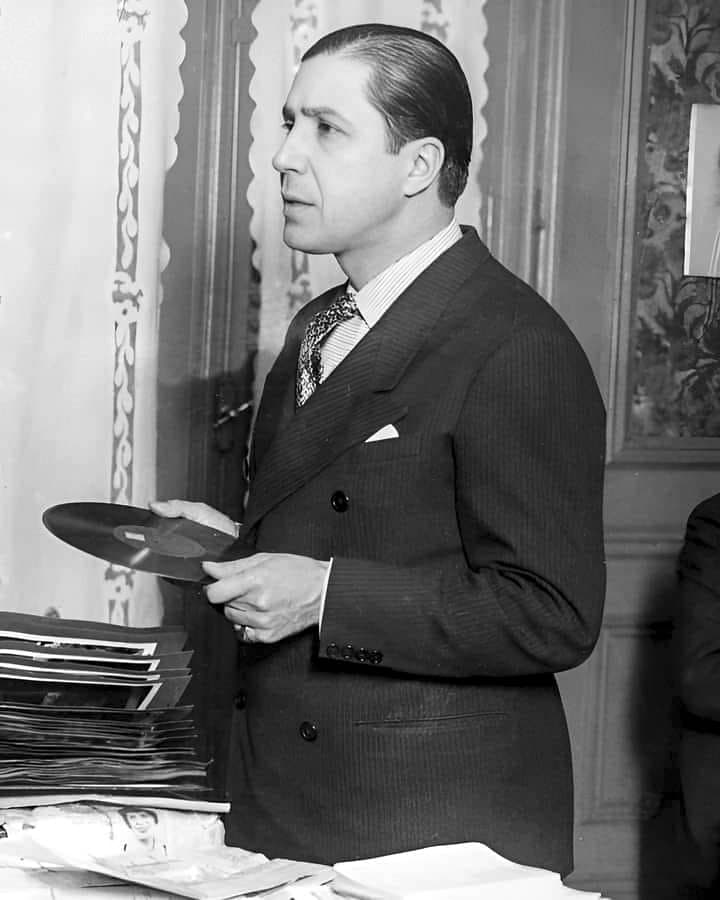
Performer · Innovator · Popularizer
Carlos Gardel
The King of Tango
“The day I die, the tango dies with me.”
Why They Matter
He gave tango its voice — literally — and his recordings became the emotional foundation that dancers and musicians worldwide still reference as the purest expression of the genre.
Known For
Styles Carlos Gardel shaped
Each one links to the style’s own page — its origins, music, tempo and video.
Watch
Volver (Video oficial)
Carlos Gardel official channel
Shows Gardel's screen presence and one of the central Gardel-Le Pera tangos
Mi Buenos Aires querido (Video oficial)
Carlos Gardel official channel
Connects city identity, film performance and tango song
El día que me quieras
Carlos Gardel official channel
Documents the late Gardel-Le Pera film-song synthesis
Mano a mano (Video Oficial)
Carlos Gardel official channel
Useful for hearing Gardel's narrative diction in an earlier canonical tango
Cuesta abajo (Video oficial)
Carlos Gardel official channel
Shows cinema as a vehicle for Gardel's tango phrasing
Arrabal amargo (official film clip)
Carlos Gardel official channel
Late Gardel-Le Pera work with direct screen evidence
Melodía de arrabal — Carlos Gardel
Combines neighborhood imagery with measured vocal phrasing.
Por una cabeza — Carlos Gardel
Frequently choreographed; LODance must distinguish Gardel's vocal master from later orchestral versions.
Biography
Carlos Gardel, born Charles Romuald Gardès on December 11, 1890, entered recorded history as a French-born singer who became inseparable from the sound of Buenos Aires. His mother, Berthe Gardès, brought him to the city while he was very young, and it was there—in cafés, theaters and working-class performance venues—that he formed himself as an artist. The question of his birthplace later became a cultural claim contested between France, Argentina and Uruguay; French civil and baptismal records support Toulouse, while a Uruguayan tradition places him in Tacuarembó and Gardel himself used Uruguayan identity documents. Both narratives reflect how powerfully different nations sought to possess him.
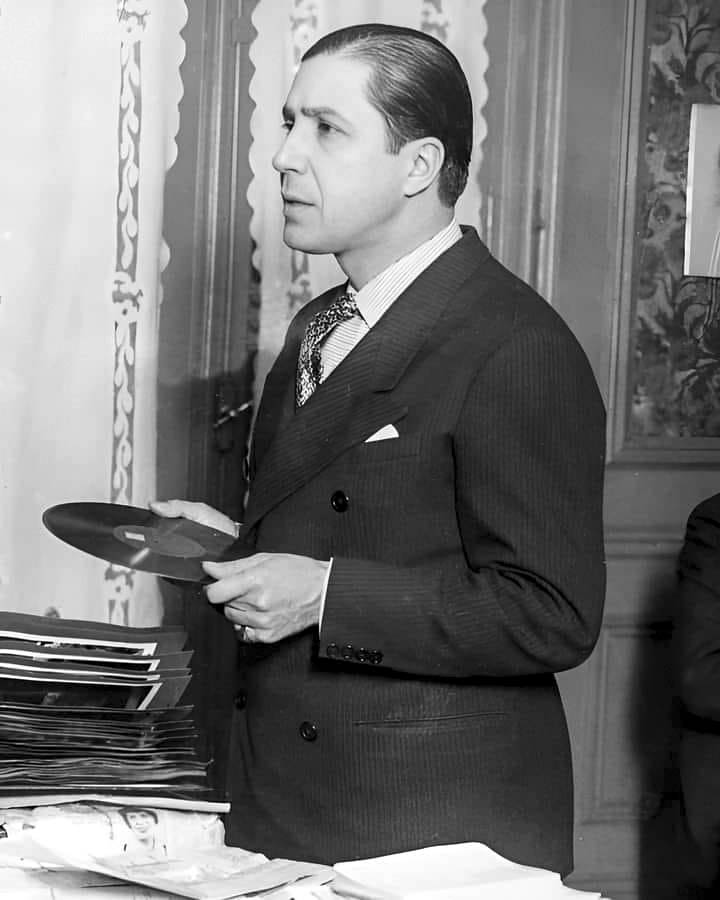
Gardel began not as a tango specialist but as a singer of canción criolla, vals, milonga and other popular forms of the Río de la Plata. His early partnership with José Razzano, accompanied by guitar, trained him in a particular craft: making a text intelligible while sustaining melodic line, treating words, breath, rubato and accompaniment as a single dramatic negotiation. This foundation mattered profoundly for what came next. In 1917, Gardel recorded "Mi noche triste," with lyrics by Pascual Contursi set to Samuel Castriota's melody "Lita." The recording established a model of narrative intimacy that proved lyrics could be joined persuasively to tango and that records could circulate across borders. Earlier sung tango existed, and many composers and lyricists contributed to the form, but Gardel's interpretation gave tango canción a compelling recorded voice that other singers and dancers would measure themselves against for decades.
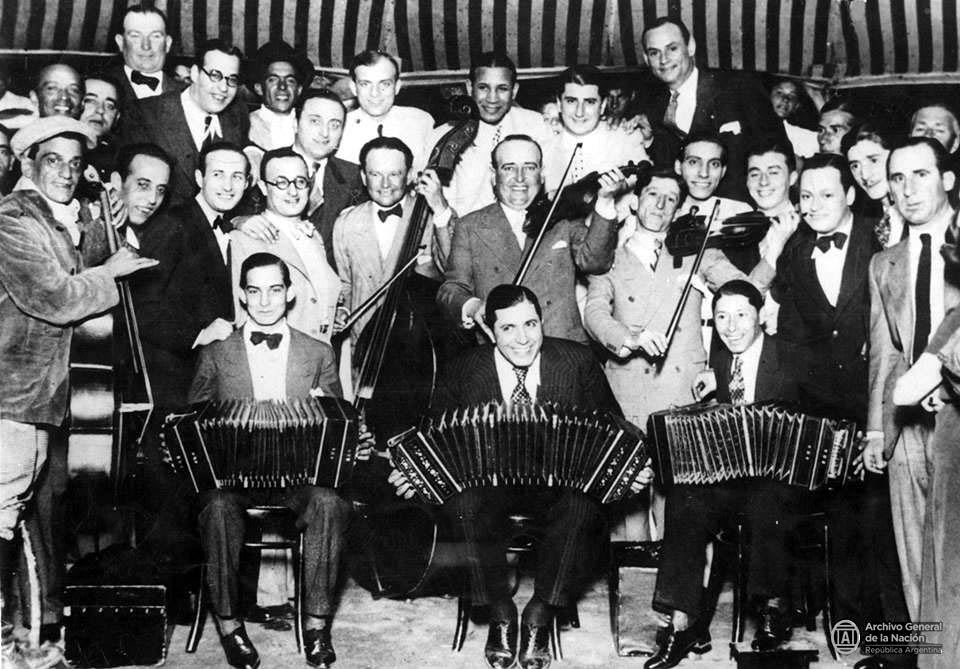
By the 1920s, Gardel had become a recording and touring star whose repertory included works that remain central to social dance: "Mano a mano," "Caminito," "A media luz," "Adiós muchachos" and "La cumparsita." Yet his catalogue was broader than tango alone. Valses, folk-derived songs, French songs and foxtrots—including "Rubias de New York"—demonstrate the cosmopolitan range of his artistry. A single Gardel title could exist in multiple forms: guitar-backed versions breathed differently from orchestral arrangements, while film performances prioritized close-up acting and narrative timing over continuous dance energy. This variation matters for dancers seeking to use his recordings; no recording should be chosen by title alone.
Gardel's international expansion accelerated through European tours, radio broadcasts and sound cinema. By the early 1930s, his carefully controlled face, posture and diction found new reach in film. Paramount produced *Cuesta abajo*, *El tango en Broadway*, *Tango Bar* and *El día que me quieras*. His collaboration with lyricist Alfredo Le Pera generated a concentrated late repertory—"Volver," "Mi Buenos Aires querido," "Por una cabeza," "Sus ojos se cerraron," "Arrabal amargo"—that joined memorable melodies to film narratives and modern stardom. These works must credit Le Pera and his other collaborators explicitly; Gardel's fame should not erase the lyricists, guitarists, arrangers, directors and fellow performers who shaped each piece.
Radio also placed Gardel within a technologically modern Americas. His NBC broadcasts demonstrate his participation in a transnational media system rather than a purely local folk practice. Clear diction, dynamic control and compact dramatic arcs suited microphones and records; his screen presence allowed viewers to read tiny changes of gaze, jaw and hand. For dancers, these media preserved not choreography but a way of hearing emotional time—the singer might delay a word, compress a phrase or release a cadence in ways that invite suspension, gathering and renewed travel through space.
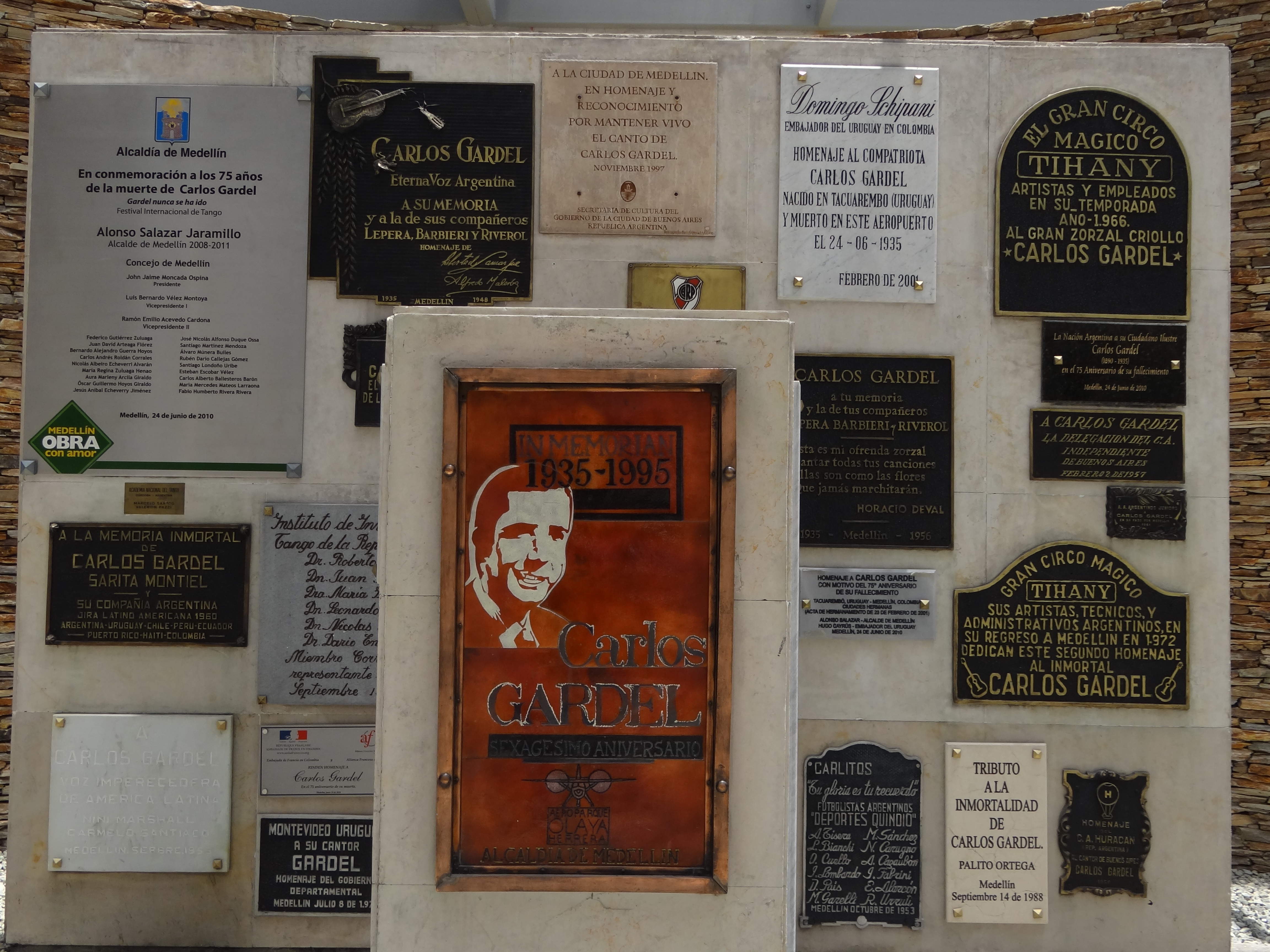
On June 24, 1935, two aircraft collided during takeoff at Medellín's Olaya Herrera airfield. Gardel died in the crash, along with Alfredo Le Pera and other members of his touring party. His funeral journey and burial at La Chacarita in Buenos Aires transformed celebrity into civic ritual. The UNESCO Memory of the World register preserves the Horacio Loriente collection of original records, documenting hundreds of recordings spanning 1913 to 1935 through different matrices, takes and countries of issue. That archive's scale and variation mean any dance recommendation must identify an exact master rather than relying on a title alone.
Career Highlights
Began establishing himself in Buenos Aires popular-song circuits and made his earliest commercial recordings during the period covered by UNESCO’s Gardel collection. UNESCO UNESCO
Recorded “Mi noche triste,” the landmark performance that helped establish tango canción as a major recorded form. Library of Congress Library of Congress
Became an Argentine citizen; identity documents from this era are central to the later birthplace controversy. Carlos Gardel biographical orientation Carlos Gardel biographical orientation
José Razzano withdrew from regular performance, and Gardel’s solo recording and touring career accelerated. UNESCO collection context UNESCO collection context
Achieved major success in Paris, advancing tango’s international visibility. UNESCO collection context UNESCO collection context
Expanded his sound-film career in France, joining records and cinema in the construction of an international tango star. Library of Congress Library of Congress
Left Buenos Aires for the final phase of his international career; his NBC-era work and New York recordings followed. Library of Congress Library of Congress
Appeared in Cuesta abajo and El tango en Broadway and recorded late classics including “Volver” and “Mi Buenos Aires querido.” Library of Congress Library of Congress
Appeared in El día que me quieras and Tango Bar, with “Por una cabeza,” “El día que me quieras” and other Gardel–Le Pera works reaching the screen and record catalogue. Library of Congress Library of Congress
Died with Alfredo Le Pera and members of the touring party in the Medellín aviation disaster on June 24. El País El País
The Horacio Loriente collection of original Gardel records was inscribed on UNESCO’s Memory of the World International Register. UNESCO UNESCO
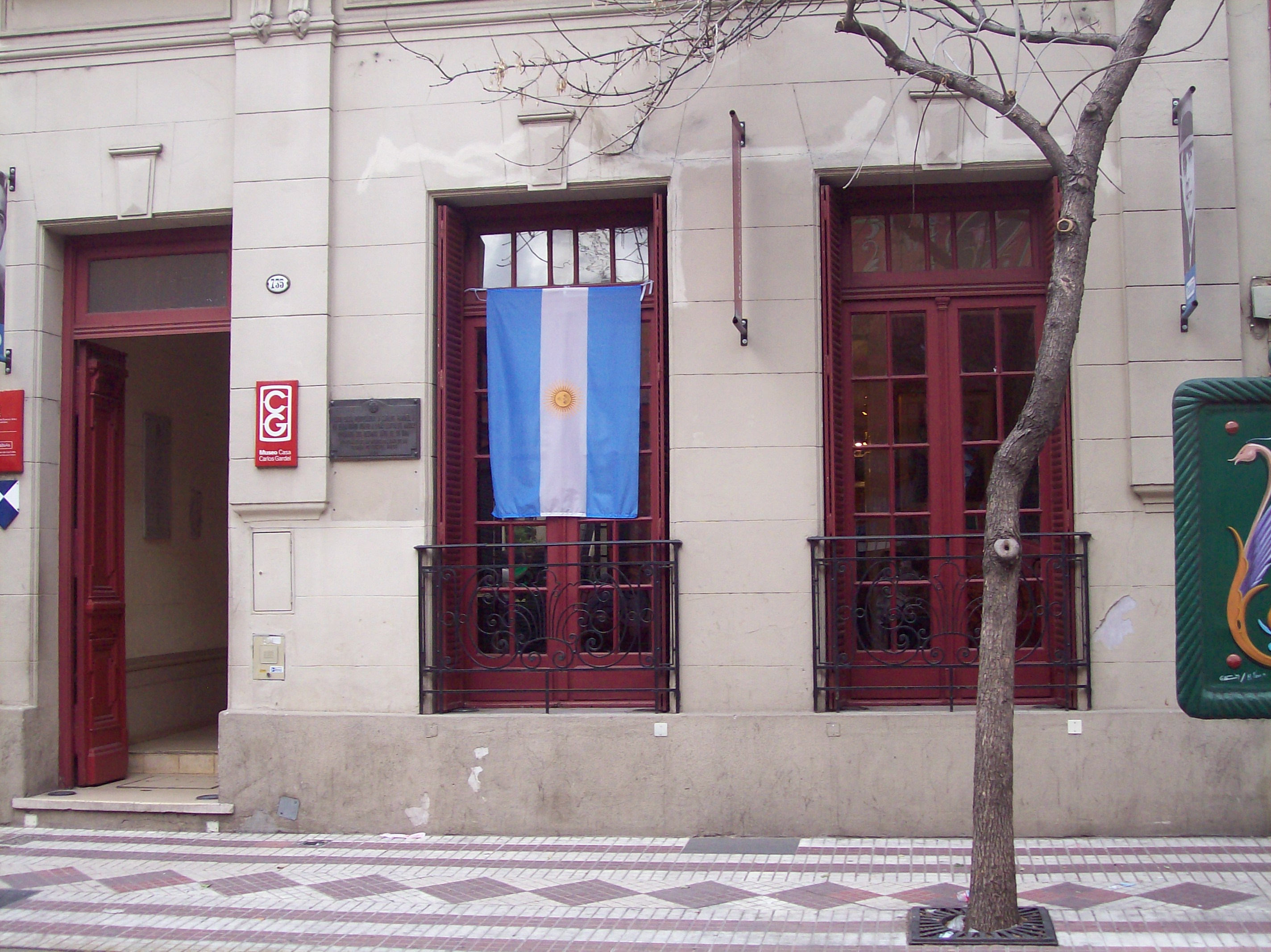
The Museo Casa Carlos Gardel opened to the public in the Buenos Aires house Gardel had bought for his mother. Buenos Aires tourism authority Buenos Aires tourism authority
Gallery
Legacy & Impact
Gardel matters to dancers because he made the sung tango feel inseparable from dramatic timing. His records gave dancers and musicians a shared vocabulary of anticipation, restraint, nostalgia and release, while his international tours, radio work and films carried Río de la Plata tango far beyond its original neighborhoods. He did not create tango alone, and his guitar-backed singing is only one strand of tango history, but his phrasing became a reference point against which later singers and dancers measured emotional clarity. The durability of "Volver," "Mi Buenos Aires querido," "Por una cabeza" and "El día que me quieras" demonstrates how tango moved between social dance, popular song, cinema and national mythology without being reducible to any single category.


Explore More Legends
Discover the dancers, teachers, choreographers, and cultural icons who shaped how the world moves.
Keep the thread going
Dance history, technique, and the occasional rabbit hole — in your inbox. Thoughtful, infrequent, unsubscribe anytime.
Free. No spam. One click to leave.