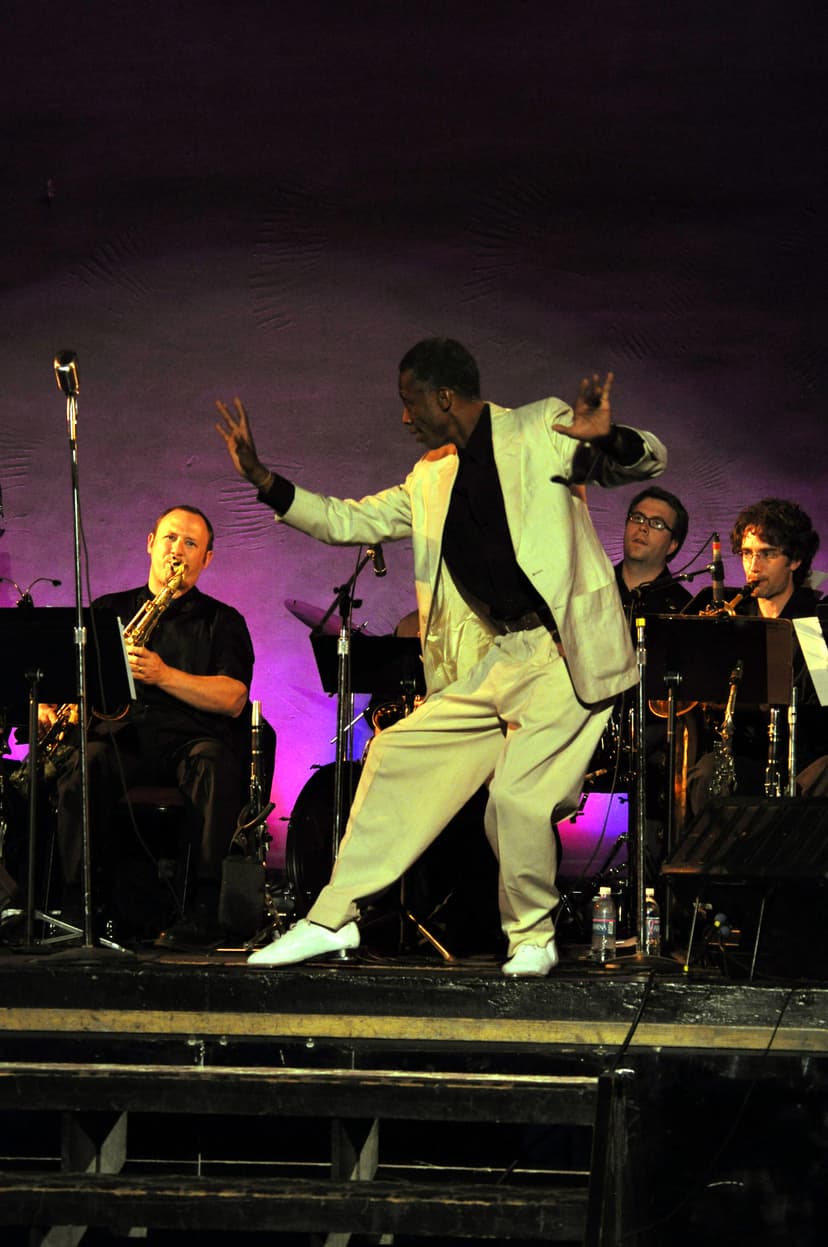
Chester Whitmore
Legend of Dance
Why They Matter
Whitmore matters because he treats vernacular jazz dance as a living network of movement, music, memory and community. His mentorship under Fayard Nicholas gave him direct access to a foundational tap lineage; his work with later swing elders and contemporary students helped carry that lineage into…
Watch
2022 Golden Star Inductee Video for Chester Whitmore
California Swing Dance Hall of Fame
An official hall-of-fame profile documents the 2022 honor and preserves Whitmore's performance persona.
CBS2 Celebrates Black History Month: Chester Whitmore
CBS Los Angeles
A local-news profile situates Whitmore as a South Los Angeles dance historian and multidisciplinary artist.
RTSF 2025 History Talk With Chester Whitmore
Rock That Swing Festival
Whitmore's own testimony provides context for lineage and transmission.
Biography
Chester Whitmore is a tap dancer, jazz dancer, choreographer, bandleader, filmmaker and historian who has connected African American vernacular dance across generations since the 1970s. Born in Los Angeles in 1955, Whitmore initially studied cinematography before an encounter with Fayard Nicholas of the Nicholas Brothers in 1974 redirected his path. Nicholas became his mentor and teacher, opening Whitmore to tap and the broader swing tradition.
Whitmore's practice has never separated dance from music. He became a drummer and bandleader alongside his work as a performer, developing a teaching approach in which steps are treated as audible phrases and social jazz is understood through its relationship to live music. His career expanded across stage, screen, music video, stunt work and choreography, with documented collaborations spanning multiple decades and genres.
As importantly, Whitmore became a vital link between generations of African American vernacular dancers. He performed and taught alongside elder Lindy Hoppers and tap artists including Jeni LeGon, Norma Miller, Dawn Hampton and Chazz Young, carrying their histories into classes, demonstrations and filmed conversations. His 2014 performance of "Chester Madness" at the Frankie 100 celebration at the Apollo Theater and his 2009 appearance at Masters of Lindy Hop and Tap at Seattle's Century Ballroom positioned him as both practitioner and witness to living tradition.
In 2022, the California Swing Dance Hall of Fame named Whitmore a Golden Star for Lindy Hop. He continued touring internationally as a teacher and guest of honor through 2025 and 2026, offering both performance and historical testimony at festivals including Rock That Swing in Munich. These appearances show that his contribution remains embodied, social and actively transmitted rather than archival alone.
Career Highlights
Began dancing after meeting Fayard Nicholas, who became his mentor. Tap Fest Cali Tap Fest Cali
Established a professional practice spanning tap, jazz, choreography, music and entertainment; exact individual production credits require title-level verification. California Swing Dance Hall of Fame California Swing Dance Hall of Fame
Choreographed for music-video and screen projects while continuing to perform and teach internationally. California Swing Dance Hall of Fame California Swing Dance Hall of Fame
Appeared at Masters of Lindy Hop and Tap at Seattle's Century Ballroom with major swing and tap elders. Wikimedia Commons Wikimedia Commons
Performed “Chester Madness” at the Frankie 100 celebration at the Apollo Theater; a hall-of-fame video preserves the routine. California Swing Dance Hall of Fame California Swing Dance Hall of Fame
Inducted as a Golden Star for Lindy Hop by the California Swing Dance Hall of Fame. California Swing Dance Hall of Fame California Swing Dance Hall of Fame
Gave a public history talk and performed at Rock That Swing Festival in Munich. Rock That Swing Festival Rock That Swing Festival
Returned to Rock That Swing as a featured “Living Legend” guest. Rock That Swing Rock That Swing
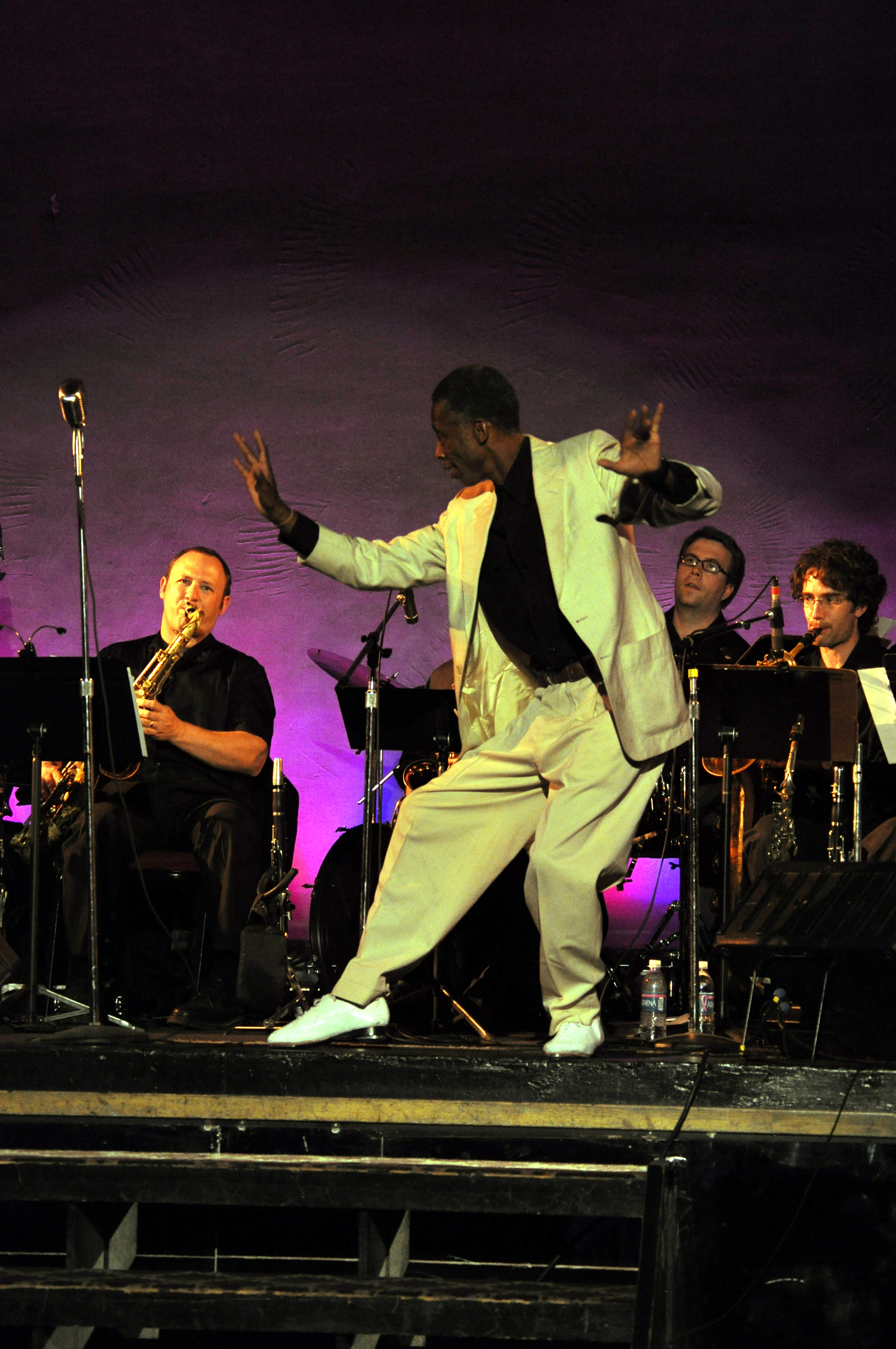
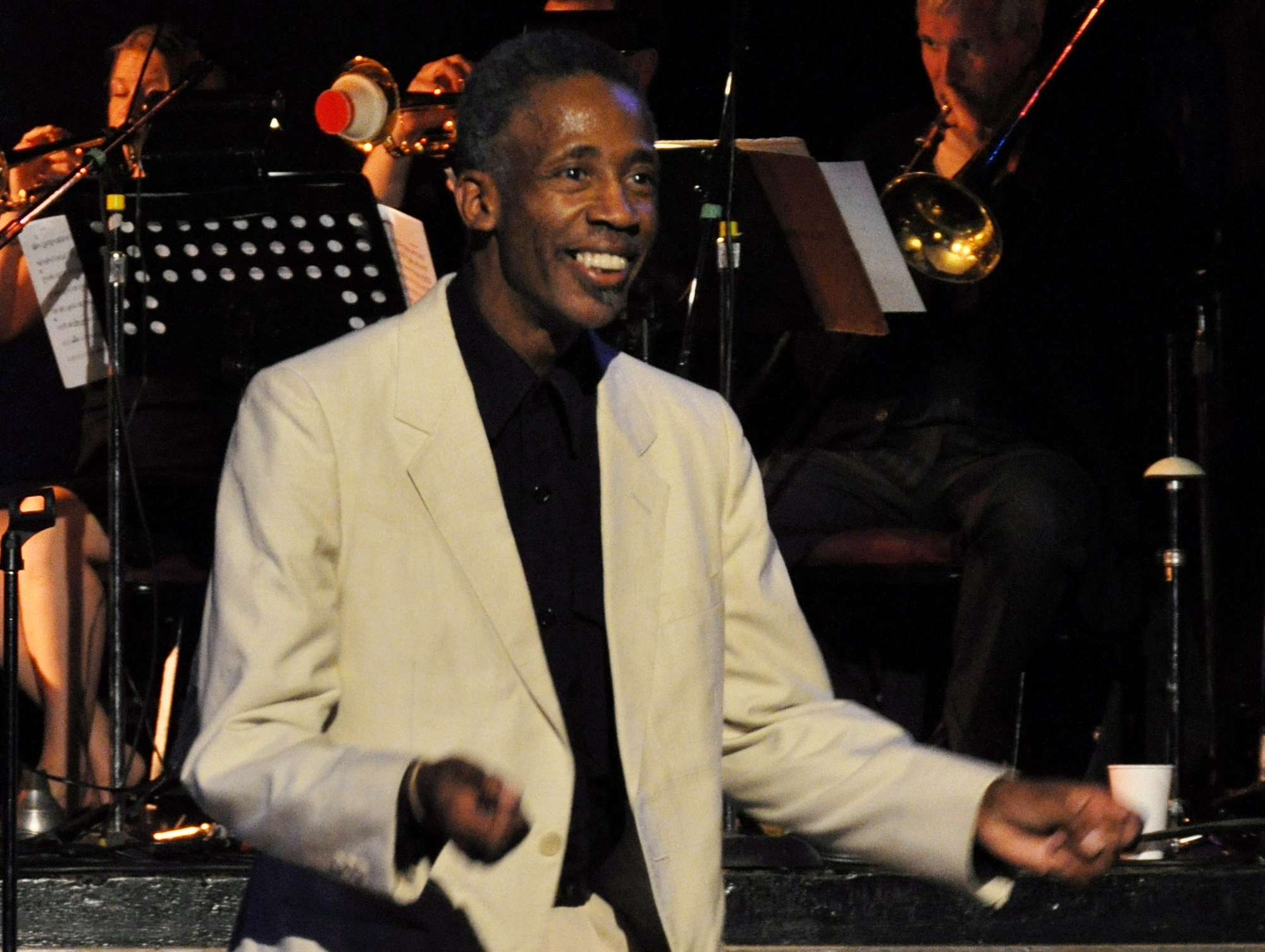
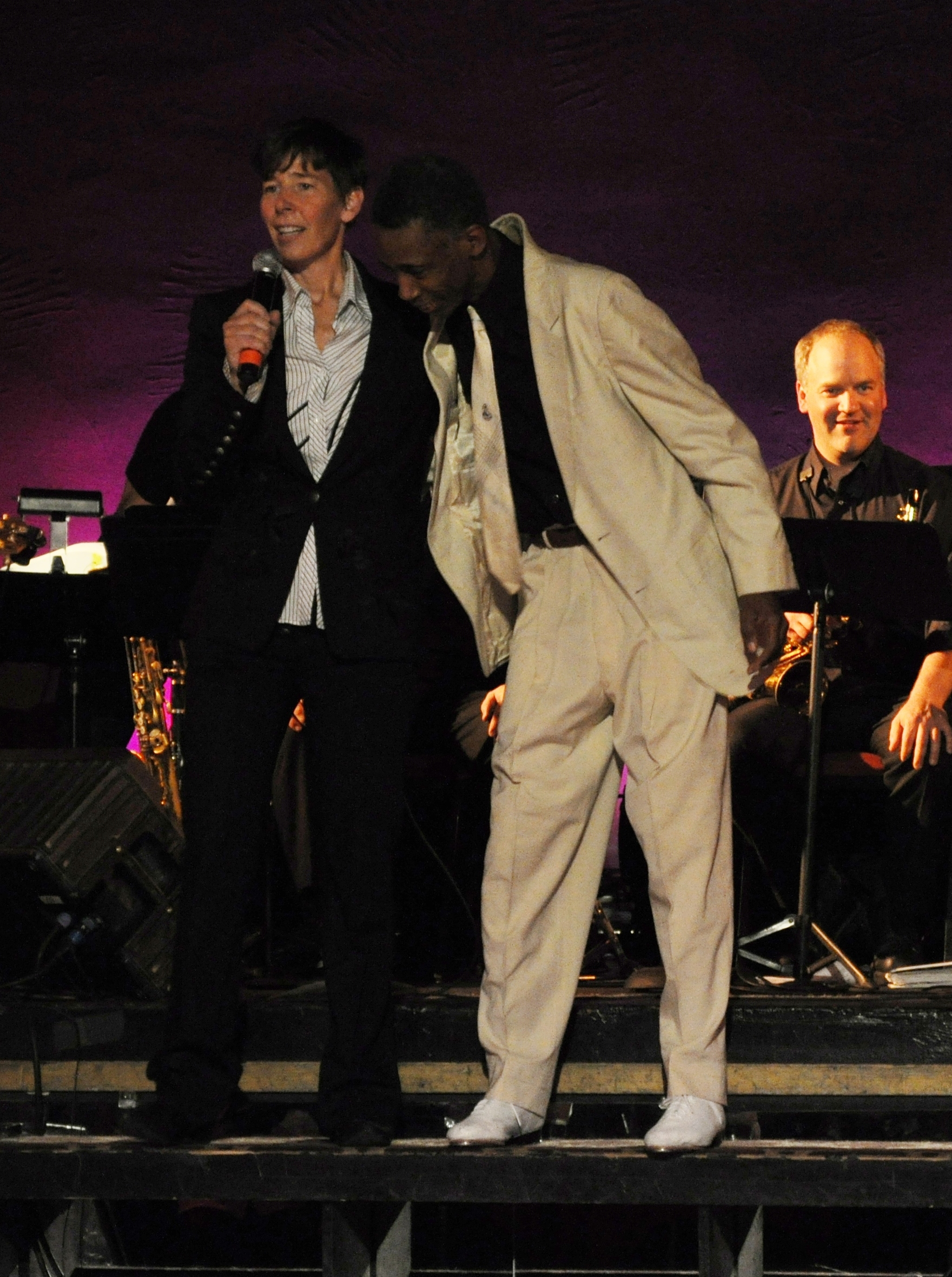
Gallery
Legacy & Impact
Whitmore matters because he treats vernacular jazz dance as a living network of movement, music, memory and community. His mentorship under Fayard Nicholas gave him direct access to a foundational tap lineage; his work with swing elders and contemporary students carried that lineage into revived Lindy Hop scenes worldwide. As a dancer, drummer, teacher and historian, he demonstrates that preservation is not the freezing of steps but their informed reactivation in sound, partnership and improvisation.


Explore More Legends
Discover the dancers, teachers, choreographers, and cultural icons who shaped how the world moves.
Keep the thread going
Dance history, technique, and the occasional rabbit hole — in your inbox. Thoughtful, infrequent, unsubscribe anytime.
Free. No spam. One click to leave.