Performer · Film / Screen Icon
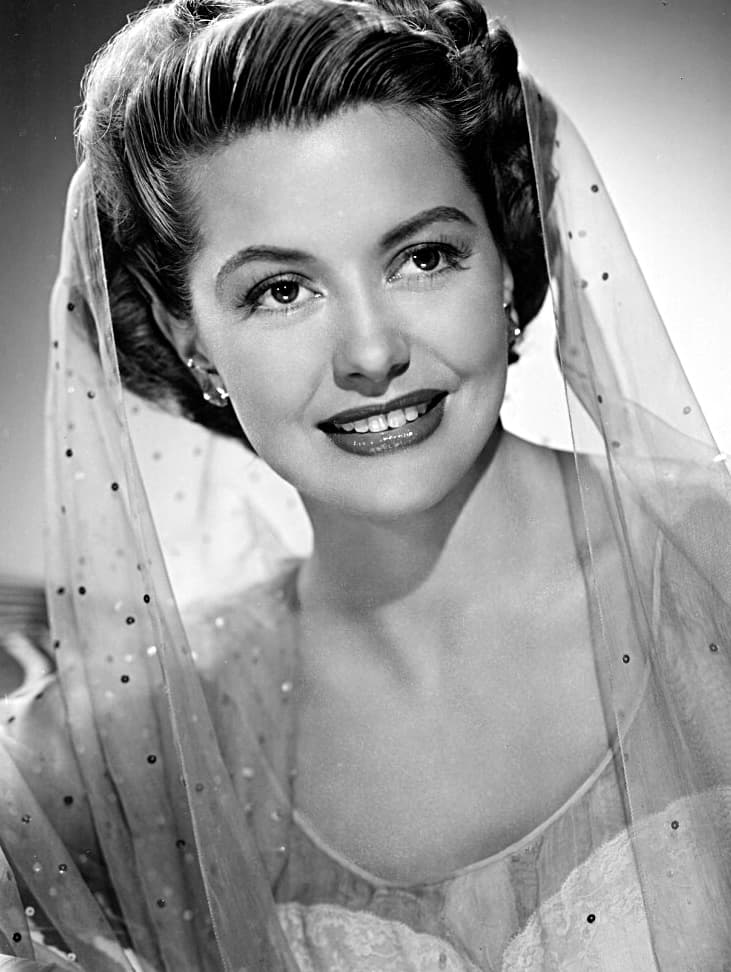
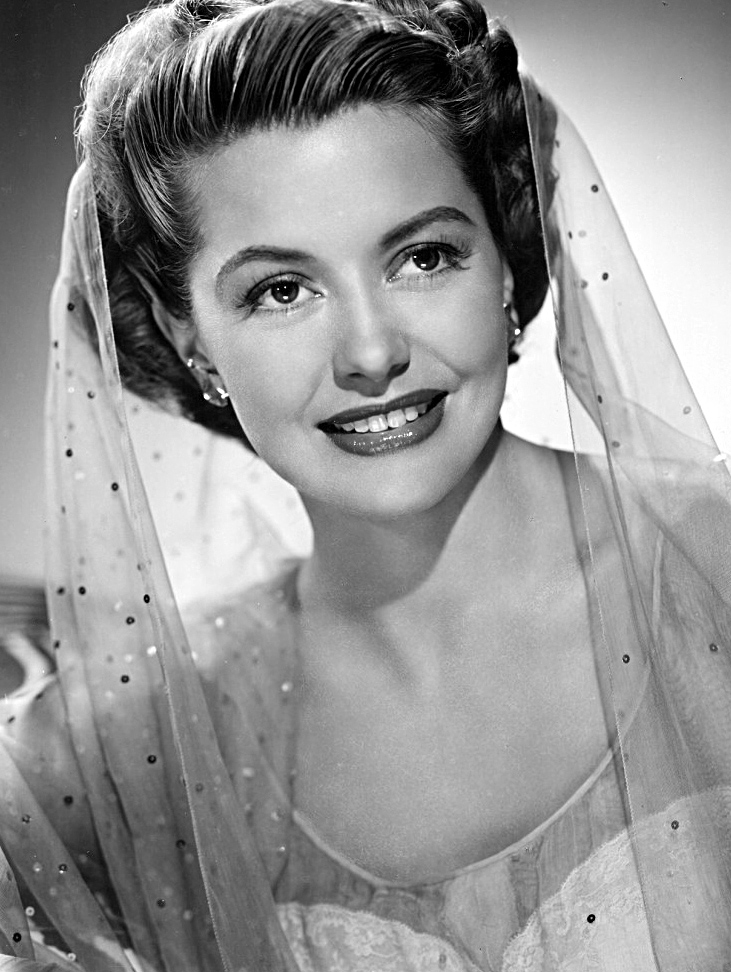
Cyd Charisse
Hollywood's Longest Legs
Why They Matter
She brought balletic grace and sensuality to film dance, proving that classical training could enhance popular entertainment.
Biography
Cyd Charisse was born Tula Ellice Finklea in Amarillo, Texas, on March 8, 1922. She began dancing as a child after illness left her needing strength and rehabilitation, and ballet quickly became central to her life. Her family supported serious training, including study in Los Angeles with Adolph Bolm and Bronislava Nijinska, and in her early teens she entered the touring Ballet Russe world, performing under Russian-style stage names. That classical apprenticeship gave her line, ensemble discipline and an unusually mature command of theatrical space before Hollywood found her.
While touring in Europe she married the dancer and teacher Nico Charisse in 1939. Wartime disruption returned her to the United States, where she danced in shorts and entered feature films under the name Lily Norwood, appearing in Something to Shout About and Mission to Moscow in 1943. The choreographer Robert Alton noticed her and helped connect her with Arthur Freed's unit at Metro-Goldwyn-Mayer, which refined the family nickname Sid into the screen name Cyd and built her up through featured dancing and acting roles, including the ballerina in the Beauty section of Ziegfeld Follies and parts in The Harvey Girls, Fiesta and Words and Music.
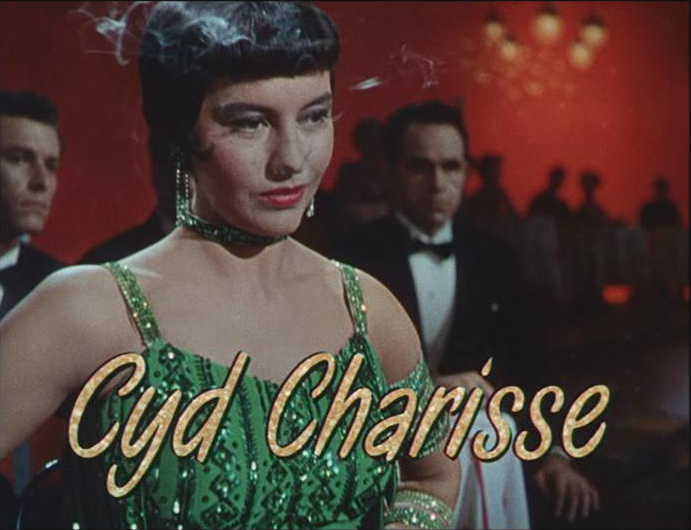
Her decisive breakthrough came without a line of dialogue in Singin' in the Rain in 1952. In Gene Kelly's extended Broadway Ballet she appears first as a green-clad, sharply angled femme fatale and then as an ethereal partner whose long white scarf turns air and fabric into part of the duet - a passage Kelly choreographed, with airplane motors supplying the wind, that took roughly a month of rehearsal and two weeks of filming. The role is brief, but it proved she could build a character through posture, timing, gaze and line, and the film entered the inaugural class of the National Film Registry in 1989.
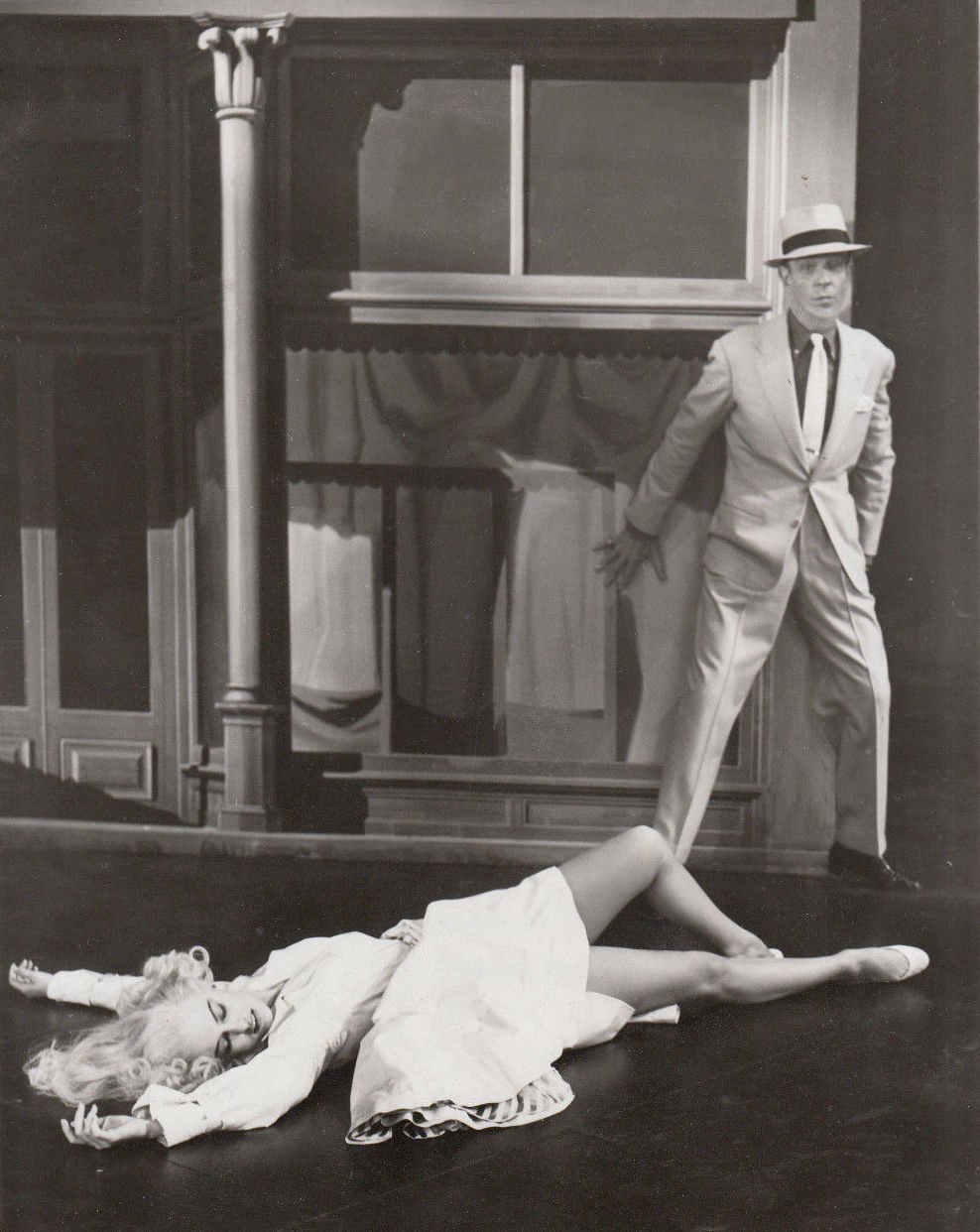
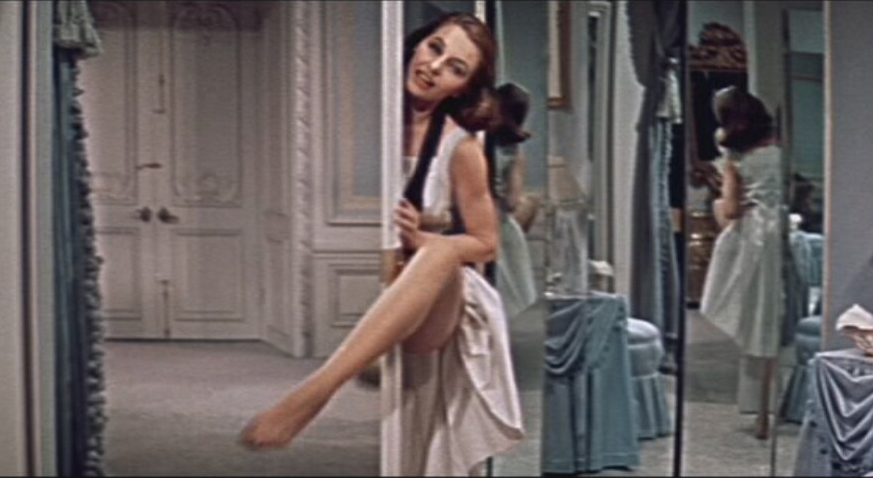
In The Band Wagon in 1953 she became Fred Astaire's leading partner in a role built around the meeting of ballet and popular entertainment, with dances staged by Michael Kidd; Dancing in the Dark lets attraction emerge through walking, gliding turns and understated partnering, while The Girl Hunt Ballet recasts her as both an elusive blonde and a dangerous nightclub figure. She reunited with Kelly for Brigadoon in 1954 and It's Always Fair Weather in 1955, and returned to Astaire in Silk Stockings in 1957 as Ninotchka, moving between ideological stiffness and physical release. Her authorship was embodied performance, developed with credited choreographers, partners, musicians and camera crews - AFI credits Hermes Pan and Eugene Loring with the Silk Stockings dances and identifies singing voice doubles for several of her numbers.
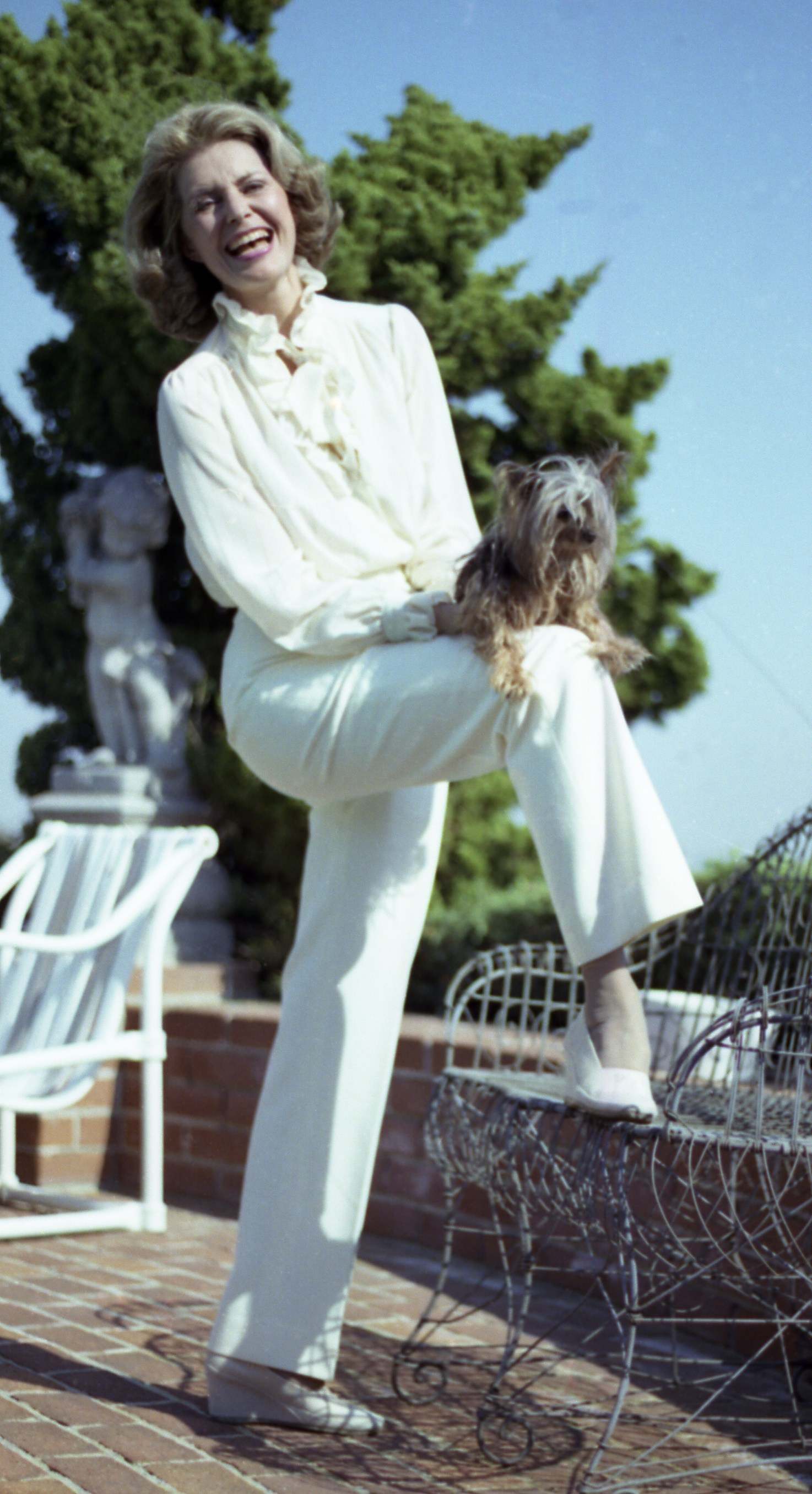
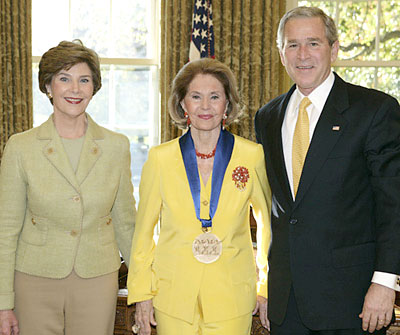
As the large studio musical declined, Charisse continued in dramatic films, television, touring theatre and a nightclub act with her second husband, the singer Tony Martin, whom she married in 1948. At the age of 69 she made her Broadway debut as a replacement Elizaveta Grushinskaya in Grand Hotel, performing from the end of 1991 into the production's 1992 close. In 2006 she received the National Medal of Arts, and she died in Los Angeles in 2008. Her surviving films remain indispensable for studying ballet's translation into the Hollywood musical, partnered storytelling and the visual grammar of widescreen dance.
Career Highlights
Billed as Lily Norwood, appeared in Something to Shout About and as a specialty dancer in Mission to Moscow. AFI Catalog
Danced the ballerina in the Beauty number of MGM's Ziegfeld Follies. AFI Catalog
Her two-part appearance opposite Gene Kelly in the Broadway Ballet of Singin' in the Rain established her as a major screen-dance presence. TCM
Starred opposite Fred Astaire in The Band Wagon, including Dancing in the Dark and The Girl Hunt Ballet, staged by Michael Kidd. AFI Catalog
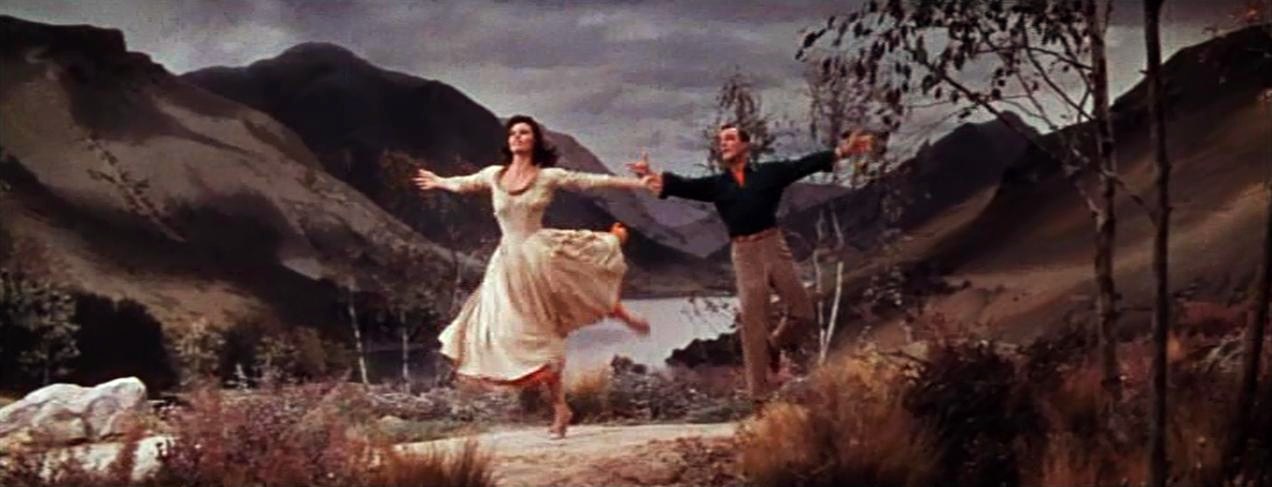
Played Fiona Campbell opposite Gene Kelly in Brigadoon, directed by Vincente Minnelli. AFI Catalog
Performed Baby, You Knock Me Out in It's Always Fair Weather, directed by Gene Kelly and Stanley Donen. AFI Catalog
Starred with Fred Astaire as Ninotchka in Silk Stockings, with dances credited to Hermes Pan and Eugene Loring. AFI Catalog
Singin' in the Rain entered the inaugural class of the National Film Registry. Library of Congress
Made her Broadway debut as a replacement Elizaveta Grushinskaya in Grand Hotel. IBDB
Received the National Medal of Arts. National Endowment for the Arts
Gallery
Legacy & Impact
Cyd Charisse matters because she made dance legible as cinematic character. Classical training supplied line, balance and amplitude, but her artistry lay in adapting those tools to the camera: a delayed glance, a weighted walk, a sudden extension or a shift from cool containment to rhythmic attack could establish an entire role. Her finest work also shows that screen dance is collaborative - Michael Kidd, Gene Kelly, Stanley Donen, Hermes Pan, Eugene Loring, Vincente Minnelli, Fred Astaire, designers and cinematographers built the worlds she inhabited, and Charisse gave those worlds their physical intelligence. Her surviving films remain indispensable for studying ballet's translation into the Hollywood musical and the visual grammar of widescreen partnered dance.


Explore More Legends
Discover the dancers, teachers, choreographers, and cultural icons who shaped how the world moves.
Keep the thread going
Dance history, technique, and the occasional rabbit hole — in your inbox. Thoughtful, infrequent, unsubscribe anytime.
Free. No spam. One click to leave.