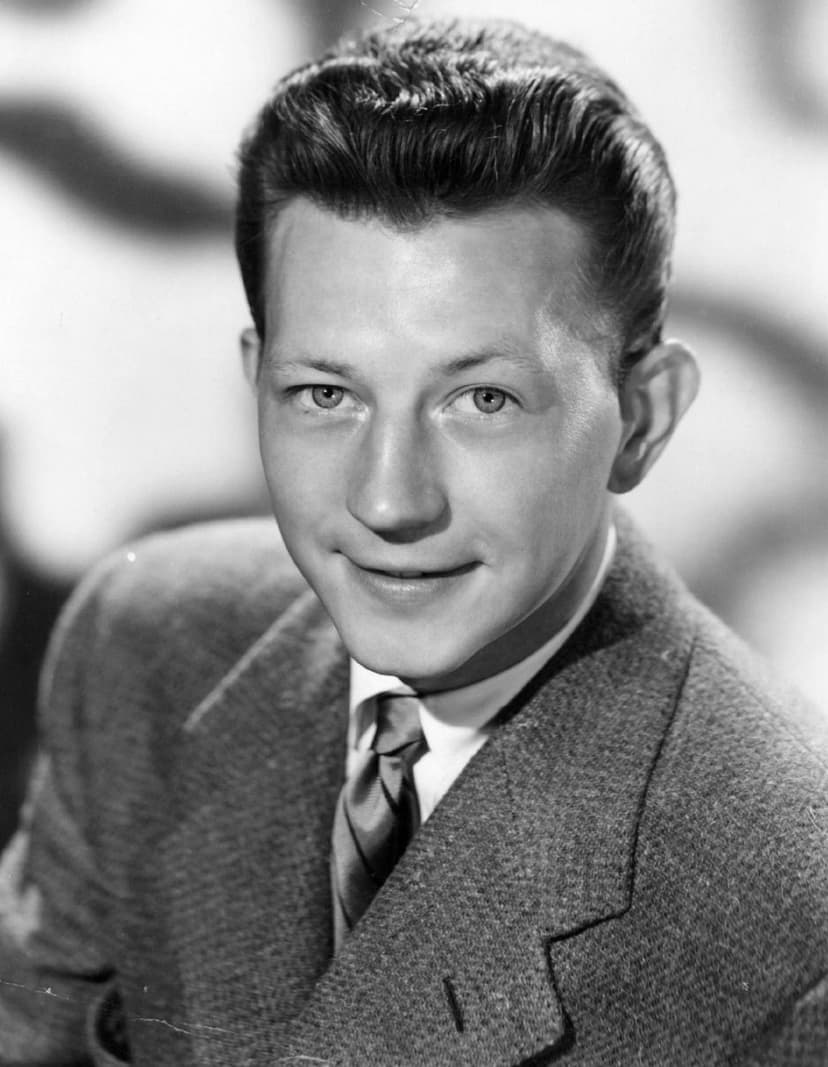
Donald Oconnor
Legend of Dance
Why They Matter
Donald O’Connor expanded the expressive possibilities of the male screen-musical dancer by treating virtuosity as comedy and comedy as choreography. His best work does not pause the story for a display of tricks; it uses balance, rebound, rhythm, falls, facial timing, and props to build a character’
Watch
Singin' in the Rain | Good Mornin'
Warner Bros. Entertainment
Shows O'Connor dancing with Gene Kelly and Debbie Reynolds in an authorized studio clip and allows comparison of his ensemble timing with his solo comic persona.
Biography
Donald O'Connor was born in Chicago in 1925 into a family of vaudeville entertainers. He grew up performing rather than following a conservatory path, absorbing the timing, adaptability, and audience awareness essential to live variety performance. That background made singing, dancing, comedy, and acrobatics parts of a single theatrical vocabulary rather than separate disciplines.
As a child performer, O'Connor entered motion pictures in the late 1930s, appearing in films including *Sing You Sinners* and *Million Dollar Legs*. In the 1940s, Universal paired him repeatedly with performers such as Peggy Ryan and Gloria Jean, establishing him as an energetic young musical-comedy lead. The studio also built a popular series around *Francis*, in which O'Connor played opposite a talking mule; those films broadened his fame even when they did not foreground dance.
His defining screen role came as Cosmo Brown in MGM's *Singin' in the Rain* (1952), directed by Gene Kelly and Stanley Donen, alongside Gene Kelly and Debbie Reynolds. The film gave him "Make 'Em Laugh," a solo that turns song, pratfall, mime, prop play, running wall flips, and collapsing scenery into one escalating comic structure. The Golden Globes awarded him its prize for best actor in a motion picture musical or comedy for the film. *Singin' in the Rain* entered the National Film Registry in its inaugural year, 1989.
O'Connor also became a major television personality. He was a regular presence on NBC's *Colgate Comedy Hour*, and in 1954 the Television Academy named him Best Male Star of a Regular Series for that program. His television work extended the variety-show tradition in which a performer had to move fluently among hosting, comedy, song, and dance under tight production conditions.
As the studio musical declined, he continued in live theatre, nightclub engagements, television appearances, and occasional films. He appeared in later screen projects including *Ragtime* and *Toys*, and in 1983 starred as Cap'n Andy in the Broadway revival of *Show Boat*. That stage credit connected his mature career back to the live-performance world from which he had emerged.
O'Connor died in Woodland Hills, California, in 2003 at age 78. His legacy rests less on a large named choreographic repertory than on the durable evidence of performance itself: an approach to dancing in which rhythm, danger, comedy, and storytelling were inseparable.
Career Highlights
O’Connor appeared in Sing You Sinners, one of his early Paramount films. Golden Globes
He starred in Top Man during his run as a youthful Universal musical-comedy performer. Golden Globes
Francis launched the popular talking-mule film series associated with O’Connor. Golden Globes
He played Cosmo Brown and performed “Make ’Em Laugh” in Singin’ in the Rain. Library of Congress
He won the Golden Globe for best actor in a motion picture musical or comedy for Singin’ in the Rain. Golden Globes
The Television Academy honored him as Best Male Star of a Regular Series for Colgate Comedy Hour. Television Academy
He appeared in There’s No Business Like Show Business. Golden Globes
He appeared with Bing Crosby in the film version of Anything Goes. Golden Globes
He returned to a prominent film role in Miloš Forman’s Ragtime. Golden Globes
He starred as Cap’n Andy in the Broadway revival of Show Boat. IBDB
Singin’ in the Rain joined the National Film Registry in the registry’s inaugural year. Library of Congress
Gallery
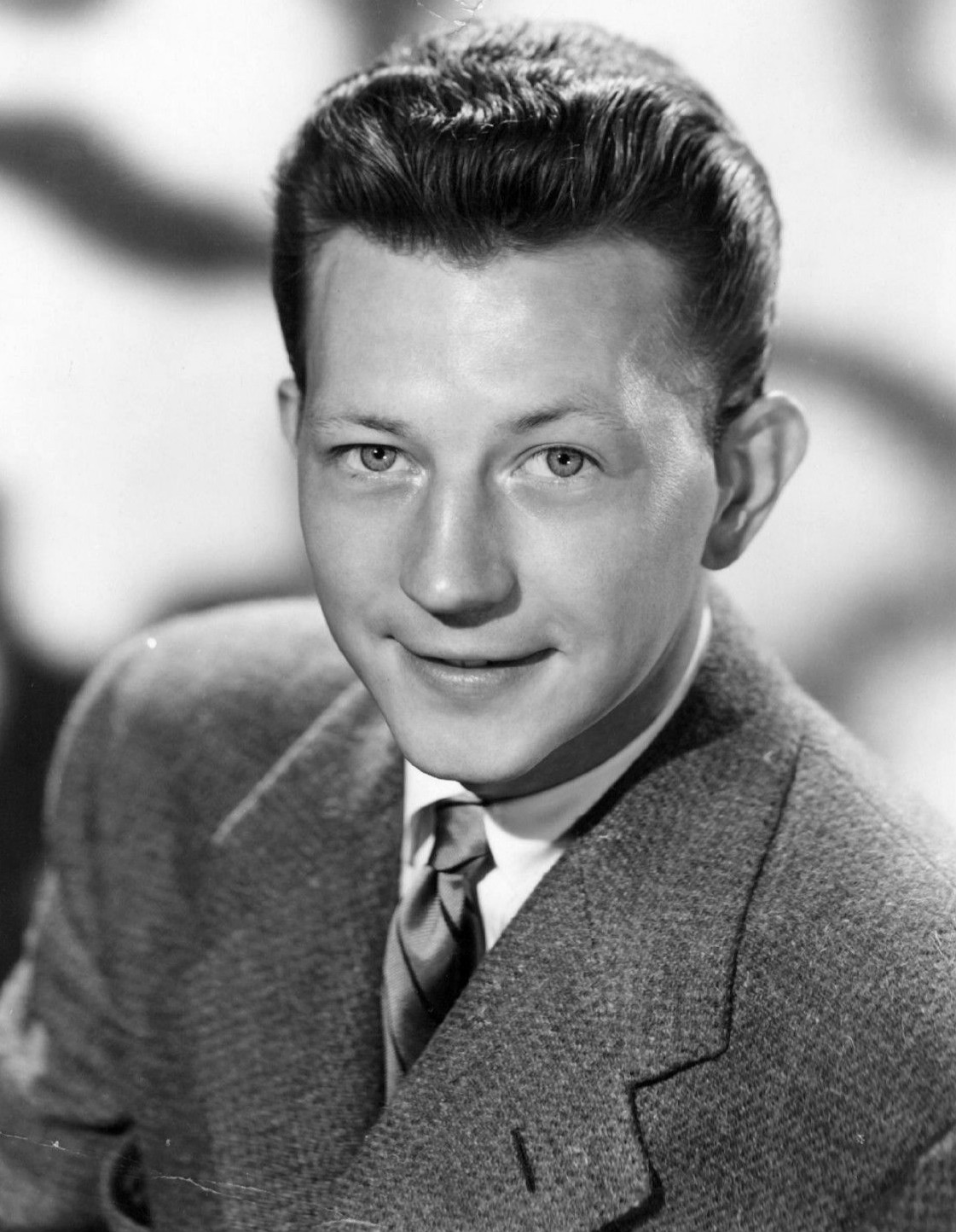
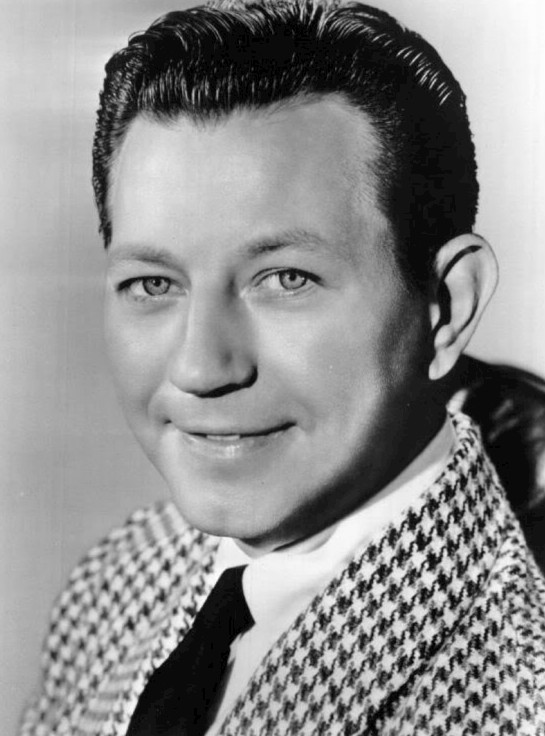
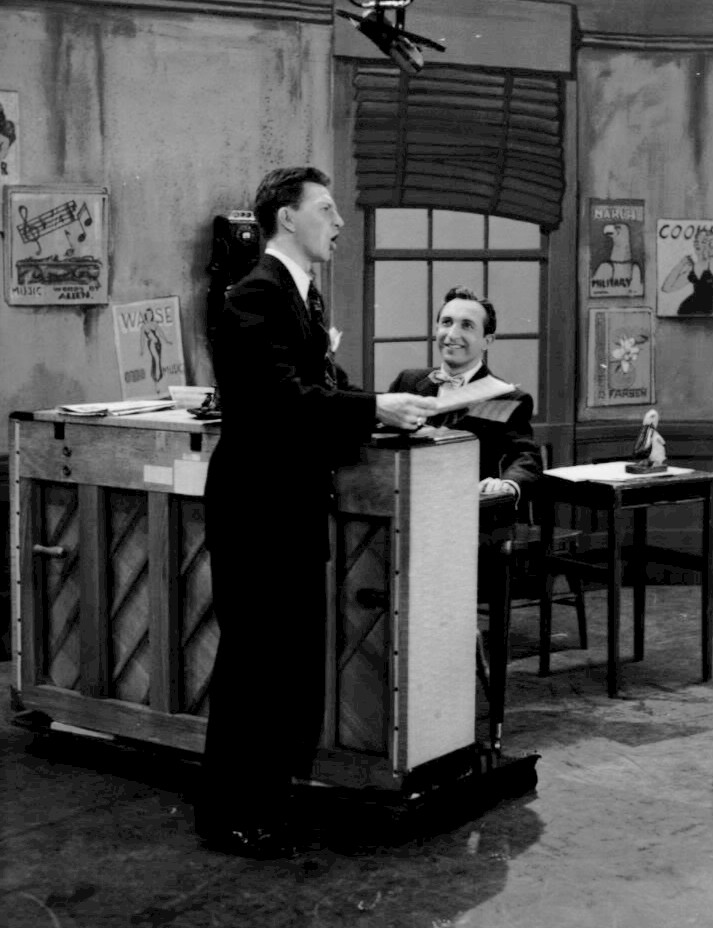
Donald Oconnor on screen
Films and television featuring Donald Oconnor, with the sequences we have indexed.
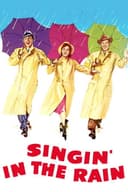
Poster artwork from TMDB.
 This site uses TMDB and the TMDB APIs but is not endorsed, certified, or otherwise approved by TMDB.
Legacy & Impact
Donald O'Connor expanded the expressive possibilities of the male screen-musical dancer by treating virtuosity as comedy and comedy as choreography. His best work uses balance, rebound, rhythm, falls, facial timing, and props to build a character's urgent need to entertain rather than pausing narrative for technical display. That synthesis links vaudeville and circus practices to the classical Hollywood musical and preserves an important model of the all-purpose theatrical performer.


Explore More Legends
Discover the dancers, teachers, choreographers, and cultural icons who shaped how the world moves.
Keep the thread going
Dance history, technique, and the occasional rabbit hole — in your inbox. Thoughtful, infrequent, unsubscribe anytime.
Free. No spam. One click to leave.