Choreographer · Innovator · Teacher · Syllabus / System Builder
Doris Humphrey
Fall and Recovery's Architect
Why They Matter
Her fall and recovery technique gave modern dance one of its core principles, providing a theoretical and physical framework that distinguished it from ballet and remains fundamental to modern dance training.
Known For
Watch
Doris Humphrey, Modern Dance Pioneer
Village of Oak Park
An official hometown history feature grounding Humphrey's Oak Park origins and public legacy.
Volume 9: Doris Humphrey: The Shakers - The Dance of the Chosen
UW Department of Dance
University documentation supplies reconstruction context for a major Humphrey work.
Ruth St. Denis and Doris Humphrey, Soaring, 1999
UW Department of Dance
Shows a later staging of an early work and helps distinguish Humphrey's Denishawn inheritance from her independent technique.
Archive: Chamber Dance Second Generation
UW Department of Dance
Places Humphrey and Weidman within the second generation of American modern dance through a university archive.
Post-Show Talk: Limón Dance Company
Jacob's Pillow
Offers company and presenter context for how Humphrey's works and influence remain in active repertory.
Limón Dance Company | Coming to Festival 2022
Jacob's Pillow
Succinctly identifies the company as a living legacy of Limón and his mentors Humphrey and Weidman.
Biography
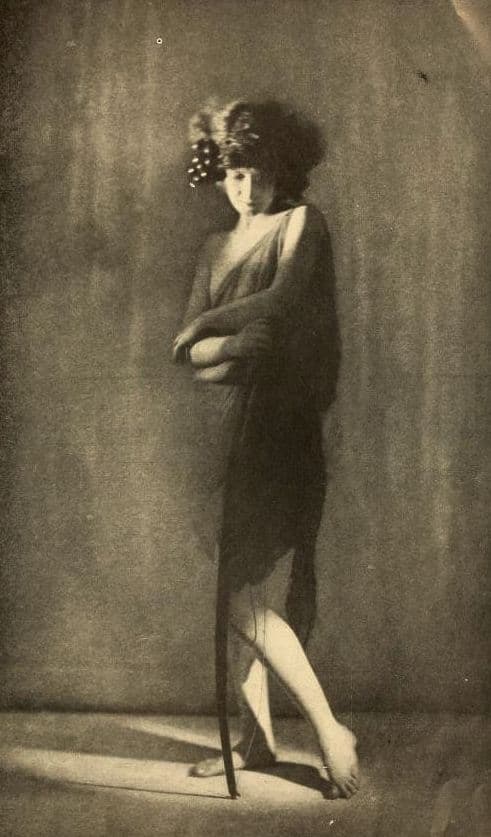
Doris Humphrey was an American modern dancer, choreographer, teacher, and company director who fundamentally transformed how ensemble dance could express social, emotional, and philosophical ideas. Born Doris Batcheller Humphrey on October 17, 1895, in Oak Park, Illinois, she grew up in the Chicago area where she trained in ballet, ballroom dance, Delsarte-based expression, and Dalcroze eurhythmics—a mixed American training culture that shaped her movement thinking before she ever joined a major company. At eighteen in 1913, she opened a dance school with her mother's support, an early experience that made teaching, musical structure, and group organization central to her artistic practice.
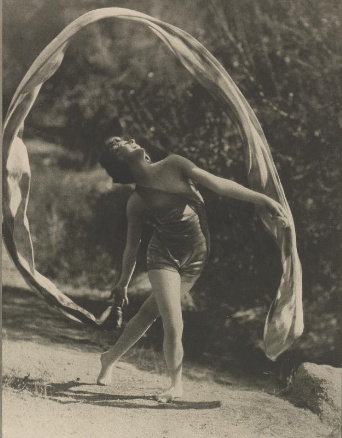
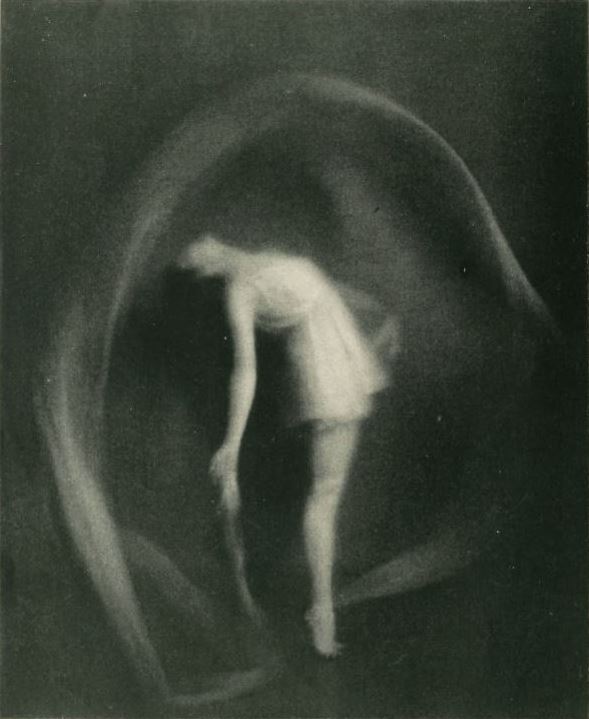
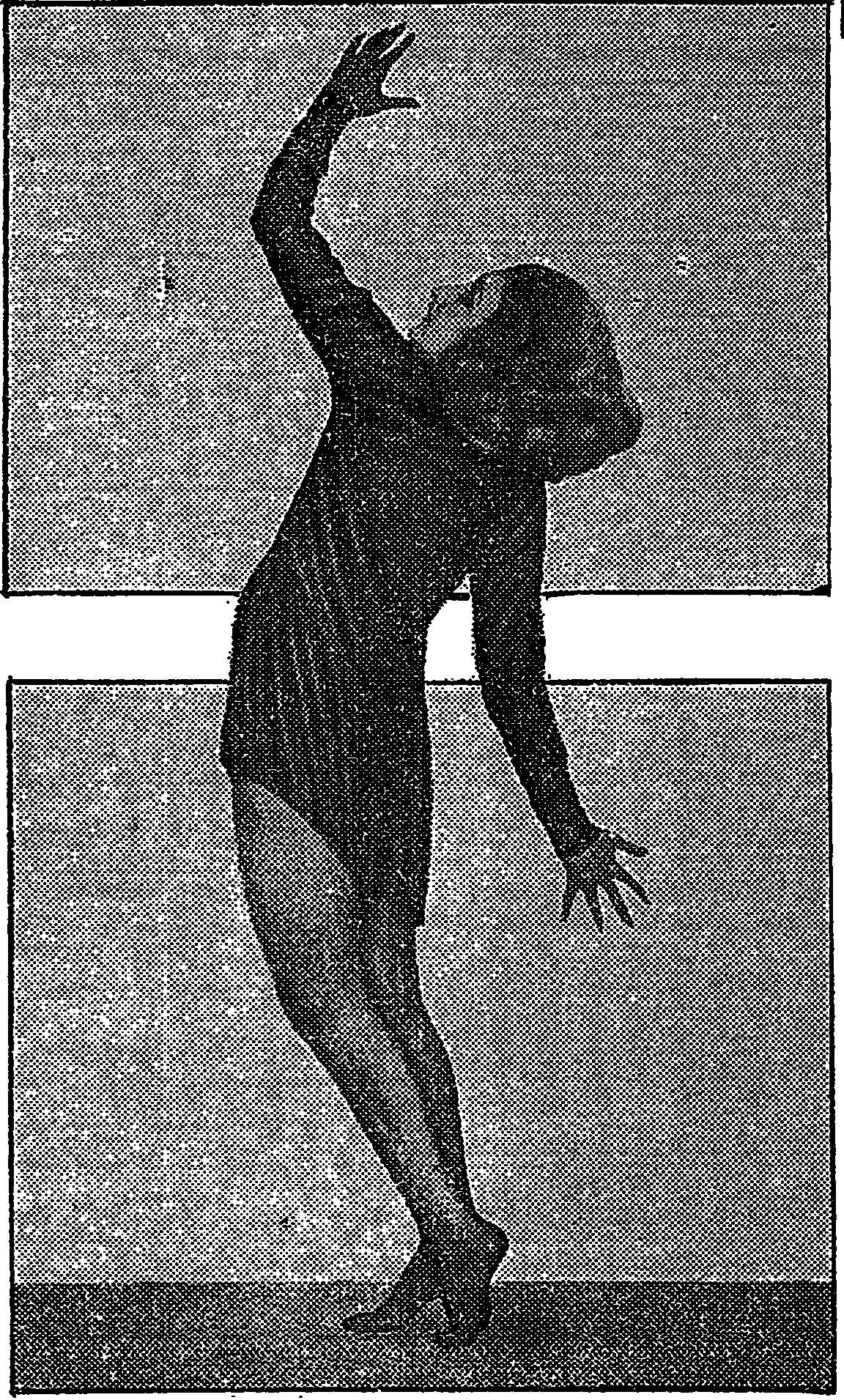
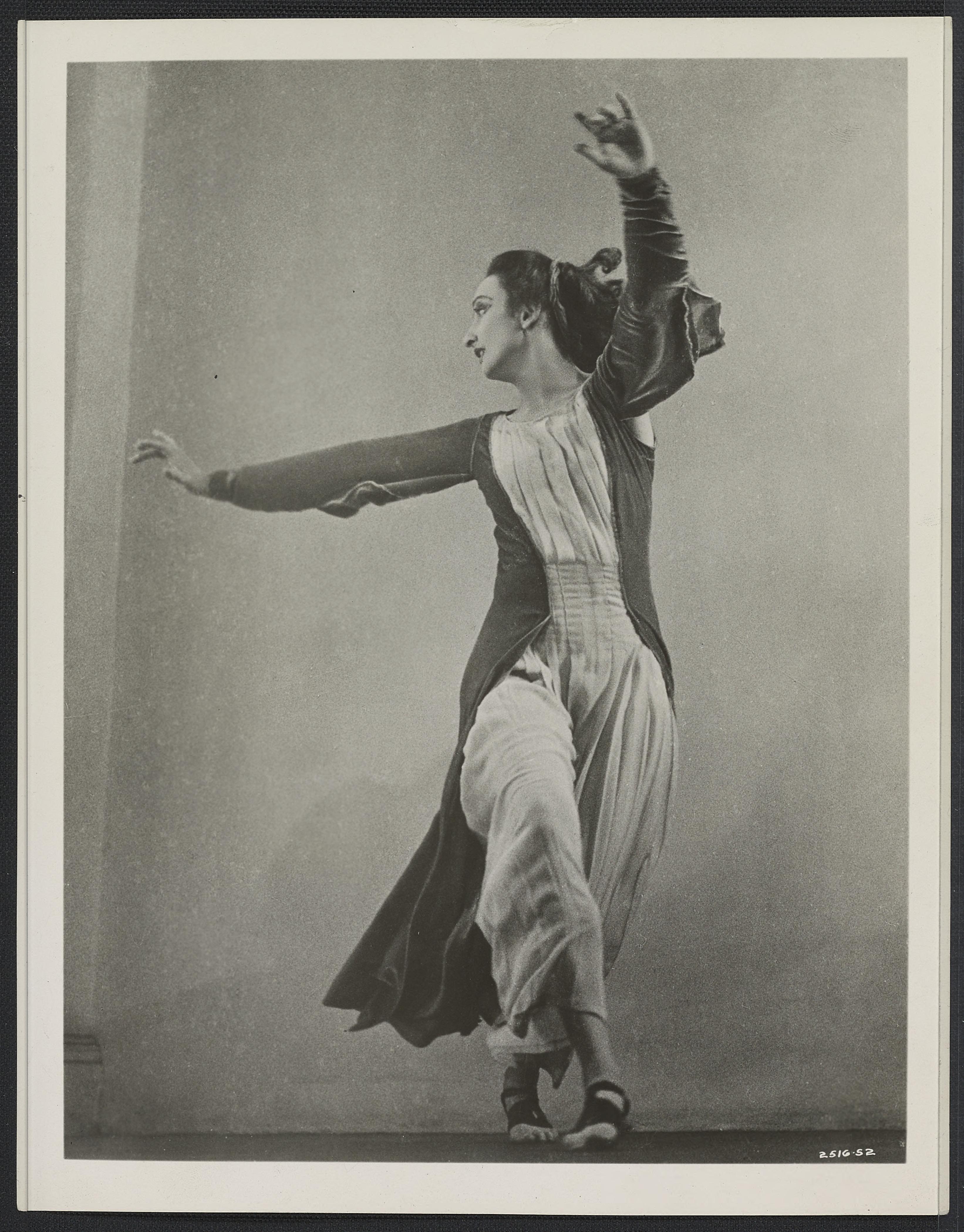
In 1917, Humphrey moved to California and joined the Denishawn School of Dancing and Related Arts, founded by Ruth St. Denis and Ted Shawn. During roughly a decade there, she danced, taught, and began choreographing within an organization that combined theatrical spectacle, touring, pedagogy, and Orientalist repertory. Works from her Denishawn period include *Valse Caprice*—often called *The Scarf Dance*—and *Soaring*, which showcased the command of suspended line and theatrical image she developed in this environment. Yet Humphrey increasingly sought a movement language grounded in weight, breath, gravity, and contemporary American subjects rather than theatrical exoticism.
In 1928, Humphrey and Charles Weidman left Denishawn and established an independent school and company in New York, with Pauline Lawrence as an essential co-founder, administrator, and costume designer. Humphrey's *Water Study*, created that same year, became an exemplary statement of her new direction. Performed without conventional musical accompaniment, it organizes group motion through breath rhythm, wave-like impulse, suspension, falling, and recovery—demonstrating that gravity becomes a partner dancers yield to, resist, and redirect rather than something to overcome. Over the following decade, Humphrey created works that placed individual impulse in relation to formal pattern, belief, and collective pressure. *The Shakers* and *Two Ecstatic Themes* (both associated with 1931) and the *New Dance* cycle—comprising *New Dance*, *Theater Piece*, and *With My Red Fires*—addressed cooperation, social conflict, and the tension between communal order and destructive power. *Passacaglia* (1938), created to Bach, demonstrated her ability to shape a large ensemble through counterpoint, spatial design, and successive waves of energy.
Humphrey's most enduring concept is "fall and recovery," which operates as a physical event, a dynamic arc, a breath phrase, an emotional fluctuation, and a metaphor for human action. Rather than a simple drop and rise, it describes how bodies negotiate risk, equilibrium, and consequence through weight shift, suspension, and rebound. Humphrey's spatial designs frequently reveal ethical or social problems: a crowd can support an individual, overwhelm one, or reorganize into a more balanced whole. Her strongest group works join physics to dramaturgy, making the same principles of weight and breath operate from joint articulation up through the architecture of an entire cast.
Physical limitations ended Humphrey's performing career in the 1940s, but not her creative influence. José Limón, who had studied and performed with Humphrey and Weidman, founded what is now known as Limón Dance Company in 1946 with Humphrey as artistic director; the company made its New York debut at the Belasco Theatre in 1947. Humphrey choreographed for Limón and shaped artistic direction and compositional practice, though Limón developed a distinct artistic voice rather than merely reproducing hers. Her later career included teaching at Juilliard, mentoring choreographers, and articulating a theory of dance composition. Humphrey died in New York City on December 29, 1958. *The Art of Making Dances*, edited by Barbara Pollack and published posthumously in 1959, preserved her thinking about choreographic design, dynamics, rhythm, form, and theatrical communication for later generations. Her legacy survives through repertory, archival collections, notation, reconstruction, teaching, and the Limón lineage, though every revival depends on decisions by dancers, coaches, directors, notators, and archivists who deserve credit.
Career Highlights
Doris Batcheller Humphrey was born on October 17 in Oak Park, Illinois. University of Washington
At eighteen, she opened a dance school in the Chicago area with her mother’s support. Doris Humphrey Educational Spotlight
Humphrey joined Denishawn in California, where she danced, taught, and developed early choreography. Doris Humphrey Foundation
Humphrey, Charles Weidman, and Pauline Lawrence established an independent New York enterprise; Humphrey also created Water Study. Dance Magazine
The Shakers and Two Ecstatic Themes consolidated her exploration of collective structure, breath, belief, and individual impulse. NYPL Doris Humphrey collection
The New Dance cycle began to reach the stage, culminating in the social drama of With My Red Fires; component dates and versions require work-level citation. Library of Congress image record via Commons
Humphrey created Passacaglia, a major large-group work built through counterpoint and architectural design. University of Wisconsin Press listing
José Limón and Humphrey founded the Limón Dance Company, with Humphrey serving as its first artistic director. Limón Dance Company
The Limón company made its New York debut at the Belasco Theatre, presenting choreography by Limón and Humphrey. National Endowment for the Arts
Humphrey joined the early modern-dance teaching environment at Juilliard, extending her compositional influence through higher education. Wikimedia Commons authority record
She received the Capezio Dance Award for significant contributions to dance. Capezio Dance Award
The Art of Making Dances was published posthumously, preserving her composition theory in book form. Internet Archive bibliographic record
Gallery
Legacy & Impact
Doris Humphrey matters because she made gravity, breath, and human interdependence into both movement principles and compositional subjects. She shifted American modern dance from soloist-centered theatrical spectacle toward ensemble works that could examine community, conflict, belief, and power through abstract form. The Humphrey–Weidman enterprise created a professional and pedagogical base for that inquiry; her artistic directorship of the Limón company carried it into a durable repertory institution; and *The Art of Making Dances* made choreographic craft discussable across generations. Her legacy is not a formula for falling. It is a way of thinking about how bodies negotiate risk, equilibrium, space, rhythm, and one another.


Explore More Legends
Discover the dancers, teachers, choreographers, and cultural icons who shaped how the world moves.
Keep the thread going
Dance history, technique, and the occasional rabbit hole — in your inbox. Thoughtful, infrequent, unsubscribe anytime.
Free. No spam. One click to leave.