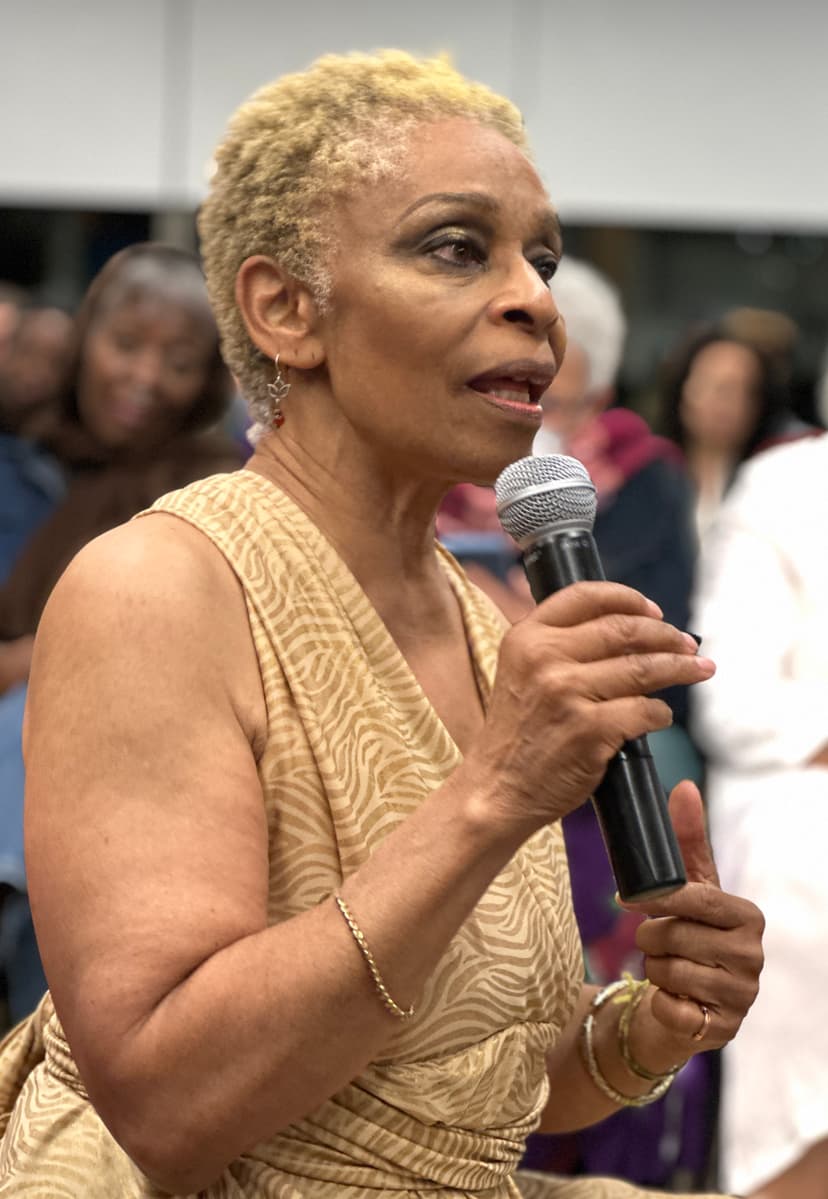
Dyane Harvey Salaam
Legend of Dance
Why They Matter
Harvey-Salaam matters because her career makes transmission visible. She is not only an interpreter of major Black modern-dance repertory but also a collaborator who carried that knowledge into a hybrid African-diasporic company, theater, classrooms, and archival testimony. Her stewardship of Eleo P
Biography
Dyane Harvey-Salaam was born in Schenectady, New York, in 1951 and became a central figure in Black modern dance and African-diasporic performance. Her professional formation belongs to the vibrant networks that flourished in New York during the late 1960s and 1970s. She began working with choreographer Eleo Pomare's company in 1969, eventually becoming one of his principal interpreters and learning a repertory in which modern-dance structure, Black cultural experience, social critique, and theatrical intensity were inseparable.
Harvey-Salaam's performing life moved across multiple genres and companies. She danced as a principal soloist with Pomare while also engaging with artists including Joan Miller, Chuck Davis, Walter Nicks, Otis Sallid, George Faison, and DanceBrazil, and appeared in the Trinidad and Tobago Repertory Dance Theatre. Her credits extended to Broadway and theatrical work, including *The Wiz*, *Timbuktu!*, Ntozake Shange's *Spell #7*, *Your Arms Too Short to Box with God*, *Ailey Celebrates Ellington*, and the documentary series *Free to Dance*—a career spanning concert dance, musical theater, and screen work.
In 1981 Harvey-Salaam co-founded Forces of Nature Dance Theatre with Olabamidele Husbands and Abdel R. Salaam. The company developed a deliberately hybrid movement language drawing from West African and African-diasporic traditions alongside ballet and the Limón, Horton, and Graham modern-dance lineages. Harvey-Salaam served as founding performer and principal soloist and continues as assistant to the artistic director and performing artist, her work connecting the physical rigor of concert dance to ritual, cultural memory, and environmental and social themes.
Harvey-Salaam has become an important steward of repertory, particularly as a holder and répétiteur of Eleo Pomare's work. This responsibility combines embodied memory, coaching, contextual knowledge, and decisions about how historical choreography is transmitted to new generations. Her publication "Making Movement as an Act of Listening, Riding with the Muse" reflects this investment in creative process and the ethics of attending to inherited and emerging movement.
Teaching is central to her practice. At Princeton University, where she serves as a Lecturer in Dance, she teaches courses focused on African dance aesthetics and traditions and on American choreographers shaped by Africanist practices. She has also taught at Hofstra and designed courses through Forces of Nature. In 2019 the New York Public Library recorded an oral-history interview with her as part of its Dance Oral History Project, placing her testimony in a major research archive.
Harvey-Salaam's contributions have received increasing recognition. In 2017 she performed in Abdel R. Salaam's *Healing Sevens*, a DanceBrazil/BAM production bringing together Forces of Nature, Asase Yaa, and Illstyle & Peace, which received the Bessie Award for Outstanding Production. In 2024 she was named recipient of the Bessie Lifetime Achievement in Dance Award, honoring her ritual-centered work and stewardship of Pomare's repertory. The award was presented at the combined 2024–2025 Bessie ceremony on January 20, 2026.
Career Highlights
Began working with Eleo Pomare’s company, according to dance historian Wendy Perron’s account of Pomare and Harvey-Salaam’s recollections.
Co-founded Forces of Nature Dance Theatre with Olabamidele Husbands and Abdel R. Salaam.
Performed within the multi-company Healing Sevens, which received the Bessie Award for Outstanding Production; the award was for the production as a whole, not an individual performer citation.
Was identified by Peridance as a Bessie nominee associated with the revival of Eleo Pomare’s HEX.
Participated in a New York Public Library Dance Oral History Project interview conducted by Stephanie Berry.
Appeared as a guest artist in Reggie Wilson’s PURPLE: A Ritual in Nine Spells at Lincoln Center, as noted in the Bessies’ later award announcement.
Was named the Bessie Lifetime Achievement in Dance honoree for ritual-centered performance and stewardship of Eleo Pomare’s work.
Received the 2024 Bessie honor at the joint 2024–2025 awards ceremony in New York on January 20.
Continued teaching Africanist dance practices as a Lecturer in Dance at Princeton University.
Legacy & Impact
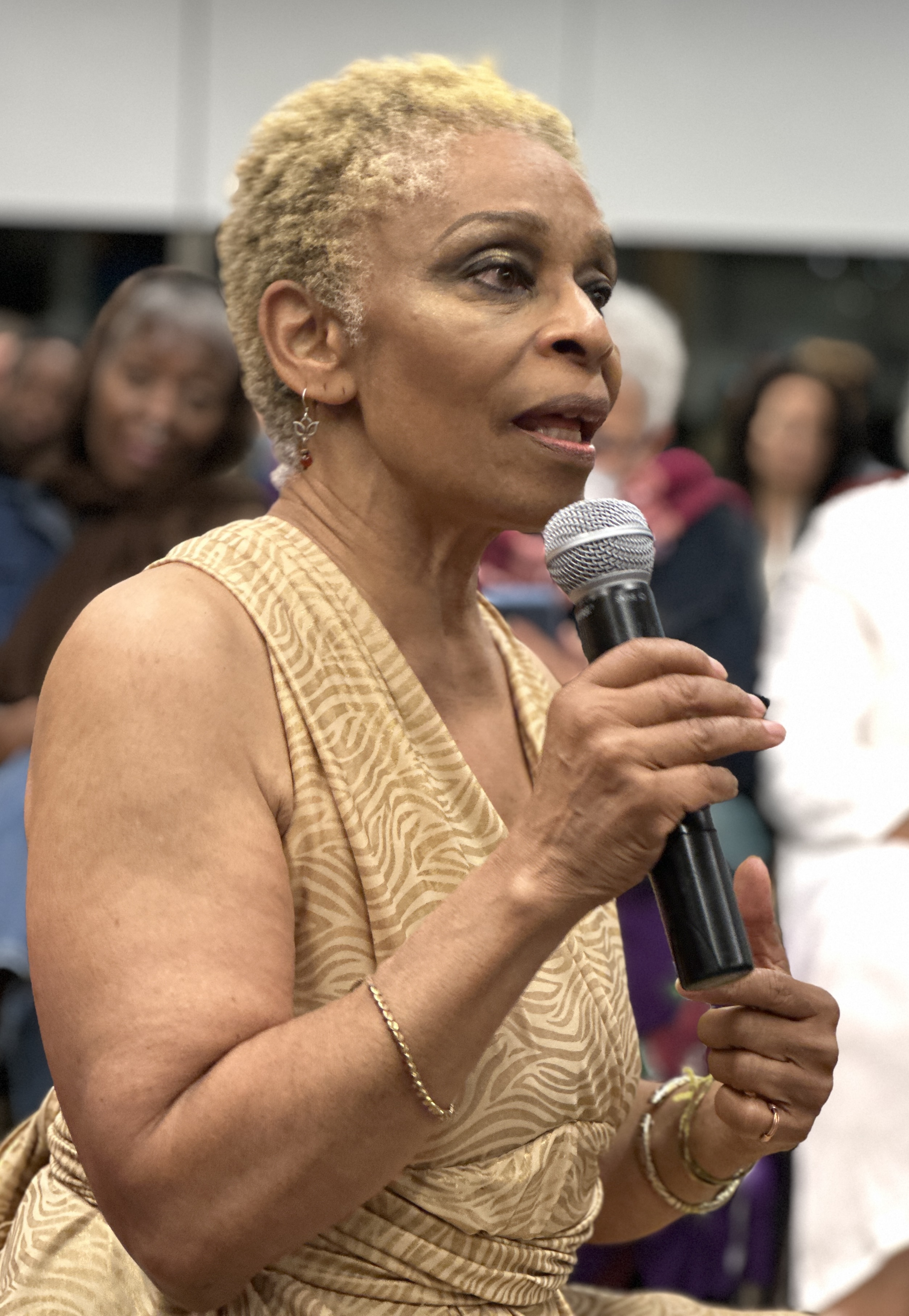
Harvey-Salaam matters because her career makes transmission visible. She is not only an interpreter of major Black modern-dance repertory but also a collaborator who carried that knowledge into Forces of Nature, theater, classrooms, and archival testimony. Her stewardship of Eleo Pomare's choreography demonstrates how dance history survives through bodies, coaching relationships, cultural context, and ethical care. Her work also shows that preservation and invention coexist: inherited techniques become resources for making new ritual, theatrical, and community-facing performance.


Explore More Legends
Discover the dancers, teachers, choreographers, and cultural icons who shaped how the world moves.
Keep the thread going
Dance history, technique, and the occasional rabbit hole — in your inbox. Thoughtful, infrequent, unsubscribe anytime.
Free. No spam. One click to leave.