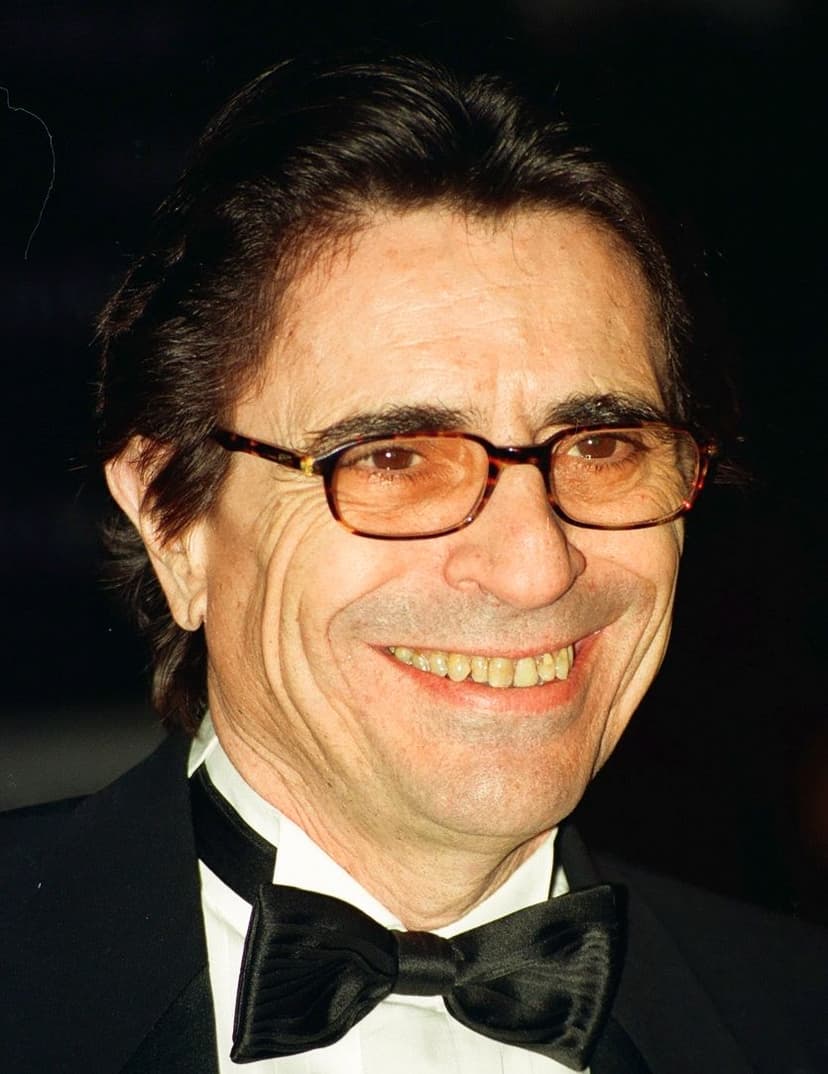
Edward Villella
Legend of Dance
Why They Matter
Villella matters to dance because he joined performance charisma to durable transmission. He expanded the public image of the American male ballet dancer, created or defined roles central to the Balanchine repertory, and later used teaching and artistic direction to pass that repertory to new dancer
Biography
Edward Villella was born in 1936 in Bayside, Queens, and became one of the defining American interpreters of George Balanchine's choreography. He began studying at the School of American Ballet at age ten, after first encountering dance through his sister's class. Ballet presented an unusual path in his neighborhood and family—a context that would later make his public success especially consequential for American male dancers.
At sixteen, Villella stepped away from ballet to attend the New York Maritime Academy, where he earned a bachelor's degree in marine transportation, lettered in baseball, and boxed competitively. He returned to dance and joined New York City Ballet in 1957, advancing rapidly to soloist in 1958 and principal dancer by 1960.
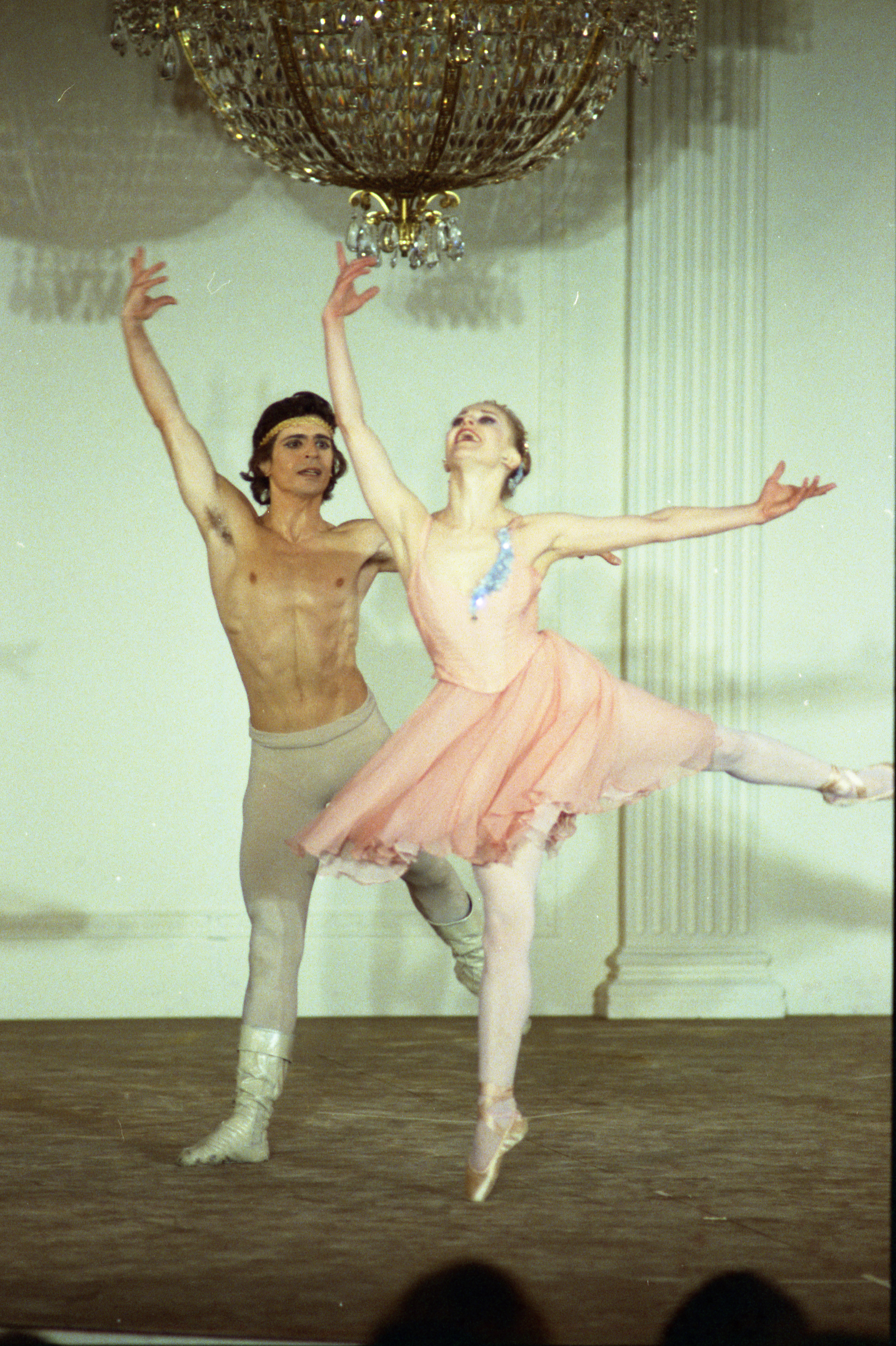
During his time at New York City Ballet, Villella became closely identified with Balanchine's repertory. He danced the celebrated 1960 revival of *Prodigal Son* and originated roles in *Tarantella*, *Rubies* (the central section of *Jewels*), *A Midsummer Night's Dream* (as Oberon), *Harlequinade*, *Bugaku*, and *Symphony in Three Movements*. Jerome Robbins created roles for him in *Dances at a Gathering* and *Watermill*. Beyond the stage, Villella's accessible public profile and visibly athletic dancing helped make ballet legible to audiences beyond specialists. He appeared frequently on television, performed at presidential events, and served on the National Council on the Arts from 1968 to 1974. In 1975, he won an Emmy Award for the CBS production of *Harlequinade*.
After his performing career, Villella became the founding artistic director of Miami City Ballet in 1985, a position he held through 2012. Under his leadership, the company built a repertory rooted in Balanchine's work while becoming an institution with a national and international profile. His later work thus joined preservation to institution-building. In 1997, Villella received both the National Medal of Arts and a Kennedy Center Honor. He continued to teach and coach, returned to the School of American Ballet to work with students, and remained a trustee of the school. His career connects three kinds of influence: originating and interpreting roles, transmitting performance knowledge to new dancers, and building an organization capable of sustaining that knowledge.
Career Highlights
Began studying at the School of American Ballet at age ten, according to the School's retrospective profile.
Joined New York City Ballet after returning to dance from maritime studies.
Promoted to soloist at New York City Ballet.
Promoted to principal dancer and became strongly associated with Balanchine's revival of Prodigal Son.
Created the role of Oberon in Balanchine's A Midsummer Night's Dream.
Originated the male lead in Rubies, the central section of Balanchine's Jewels.
Served on the National Council on the Arts.
Won an Emmy Award for the CBS television production of Harlequinade.
Became founding artistic director of Miami City Ballet, a position he held through 2012.
Received the National Medal of Arts and was named a Kennedy Center Honoree.
Elected to the American Academy of Arts and Sciences, according to Miami City Ballet's institutional biography.
Concluded his tenure as Miami City Ballet's founding artistic director.
Gallery
Works
One stage work credited to Edward Villella.
- NarkissosBallet · Choreographer
Credits sourced from Wikidata (CC0), one citation per field. Works without a recorded premiere date are listed last. Titles link to the work in Limelight.
Legacy & Impact
Villella expanded the public image of the American male ballet dancer and created or defined roles central to the Balanchine repertory that remain cornerstone works in contemporary ballet. His later work as a teacher and artistic director ensured that his knowledge of these roles passed to new generations of dancers. Miami City Ballet's continuing identity as a Balanchine-rooted company is an institutional dimension of that legacy, while his television and educational work helped make ballet legible beyond specialist audiences.


Explore More Legends
Discover the dancers, teachers, choreographers, and cultural icons who shaped how the world moves.
Keep the thread going
Dance history, technique, and the occasional rabbit hole — in your inbox. Thoughtful, infrequent, unsubscribe anytime.
Free. No spam. One click to leave.