Ekaterina Maximova
Legend of Dance
Why They Matter
Maximova matters because she made formidable technique appear inseparable from character. Her best-known performances joined classical exactness to theatrical immediacy, while her partnership with Vasiliev became one of the principal visual emblems of the Bolshoi's international era. As a coach, she
Biography
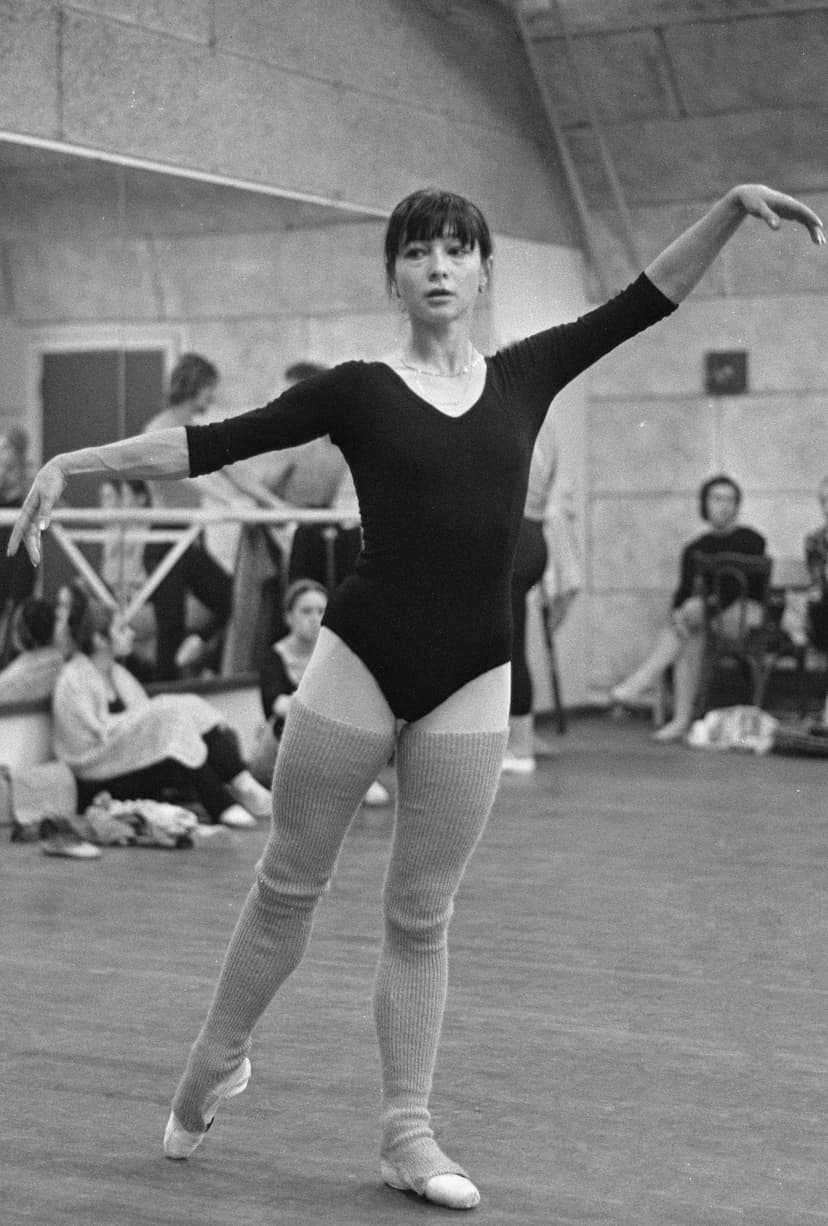
Ekaterina Sergeyevna Maximova was born in Moscow in 1939 and trained at the Moscow Choreographic School under Elizaveta Gerdt. She won the All-Union Ballet Competition in 1957 while still a student, graduated in 1958, and was accepted immediately into the Bolshoi Theatre, where Galina Ulanova became an important coach.
Maximova's early career moved swiftly. Dancing Katerina in Yuri Grigorovich's *The Stone Flower* during her first Bolshoi season, she displayed a combination of speed, lightness and characterization that brought rapid acclaim. She joined the Bolshoi's 1959 United States tour and emerged as one of the generation through which Soviet ballet reached a broad international public. In 1964, she won first prize at the inaugural Varna International Ballet Competition.
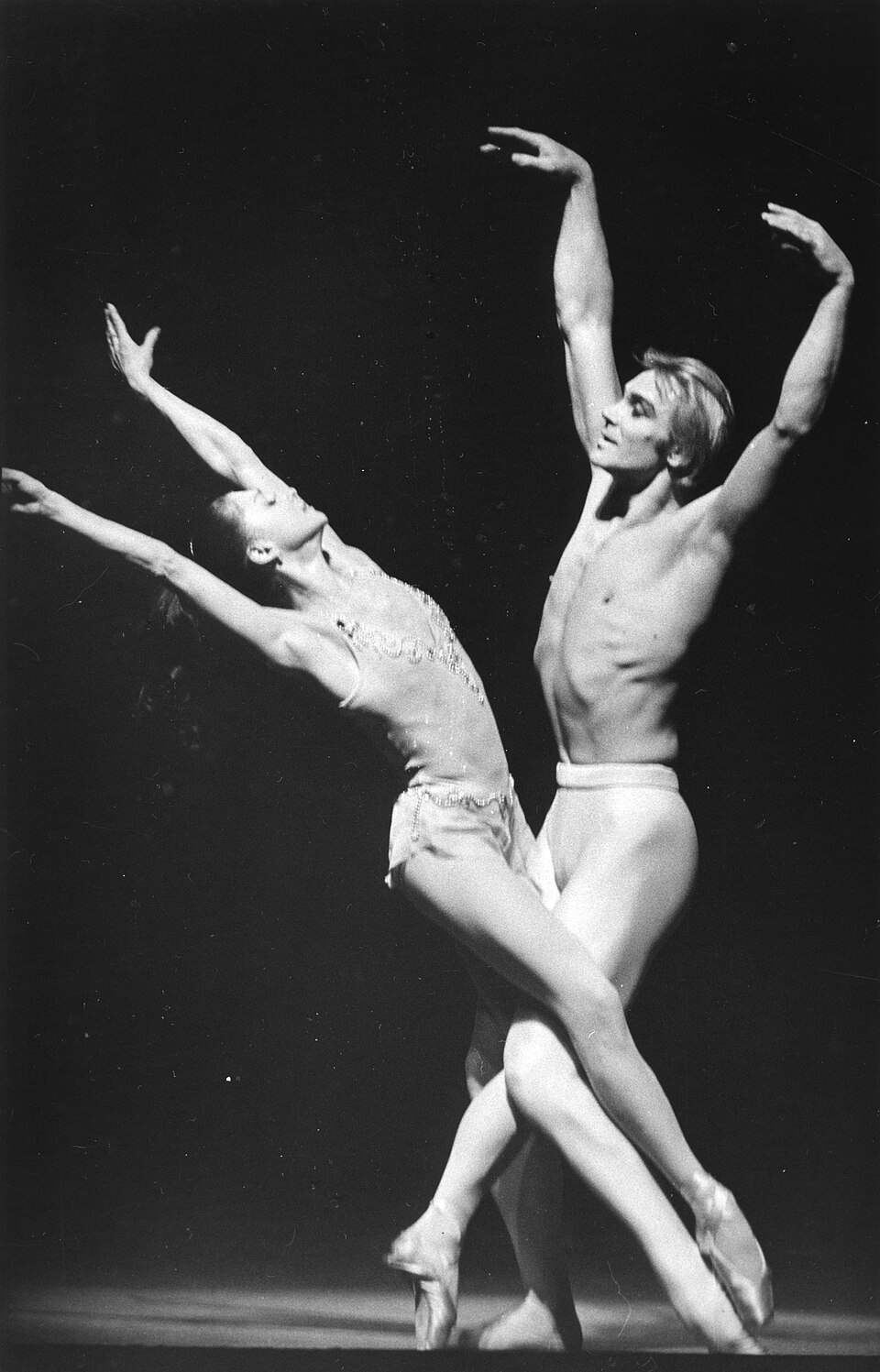
Her stage partnership with Vladimir Vasiliev—also her husband—became central to both artists' careers. Their work was especially consequential in Grigorovich's repertory: Maximova created Masha in his 1966 *The Nutcracker* and Phrygia in his 1968 *Spartacus*. She excelled equally in nineteenth-century roles such as Giselle, Aurora and Kitri, and worked beyond the Bolshoi with choreographers including Maurice Béjart and Roland Petit. A serious spinal injury in the mid-1970s interrupted her career, but she returned to performance and continued expanding her repertory through stage and television ballets, including *Anyuta*, choreographed by Vasiliev.
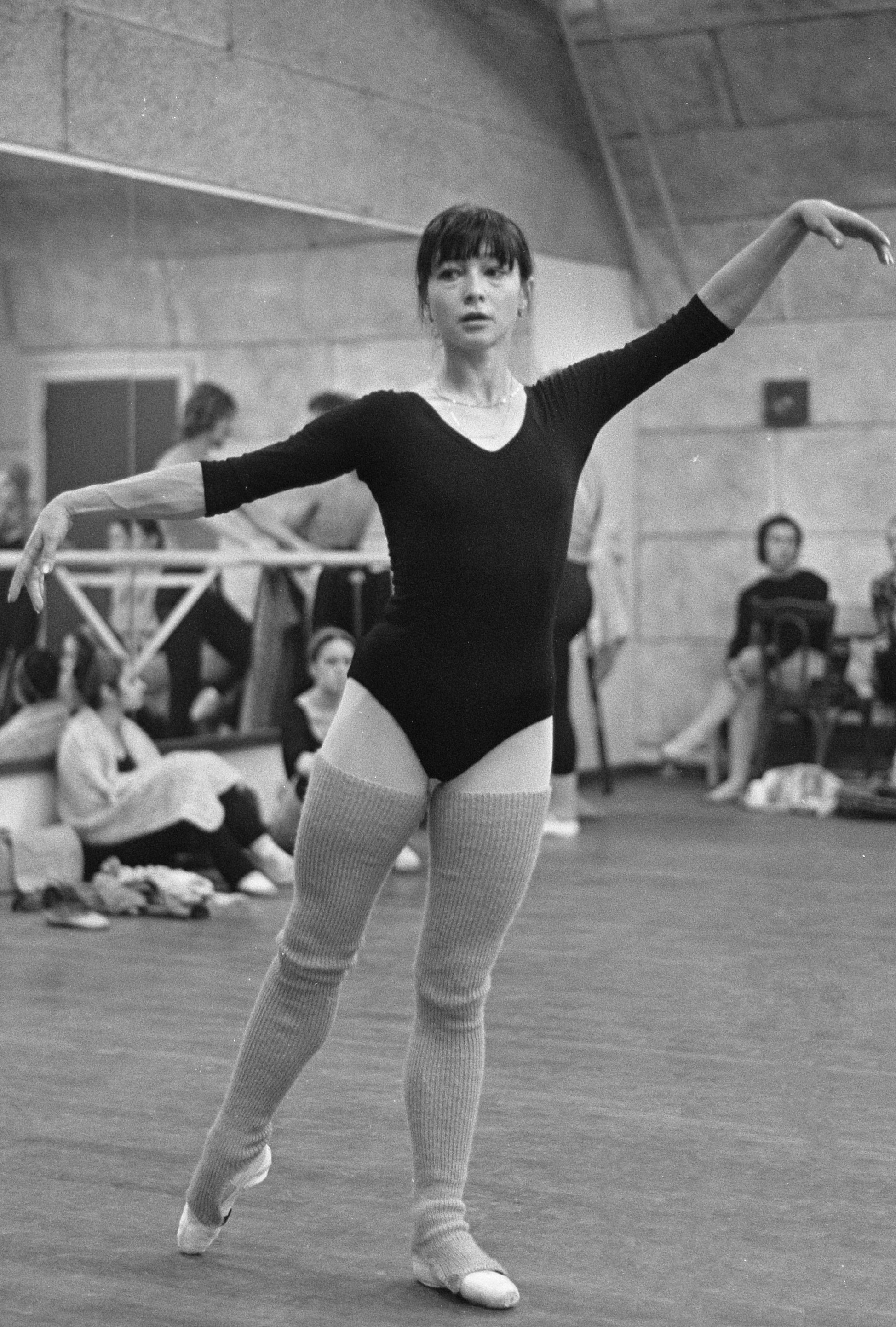
In later decades, Maximova gave her last major stage performance in 1999 at a Bolshoi gala marking her sixtieth birthday. She also taught and coached, working at GITIS and later as a répétiteur with the Kremlin Ballet and the Bolshoi, transmitting both classical roles and the interpretive intelligence behind them. She died in Moscow in 2009.
Career Highlights
Won the All-Union Ballet Competition while still a student. Source Source
Graduated from the Moscow Choreographic School and joined the Bolshoi Ballet. Source Source
Danced Katerina in Grigorovich's The Stone Flower and toured the United States with the Bolshoi. Source Source
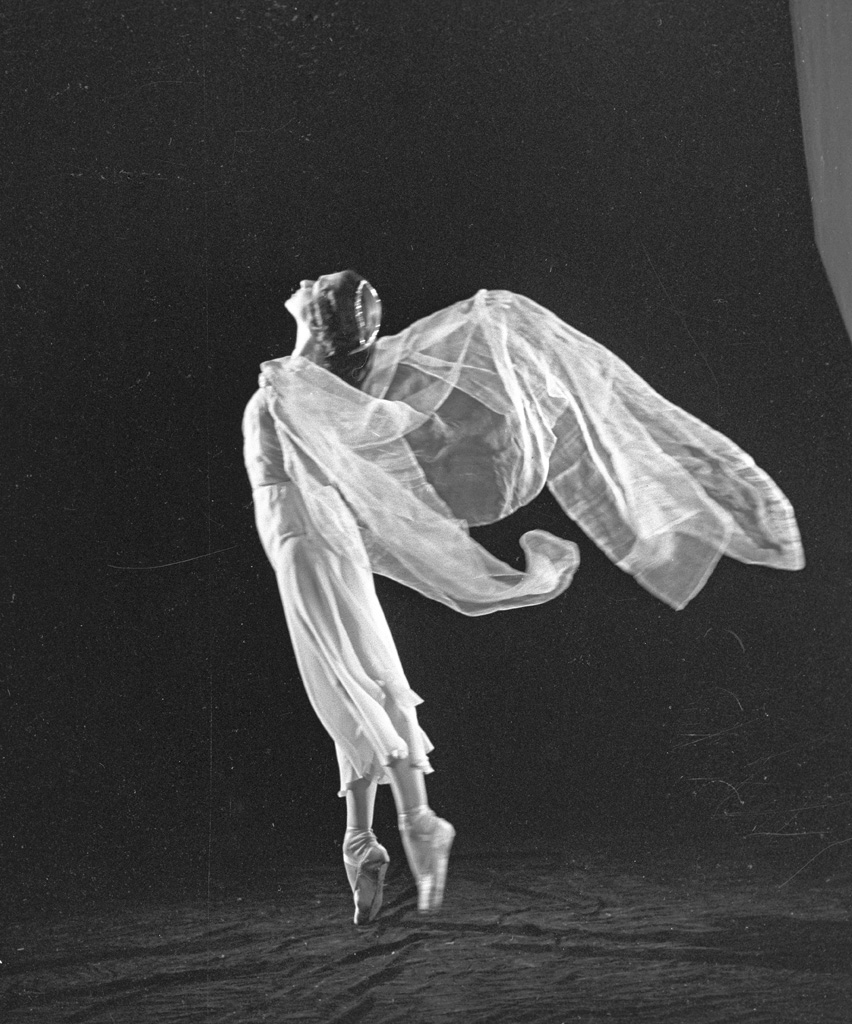
Was photographed as Maria in The Fountain of Bakhchisaray at the Bolshoi. Source Source
Won first prize at the inaugural Varna International Ballet Competition. Source Source
Created Masha in Grigorovich's production of The Nutcracker. Source Source
Created Phrygia opposite Vasiliev in Grigorovich's Spartacus. Source Source
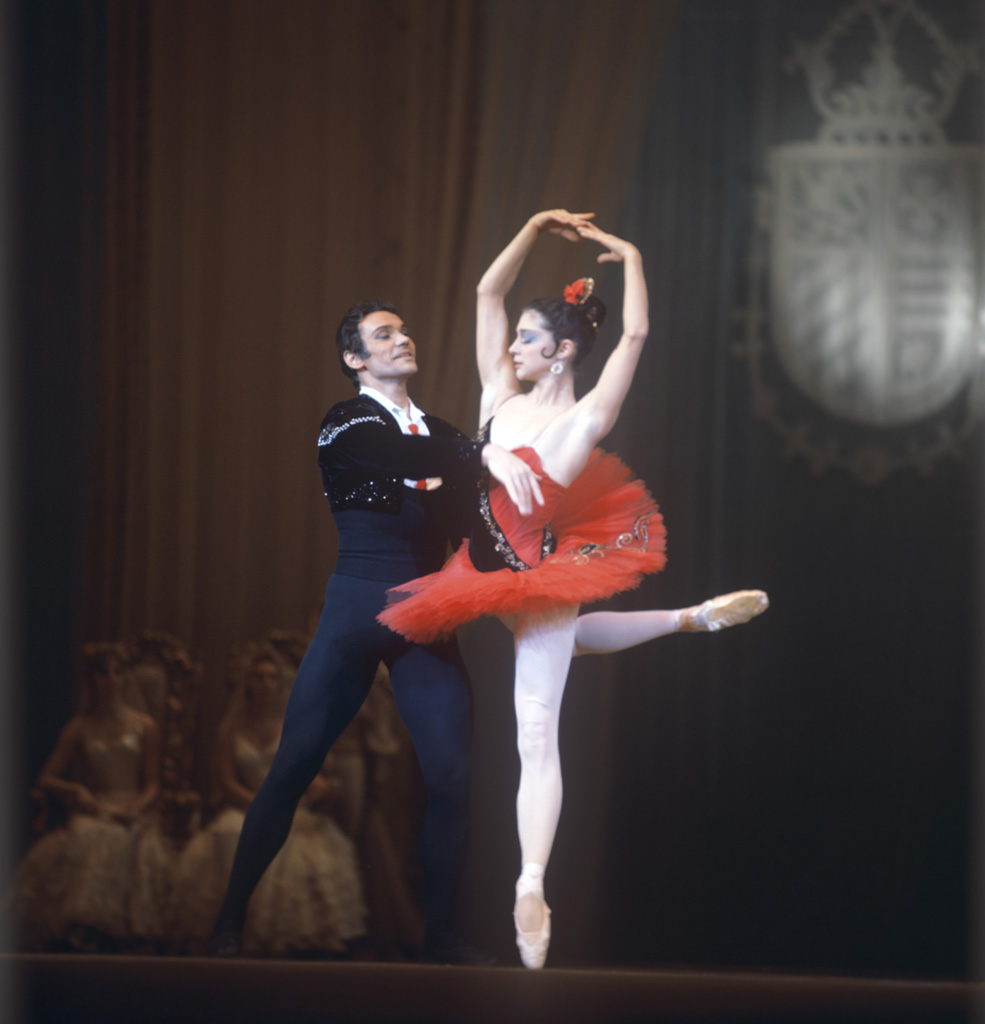
A RIA Novosti photograph documented Maximova and Vasiliev as Kitri and Basilio in Don Quixote. Source Source
Performed the title role in the stage version of Vasiliev's Anyuta. Source Source
Gave her last major ballet performance in a Bolshoi gala marking her sixtieth birthday. Source Source
Gallery
Legacy & Impact
Maximova endures because she made formidable technique inseparable from character. Her best-known performances joined classical exactness to theatrical immediacy, while her partnership with Vasiliev became a principal visual emblem of the Bolshoi's international era. As a coach and répétiteur, she helped convert a celebrated individual career into transferable stage knowledge—a legacy that shaped dancers who came after.


Explore More Legends
Discover the dancers, teachers, choreographers, and cultural icons who shaped how the world moves.
Keep the thread going
Dance history, technique, and the occasional rabbit hole — in your inbox. Thoughtful, infrequent, unsubscribe anytime.
Free. No spam. One click to leave.