Joan Benesh
Legend of Dance
Why They Matter
Joan Benesh matters because the notation began from a dancer's problem and remained answerable to dancers' bodies. Her contribution was not secondary “assistance” to a technical husband: she co-designed, tested, taught and institutionalized a language that could record complicated choreography with
Biography
Joan Dorothy Benesh was a British ballet dancer, choreographer and co-creator of Benesh Movement Notation, a graphic system for recording and analyzing dance that transformed how choreography is preserved and transmitted. Born Joan Dorothy Rothwell in Wavertree, Liverpool, on 24 March 1920, she trained in ballet and theatrical dance within British dance culture. Early in her career she won a ballet prize at the All England Dance Competition in 1937 and received the Parker Trophy for Dance in 1938.
After the Second World War, while working as a dancer and struggling to record choreographic ideas in writing, Benesh met Rudolf Benesh in 1947. Rudolf was an accountant, artist and musician who recognized the notational problem and began experimenting with graphic signs. Joan supplied the embodied knowledge needed to test whether marks on paper could accurately describe what dancers actually performed. They married in 1949 and continued developing the system together while Joan worked in the Sadler's Wells Ballet environment.
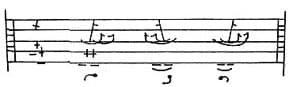
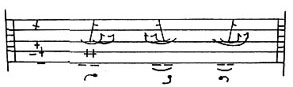
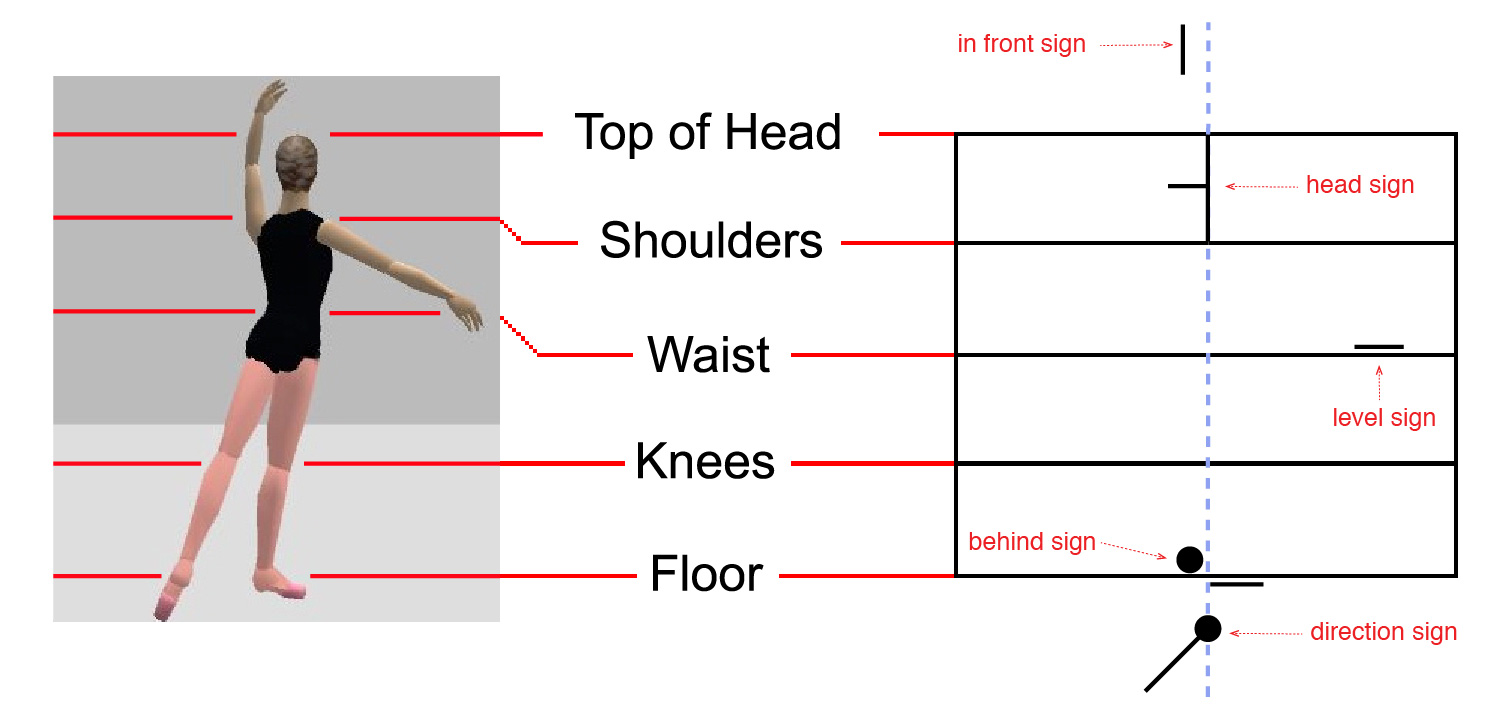
Their method represented the body on a five-line staff read left to right, with marks showing hand and foot positions relative to the body and additional symbols capturing actions, timing and spatial relationships. The system was compatible with musical score layout and depended fundamentally on Joan's ability to move, observe, teach and correct what the notation meant in practice. The couple presented a substantially complete system to the Royal Opera House in 1955, and the first publication appeared in 1956 under the name Benesh Movement Notation. The notation was exhibited at Expo 58 in Brussels, gaining international attention.
The Royal Ballet recognized the system's value for preserving repertory. By 1960 the company had recruited a professionally trained Benesh notator. In 1962, the Benesh Institute of Choreology was founded with Joan as principal, Rudolf as director and Frederick Ashton as president. The institute trained choreologists and built a library of scores, establishing a professional bridge between choreographers, coaches, dancers and companies.
Joan continued teaching, writing and supporting the notation after Rudolf's death in 1975. She published *Reading Dance: The Birth of Choreology*, documenting the system's development and principles. When the Royal Academy of Dance incorporated the Benesh Institute in 1997, the notation became part of a global dance-education organization. Joan Benesh died on 27 September 2014 at the age of ninety-four. The Benesh International collection now comprises more than 1,750 scores, used to reconstruct repertory, analyze movement and support research and teaching across companies and generations.
Career Highlights
Born Joan Dorothy Rothwell in Wavertree, Liverpool, on 24 March.
Won a ballet prize at the All England Dance Competition, according to later biographical accounts.
Received the Parker Trophy for Dance; the exact awarding organization should be archivally confirmed.
Met Rudolf Benesh while working as a dancer and experimenting with ways to record choreography.
Married Rudolf Benesh and continued co-developing the notation while working in the Sadler's Wells Ballet milieu.
The pair presented a substantially complete notation system to the Royal Opera House.
Published the system that became known as Benesh Movement Notation.
The notation was exhibited at Expo 58 in Brussels, according to the contemporary obituary record.
The Royal Ballet recruited a professionally trained Benesh notator.
The Benesh Institute of Choreology was founded with Joan as principal, Rudolf as director and Frederick Ashton as president.
Joan published Reading Dance: The Birth of Choreology; edition/date details should be catalog-checked.
Died on 27 September, leaving a system that remains active in professional repertory preservation.
Gallery
Legacy & Impact
Joan Benesh's legacy rests on creating a notation born from a dancer's practical need and tested against dancers' actual bodies. The system she co-designed with Rudolf remains active in professional repertory preservation, strengthening copyright and provenance documentation while giving teachers a shared reference beyond prose or video. Her contribution demonstrates that preservation is fundamentally collaborative—notation captures structural detail, while choreologists and performers bring scores back into motion. Dancers continue to use Benesh notation to learn, compare and reconstruct choreography, making her work an everyday tool in dance practice rather than a historical artifact.


Explore More Legends
Discover the dancers, teachers, choreographers, and cultural icons who shaped how the world moves.
Keep the thread going
Dance history, technique, and the occasional rabbit hole — in your inbox. Thoughtful, infrequent, unsubscribe anytime.
Free. No spam. One click to leave.