Choreographer · Performer · Community Builder
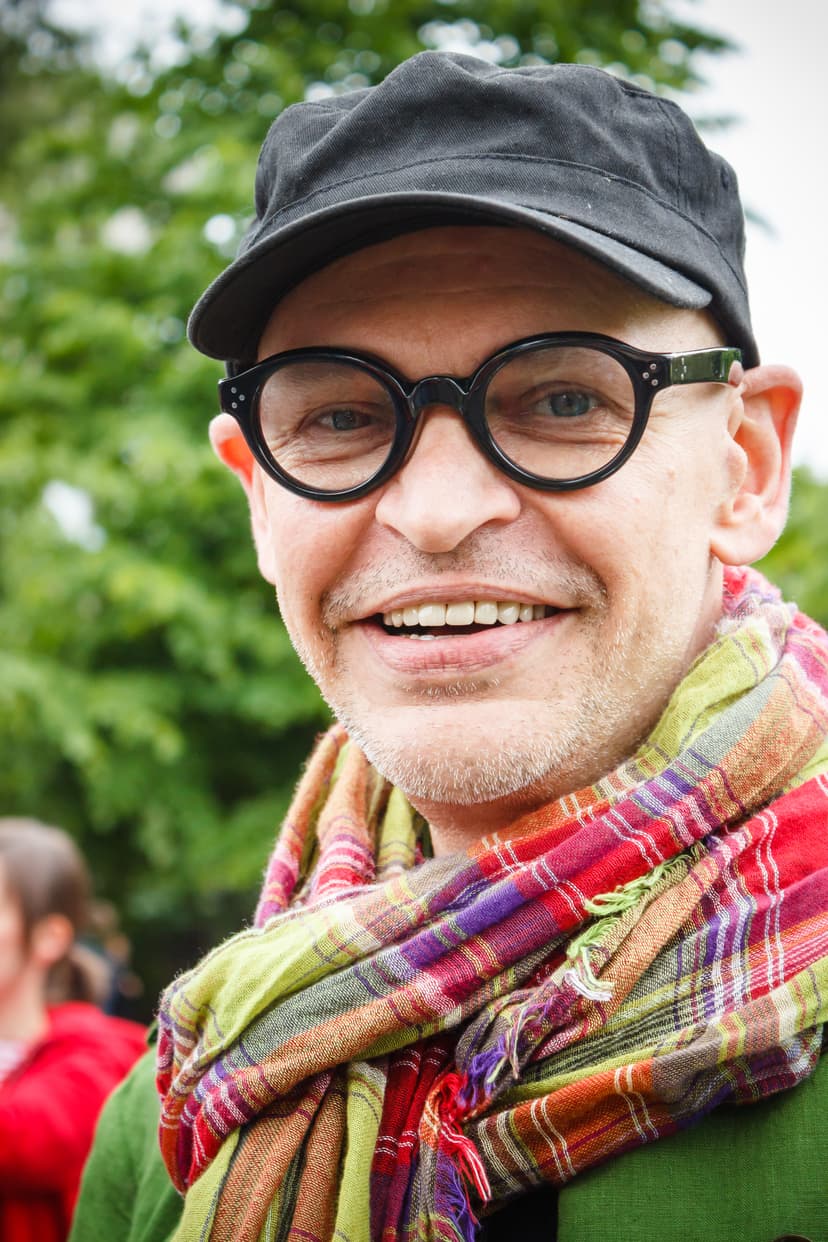
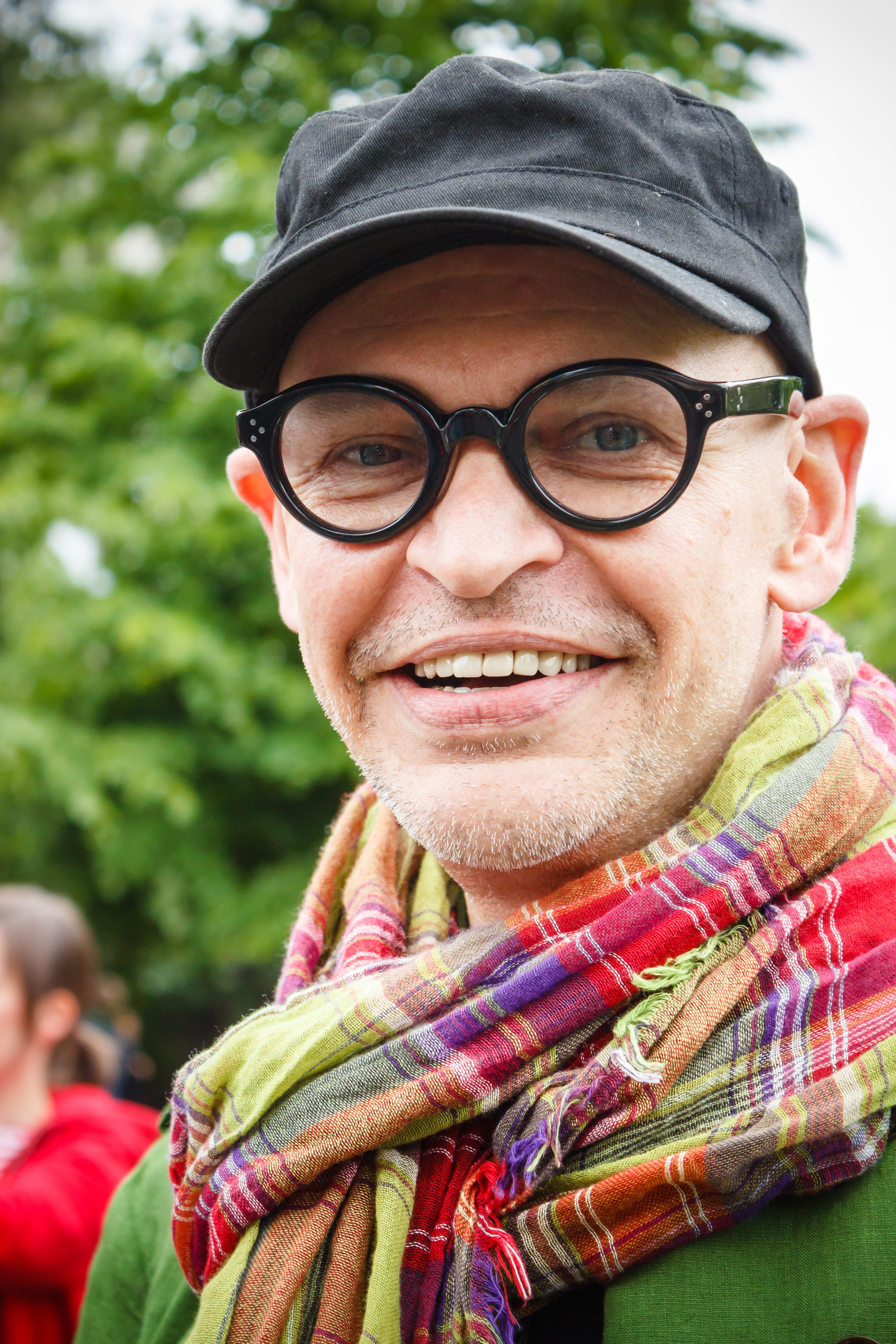
Jorma Uotinen
Finland's Dance Visionary
Why They Matter
He built Finland's modern dance identity, proving that Nordic countries could produce world-class contemporary dance with a distinct cultural voice.
Watch
Jorma Uotinen rehearses Jord
Finnish National Opera and Ballet
Rare official-company view of Uotinen coaching his own choreography at the Finnish National Ballet
Dance legend, choreographer Jorma Uotinen interviewed by Arto Almila
Sibelius Academy, University of the Arts Helsinki
First-person institutional conversation useful for career and artistic philosophy
Kuopio Tanssii ja Soi ilmaisohjelmat
Kuopio Dance Festival
Documents Uotinen presenting free and associated programming during his directorship
Tule mukaan tanssifestivaalille!
Kuopio Dance Festival
Direct record of Uotinen’s public-facing festival leadership for the 2019 fiftieth festival
KUOPIO TANSSII JA SOI — Jorma Uotisen videoblogi
Kuopio city / Kuopio Dance Festival
Adds period context for his festival-director voice and programming priorities
Kuopio Tanssii ja Soi poikaleiri
Kuopio Dance Festival
Shows Uotinen discussing a long-running boys’ dance camp and the festival’s educational reach
Hiljaa — Jorma Uotinen
Useful as a rights-verifiable listening example; rhythm and movement pairing still require manual analysis.
Biography
Jorma Uotinen is a Finnish dancer, choreographer, artistic director, and performer born on 28 June 1950 in Pori. He joined the Finnish National Ballet as a dancer in 1970, bringing classical training that would serve as a foundation for a career that moved steadily beyond traditional ballet boundaries. His early choreography, including *Aspekteja* to music by Aulis Sallinen, premiered with the company in January 1975, but the pivotal moment came in 1976 when he left to work with Carolyn Carlson's experimental company connected to the Paris Opera. Until about 1980, Uotinen absorbed Carlson's approach to spatial awareness, the inner life of the performer, large theatrical scales, improvisation, and the construction of complete staged events—principles that would anchor his later work through atmosphere, light, costume, and image as much as through step vocabulary.
Returning to Finland, Uotinen developed as a performer and choreographer at Helsinki City Theatre, where he served as artistic director of its dance company. Works from this period include *Unohdettu horisontti* (Forgotten Horizon), *Piaf Piaf*, and *Ballet Pathétique*. In 1992, he became artistic director of the Finnish National Ballet, a position he held through 2001. His tenure coincided with the company's move into the new Opera House in 1993, a building with expanded stage and rehearsal facilities that transformed production possibilities. During these nine years, Uotinen strengthened international visibility, arranged prominent guest performances, presented free outdoor events that drew audiences of about 20,000, and significantly widened the repertory. He introduced works by William Forsythe, Ohad Naharin, and Angelin Preljocaj; the company presented Sylvie Guillem's *Giselle* as an important international premiere. He created nine new works for the company during his directorship, including the enduring *Ballet Pathétique* and the genre-crossing, gothic-inflected *Evangelium*.
After stepping down from the National Ballet, Uotinen served as artistic director of Kuopio Dance Festival from 2002 through 2019, a long tenure during which his international relationships brought visiting artists and companies before Finnish audiences. He continued to choreograph, perform, and direct, expanding his public profile through roles in Finnish cultural life. Beginning in 2006, he joined the judging panel of Finland's *Tanssii Tähtien Kanssa*, a television programme on which he was still reflecting in November 2025 after nearly two decades of participation.
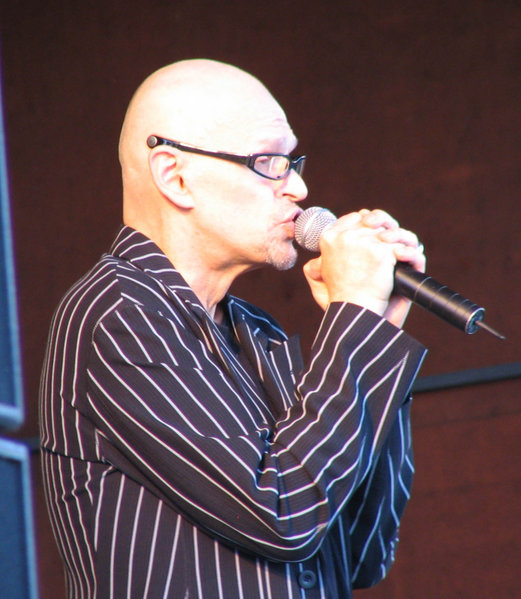
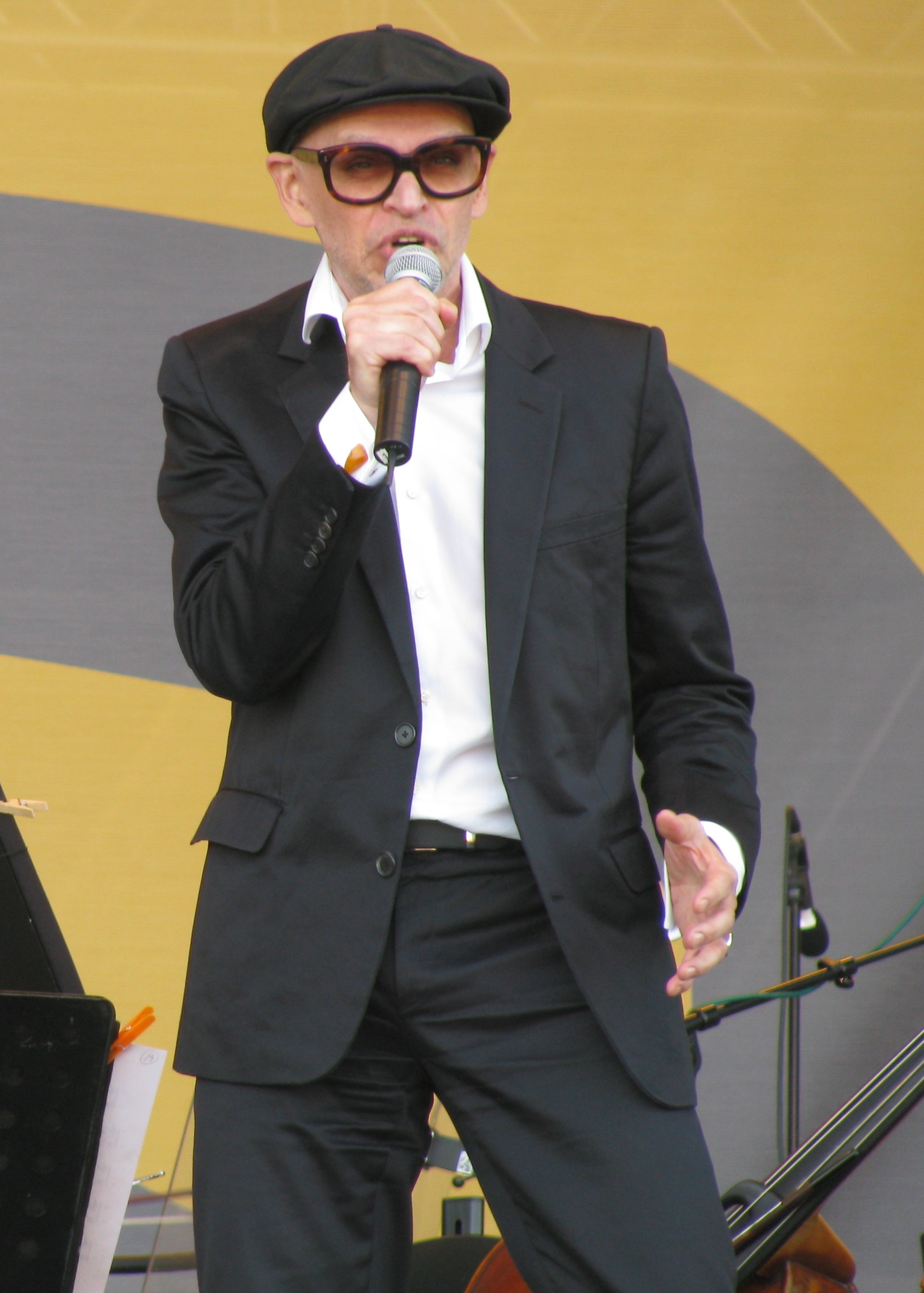
Parallel to his dance career, Uotinen developed a practice as a singer and concert performer. He released the ten-track album *Tunteiden taivas* in 1998 and later recordings, including the 2020 single "EI HUOLA." Across dance, institutional direction, music, and television, his career represents an unusually broad form of stage authorship, one that refuses easy separation between classical and contemporary forms, between artistic creation and cultural leadership, or between specialist and public spheres.
Career Highlights
Born on 28 June in Pori, Finland. Wikidata/Elonet
Joined the Finnish National Ballet as a dancer. Theatre Academy Finnish dance history
Aspekteja, choreographed by Uotinen to music by Aulis Sallinen, appeared in the Finnish National Ballet repertory on 16 January. Theatre Academy repertory table
Left the Finnish National Ballet for Carolyn Carlson’s experimental Paris-based company, a formative move toward contemporary practice. Finnish National Opera and Ballet
Unohdettu horisontti became an early landmark of his independent choreographic identity at Helsinki Festival. Theatre Academy interview/history
Began the period generally dated 1987–1990 as artistic director of Helsinki City Theatre’s dance company. official biography
Took office as artistic director of the Finnish National Ballet. Finnish National Opera and Ballet directors list
Led the ballet into the new Opera House, whose stage and rehearsal facilities materially expanded production possibilities. Finnish National Opera and Ballet
The National Ballet presented Sylvie Guillem’s Giselle during his tenure; Uotinen also released the ten-track album Tunteiden taivas. Finnish National Opera and Ballet
Evangelium brought a gothic, punk-inflected theatrical world to the National Ballet and attracted audiences beyond conventional ballet publics. Finnish National Opera and Ballet
Began an eighteen-season tenure as artistic director of Kuopio Dance Festival, continuing through 2019. Kuopio Dance Festival
Joined the original judging panel of Finland’s Tanssii Tähtien Kanssa, extending dance commentary into mass television. MTV Uutiset, 14 November 2024
Gallery
Legacy & Impact
Uotinen matters because he made the boundaries among ballet, contemporary dance, theatrical image, institutional programming, and popular performance unusually permeable. As a choreographer, he helped establish a visually driven contemporary sensibility within Finnish dance; as an artistic director, he used international networks to broaden the Finnish National Ballet's repertory and Kuopio Dance Festival's reach; and as a performer and media figure, he kept dance judgment and stagecraft visible to wide audiences. His legacy is therefore both artistic and infrastructural: works, performances, repertory choices, audiences, and institutions all form part of the record.


Explore More Legends
Discover the dancers, teachers, choreographers, and cultural icons who shaped how the world moves.
Keep the thread going
Dance history, technique, and the occasional rabbit hole — in your inbox. Thoughtful, infrequent, unsubscribe anytime.
Free. No spam. One click to leave.