Choreographer · Innovator · Teacher
José Limón
Dance's Dramatic Sculptor
Why They Matter
His technique remains one of the major pillars of modern dance training worldwide, and he expanded the male dancer's emotional range.
Styles José Limón shaped
Each one links to the style’s own page — its origins, music, tempo and video.
Biography
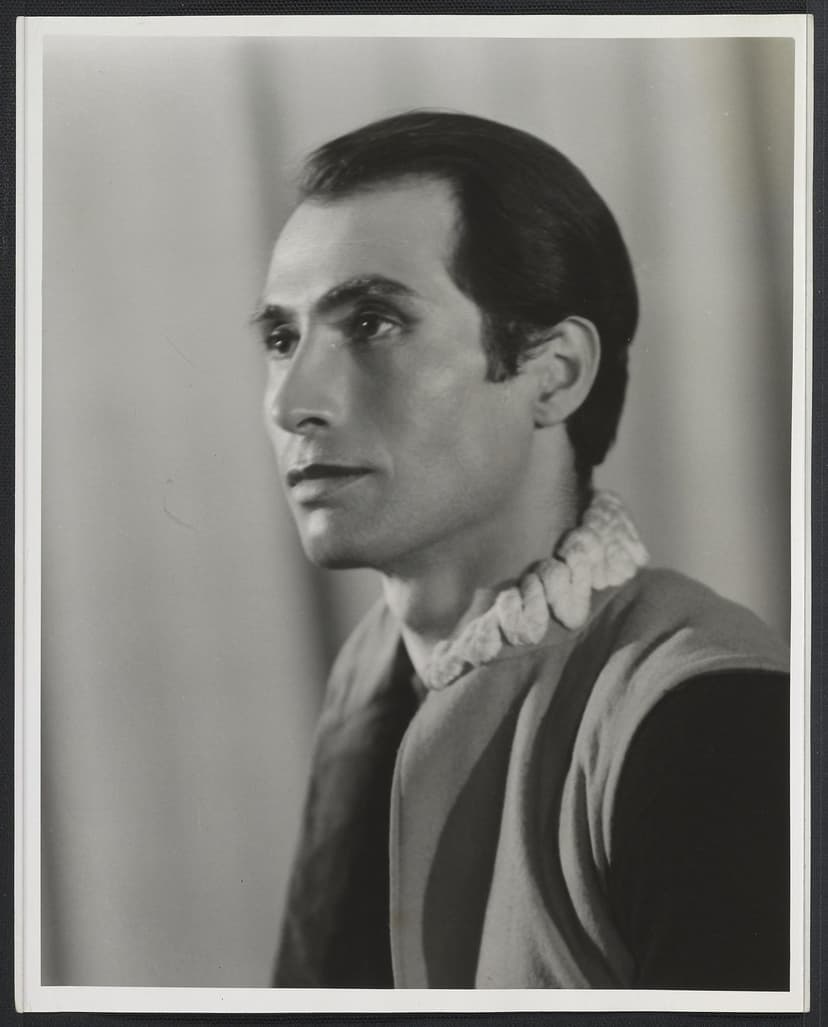
José Arcadio Limón was born on 12 January 1908 in Culiacán, Sinaloa, Mexico, during the upheavals of the Mexican Revolution. His family immigrated to the United States during his childhood, eventually settling in the Los Angeles area. Limón first pursued visual art, studying at UCLA before moving to New York in 1928 with ambitions to paint. Seeing Harald Kreutzberg perform redirected his path entirely. In 1929 he began training with Doris Humphrey and Charles Weidman, two major figures in emerging American modern dance, and soon joined their performing company. During the 1930s he danced, created his early works, and appeared in Broadway and Federal Theatre Project productions, including his first major choreographic work, *Danzas Mexicanas*, which brought Mexican subject matter into concert dance.
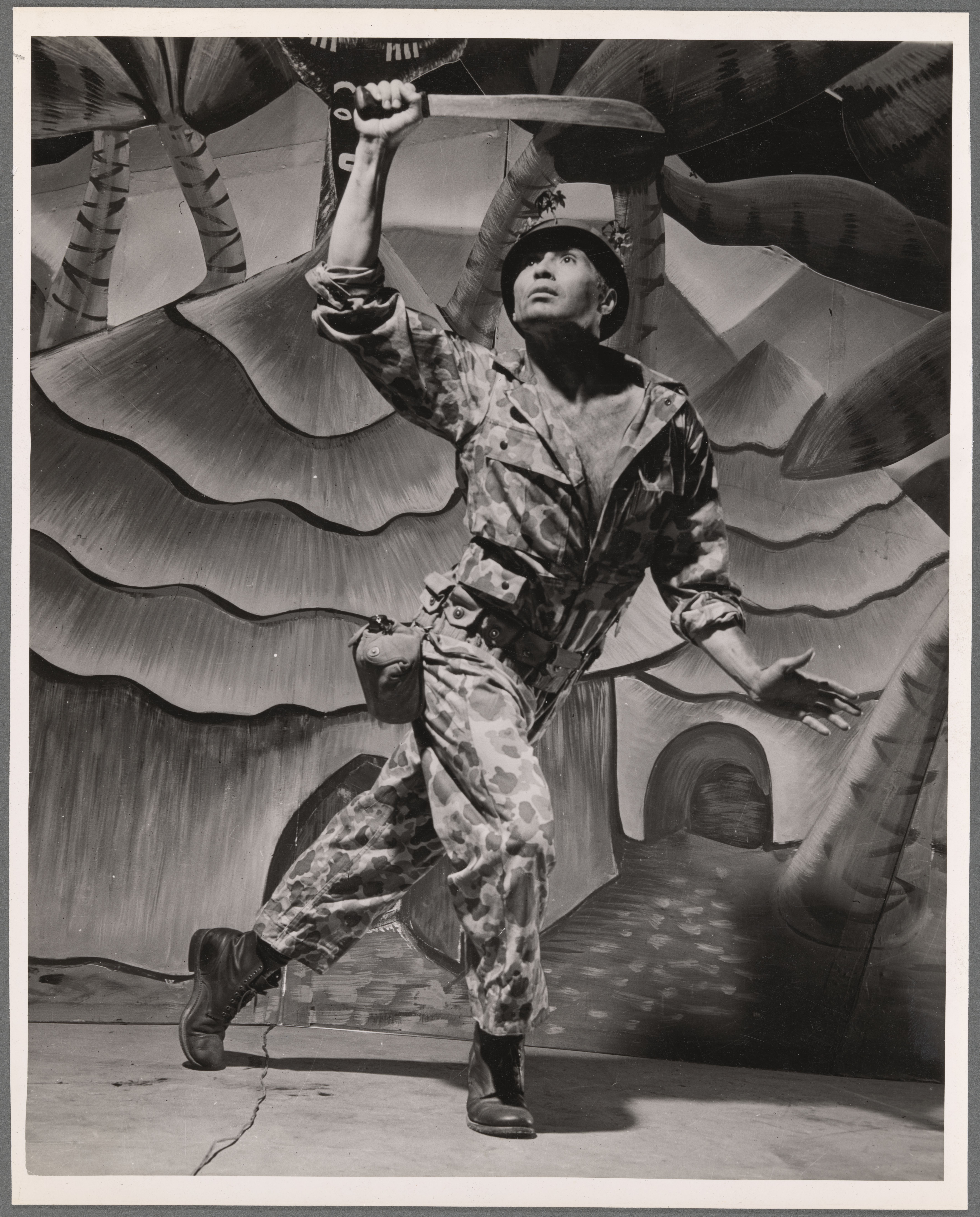
Limón served in the U.S. Army from 1943 in Special Services, continuing to choreograph and perform in military theatrical programs including *We Speak for Ourselves* (1943) and *Deliver the Goods* (1944). In 1946, following his military service and after becoming a U.S. citizen, Limón and Humphrey founded what became the Limón Dance Company. The company performed that year and made its documented New York debut at the Belasco Theatre in 1947. This partnership was essential to the work: Limón served as founder, leading dancer and choreographer, while Humphrey functioned as artistic director, coached works and created repertory.
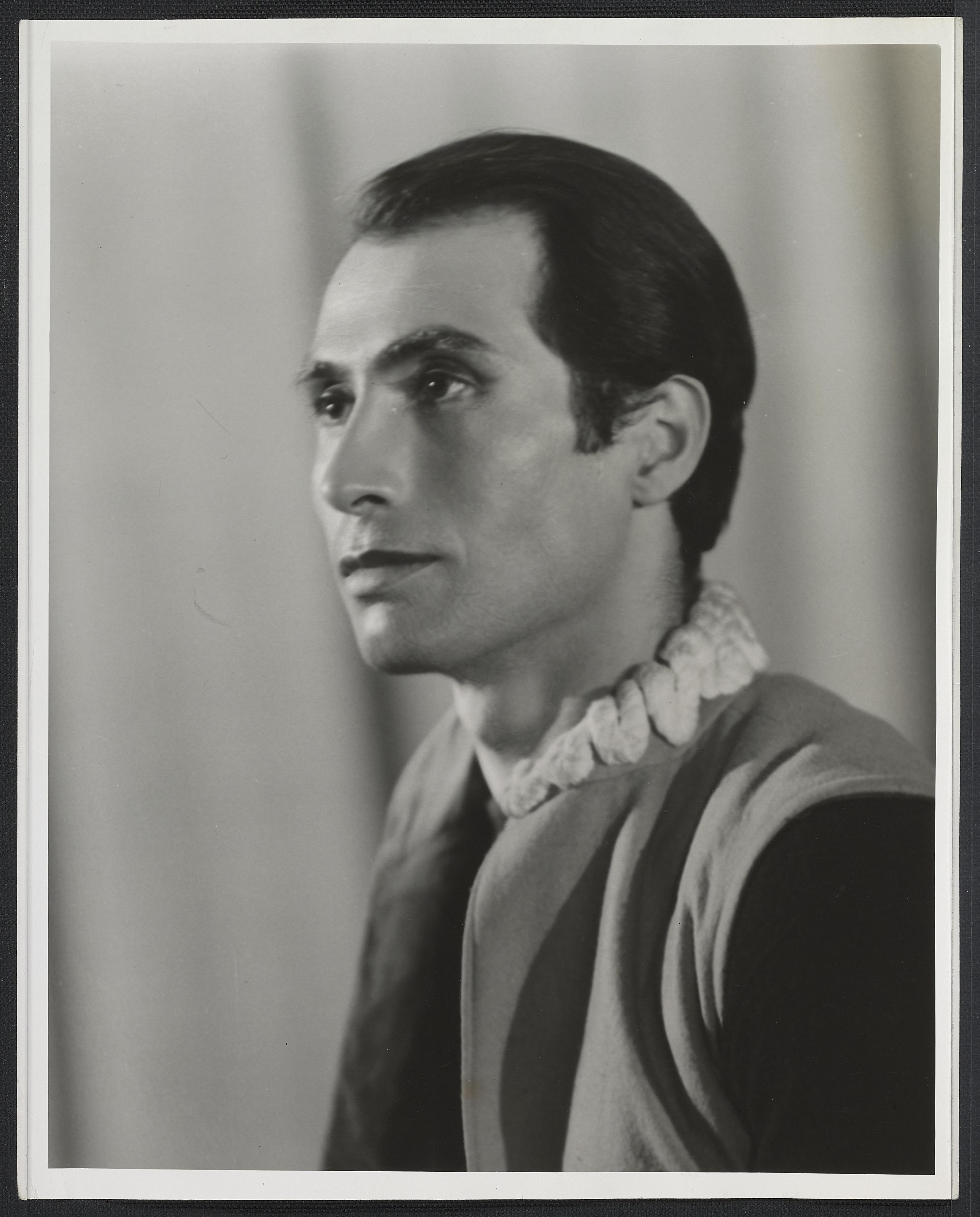
*The Moor's Pavane*, which premiered on 17 August 1949, became Limón's most widely revived work. The quartet distilled Shakespeare's *Othello* into a chamber piece danced by Limón, Betty Jones, Lucas Hoving and Pauline Koner, set to Henry Purcell's music with costumes by Pauline Lawrence. Its courtly form made small changes—shifts in focus, touch, withheld weight and sudden directional force—expose the jealousy and violence underneath ceremonial gesture. Limón expanded his dramatic range through subsequent works: *The Traitor* (1954) transposed betrayal into modern political parable, *There Is a Time* (1956) organized movement around verses from Ecclesiastes, and *Missa Brevis* (1958) responded to postwar devastation through ensemble work set to Zoltán Kodály's score.
Limón's influence extended far beyond his own performances through teaching and cultural diplomacy. He joined Juilliard's Dance Division faculty at its founding in 1951 and remained there until his death. In 1954 his company became the first dance company sent to Latin America through the U.S. government's Emergency Fund for cultural diplomacy during the Cold War. He continued making works through the 1960s, including *A Choreographic Offering* (1964), a tribute to Humphrey, and *Psalm* (1967). Though he performed actively until 1969, he continued choreographing and teaching for the remainder of his life.
Limón died on 2 December 1972. The company's continuation after his death marked a significant moment in modern dance history—among the first sustained survival of a founder-led company beyond its creator. The Limón Institute, created in 1985 within the José Limón Dance Foundation, now oversees licensing and teaching, while the company itself combines works by Limón and Humphrey with later repertory. The National Medal of Arts, awarded to the José Limón Dance Foundation in 2008, recognizes not a single artist but rather a living institution: the body of dances, movement practice, and distributed lineage sustained by generations of dancers, teachers, reconstructors and directors.
Career Highlights
Born on 12 January in Culiacán, Sinaloa, Mexico. University of Washington
The Limón Foundation dates his immigration to the United States with his family to this year; other accounts differ. Limón Foundation
Moved to New York after studying art at UCLA and encountered the dance performance that redirected his career. Pacific Northwest Ballet
Began training with Doris Humphrey and Charles Weidman and soon entered their performing circle. NEA
Premiered Danzas Mexicanas, identified by the NEA as his first major choreographic work. NEA
Was drafted into the U.S. Army and served in Special Services, continuing theatrical work during wartime. NEA
Founded the José Limón Dance Company with Doris Humphrey as artistic director. Limón Foundation
The company gave its New York debut at the Belasco Theatre. NEA
The Moor’s Pavane premiered on 17 August and became his most widely revived work. Pacific Northwest Ballet
Joined the faculty of Juilliard’s newly established Dance Division. Juilliard
The company toured Latin America through the U.S. government’s Emergency Fund cultural-diplomacy program. Library of Congress
Created Missa Brevis for Juilliard dancers to Zoltán Kodály’s score, drawing on the aftermath of wartime destruction. Juilliard
Gallery

Works
One stage work credited to José Limón.
- The Moor's PavaneBallet · Choreographer
Credits sourced from Wikidata (CC0), one citation per field. Works without a recorded premiere date are listed last. Titles link to the work in Limelight.
José Limón on screen
Films and television featuring José Limón, with the sequences we have indexed.
 This site uses TMDB and the TMDB APIs but is not endorsed, certified, or otherwise approved by TMDB.
Legacy & Impact
Limón matters because his career joined performance, choreography, pedagogy and institution-building without reducing dance to virtuosity alone. His repertory made ethical conflict, grief, community and historical memory legible through weighted bodies and sharply structured dramatic relationships. Equally important, the Limón legacy is not a single-author monument: it carries Doris Humphrey's artistic direction and thought, the original dancers' interpretive artistry, the labor of teachers and reconstructors, and the repertory company's openness to later choreographers. That distributed lineage helped modern dance survive the generational transition that often dissolved founder-led companies.


Explore More Legends
Discover the dancers, teachers, choreographers, and cultural icons who shaped how the world moves.
Keep the thread going
Dance history, technique, and the occasional rabbit hole — in your inbox. Thoughtful, infrequent, unsubscribe anytime.
Free. No spam. One click to leave.