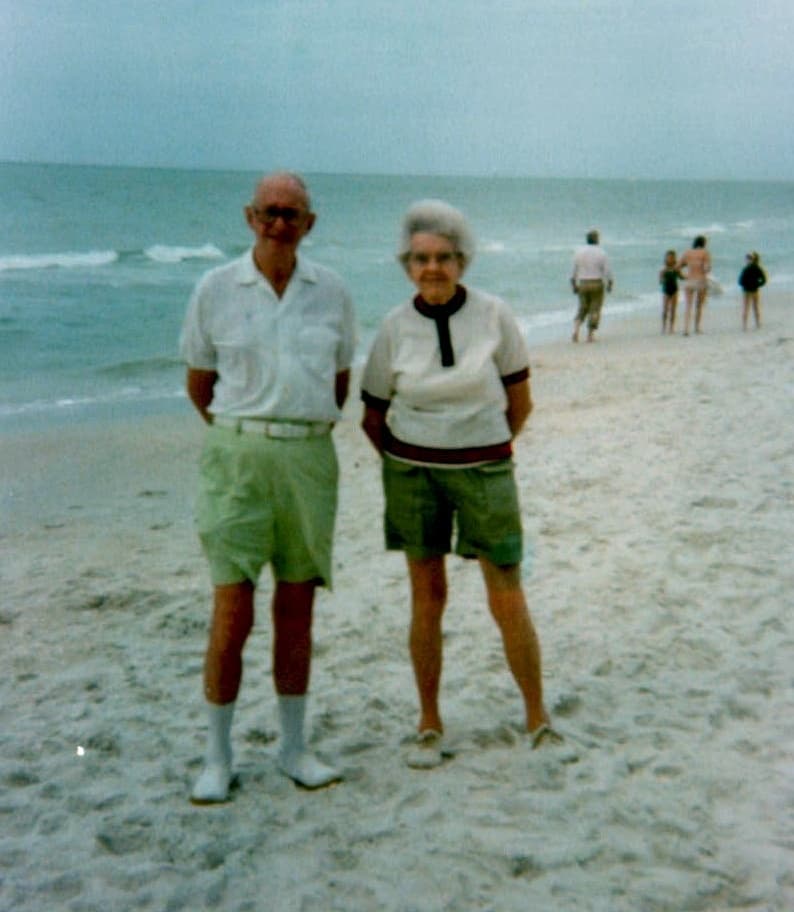
Katharine Townsend Whitney Curtis, commonly called Katherine or “Kay” Curtis
Legend of Dance
Why They Matter
Curtis matters because she converted scattered aquatic performance practices into a teachable, nameable and governable form. Her book, rules, demonstrations and training system gave synchronized swimming an infrastructure that could outlast any single show. Her history also reveals a dance lineage…
Biography
Katharine Townsend Whitney Curtis was the physical educator who systematized rhythmic swimming and transformed aquatic pageantry into an organized competitive sport. Born in Milwaukee, Wisconsin on 4 January 1897, Curtis grew up as a strong swimmer and documented her 1912 crossing of Lake Mendota while still a teenager. She studied physical education at the University of Wisconsin and completed a bachelor's degree at the University of Chicago, launching a career that integrated teaching, swimming and public recreation.
In the 1920s, Curtis began organizing water-ballet and rhythmic swimming in Chicago. USA Artistic Swimming's historical timeline records experiments with diving actions and stunts as early as 1915 and a water-ballet club by 1923. Curtis's innovation lay not simply in placing swimmers in formation, but in coordinating strokes, floating patterns and body actions with musical meter and phrase. For Chicago's Century of Progress exposition in 1934, she trained the Modern Mermaids—sixty swimmers who performed in the lagoon while announcer Norman Ross introduced the term "synchronized swimming" to the public. Curtis herself continued to prefer the name "rhythmic swimming" in her teaching and publishing.
Her 1936 book *Rhythmic Swimming: A Source Book of Synchronized Swimming and Water Pageantry* established a vocabulary for skills, composition and production that educators and coaches could adopt and teach. Working with Clark Leach, Curtis prepared detailed rules in 1940; the AAU adopted national rules in 1941 and placed synchronized swimming on its national-championship program. These achievements made her the systematizer and organizer of the modern competitive form, though the history of ornamental swimming and water ballet extended before her work.
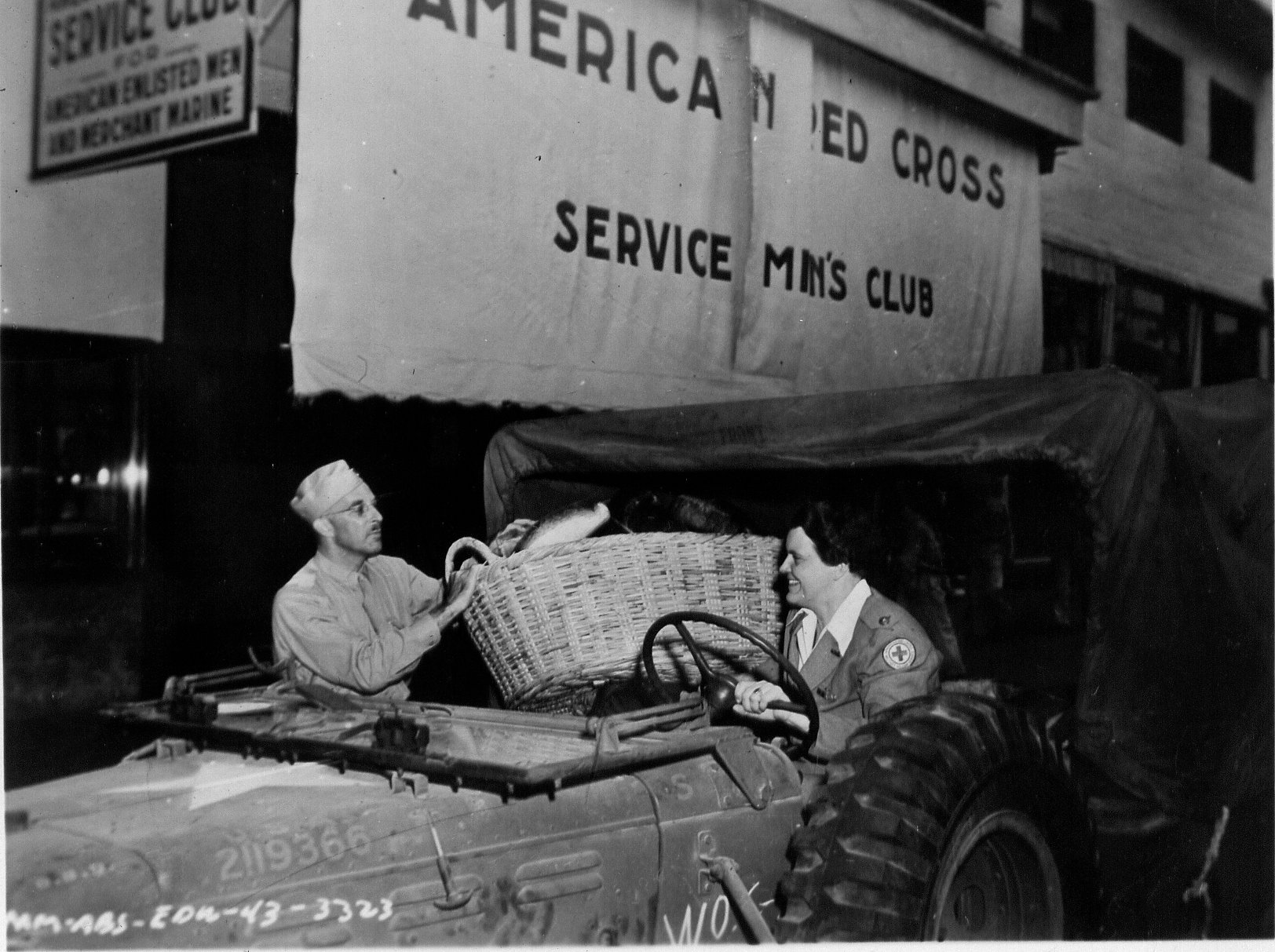
World War II redirected Curtis's career. She joined the American Red Cross and served as a recreation director in North Africa and Europe, staging an international aquacade at Caserta, Italy in 1945. She remained abroad in U.S. Army special services and travel administration until 1962. Recognition accumulated gradually: the Helms Hall of Fame honored Curtis and Annette Kellerman for synchronized swimming in 1959; the International Academy of Aquatic Art recognized her for distinguished service in 1978; and the International Swimming Hall of Fame inducted her in 1979. She died in Wisconsin on 6 July 1980.
Curtis's work shows how a physical educator translated dance principles—meter, unison, spatial pattern, phrasing and expressive theme—into a medium governed by buoyancy and breath. That translation shaped both competitive artistic swimming and aquatic pageantry, demonstrating that synchronized swimming's aesthetic structure came not from technique alone but from choreographic thought.
Career Highlights
Completed a documented long-distance crossing of Lake Mendota as a teenager.
Experimented with diving actions and aquatic stunts while a University of Wisconsin student, according to USA Artistic Swimming's timeline.
Organized a water-ballet club in Chicago.
Directed sixty Modern Mermaids at Chicago's Century of Progress exposition, where “synchronized swimming” was announced publicly.
Published Rhythmic Swimming, a foundational teaching and pageantry manual.
Drafted detailed rules with Clark Leach; the AAU adopted synchronized swimming nationally.
Began overseas Red Cross recreation service during World War II.
Staged an international aquacade at Caserta, Italy.
Was honored with Annette Kellerman by the Helms Hall of Fame for synchronized swimming.
Returned to the United States after postwar work in Europe.
Received Aquatic Art Hall of Fame distinguished-service recognition and entered the International Swimming Hall of Fame.
Died in Wisconsin on 6 July.
Gallery
Legacy & Impact
Curtis matters to dancers now because she established the infrastructure through which synchronized swimming could be taught, named and governed. Her book, rules, demonstrations and training system gave the sport a form that outlasted any single performance or era. More fundamentally, her work reveals a dance lineage inside artistic swimming: the sport's patterns, timing and spatial design were built through choreographic thought, not appended to athletic technique. That principle—that rhythm and phrase are foundational, not supplementary—remains central to how synchronized swimming is made and understood.


Explore More Legends
Discover the dancers, teachers, choreographers, and cultural icons who shaped how the world moves.
Keep the thread going
Dance history, technique, and the occasional rabbit hole — in your inbox. Thoughtful, infrequent, unsubscribe anytime.
Free. No spam. One click to leave.