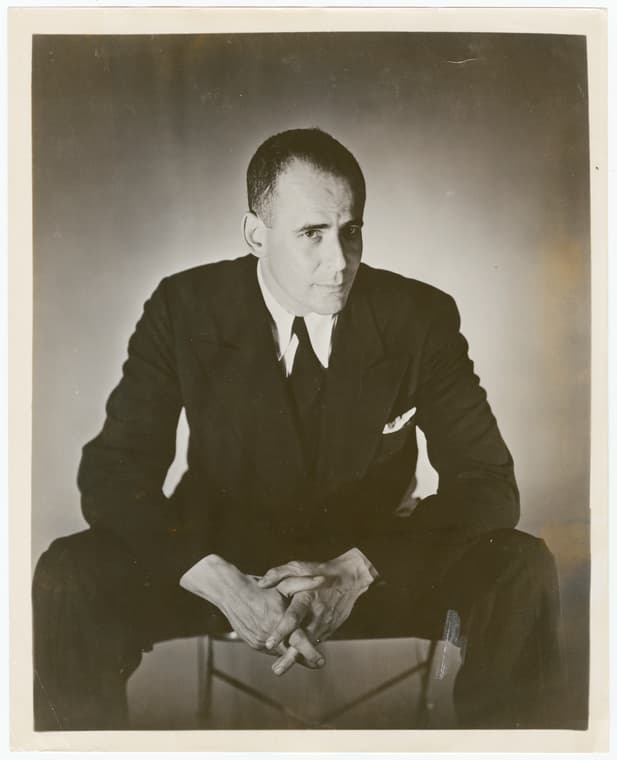
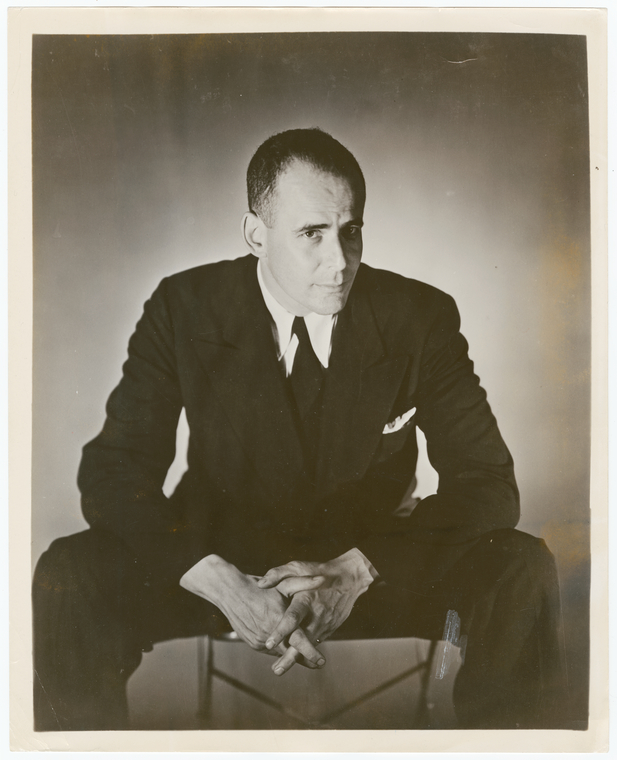
Lincoln Kirstein
Legend of Dance
Why They Matter
Kirstein matters to dance because he converted aesthetic conviction into long-lived public machinery. He identified a choreographer, accepted that a school had to precede a company, persisted through several failed or temporary troupes, built patronage and administrative networks, promoted American
Styles Lincoln Kirstein shaped
Each one links to the style’s own page — its origins, music, tempo and video.
Watch
SAB is a vision realized...
School of American Ballet
The official school frames the Kirstein-Balanchine founding vision as a continuing training institution.
But First a School... | This is SAB - #InsideSAB
School of American Ballet
The title and content connect Kirstein's company-building vision to the decision to establish a school first.
Biography
Lincoln Edward Kirstein (1907–1996) was an American impresario, writer, and institution builder who created the organizational and cultural infrastructure that made classical ballet a durable part of American public life. Born in Rochester, New York, and raised in Boston, Kirstein demonstrated his gift for founding at Harvard, where he established the literary magazine *Hound & Horn* in 1927 and co-founded the Harvard Society for Contemporary Art with John Walker and Edward M. M. Warburg in 1928. After earning his bachelor's degree in 1929 and master's degree in 1930, he set out to build something larger: a permanent classical ballet tradition in the United States, rather than relying on imported European seasons.
Kirstein became convinced that such a tradition required a choreographer of uncommon gifts. After seeing George Balanchine's work, he met the Georgian-born artist in London in 1933 and invited him to America. Balanchine had a condition: a school must come first. The School of American Ballet opened on January 2, 1934, with Kirstein as president and Balanchine leading its artistic faculty. This decision—to build a training institution before a performing company—proved foundational to everything that followed.
The permanent company emerged through a series of practical experiments. American Ballet became resident at the Metropolitan Opera; Ballet Caravan, founded in 1936, toured American-made works including *Filling Station* and *Billy the Kid*, both with libretti by Kirstein; American Ballet Caravan toured South America in 1941. Each venture taught Kirstein about ballet production, touring logistics, and the possibility of American subjects and artists in classical form, even when the organizations themselves proved temporary.
In 1943, Kirstein enlisted in the United States Army. By 1945, he was serving with the Monuments, Fine Arts, and Archives program as assistant to Captain Robert Posey in General Patton's Third Army, locating and protecting cultural property displaced or looted during the war. This work reflected the same conviction that animated his dance career: art required organized stewardship, documentation, and public responsibility.
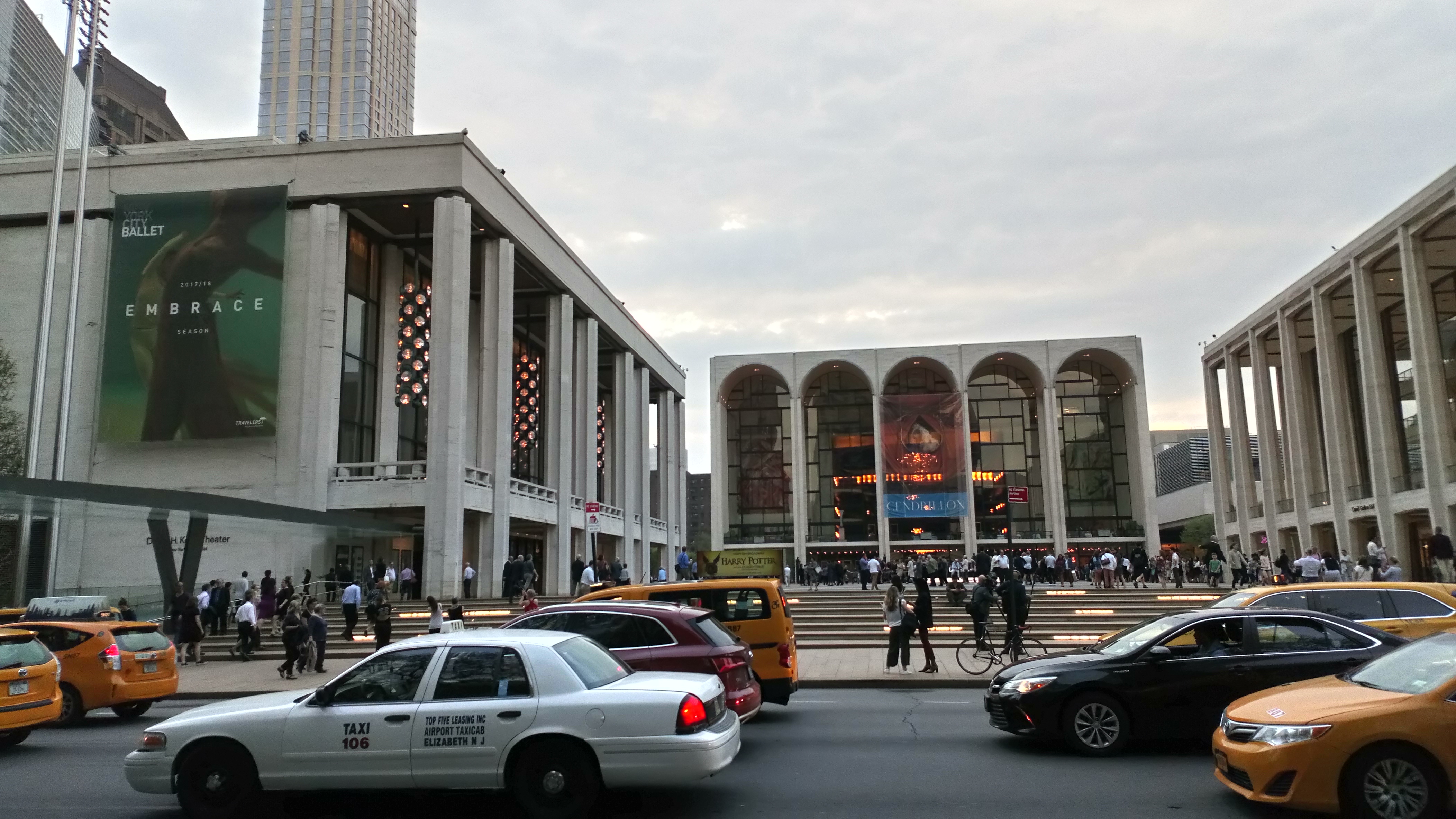
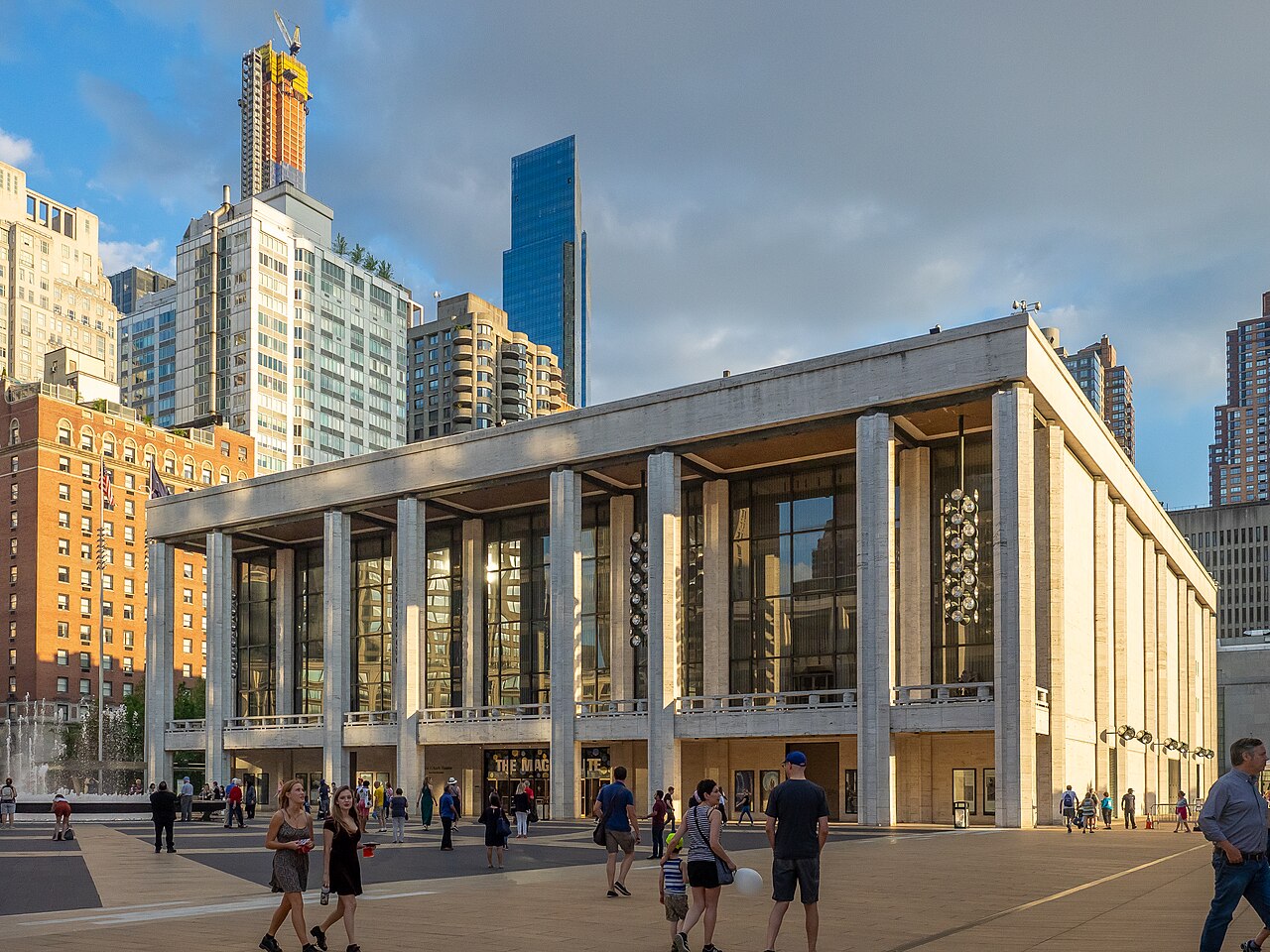
After military service, Kirstein and Balanchine founded Ballet Society in 1946. A 1948 performance of *Orpheus* persuaded City Center to invite the company to become a resident organization under the name New York City Ballet, with Kirstein as general director. The independent School of American Ballet became the company's official school. In 1964, the company moved into the New York State Theater at Lincoln Center, designed by Kirstein's Harvard friend Philip Johnson and now known as the David H. Koch Theater. Kirstein's work extended beyond administration: he wrote criticism, history, poetry, libretti, and autobiographical works; founded the Dance Archives at the Museum of Modern Art in 1940; and edited *Dance Index* from 1942 to 1948. His papers and collections enriched the New York Public Library's dance holdings. Kirstein retired from his leadership posts in 1989 and died in New York City in 1996.
Career Highlights
Founds Hound & Horn while an undergraduate at Harvard. New York City Ballet biography
Co-founds the Harvard Society for Contemporary Art with John Walker and Edward M. M. Warburg. Monuments Men and Women Foundation
Meets George Balanchine in London and invites him to build an American ballet project. New York City Ballet biography
Co-founds the School of American Ballet, which opens in New York on 2 January. School of American Ballet history
Founds Ballet Caravan, a touring company that presents American ballets including works with Kirstein libretti. New York City Ballet biography
Founds the Dance Archives of the Museum of Modern Art. New York City Ballet biography
Serves in the U.S. Army and ultimately with the Monuments, Fine Arts, and Archives program in Europe. Monuments Men and Women Foundation
Co-founds Ballet Society with Balanchine. New York City Ballet biography
Ballet Society becomes New York City Ballet; Kirstein becomes general director. School of American Ballet history
New York City Ballet establishes its permanent home in the New York State Theater at Lincoln Center. New York City Ballet biography
Retires from his leadership posts and becomes director emeritus. Monuments Men and Women Foundation
Gallery
Legacy & Impact
Kirstein matters to dancers today because he converted conviction into self-renewing institutional machinery. He identified a choreographer, accepted that training had to precede performance, persisted through several failed ventures, built patronage and administrative networks, championed American subjects, developed archives, and helped secure a permanent theatre. The School of American Ballet and New York City Ballet made his influence generative: dancers could be trained, repertory rehearsed, audiences cultivated, and knowledge preserved across generations. His legacy is less a movement technique than an infrastructure.


Explore More Legends
Discover the dancers, teachers, choreographers, and cultural icons who shaped how the world moves.
Keep the thread going
Dance history, technique, and the occasional rabbit hole — in your inbox. Thoughtful, infrequent, unsubscribe anytime.
Free. No spam. One click to leave.