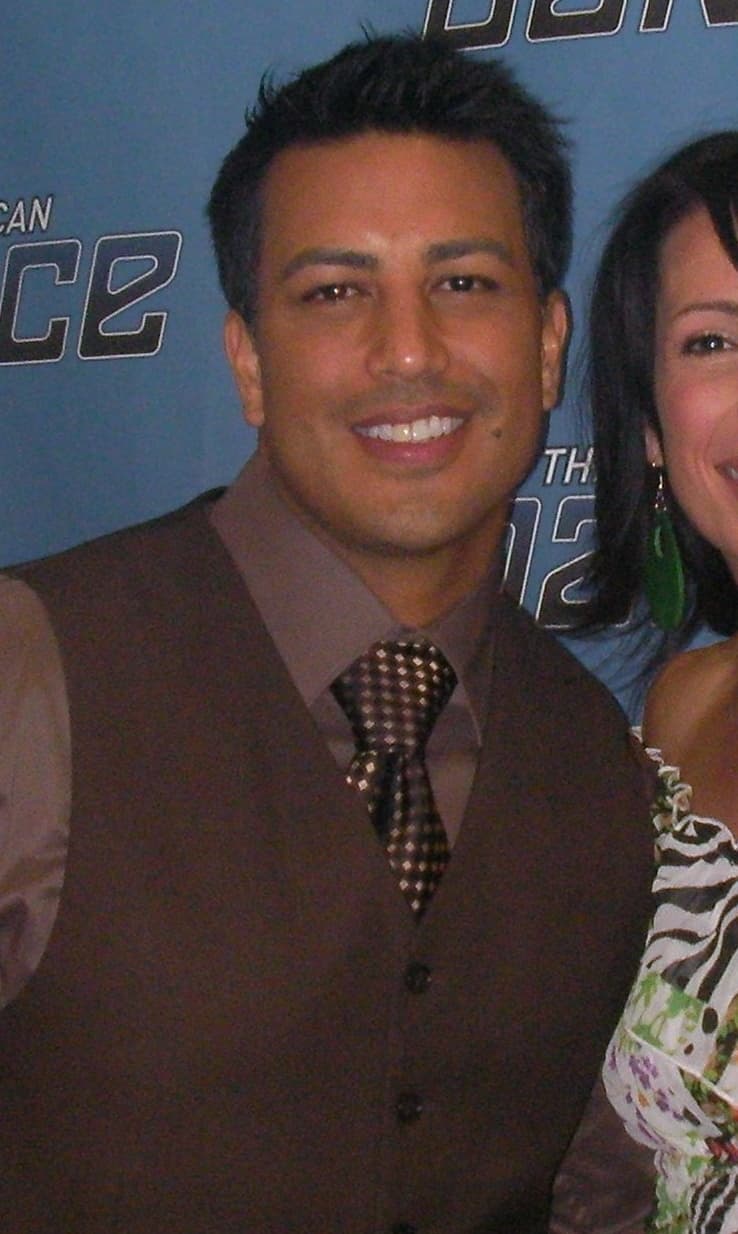
Napoleon Dumo
Legend of Dance
Why They Matter
Napoleon D’umo matters because he and Tabitha D’umo helped translate hip-hop-derived movement into the storytelling grammar of twenty-first-century commercial television without limiting their practice to dance steps alone. Their progression from choreography into direction, production, and…
Watch
Crew Call: Napoleon & Tabitha D'umo
Television Academy
Primary-source interview in which Nappytabs discuss dance, partnership, and career.
Biography
Napoleon Buddy D'umo is an American choreographer, director, and producer who, alongside his creative partner and spouse Tabitha D'umo, formed Nappytabs—a partnership that brought lyrical hip-hop to mainstream television and shaped the visual language of twenty-first-century dance on screen. Born October 17 in Victorville, California, D'umo grew up in the Apple Valley area during the 1980s breaking boom, when hip-hop culture was spreading from Los Angeles outward. He appeared as an extra in *Breakin' 2: Electric Boogaloo* in 1984, a detail that marks his early exposure to the commercial dance world.
D'umo met Tabitha Cortopassi while both were students at the University of Nevada, Las Vegas, in the early 1990s. The two developed as dancers and choreographers within the Culture Shock network, building experience through industrial shows and teaching before their partnership became both personal and professional—they married in 1998. After relocating to Los Angeles in 1999, the D'umos taught, danced commercially, and choreographed for entertainment and sports clients. In 2003, Napoleon joined the Monsters of Hip Hop faculty, extending his work as an educator alongside the duo's growing commercial practice.
In 2005, Tabitha and Napoleon D'umo co-founded the Nappytabs urban dancewear line, a name that would soon represent the duo themselves. Their national breakthrough arrived in 2008 when they became supervising choreographers on *America's Best Dance Crew* and resident choreographers on *So You Think You Can Dance*. Their narrative-driven hip-hop work—often described as lyrical hip-hop—synthesized the vocabulary of breaking and hip-hop with emotional storytelling and camera-ready imagery. A choreographed routine titled "Bleeding Love" earned an Emmy nomination in 2009, and the Television Academy awarded Outstanding Choreography in 2011 for the routines "Scars," "Fallin," and "Outta Your Mind," followed by a second Emmy in 2014 for "Puttin' on the Ritz," "Gold Rush," and "Run the World."
Nappytabs' work expanded far beyond television competition into concert staging, live broadcast, film, and music video production. Their credits include choreography and creative direction for Cirque du Soleil's *Viva Elvis*, co-direction of Jabbawockeez's *MÜS.I.C.* stage production, creative direction for *American Idol*, and choreography for artists including Ed Sheeran, Jennifer Lopez, Celine Dion, Madonna, and Mariah Carey. They served as co-executive producer and supervising choreographer on NBC's *World of Dance* beginning in 2017, roles that reflected their progression into the larger architecture of televised performance.
In recent years, Tabitha and Napoleon D'umo have deepened their work as producers and show-runners, earning credits as executive or co-executive producers on major broadcasts including Grammy Awards coverage—work associated with an Outstanding Variety Special Emmy nomination in 2022. Their career trajectory illustrates how choreographic thinking can extend beyond movement itself into the direction, editing, and conceptual design of live and recorded performance.
Career Highlights
Appeared as an extra in Breakin’ 2: Electric Boogaloo, according to a 2008 dance-industry profile. Dance Teacher Dance Teacher
Began the professional period that the Television Academy dates as Nappytabs’ continuous work in the dance industry. Television Academy Television Academy
Joined the Monsters of Hip Hop convention faculty, extending his work as an educator. Tabitha and Napoleon D’umo overview Tabitha and Napoleon D’umo overview
Co-founded the Nappytabs urban dancewear line with Tabitha D’umo. Television Academy Television Academy
Became a supervising choreographer on America’s Best Dance Crew and a resident choreographer on So You Think You Can Dance. Television Academy Television Academy
Received an Emmy nomination for the So You Think You Can Dance routine “Bleeding Love.” Television Academy Television Academy
Choreographed for Cirque du Soleil’s Viva Elvis and co-directed Jabbawockeez’s MÜS.I.C. stage production. Television Academy; MSA Agency Television Academy
Won the Emmy for Outstanding Choreography for So You Think You Can Dance routines “Scars,” “Fallin,” and “Outta Your Mind.” Television Academy Television Academy
Won a second Outstanding Choreography Emmy for “Puttin’ on the Ritz,” “Gold Rush,” and “Run the World.” Television Academy Television Academy
Began credited work as co-executive producer and supervising choreographer on NBC’s World of Dance. Nappytabs official biography; MSA Agency Nappytabs official biography
Worked as part of the producing team for the Grammy Awards, a project later associated with an Outstanding Variety Special Emmy nomination. MSA Agency MSA Agency
Gallery
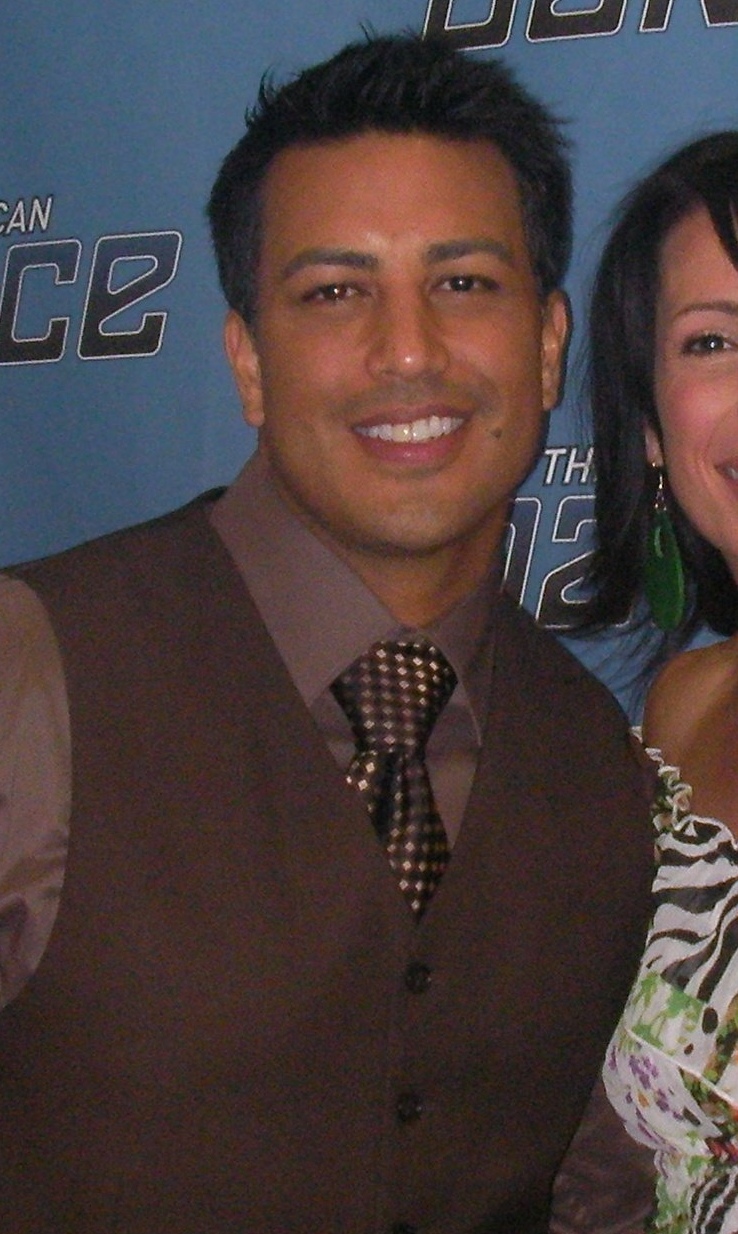
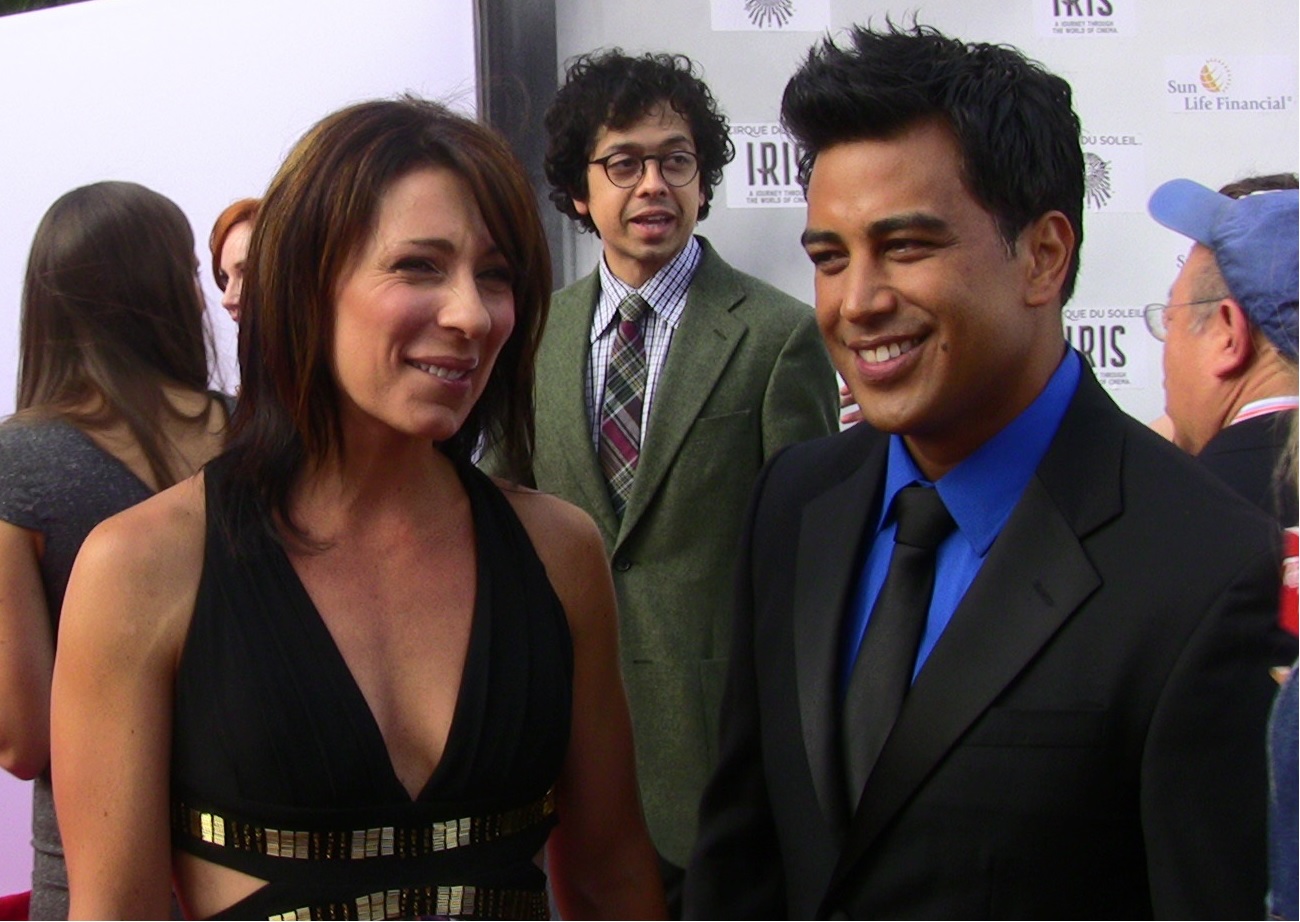
Legacy & Impact
Tabitha and Napoleon D'umo remain central to contemporary dance because they demonstrated how hip-hop-derived choreography could anchor broadcast storytelling without abandoning its cultural roots or reducing dancers to technical display. Their progression from choreography into direction and production established the principle that dance makers could author the full visual and narrative architecture of large-scale entertainment. For dancers and choreographers now working in television, film, and live spectacle, Nappytabs' work is a continuous reference point—evidence that hip-hop vocabulary can sustain emotional complexity and that choreographers belong in the rooms where shows are conceived, not only where steps are set.

Explore More Legends
Discover the dancers, teachers, choreographers, and cultural icons who shaped how the world moves.
Keep the thread going
Dance history, technique, and the occasional rabbit hole — in your inbox. Thoughtful, infrequent, unsubscribe anytime.
Free. No spam. One click to leave.