
Neville Tranter
Legend of Dance
Why They Matter
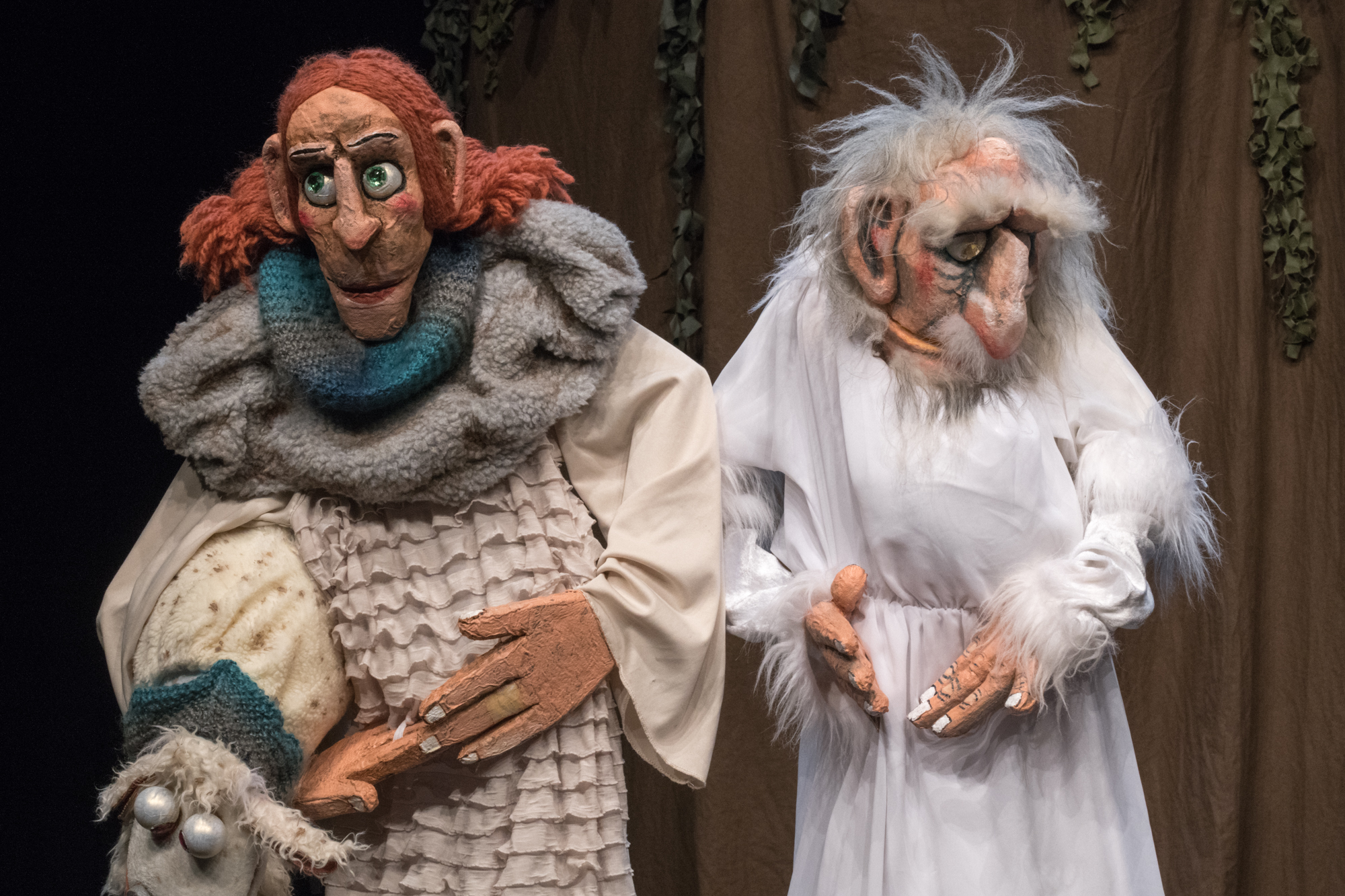
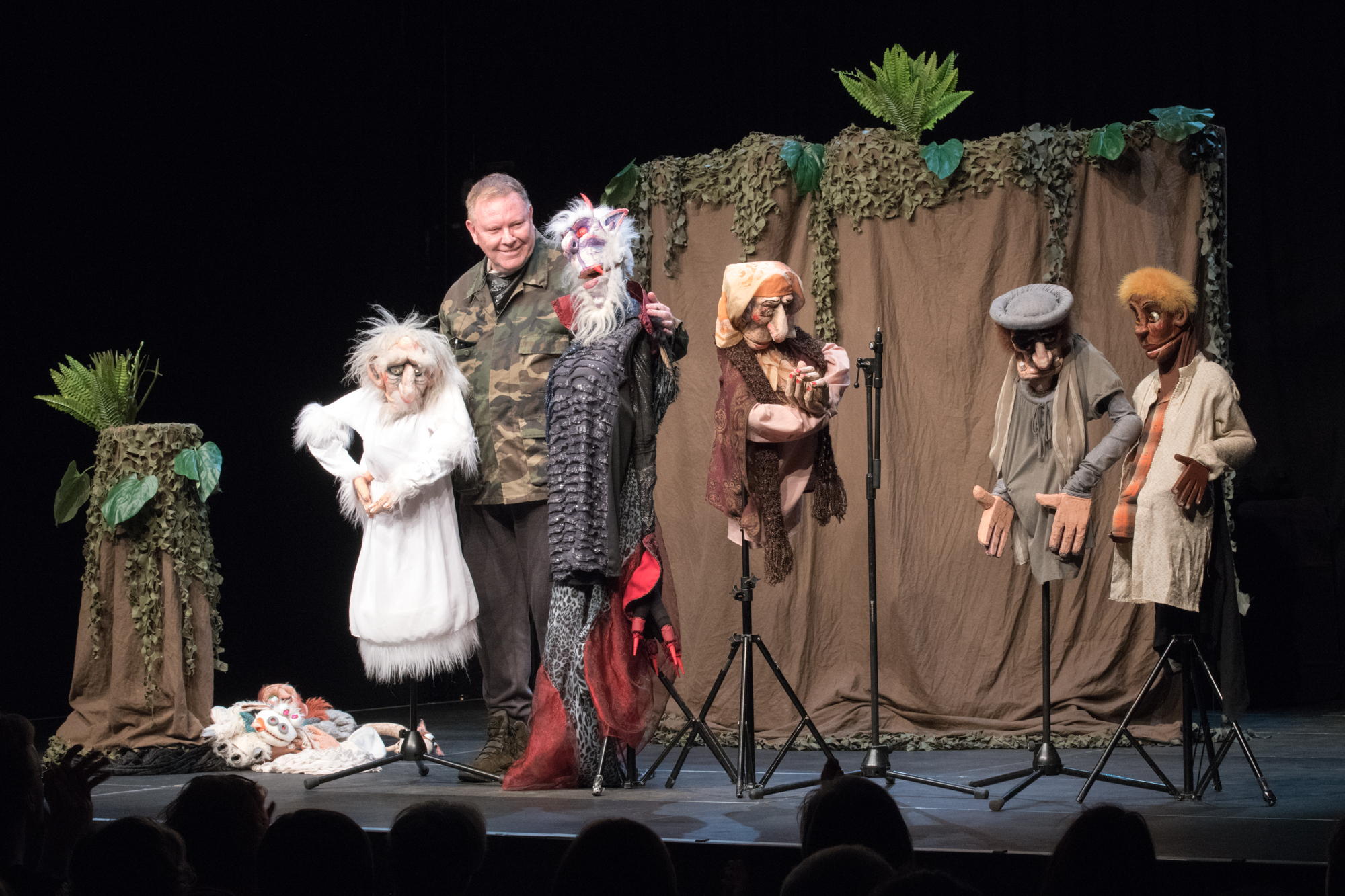
Tranter made the visible relationship between performer and puppet a central dramatic subject in contemporary European puppetry. His life-size figures can oppose, seduce, humiliate or outmaneuver their operator, allowing power to be staged as a physical negotiation rather than merely described in…
Known For
Watch
Puppetry lesson #4 — A Neville Tranter training
Studio Figur
Documents Tranter's teaching method and the physical relationship between performer and puppet.
Ei! Marionetas 2019 — The Power of the Puppet: Neville Tranter
Ei! Marionetas / festival owner
Provides festival documentation of the workshop framework most associated with Tranter's pedagogy.
Biography
Neville Tranter, born in Australia in 1955, is a puppeteer, actor, writer, director and designer whose work transformed adult puppet theatre by placing the visible performer alongside life-size speaking figures. He trained in drama in Queensland with American director Robert Gist and worked with the Billbar Puppet Theatre before founding Stuffed Puppet Theatre in 1976. From its beginning, the company's central experiment was to combine the exposed actor with puppets rather than hiding the operator behind a screen.
After Stuffed Puppet Theatre appeared at Amsterdam's Festival of Fools in 1978, Tranter moved to the Netherlands, where he developed a touring form of visual theatre built around large, often speaking puppets, a single visible performer and rapid transfers of voice and attention. *Studies in Fantasy* in the early 1980s established the solo format, followed by works including *Manipulator*, *Underdog*, *Room 5* and *Macbeth!*. In 1992, the Henson International Festival brought Stuffed Puppet Theatre to the United States with *Manipulator* and *Underdog*, positioning Tranter's work as theatre for adults rather than children's entertainment.
The recurring structure in his work involves a tension between operator and object: the performer appears to dominate the puppet, then the puppet's demand, gaze or voice reorganizes the human performer's body. Later productions used this actor-object relationship to confront historical and political material. *Molière* (1998) explored the playwright's final hours; *Schicklgruber, alias Adolf Hitler* (2003) staged the bunker through grotesque figures; *Punch and Judy in Afghanistan* (2009) placed traditional comic violence in contemporary war; and *Mathilde* (2012) examined institutional care and dying. These works combine dark humor with emotional directness rather than treating puppets as decorative illustration. In *Babylon* (2017), Tranter turned to refugees and border politics. His later solo *UBU* (2021) extended a body of more than twenty productions built since the early 1980s.
Teaching has run alongside performance throughout Tranter's career. His "Power of the Puppet" workshops emphasize the puppet as an acting partner and the operator's visible presence as part of the scene. He has taught at European academies including ESNAM from its first graduating class and continued working with its students in 2025–26. His influence lies not only in a recognizable repertory but in a practical pedagogy of focus, voice, resistance and shared stage agency.
Career Highlights
Completed drama studies in Queensland and founded Stuffed Puppet Theatre. Institut International de la Marionnette / ESNAM Institut International de la Marionnette / ESNAM
Appeared with Stuffed Puppet Theatre at Amsterdam's Festival of Fools and moved to the Netherlands. Chicago International Puppet Theater Festival Chicago International Puppet Theater Festival
Created Studies in Fantasy, identified in a scholarly repertory survey as the first of more than twenty solo productions. Puppeteers of the World Puppeteers of the World
Created his puppet-theatre treatment of Macbeth!. Puppeteers of the World Puppeteers of the World
Made his documented U.S. debut at the Henson International Festival with Manipulator and Underdog. Henson International Festival archive Henson International Festival archive
Created Molière, later honored at multiple international puppet festivals. Puppeteers of the World Puppeteers of the World
Premiered Schicklgruber, alias Adolf Hitler, a bunker drama developed with European coproducers. Institut International de la Marionnette / ESNAM Institut International de la Marionnette / ESNAM
Created Punch and Judy in Afghanistan. Institut International de la Marionnette / ESNAM Institut International de la Marionnette / ESNAM
Received a Spectaculo Interesse festival award for his performance in Punch & Judy in Afghanistan. Spectaculo Interesse festival history Spectaculo Interesse festival history
Created Mathilde, addressing age, institutional care and death. Institut International de la Marionnette / ESNAM Institut International de la Marionnette / ESNAM
Created Babylon, centered on refugees and forced displacement. Institut International de la Marionnette / ESNAM Institut International de la Marionnette / ESNAM
Created UBU, extending a solo repertory spanning four decades. Puppeteers of the World Puppeteers of the World
Gallery

Legacy & Impact
Tranter made the visible relationship between performer and puppet a central dramatic subject in contemporary European puppetry. His life-size figures can oppose, seduce, humiliate or outmaneuver their operator, allowing power to be staged as a physical negotiation rather than merely described in dialogue. That approach has influenced adult puppet theatre internationally, while his long teaching practice has given later artists a transferable method for treating focus, weight, voice and object agency as one performance system.


Explore More Legends
Discover the dancers, teachers, choreographers, and cultural icons who shaped how the world moves.
Keep the thread going
Dance history, technique, and the occasional rabbit hole — in your inbox. Thoughtful, infrequent, unsubscribe anytime.
Free. No spam. One click to leave.