Performer · Choreographer · Teacher · Community Builder
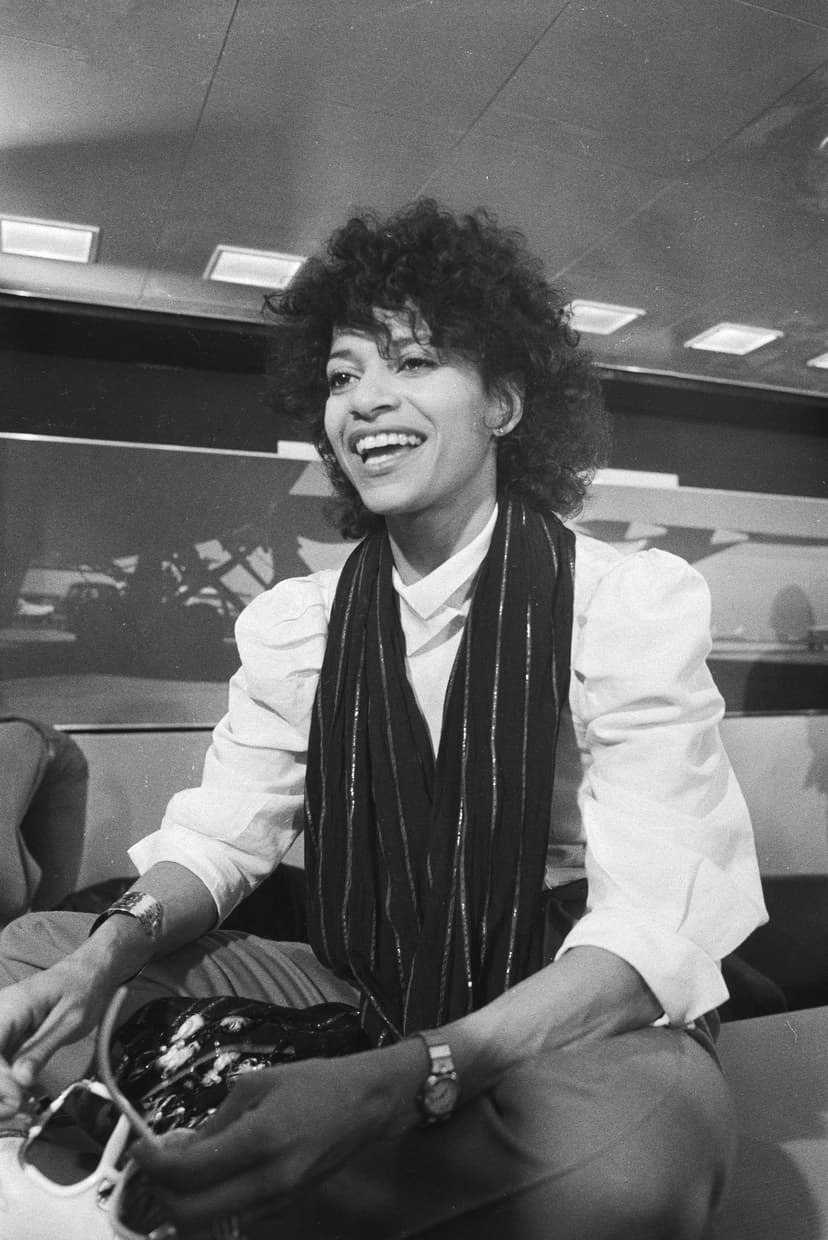
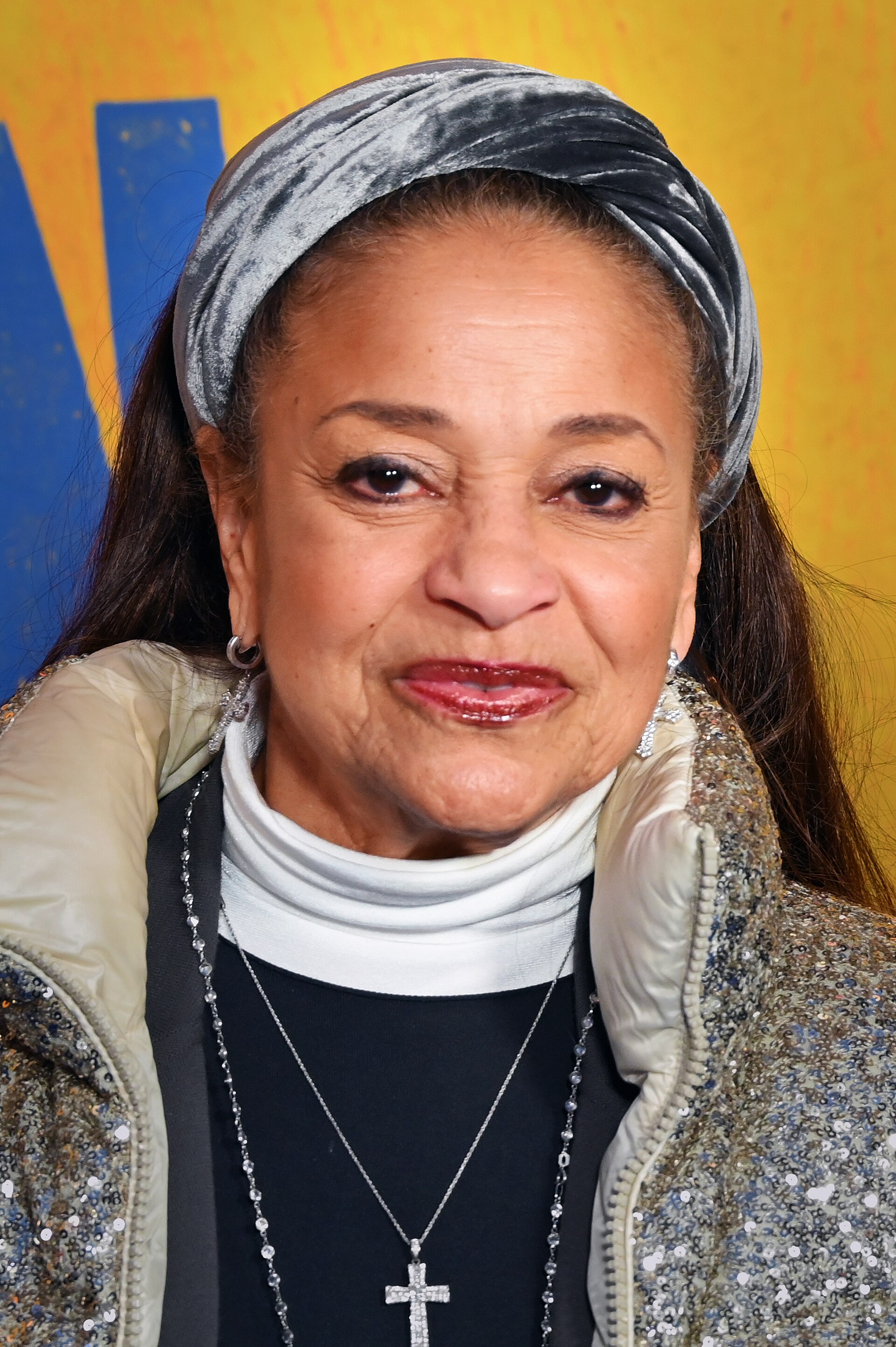
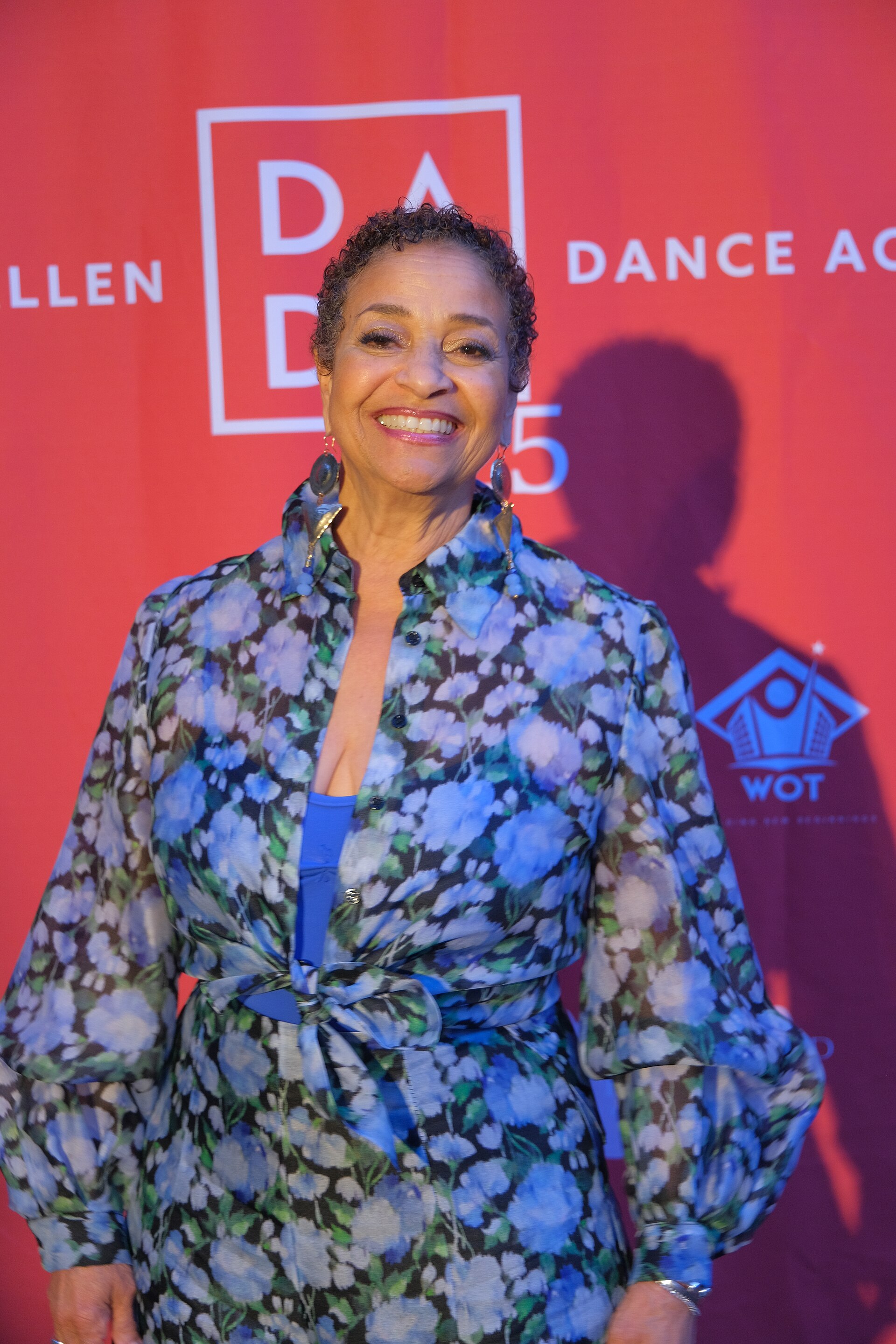
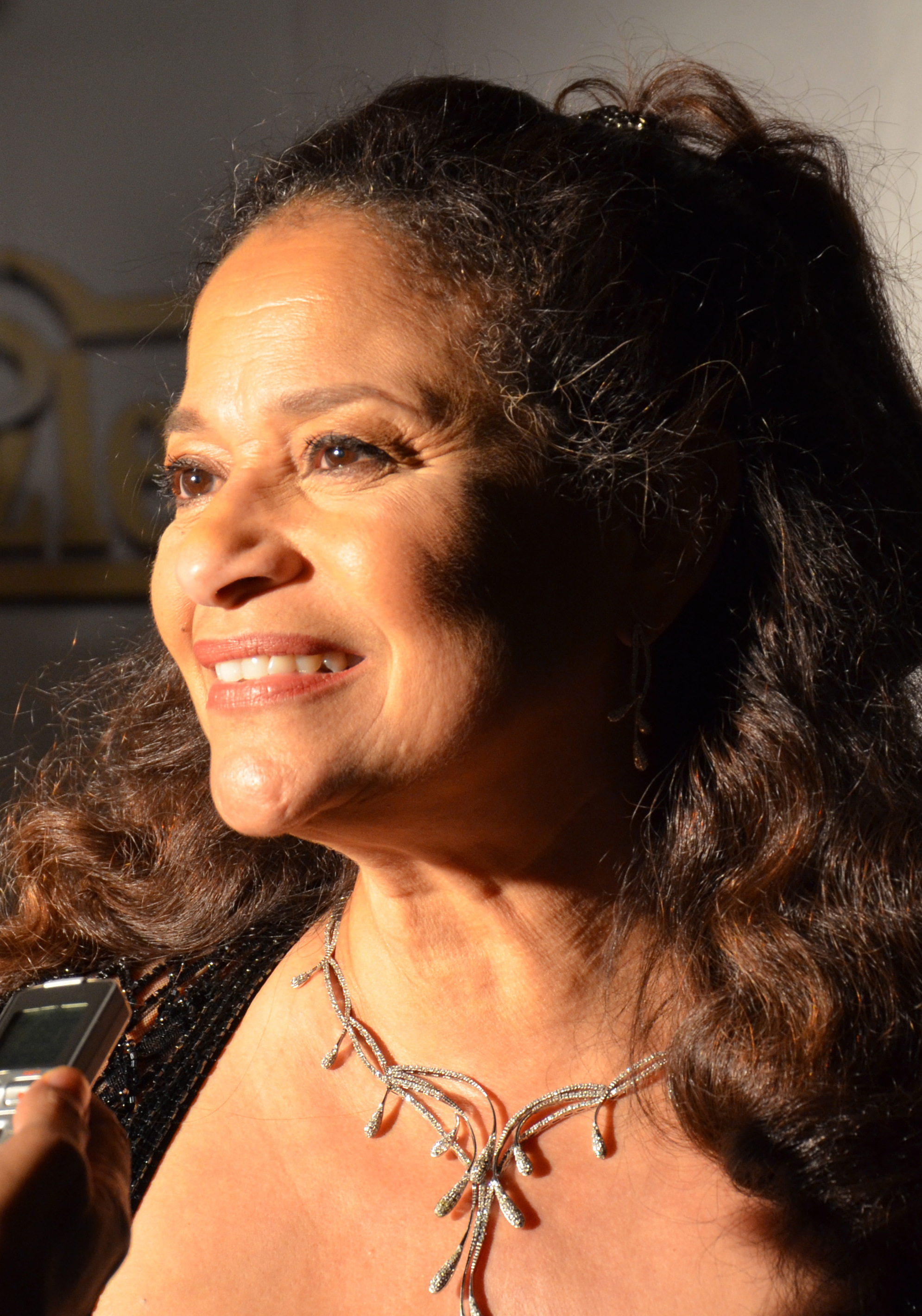
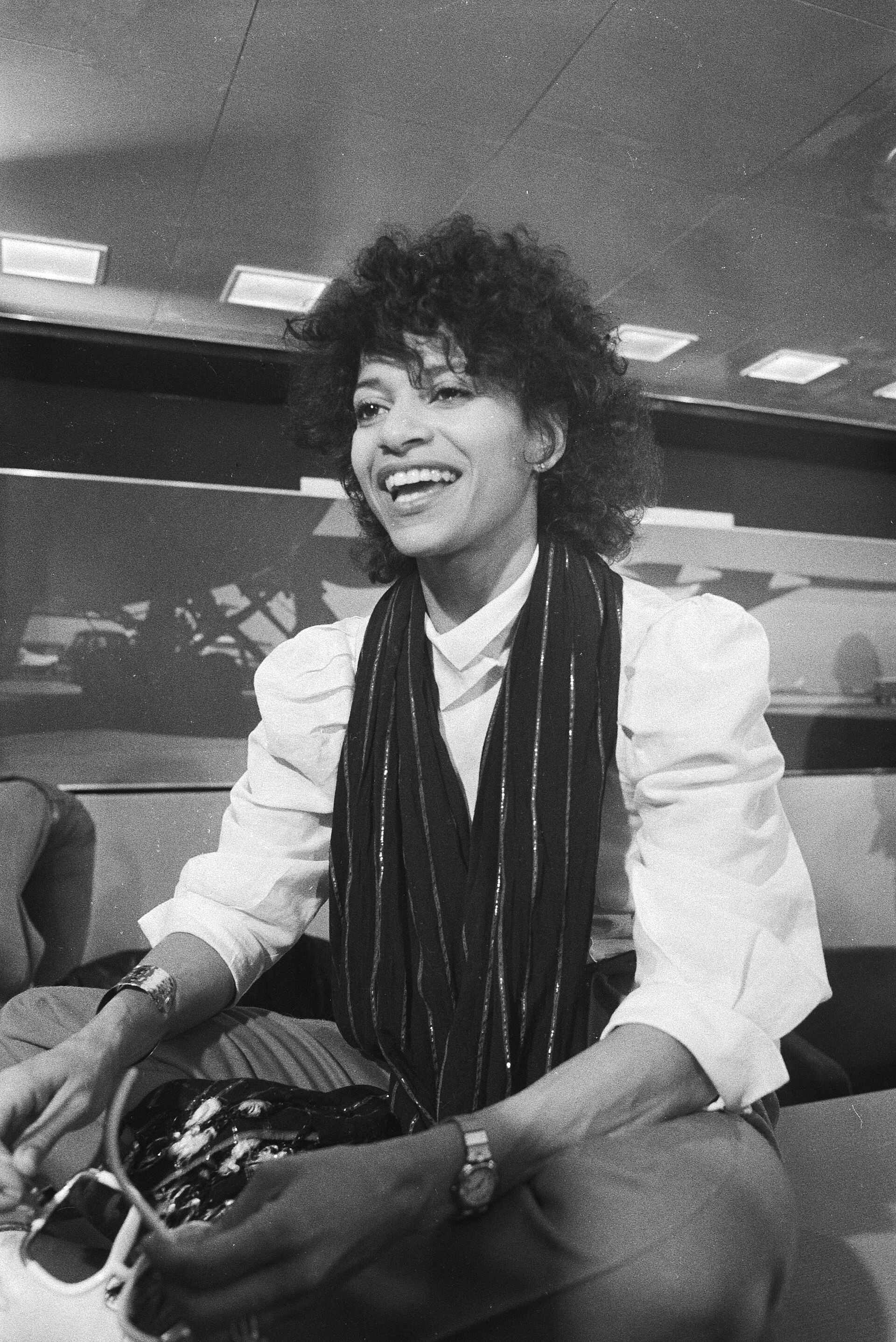
Debbie Allen
Triple Threat Trailblazer
Why They Matter
She made dance visible on American television and mentored generations of young dancers, particularly dancers of color.
Known For
Styles Debbie Allen shaped
Each one links to the style’s own page — its origins, music, tempo and video.
Watch
Debbie Allen: 43rd Kennedy Center Honors
An authoritative career overview from the presenting institution - a strong introduction to her stage, screen and teaching work.
Debbie Allen on the process of working on Fame (Television Academy Foundation Interviews)
Allen explains her own choreographic and production process - mapping timecode, lyrics, dance action and camera moves.
Dance Dreams: Hot Chocolate Nutcracker - Official Trailer (Netflix)
Allen teaching and directing while introducing the Academy's multidisciplinary production process.
Hot Chocolate Nutcracker: Candy Canes (Debbie Allen Dance Academy)
An official DADA upload showing the Academy's rhythmic precision, theatricality and youth-ensemble coaching.
73rd Emmy Awards: Governors Award
A primary record of the Television Academy Governors Award and Allen's own statement of purpose.
Debbie Allen Receives an Honorary Oscar (16th Governors Awards)
A primary-source record of Allen receiving the Academy Honorary Award and reflecting on her motion-picture career.
Phylicia Rashad on Debbie Allen | The 43rd Kennedy Center Honors
The Kennedy Center
A warm, authoritative family tribute that humanizes the biography while situating Allen's discipline and generosity.
Biography
Deborah Kaye Allen was born in Houston, Texas, on January 16, 1950, into a family where artistic ambition and intellectual life were treated as necessities. Her mother, the poet and cultural activist Vivian Ayers Allen, responded to the restrictions of segregated Texas by briefly moving the family to Mexico City when Debbie was nine, where she trained in an environment in which the freedom to study was inseparable from the freedom to be received with dignity. She has said she knew from early childhood that dance would be central to her life, inspired in part by the screen presence of Katherine Dunham.
Back in Houston, Allen pursued classical training in institutions that had not been built to welcome Black children. Howard University's account describes her as the Houston Foundation for Ballet's first Black dancer, while Yale describes her as the Houston Ballet Academy's only Black student at fourteen; at sixteen she auditioned for the North Carolina School of the Arts and was rejected after being told her body was not right for ballet, even though she had been used to demonstrate combinations during the audition. These accounts are best read as evidence of the racialized and aesthetic gatekeeping she faced rather than as a single rejection that alone made her career.
Howard University became the environment in which her range took coherent form. Under the mentorship of the choreographer Mike Malone she returned decisively to dance while studying acting, directing, design, speech, theatre and classical Greek literature, graduating cum laude with a BFA in 1971. It was at Howard that she came to understand choreography as an authored practice - a way to organize bodies, time, space and dramatic intention rather than merely assemble steps. Her Broadway career began in the same period with replacement work as a dancer in Purlie, followed by the role of Beneatha Younger in Raisin.
By 1980 Allen was one of Broadway's most compelling triple-threat performers. Her Anita in the revival of West Side Story earned a Tony nomination and the Drama Desk Award, placing her inside Jerome Robbins's demanding theatrical world while letting her dramatic force, musical attack and dance authority register as one performance. She appeared in the 1981 film Ragtime and, in 1986, earned a second Tony nomination for the title role in the Broadway revival of Sweet Charity - establishing her not only as a choreographer who could direct others but as a performer who had mastered the physical and dramatic pressures she would later ask of casts.
Allen's small role in Alan Parker's 1980 film Fame became the gateway to her defining television breakthrough. Invited to play the dance teacher Lydia Grant in the 1982 series, she agreed on the condition that she also be allowed to choreograph, and she became the creative director of the production numbers - teaching young performers, planning camera movement and timecode, and eventually directing full episodes. The role won her consecutive choreography Emmy Awards in 1982 and 1983 and a 1983 Golden Globe for acting, making disciplined dance training visible to a mass international audience without severing technique from character or aspiration.
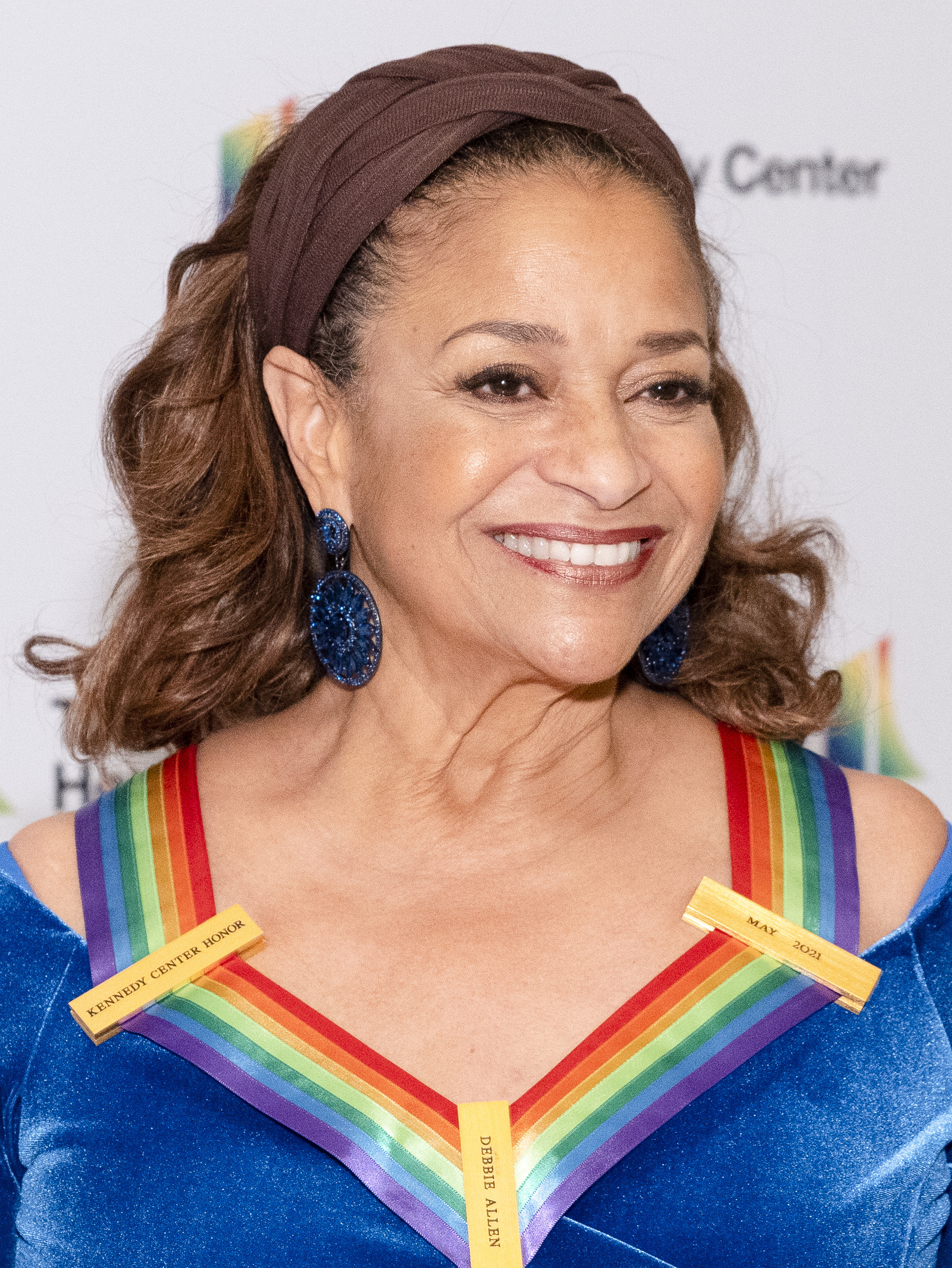
Allen then enlarged the space available to her behind the camera, becoming a central producer and director on A Different World (a series created by Bill Cosby) that she helped reshape around the intellectual and cultural life of a fictional historically Black college. Her choreographic training became a foundation for directing - it taught her, she has said, where the eye travels and how bodies and cameras share space - carrying into the Emmy-winning choreography of Motown 30: What's Goin' On!, Academy Awards broadcasts, the production of Steven Spielberg's Amistad, Broadway direction, and long-running work on Grey's Anatomy. With her husband, the former NBA player Norm Nixon, she co-founded the nonprofit Debbie Allen Dance Academy around 2000-2001, whose programs span ballet, modern, jazz, hip-hop, tap, African dance and musical theatre and whose Hot Chocolate Nutcracker reframes a canonical ballet through diverse, multidisciplinary theatrical authorship. A member of the 43rd Kennedy Center Honors class, a Television Academy Governors Award recipient and Hall of Fame inductee, and the recipient of an Academy Honorary Award in 2025, she returned to Broadway in 2026 directing August Wilson's Joe Turner's Come and Gone - proof that her legacy remains active rather than ceremonial.
Career Highlights
Began her Broadway career as a replacement dancer in Purlie. IBDB
Graduated cum laude from Howard University with a BFA spanning theatre and classical Greek studies. Howard Magazine
Starred as Anita in the Broadway revival of West Side Story, earning a Tony nomination and a Drama Desk Award. IBDB
Became the performer, choreographer and director at the heart of television's Fame, winning consecutive choreography Emmys (1982 and 1983). Television Academy
Won the Golden Globe for Best Actress in a Television Series - Musical or Comedy for Fame. Golden Globes
Earned a second Tony nomination for the title role in the Broadway revival of Sweet Charity. IBDB
Won an Emmy for choreographing Motown 30: What's Goin' On! and received a Hollywood Walk of Fame star. Hollywood Walk of Fame
Co-founded the nonprofit Debbie Allen Dance Academy with Norm Nixon (established around 2000-2001). ProPublica Nonprofit Explorer
Named to the 43rd Kennedy Center Honors class, the year Netflix released Dance Dreams: Hot Chocolate Nutcracker. Kennedy Center
Received the Television Academy Governors Award (2021) and was inducted into the Television Academy Hall of Fame. Television Academy
Received an Academy Honorary Award recognizing a screen career of nearly five decades. Academy of Motion Picture Arts and Sciences
Directed the Broadway revival of August Wilson's Joe Turner's Come and Gone. IBDB
Follow & Links
Legacy & Impact
Debbie Allen matters to dance because she expanded what a choreographer's intelligence could govern. She demonstrated that the same understanding of rhythm, bodies, focus and emotional timing could shape a Broadway performance, a television dance number, an entire episode, a major awards broadcast and an educational institution. Fame gave millions of viewers an image of dance training as demanding, communal work; the Debbie Allen Dance Academy turned that image into sustained access for young artists, especially in Black and Latino communities. Her career also carries historical weight as the work of a Black woman who repeatedly moved from the visible role of performer into positions of authorship and authority. The through-line is generosity disciplined by craft: her legend shines most brightly not only in what she performed, but in the artistic worlds she taught other people to enter.


Explore More Legends
Discover the dancers, teachers, choreographers, and cultural icons who shaped how the world moves.
Keep the thread going
Dance history, technique, and the occasional rabbit hole — in your inbox. Thoughtful, infrequent, unsubscribe anytime.
Free. No spam. One click to leave.