Nick Woolsey
Legend of Dance
Why They Matter
Woolsey’s legacy is pedagogical infrastructure for contemporary poi. He helped establish video as a serious teaching medium, framed patterns as learnable systems rather than secrets, and connected online instruction with studios, workshops and retreats. His cultural value also depends on a boundary
Known For
Biography
Nick Woolsey is a movement educator and performer who transformed poi from an dispersed, largely undocumented practice into a structured learning system. His work bridges online instruction, studio-based technique development, and international workshops, establishing pedagogical frameworks that have shaped contemporary poi education.
Woolsey's engagement with poi began in spring 2001 at Roberts Creek Community Hall on British Columbia's Sunshine Coast, where he encountered fire poi at a social gathering. He brought prior experience in tai chi, yoga and dance to the new practice, treating the swinging props as a vehicle for studying rhythm, body organization and expressive movement. In 2003, he released *Dervishly Yers*, a downloadable fire-spinning video that circulated widely in the online poi community, and won a Home of Poi video contest. That visibility led to workshop invitations and two years of intensive travel and exchange.
In fall 2004, Woolsey launched Playpoi in Vancouver, a project that combined a dance studio, instruction, performance and a movement laboratory where participants could use video feedback and light manipulation to study technique. The venture marked a shift from isolated online sharing to integrated, in-person practice environments. Playpoi's educational approach treats poi patterns as learnable systems analogous to music education: fundamental timing, planes, transitions and coordination come before the accumulation of isolated tricks, giving practitioners tools to improvise and form personal style. His beginner and advanced curricula cover reels, weaves, butterflies, footwork, stalls, crosspoints, flowers, rhythm and musicality.
Over subsequent decades, Woolsey toured internationally while distributing lessons online and later through structured long-form courses. His *Adventures in Poi* project compiled performance footage made while traveling, crediting music to Delhi 2 Dublin and videography to Jaguar Mary. Playpoi posts connected tutorial publishing to Leviathan retreats and camps in British Columbia, bringing online study back into shared studio practice. Woolsey also established an explicit distinction between Māori poi traditions in Aotearoa and the contemporary international practice he calls "global fusion poi"—a boundary essential to understanding his work as part of modern fusion and flow-arts culture rather than Māori cultural authority.
By 2026, Playpoi presented hundreds of lessons, step-by-step courses and a summer poi camp, while a separate Flowarts course directory organized his beginner and advanced material into long-form sequences. His influence is therefore less a single performance title than an educational architecture: named concepts, progressive drills, freely circulating videos and intensive gatherings through which poi dancers can analyze and transmit movement.
Career Highlights
Encountered fire poi at a dance party at Roberts Creek Community Hall on British Columbia’s Sunshine Coast and began intensive practice. Home of Poi Home of Poi
Playpoi’s current biography dates Woolsey’s influential poi practice from this year. Playpoi fundamentals Playpoi fundamentals
Released the downloadable fire-spinning video Dervishly Yers and won a Home of Poi video contest. Home of Poi Home of Poi
Officially launched Playpoi and leased a Vancouver dance studio for instruction, performance and movement research. Playpoi history Playpoi history
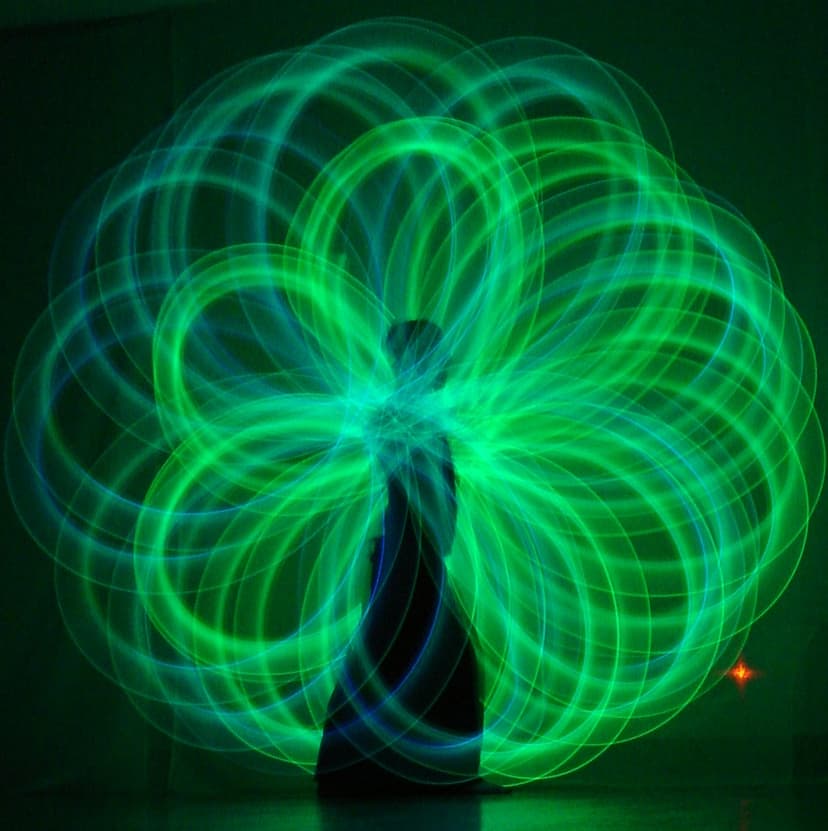
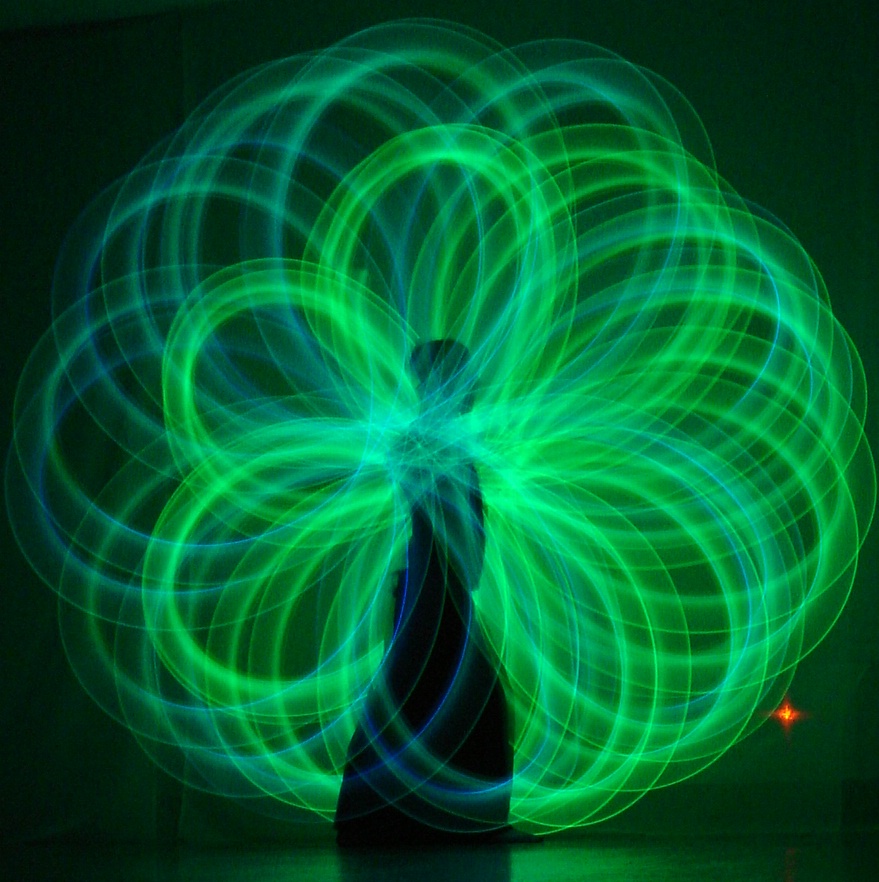
Was photographed making long-exposure poi circles in Vancouver; Commons identifies Woolsey as the artist and Hendrik Kueck as photographer. Wikimedia Commons Wikimedia Commons
Published a detailed Playpoi history and movement-arts statement through Home of Poi. Home of Poi Home of Poi
Published Playpoi’s explicit distinction between Māori poi and modern global-fusion poi. Playpoi Playpoi
Released the Adventures in Poi compilation, crediting Delhi 2 Dublin and videographer Jaguar Mary. Playpoi Playpoi
Published a collection of recent training videos from Leviathan. Playpoi Playpoi
Continued offering structured Playpoi courses and scheduled a two-week Leviathan Poi Camp for June 28–July 11. Playpoi Playpoi
Legacy & Impact
Woolsey's legacy is pedagogical infrastructure for contemporary poi. He helped establish video as a serious teaching medium, framed patterns as learnable systems rather than secrets, and connected online instruction with studios, workshops and retreats. His cultural value also depends on a boundary he states himself: global-fusion poi has borrowed from juggling, dance and rhythmic gymnastics, but it must not be substituted for or used to claim authority over Māori poi.


Explore More Legends
Discover the dancers, teachers, choreographers, and cultural icons who shaped how the world moves.
Keep the thread going
Dance history, technique, and the occasional rabbit hole — in your inbox. Thoughtful, infrequent, unsubscribe anytime.
Free. No spam. One click to leave.