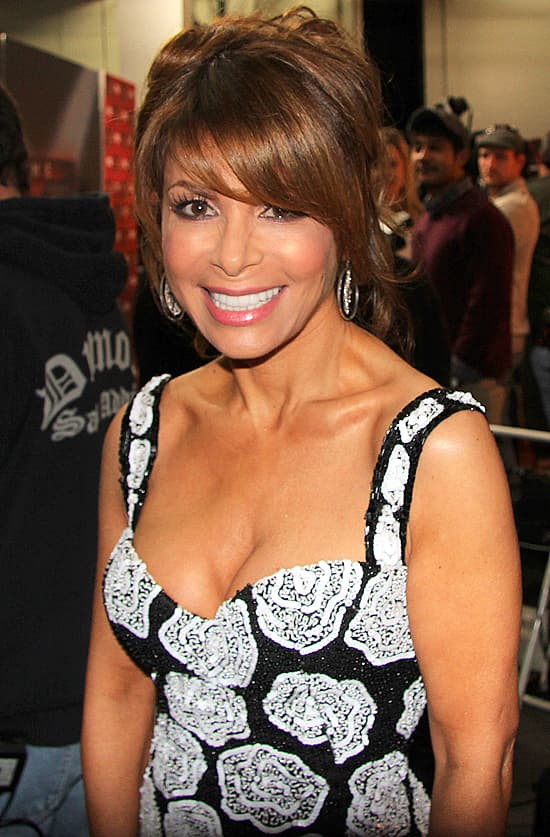
Paula Abdul
Legend of Dance
Why They Matter
Abdul matters because she made choreography legible as both craft and authorship inside the commercial pop system. Her career crossed sports entertainment, music video, film, television, touring, and recording without treating dance as an accessory. She demonstrated that a choreographer could shape
Styles Paula Abdul shaped
Each one links to the style’s own page — its origins, music, tempo and video.
Watch
Straight Up
Paula Abdul / Virgin Records
A concise example of Abdul's camera-aware black-and-white pop choreography.
Opposites Attract
Paula Abdul / Virgin Records
Shows how choreography can organize interaction between a live performer and an animated partner.
Forever Your Girl
Paula Abdul
Demonstrates accessible ensemble storytelling built around recurring visual motifs.
Cold Hearted
Paula Abdul / Virgin Records
A strong case study in set architecture, camera framing, and choreographic tension.
Biography
Paula Abdul is an American choreographer, dancer, recording artist, and television personality who shaped how popular dance is created, performed, and seen on screen. Born June 19, 1962, in San Fernando, California, Abdul trained in ballet, jazz, and tap before studying broadcasting at California State University, Northridge. While still in college, she auditioned for the Los Angeles Lakers' dance team and within roughly a year became head choreographer, reorganizing the group as a more dance-centered ensemble and attracting commercial work that would launch her national career.
Abdul's breakthrough came through music video. After choreographing for the Jacksons' *Victory* era—a major break she traces to her Laker Girls work—she became closely associated with Janet Jackson's *Control*-era videos, establishing herself as a defining figure in music-video choreography during its rise as a primary medium for popular dance. Her screen vocabulary combined tightly phrased jazz movement, distinctive gestures, strong ensemble unison, and shot-conscious staging designed to register in short visual sequences. She brought the same intelligence to film work, choreographing sequences in *Can't Buy Me Love* (including the "African Anteater Ritual"), *The Running Man*, and *Coming to America*.
In 1988, Abdul released her debut album *Forever Your Girl*, a move that repositioned her from an in-demand choreographer to a front-of-camera pop performer. Rather than abandoning her choreographic practice, she made dance the principal narrative language of her own videos. "Straight Up," "Forever Your Girl," "Cold Hearted," and "Opposites Attract"—which featured The Wild Pair and an animated character—each used a different visual premise while keeping her directorial hand and movement vocabulary at the center. The *Opposites Attract* video won a Grammy Award in 1991. Television recognized her choreography work as well, with Emmy wins for her work on *The Tracey Ullman Show* and the American Music Awards.
Abdul received a star on the Hollywood Walk of Fame in 1991, recognizing her recording and entertainment career. Her television presence expanded with a role as an original judge on *American Idol* beginning in 2002, introducing her to a new generation of viewers. Later judging and producing roles included *The X Factor*, *Live to Dance*, and *So You Think You Can Dance*. Though these roles broadened her public identity, her place in dance history rests most securely on her earlier work as a choreographer: she helped establish the late-twentieth-century music video as a primary site where popular dance vocabulary was created, taught, circulated, and remembered.
Career Highlights
Joined the Los Angeles Lakers’ dance team while attending CSUN and became head choreographer within roughly a year, according to CSUN’s institutional account.
Choreographed for the Jacksons’ Victory era, a major break Abdul traces to her Laker Girls work.
Choreographed landmark Janet Jackson music videos during the Control era, helping establish Abdul’s national music-video reputation.
Choreographed the “African Anteater Ritual” sequence in Can’t Buy Me Love, her first major film assignment as described in a CSUN interview.
Released the album Forever Your Girl, bringing her dance-centered visual authorship into her own recording career.
Received Television Academy recognition for choreography on The Tracey Ullman Show, including an Emmy win recorded by the Academy.
Won a second choreography Emmy for her performance on the American Music Awards, as summarized by her official biography and awards records.
Won the Grammy Award for Best Music Video for “Opposites Attract.”
Received a star on the Hollywood Walk of Fame, recognizing her recording and entertainment career.
Became an original judge on American Idol, beginning an eight-season run that introduced her to a new television audience.
Co-hosted the Television Academy program “The Choreographers… Yesterday, Today and Tomorrow” with Kenny Ortega.
Joined So You Think You Can Dance as a judge, returning her television profile directly to dance evaluation.
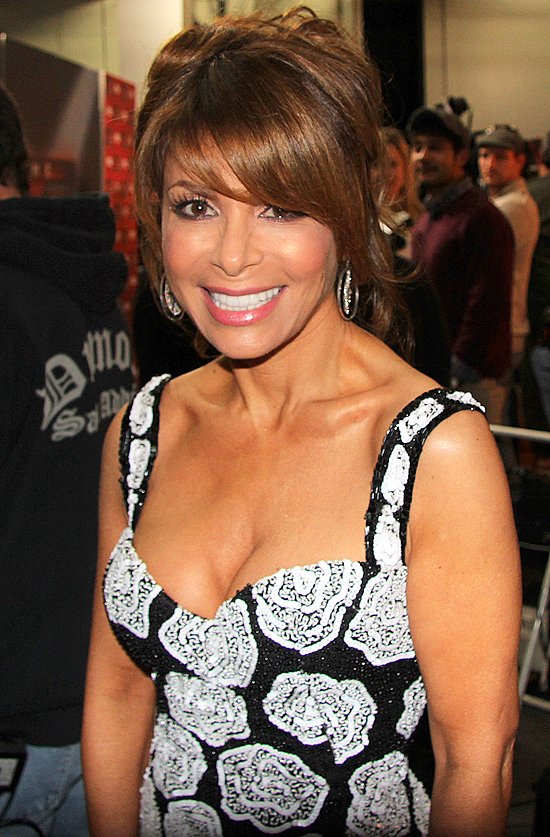
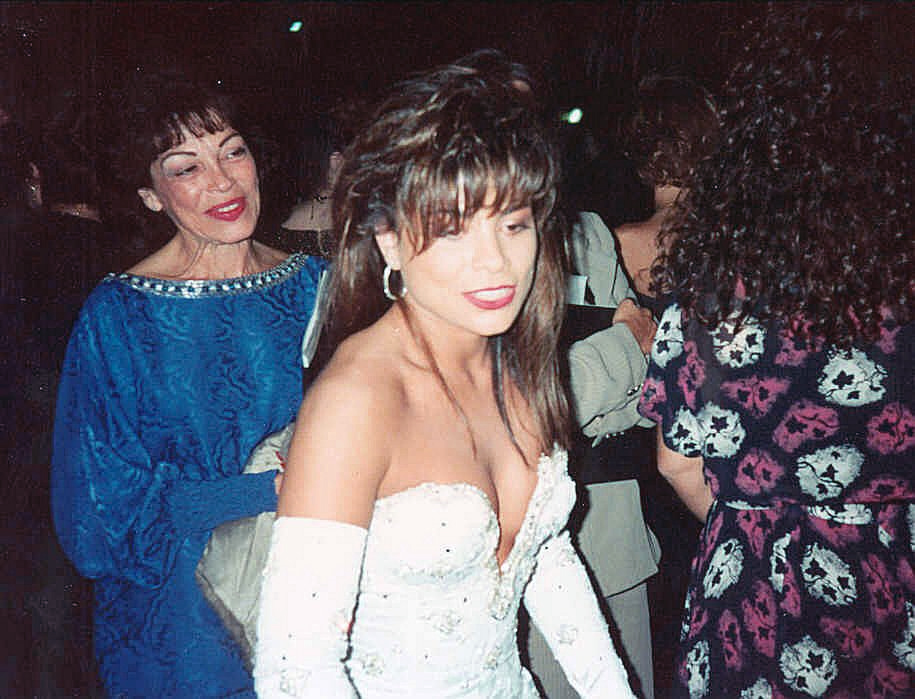
Gallery

Legacy & Impact
Abdul matters to dancers now because she made choreography legible as both craft and authorship within the commercial pop system. Her career crossed sports entertainment, music video, film, television, touring, and recording without treating dance as an accessory to any of them. She demonstrated that a choreographer could shape the rhythm of an edit, a performer's persona, an ensemble's geometry, and a song's marketing identity. Her own stardom then made that normally backstage labor visible to a mass audience, showing generations of dancers that movement could be a primary creative force in popular entertainment.


Explore More Legends
Discover the dancers, teachers, choreographers, and cultural icons who shaped how the world moves.
Keep the thread going
Dance history, technique, and the occasional rabbit hole — in your inbox. Thoughtful, infrequent, unsubscribe anytime.
Free. No spam. One click to leave.