Commercial / Industry Dance
Also known as: Industry Dance, Commercial Jazz, Music Video Dance, LA Style
- Origin
- Los Angeles, United States
- Era
- 1980–Present
- Rhythm
- 4/4 pop and hip-hop structures, choreographed tightly to the track's production accents and drops
- Tempo
- Roughly 95-130 BPM
- Character
- Sharp, confident and camera-facing; polished attack engineered to read in frame and sell a song
History & Cultural Context
Commercial dance is less a codified technique than an occupational idiom: the movement language of music videos, concert tours, television, awards shows, film musicals and advertising, centred on Los Angeles and organised around agencies, casting calls and gig-to-gig employment. Its vocabulary blends hip-hop and street styles with jazz technique, heels work, and enough contemporary and ballet training to survive a call sheet that changes daily. Where concert dancers historically trained toward salaried company membership, commercial dancers work through agents in support of a recording artist or a brand, and the skill set includes fast pickup, camera awareness, retention of choreography across many takes, and the ability to reproduce a choreographer's personal style exactly. The historic boundary between concert and commercial work has eroded since the mid-2000s, driven by Disney's High School Musical franchise, So You Think You Can Dance, live televised musicals and streaming; choreographers such as Sonya Tayeh and Ryan Heffington now move between the two worlds routinely. Dedicated degree programmes now exist at institutions including Boston Conservatory at Berklee and Loyola Marymount University.
Cultural Significance
Commercial dance is where the majority of paid professional dance employment in the United States actually sits, and it has carried a long-standing status tension with the concert dance world that has softened considerably since the 2000s.
Characteristic Movement & Technique
Sharp, front-facing, camera-legible phrasing with strong isolations, texture changes and grounded weight. Movement is designed to read within a frame and to land precisely on the track's production accents.
Partnering Dynamics
Ensemble-first rather than couple-based. Dancers frame and support a featured artist, hold formations and canons, and partner work appears as lifts or contact moments serving a visual concept rather than as lead and follow.
Competitive Context
Success is measured in bookings, agency representation and credits rather than adjudication, though the competition-studio circuit and televised contests act as an informal talent pipeline into the industry.
Regional Variations
Los Angeles anchors the American industry, while London, Seoul and Tokyo sustain parallel circuits; the Korean idol system in particular has produced its own commercial training economy and choreography houses.
Common Misconceptions
Commercial dance is often dismissed as untrained or purely aesthetic. In practice most working commercial dancers carry substantial ballet, jazz and hip-hop training, and the field's technical demands have risen rather than fallen.
Peak Popularity
Signature Figures
- Sonya Tayeh
- Ryan Heffington
Commercial / Industry Dance Music & Tempo
Drawn from 82 Commercial / Industry Dance tracks in the LODance music library.
Example tracks at practice tempo
- Black or White - Single Version — Michael Jackson115 BPM
- Smooth Criminal - 2012 Remaster — Michael Jackson118 BPM
- Dance In The Dark — Lady Gaga121 BPM
- Wanna Be Startin' Somethin' — Michael Jackson122 BPM
- Boys Boys Boys — Lady Gaga123 BPM
- Hallucinate — Dua Lipa122 BPM
Who governs Commercial / Industry Dance
Federations, councils and examining bodies with a recorded role in this style. No single organisation can tell you this — each one knows only itself.
Legends of Commercial / Industry Dance
Dancers, choreographers and teachers whose work shaped this style.
Commercial / Industry Dance on screen
Films and television where Commercial / Industry Dance appears, with the sequences worth watching for.
 Honey (2003)12 sequences indexedFirst-choreography music-video montage · 00:27:28 · chor. Luther Brown; Laurieann GibsonHoney directs the back-line switch · 00:37:27 · chor. Luther Brown; Laurieann GibsonTweet shoot — fly, land and plié · 00:45:39 · chor. Luther Brown; Laurieann Gibson
 High Strung: Free Dance (2018)7 sequences indexedOpening courtyard audition · chor. Tyce DiorioFree Dance open call — commercial combination · 00:09:30 · chor. Tyce DiorioFirst Free Dance rehearsal — across the floor · 00:25:30 · chor. Tyce Diorio
 Footloose (1984)5 sequences indexedNever — warehouse anger dance · 00:35:31 · chor. Lynne Taylor-CorbettLet's Hear It for the Boy — teaching Willard · 00:59:44 · chor. Lynne Taylor-CorbettFootloose — prom finale · 01:39:48 · chor. Lynne Taylor-Corbett
 Lakshmi (2018)4 sequences indexedChildren dance with Prabhu Deva without musicPrabhu Deva's flashback soloPin-sabotaged semifinal duet and ensembleThat's My Girl (2016)4 sequences indexedWhite-flag street rescue routine · chor. Sean BankheadCave choreography · chor. Sean BankheadAbandoned-building dustfall ensemble · chor. Sean Bankhead
 Work from Home (2016)4 sequences indexedInterior staircase formation · chor. Sean BankheadLoader-platform and bulldozer solos · chor. Sean BankheadFront-of-house synchronized tool choreography · chor. Sean BankheadBO$$ (2014)3 sequences indexedOpening white-set ensemble routine · chor. Sean BankheadMetallic-chair choreography · chor. Sean BankheadCatwalk photo-shoot footwork · chor. Sean Bankhead
 Breakin' (1984)3 sequences indexedFranco’s opening jazz class · 00:04:28 · chor. Jaime RogersFranco coaches Kelly across the mirror · 00:18:00 · chor. Jaime RogersKelly’s failed professional auditions · chor. Jaime Rogers
 Ghosts (1997)3 sequences indexedMaestro and the ghost family dance · chor. Michael Jackson; Travis Payne; Barry LatherCGI skeleton solo · chor. Michael Jackson; Travis Payne; Barry LatherPossessed Mayor dance · chor. Michael Jackson; Travis Payne; Barry Lather
 greedy (2023)3 sequences indexedChanging-room ensemble · chor. Sean BankheadBarbell-bench extension and hair whip · chor. Sean BankheadReception-desk split · chor. Sean BankheadI'm in Love with a Monster (2015)3 sequences indexedHotel-front suitcase formation · chor. Sean BankheadThriller-style zombie-rejection routine · chor. Sean BankheadCandlelit hallway character walk · chor. Sean BankheadOn My Mama (2023)3 sequences indexed“Fly the plane” ensemble phrase · chor. Sean Bankhead; Ahsia PettigrewSecond-chorus heel-toe sequence · chor. Sean Bankhead; Ahsia PettigrewLetterman-jacket switch post-chorus · chor. Sean Bankhead; Ahsia PettigrewScream (1995)3 sequences indexedZero-gravity wall-and-ceiling movement passage · chor. LaVelle Smith Jr.; Tina Landon; Travis Payne; Sean CheesmanWhite-room sibling dance breakdown · chor. LaVelle Smith Jr.; Tina Landon; Travis Payne; Sean CheesmanMedia-room screen-to-screen solo exchange · chor. LaVelle Smith Jr.; Tina Landon; Travis Payne; Sean CheesmanWorth It (2015)3 sequences indexedOpening ticker-wall formation · chor. Sean BankheadKid Ink rap ticker-wall ensemble · chor. Sean BankheadFinal ticker-wall turn-and-rise · chor. Sean BankheadYou Rock My World (2001)3 sequences indexedBar-floor seduction solo · chor. Rich Talauega; Tone TalauegaBackup-dancer challenge routine · chor. Rich Talauega; Tone TalauegaKnife fight and burning-bar coda · chor. Rich Talauega; Tone Talauega
 13 Going on 30 (2004)2 sequences indexed“Thriller” Poise-party dance · chor. Marguerite Derricks; Michael Peters (original “Thriller” choreography)“Love Is a Battlefield” sleepover dance · chor. Marguerite DerricksAll in My Head (Flex) (2016)2 sequences indexedSurfside Ensemble Choreography · chor. Sean BankheadBeach-Party Partnering and Synchronized Finale · chor. Sean BankheadAnother Part of Me (1988)2 sequences indexedBad World Tour concert solo · chor. Vincent PatersonCrowd-intercut concert climax · chor. Vincent PatersonBillie Jean (1983)2 sequences indexedLight-up pavement chorusSpin, jump, and toe-landing transitionBlame It on the Boogie (1978)2 sequences indexedBlack-background Jacksons formation danceScanimate trail-effects dance repriseBongos (2023)2 sequences indexedMegan's pool-platform ensemble entrance · chor. Sean BankheadColor-block beach ensemble · chor. Sean BankheadCaptain EO (1986)2 sequences indexedWe Are Here to Change the World — guard-transformation ensemble · chor. Michael Jackson; Jeffrey HornadayAnother Part of Me — restored-world farewell · chor. Michael Jackson; Jeffrey HornadayDancing with a Stranger (2019)2 sequences indexedHolographic dancers haunting the modern house · chor. Brendon HansfordNormani's separate dance performance · chor. Sean BankheadDeliver (2017)2 sequences indexedBlack-gown synchronized quartet routine · chor. Sean BankheadSolo portraits into quartet formation · chor. Sean BankheadDon't Stop 'Til You Get Enough (1979)2 sequences indexedTuxedo solo against geometric chroma-key backgroundsTriplicate Michael Jackson dance effect
 Down (2017)2 sequences indexedNeon motel-room solo montage · chor. Sean BankheadNeon parking-lot quartet routine · chor. Sean Bankhead
 Feel the Beat (2020)2 sequences indexedOpening-night street dance party · chor. Mia MichaelsWhirly Girl Broadway rehearsal · chor. Mia MichaelsHe Like That (2017)2 sequences indexedRotating partner-climb vignettes · chor. Sean BankheadCrowded nightclub ensemble · chor. Sean BankheadI'm Better (2017)2 sequences indexedIlluminated welding-mask formation · chor. Sean BankheadExercise-ball ensemble · chor. Sean BankheadIn the Closet (1992)2 sequences indexedMichael Jackson exterior soloJackson–Campbell desert courtship duetJam (1992)2 sequences indexedAbandoned-armory solo performanceBasketball-and-dance exchange
 Michael Jackson's Thriller (1983)2 sequences indexedMoonlit sidewalk performance · chor. Michael Peters; Michael JacksonZombie street ensemble · chor. Michael Peters; Michael JacksonMotivation (2019)2 sequences indexedStreet duet with Christian Owens · chor. Sean BankheadRain split sequence · chor. Sean BankheadRemember the Time (1992)2 sequences indexedThrone-room seduction solo · chor. Fatima RobinsonPalace-servants ensemble dance break · chor. Fatima RobinsonSmooth Criminal (1988)2 sequences indexedClub 30s ensemble: percussive isolations and accent hits · chor. Vincent PatersonAnti-gravity lean · chor. Vincent Paterson
 Step Up: All In (2014)2 sequences indexedLMNTRIX High Voltage audition videoLMNTRIX elemental Vortex finale · chor. Jamal Sims; Christopher Scott; Dondraico Johnson
 The Forbidden Dance (1990)2 sequences indexedKid Creole and the Coconuts perform Automatic · 01:24:06 · chor. Adriana KaegiCory Daye performs It's a Horror · 01:26:27 · chor. Adriana Kaegi
 The Mask (1994)2 sequences indexed“Hey, Pachuco!” Coco Bongo duet · chor. Jerry Evans“Cuban Pete” police-standoff ensemble · chor. Jerry EvansThe Way You Make Me Feel (1987)2 sequences indexedAlley pursuit and gesture solo · chor. Vincent PatersonFire-hydrant street-ensemble finale · chor. Vincent Paterson
 They Don't Care About Us (1996)2 sequences indexedBrazil version — Olodum street and favela performancePrison version — handcuffed cellblock performanceUp (2021)2 sequences indexedRIP 2020 graveyard formation · chor. Sean BankheadPowder-blue workout choreography · chor. Sean Bankhead
 Waves (2019)2 sequences indexedSandy-planet four-dancer ensemble · chor. Sean BankheadStar-field solo choreography · chor. Sean BankheadWild Side (2021)2 sequences indexedBoys' section: leather splits · chor. Sean BankheadWire-assisted floor glide and jump counterpoint · chor. Sean BankheadBeat It (1983)1 sequence indexedFinal rival-gang ensemble · chor. Michael Peters
 Black Swan (2010)1 sequence indexedNightclub release · chor. Benjamin MillepiedBlood on the Dance Floor (1997)1 sequence indexedImprovised nightclub solo and ensemble phrases · chor. Vincent Paterson
 Hit the Floor (2013–2018)1 sequence indexedRepresentative anchor — Devil Girls audition · chor. Michael Rooney (series choreographer)Industry Baby (2021)1 sequence indexedFloodlit prison-yard chorus · chor. Sean BankheadLeave Me Alone (1989)1 sequence indexedStop-motion Elephant Man skeleton duet
 Let's Dance (2006–present)1 sequence indexedRepresentative anchor — Tarzan final freestyleLove Lies (2018)1 sequence indexedNormani’s hotel-window solo · chor. Sean Bankhead
 Pose (2018–2021)1 sequence indexedBlond Ambition tour auditionSledgehammer (2014)1 sequence indexedFull music-video choreography — pulse, sledgehammer move, and final pose · chor. Fatima RobinsonSpeed Demon (1988)1 sequence indexedMichael and Spike dance-off
Poster artwork from TMDB.
 This site uses TMDB and the TMDB APIs but is not endorsed, certified, or otherwise approved by TMDB.
Commercial / Industry Dance in performance
One staged work in the Limelight catalogue contains Commercial / Industry Dance — 1 of them in a named act or number.
- Zumanity2003CirqueWind/Come Together, Perfect Jam, 2Men (2015 refresh)
Wind/Come Together, Perfect Jam and briefly 2Men (2015 Refresh) — New commercial dance choreography built around performers, including men, dancing in high heels. Source: "Yanis Marshall choreographed new dance segments throughout the show, and there are mu…
Every claim above is quoted from a cited source and names where in the work the style appears. Claims we could not place or could not quote are held back from this list and shown on the work’s own page instead. Browse the full performance catalogue →
Sources & Further Reading
Cultural & Historical Context
Commercial / Industry Dance emerged from Los Angeles, United States during the 1980s—present day. Understanding the cultural roots, musical traditions, and social circumstances of this era enriches appreciation for the dance's characteristics and significance.
Formative Influences
Signature Movement Vocabulary:
Sonya Tayeh, Ryan Heffington
Primary Source Documents
The Library of Dance contains public-domain primary sources for dance history. Copyrighted modern syllabi are indexed with purchase links to their respective copyright owners. Search by dance name or codifier to discover primary source documents.
Last reviewed: September 2026 — This dance profile synthesizes historical research, cultural documentation, and contemporary practice knowledge to provide authoritative context.
More in Modern Fusion & Commercial
Bollywood Dance
Exuberant film-dance style of Hindi cinema fusing Indian classical, folk, and Western popular dance into mass-entertainment choreography.
K-pop Dance
High-precision performance choreography of Korean pop music, built on synchronized 'point moves' and formations drawn from hip-hop, funk, and jazz.
Disco Dance
Social nightclub dance of the 1970s disco era—partner hustles and line dances danced to four-on-the-floor disco music.
Burlesque & Neo-Burlesque
Theatrical variety performance built on parody, character, costume, and the striptease 'reveal,' from 19th-century stages to the modern neo-burlesque revival.
Street Jazz
A studio hybrid grafting hip-hop and funk styling onto jazz technique, danced to pop and R&B, and used largely interchangeably with the term jazz funk.
Commercial / Industry Dance in art
Browse the gallery →Works our catalogue identifies as depicting commercial / industry dance.
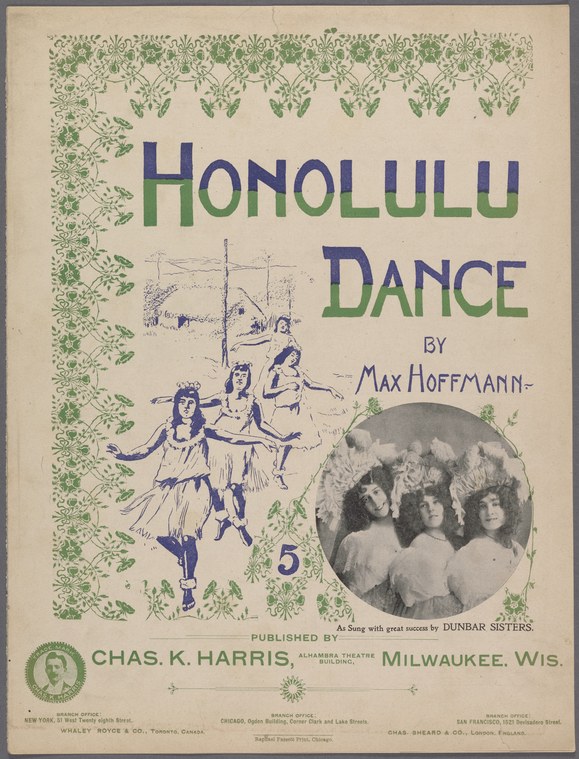
Honolulu dance
Unknown artist
public_domain
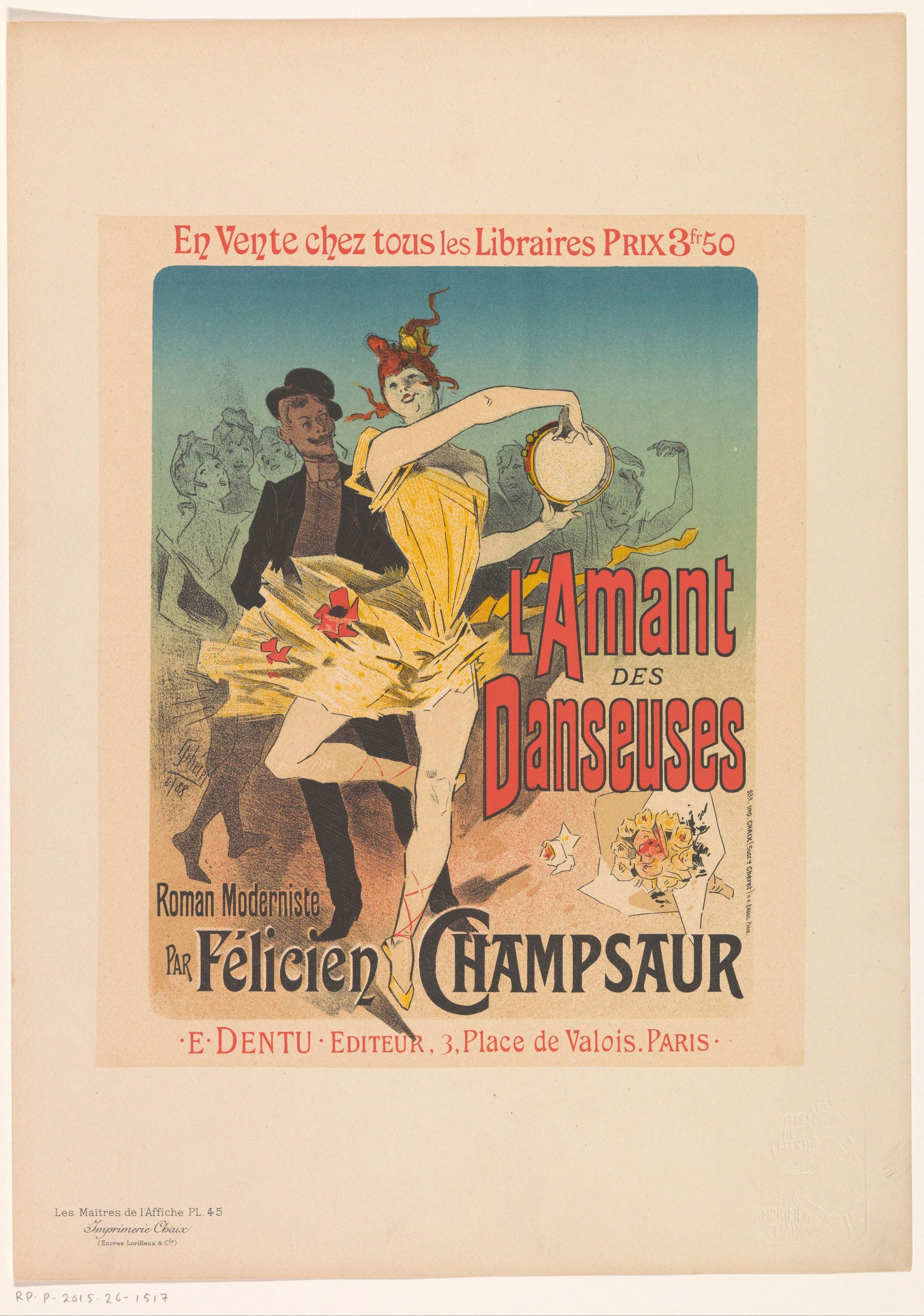
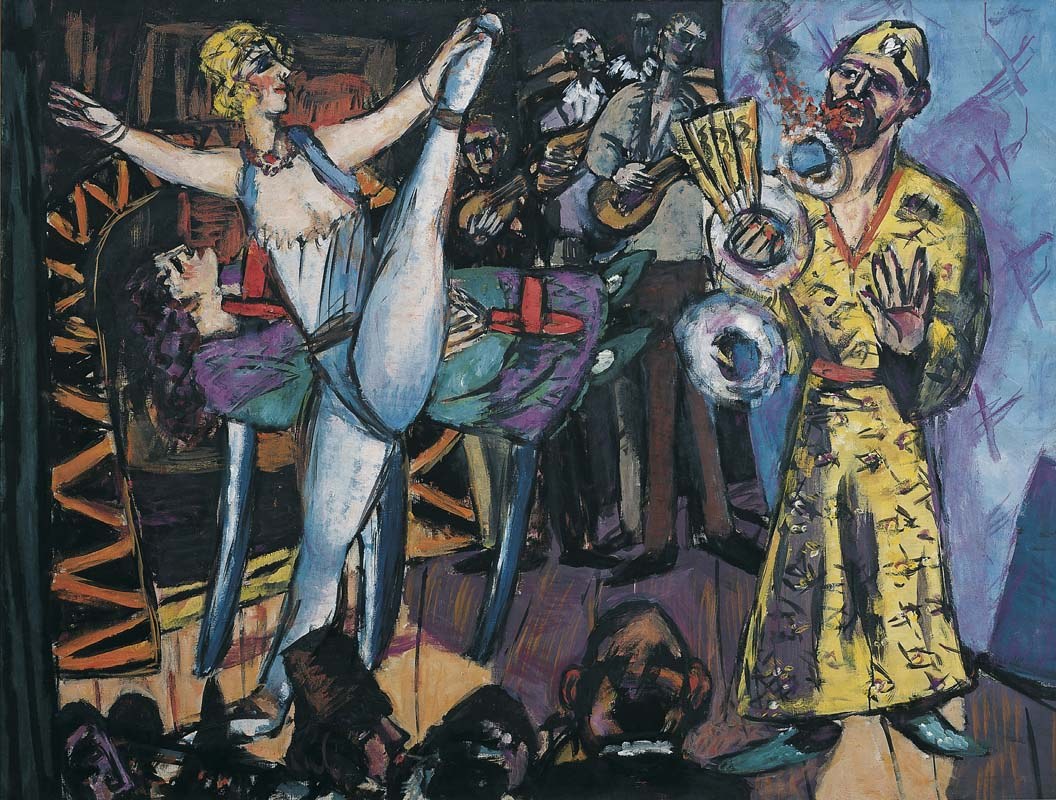
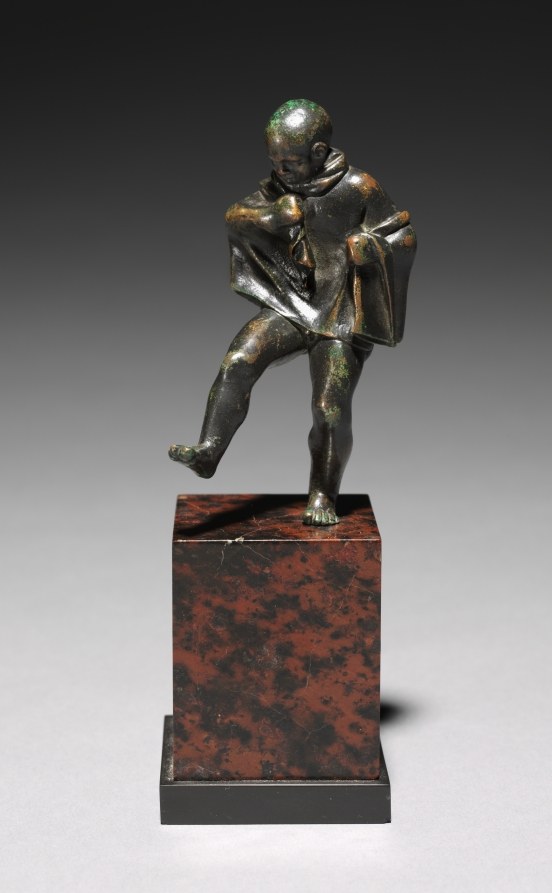
Karl Hofer Varietétänzerinnen 1953
Karl Hofer · 1953
Public Domain
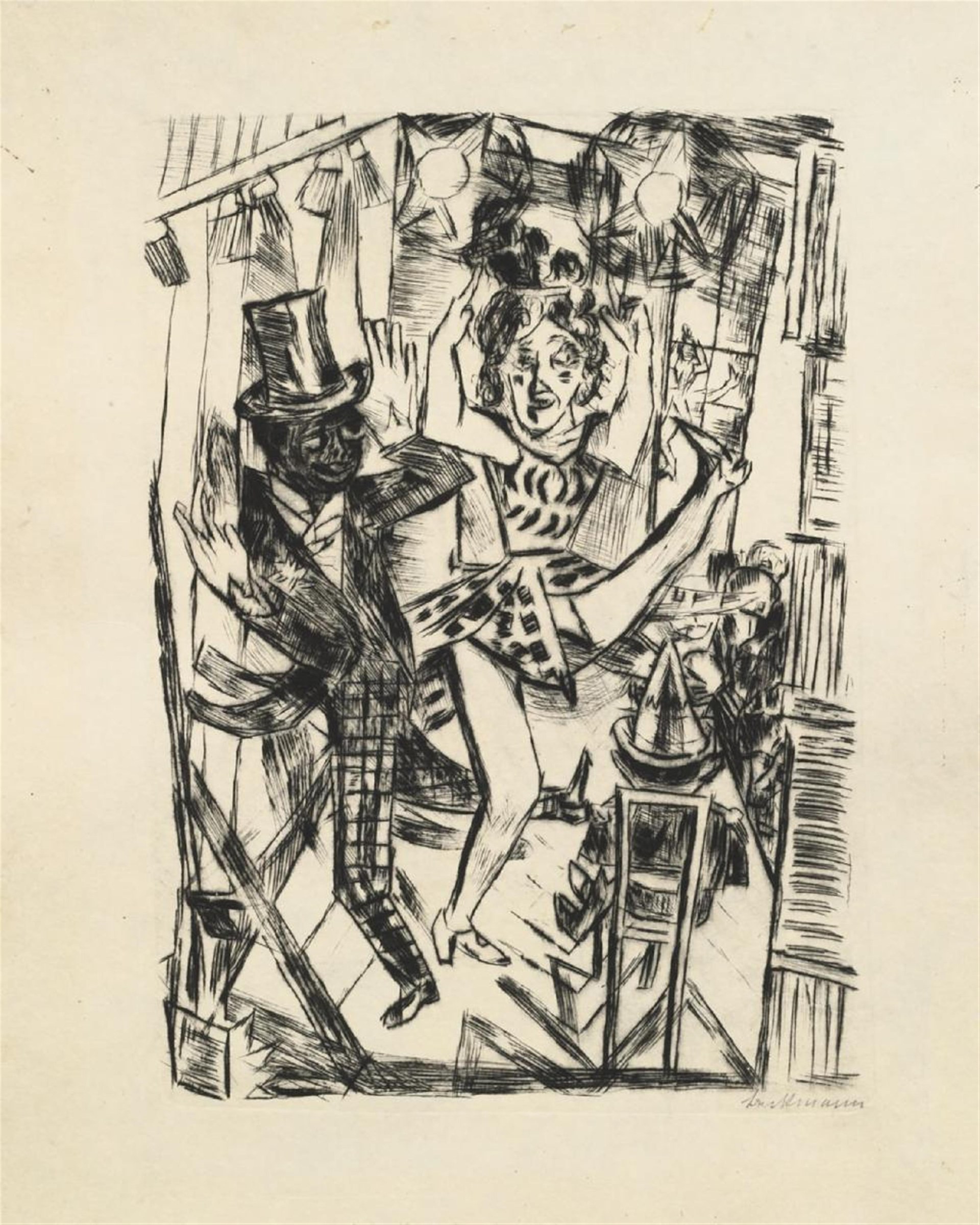
Max Beckmann Tauentzienpalast
Max Beckmann · 1920
Public Domain
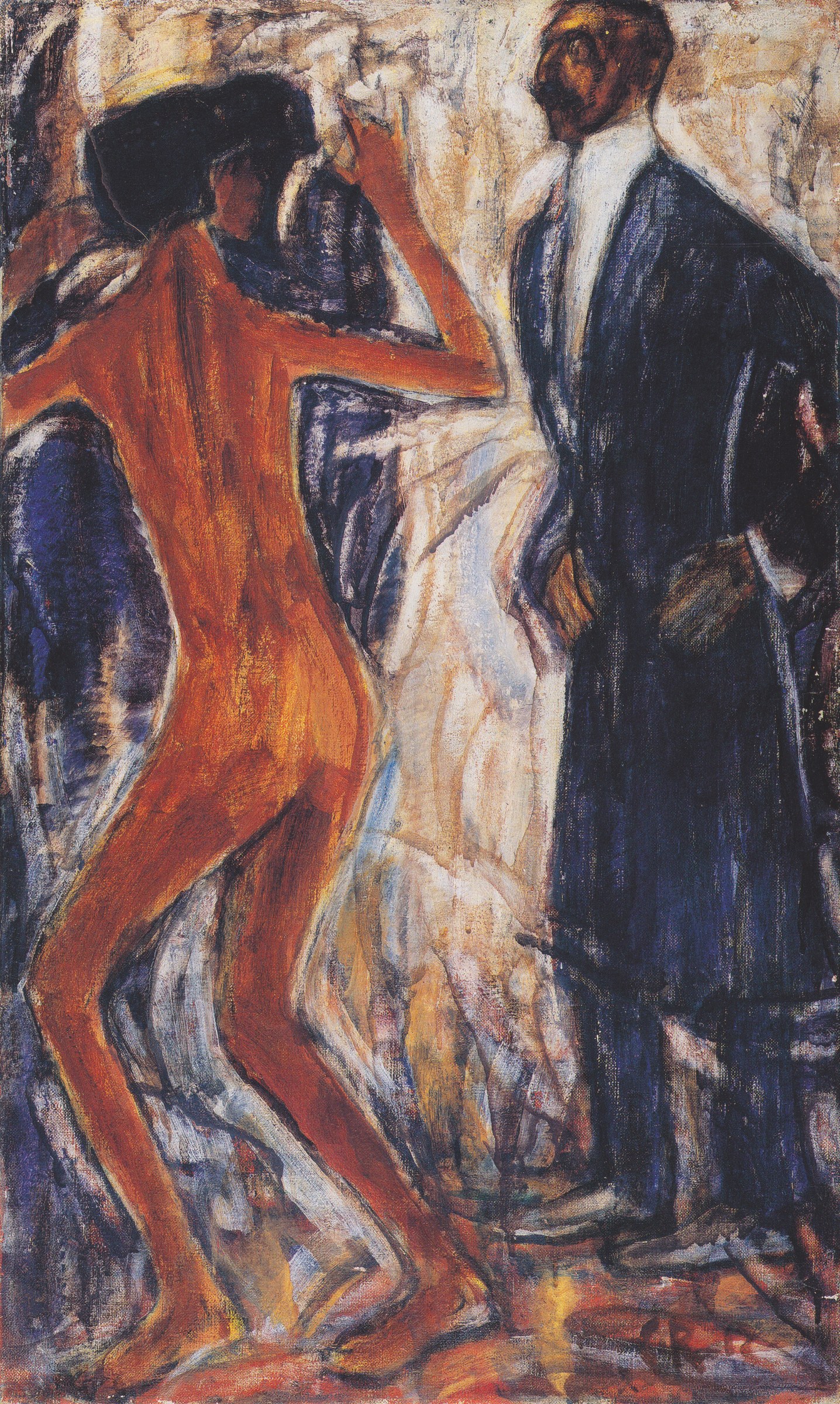
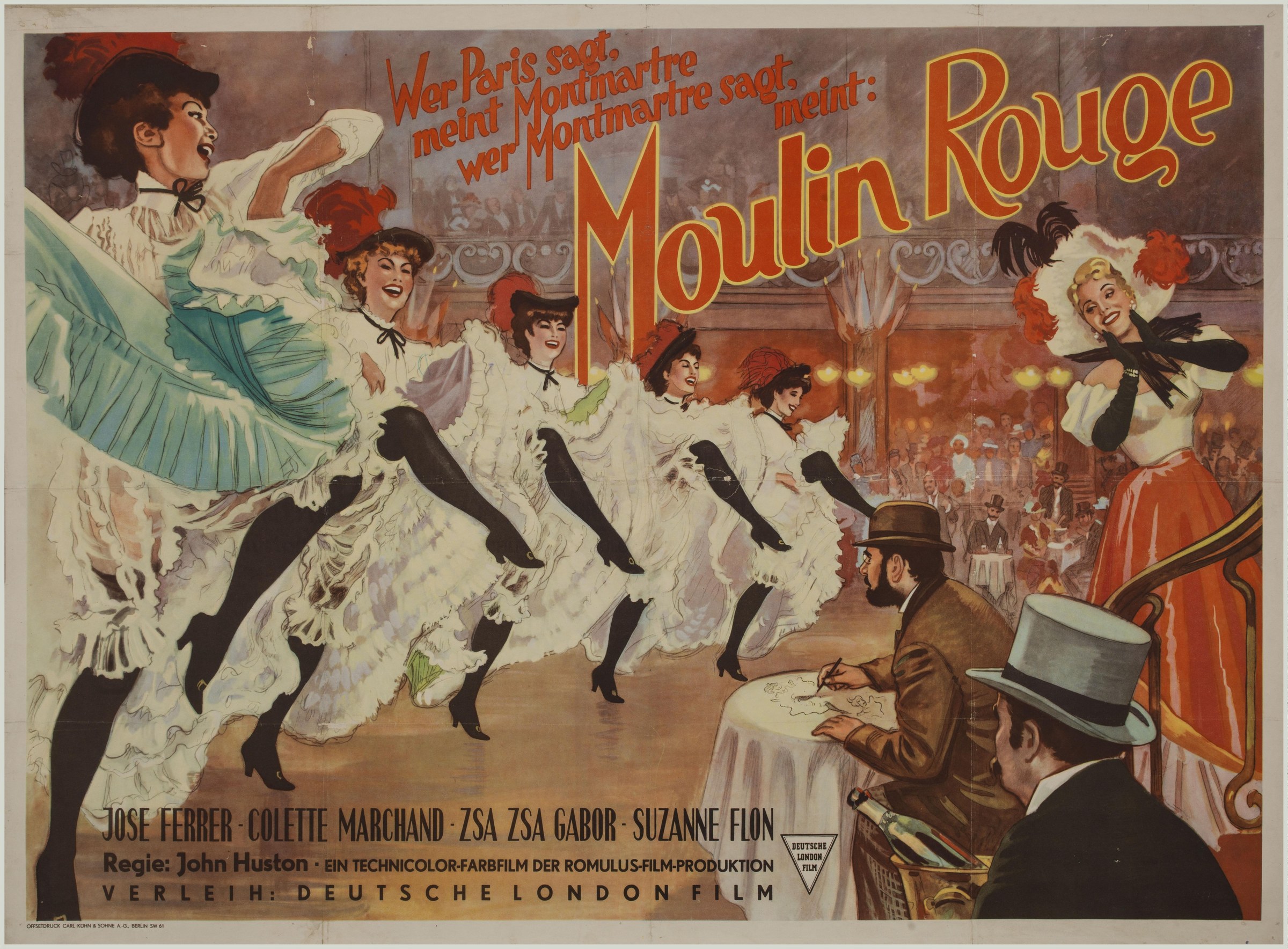
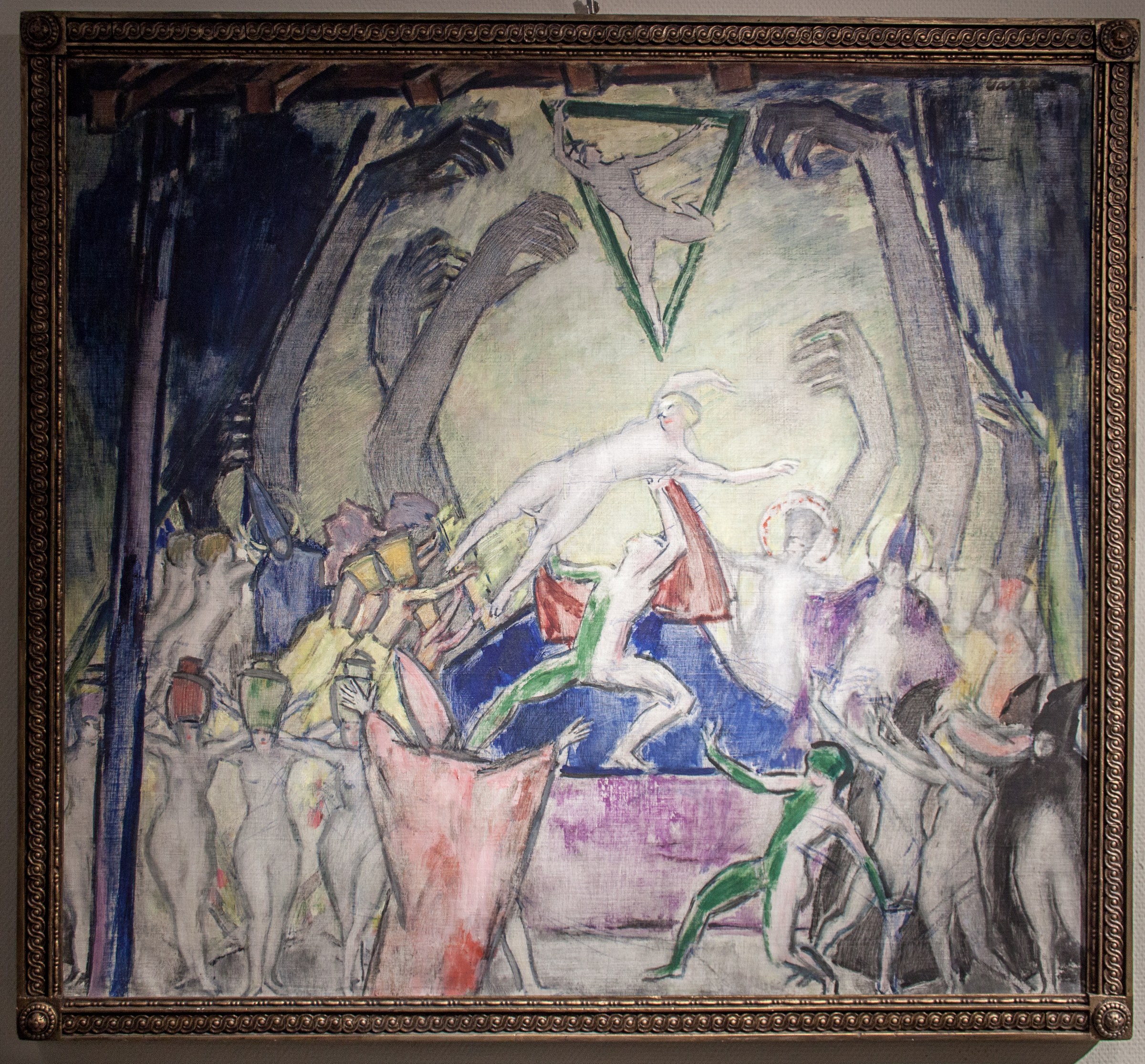
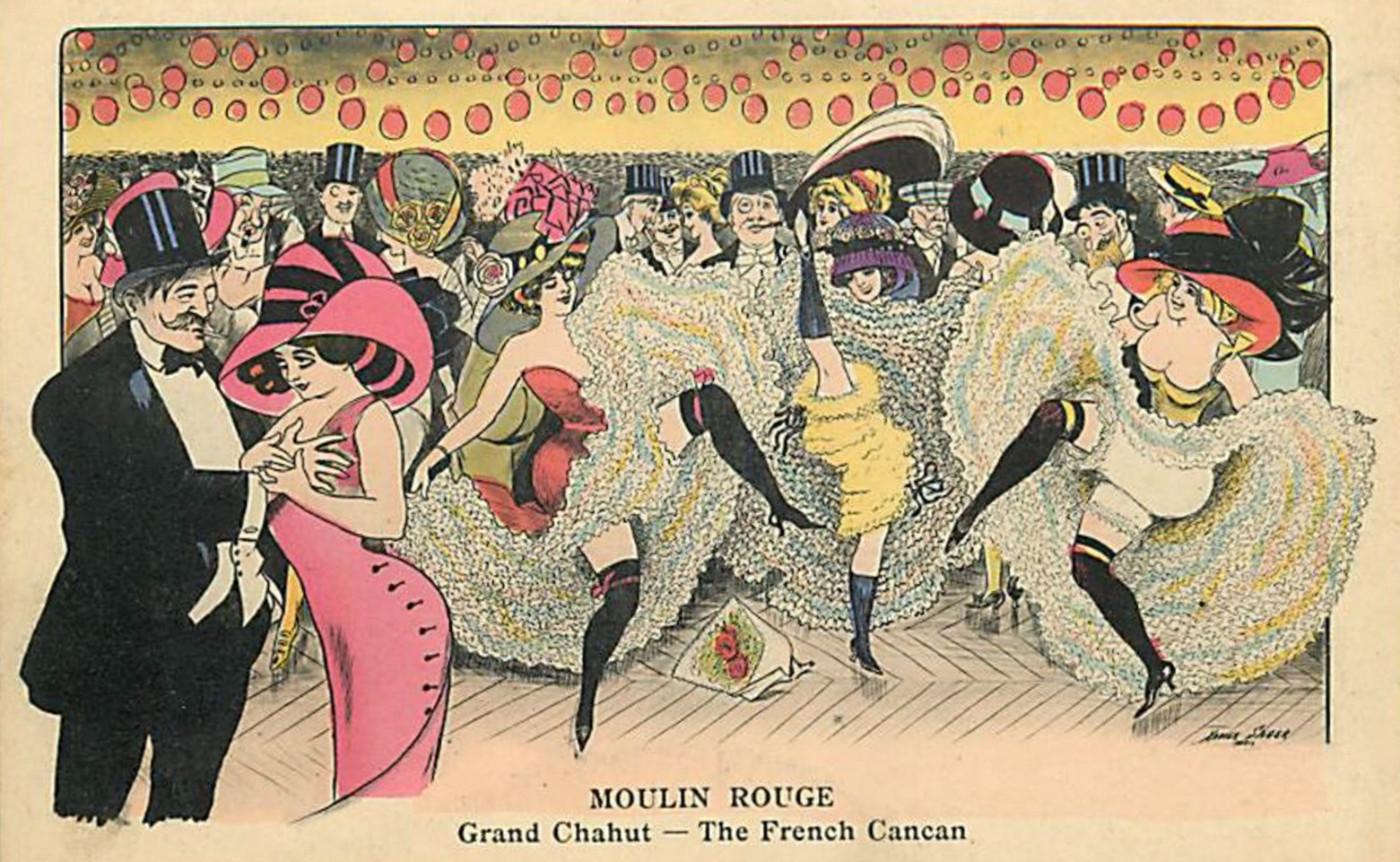
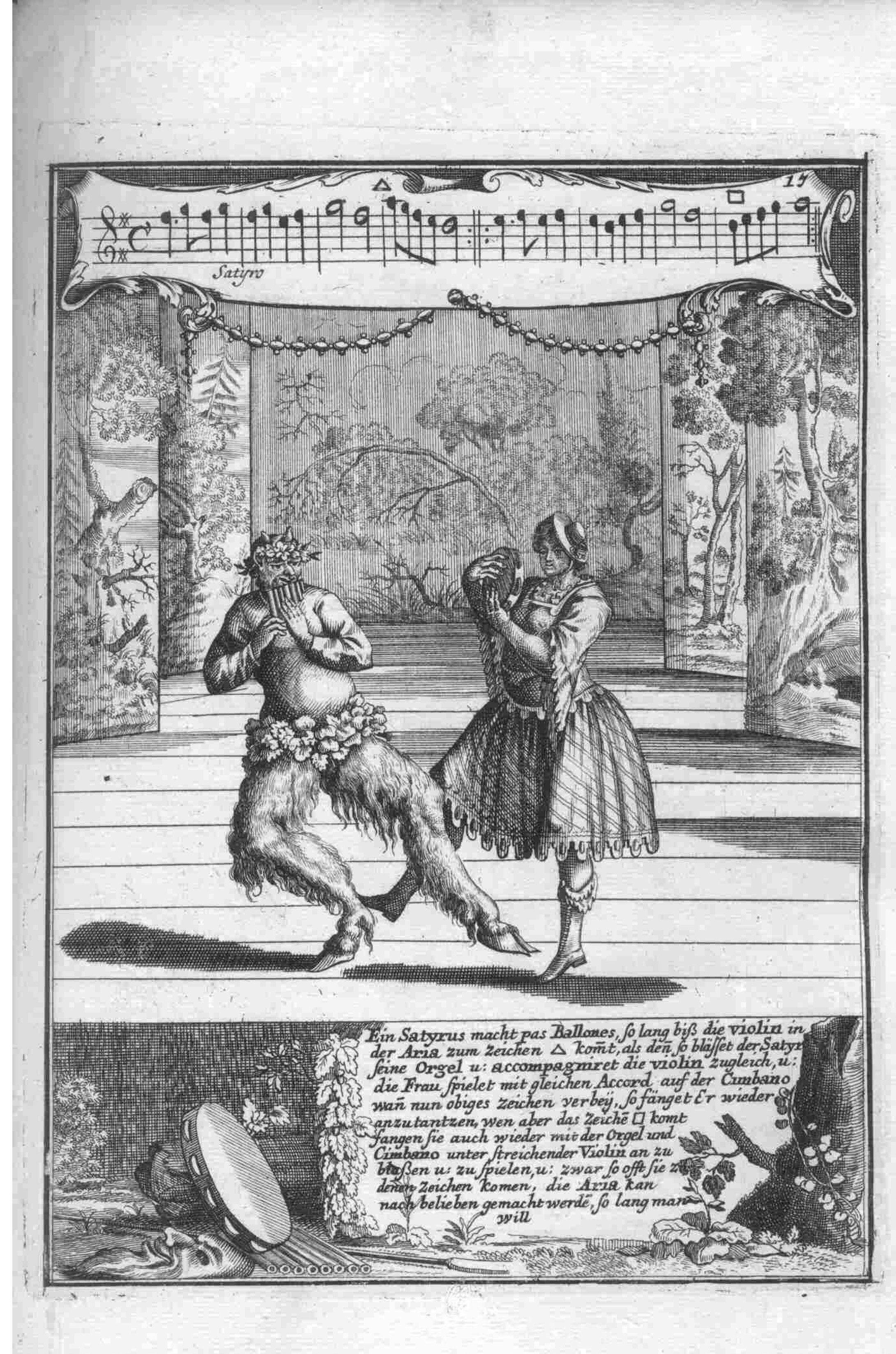
Comic Character — Plate 16
Gregorio Lambranzi
Public Domain
[Pictures] Taiwanese Folk Dance (YiTzy)
yitzy
https://creativecommons.org/licenses/by-sa/4.0/
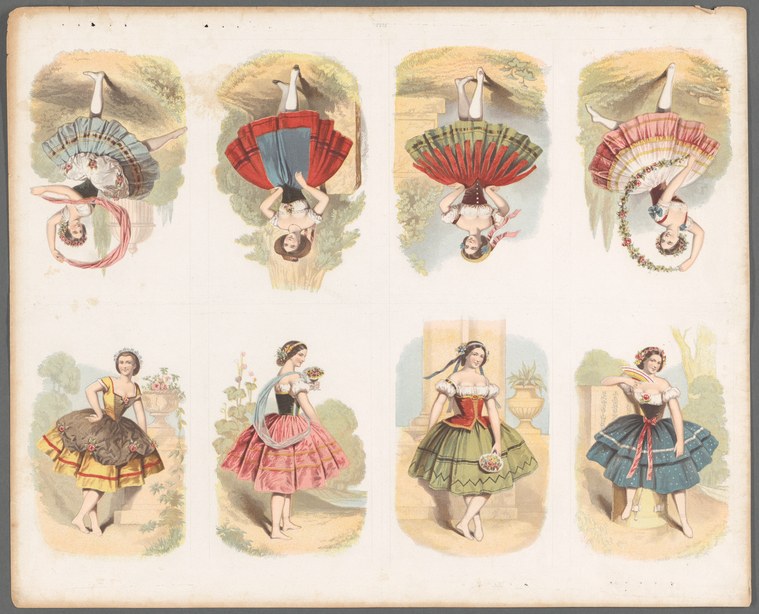
Eight ballerinas in folk costumes
Unknown artist
Public Domain
Continue Exploring
Lineage of Dance
500 years of dance evolution
Champions of Dance
Winners of marquee national & world titles
Language of Dance
161 dance terms & translations
Listening of Dance
Tempo, timing & musicality tools
Gallery of Dance
5,700+ artworks from museum collections
Attire of Dance
Evolution of dance dress across eras
Keep the thread going
Dance history, technique, and the occasional rabbit hole — in your inbox. Thoughtful, infrequent, unsubscribe anytime.
Free. No spam. One click to leave.