Modern Fusion & Commercial
Contemporary popular and screen-driven dance forms that fuse multiple traditions for film, stage, and mass culture—Bollywood film dance, K-pop performance choreography, disco social dance, and burlesque/neo-burlesque.
6 dance styles in this genre
Historical Origins
These forms each fuse older traditions into commercial entertainment. Bollywood dance grew with Hindi cinema from the 1930s onward, blending Indian classical (kathak, bharatanatyam), folk (bhangra, garba), and Western popular styles. Disco social dance peaked in the mid-to-late 1970s nightclub era. K-pop dance crystallized as a high-precision performance-choreography style from the 1990s–2000s, drawing heavily on hip-hop and funk styles (popping, locking, waacking) and jazz. Burlesque, a 19th-century variety/parody stage tradition, was revived from the 1990s as 'neo-burlesque.'
Cultural Significance
Commercial fusion forms are how hundreds of millions of people encounter dance—through film, music video, and stage. They are powerful cultural exports (Indian cinema, the Korean Wave) and sites of revival and reinvention (neo-burlesque's reclaiming of the tease as performance art). They also illustrate borrowing: K-pop and commercial choreography draw directly on African-American street styles whose originators deserve credit.
Musical Characteristics
Tied to their soundtracks—film songs (Bollywood), produced pop with tightly mapped 'point' choreography (K-pop), four-on-the-floor disco (~110–130 BPM), and brassy showtunes or eclectic modern tracks (burlesque).
Core Movement Principles
High production values, synchronization, and camera/stage awareness; expressive storytelling and lip-sync performance (Bollywood); signature repeatable 'point moves' and formation changes (K-pop); partner and line social patterns (disco); and theatrical character, costume, reveal, and audience play (burlesque).
Modern Usage
Central to global film and music industries, social-media dance trends and challenges, fitness and studio classes (Bollywood, disco), and live cabaret and festival circuits (neo-burlesque).
Dance Styles
Bollywood Dance
Also known as: Hindi film dance, Filmi dance
Exuberant film-dance style of Hindi cinema fusing Indian classical, folk, and Western popular dance into mass-entertainment choreography.
K-pop Dance
Also known as: K-pop choreography, Idol choreography
High-precision performance choreography of Korean pop music, built on synchronized 'point moves' and formations drawn from hip-hop, funk, and jazz.
Disco Dance
Also known as: Disco, Hustle-era social dance
Social nightclub dance of the 1970s disco era—partner hustles and line dances danced to four-on-the-floor disco music.
Burlesque & Neo-Burlesque
Also known as: Burlesque, Neo-burlesque, Tease
Theatrical variety performance built on parody, character, costume, and the striptease 'reveal,' from 19th-century stages to the modern neo-burlesque revival.
Commercial / Industry Dance
Also known as: Industry Dance, Commercial Jazz, Music Video Dance, LA Style
The audition-circuit idiom of music videos, tours, awards shows and advertising, built on hip-hop and jazz technique and organised around agents, casting calls and gig work.
Street Jazz
Also known as: Jazz Funk, Jazz-Funk Dance, Funk Jazz, Hip-Hop Jazz
A studio hybrid grafting hip-hop and funk styling onto jazz technique, danced to pop and R&B, and used largely interchangeably with the term jazz funk.
Legends of Modern Fusion & Commercial
Dancers, choreographers and teachers whose work shaped the styles in this genre.
11 more modern fusion & commercial figures have pages — browse all legends.
Modern Fusion & Commercial on screen
Films and television where modern fusion & commercial appears, with the sequences worth watching for.
 Honey (2003)12 sequences indexedFirst-choreography music-video montage · 00:27:28 · chor. Luther Brown; Laurieann GibsonHoney directs the back-line switch · 00:37:27 · chor. Luther Brown; Laurieann GibsonTweet shoot — fly, land and plié · 00:45:39 · chor. Luther Brown; Laurieann Gibson
 Saturday Night Fever (1977)12 sequences indexedA Fifth of Beethoven — arrival at 2001 Odyssey · 00:12:59 · chor. Lester WilsonDisco Inferno — Tony and Annette · 00:16:04 · chor. Lester WilsonDoreen's brief dance with Tony · 00:18:10 · chor. Lester Wilson
 High Strung: Free Dance (2018)9 sequences indexedKayla Jordan's Bollywood entrance · 00:59:59 · chor. Nakul Dev MahajanOpening courtyard audition · chor. Tyce DiorioFree Dance open call — commercial combination · 00:09:30 · chor. Tyce Diorio
 Aaja Nachle (2007)6 sequences indexed“Aaja Nachle” title number · chor. Vaibhavi Merchant“Show Me Your Jalwa” company-building number · chor. Vaibhavi Merchant“Soniye Mil Ja” comic duet · chor. Vaibhavi Merchant
 Footloose (1984)5 sequences indexedNever — warehouse anger dance · 00:35:31 · chor. Lynne Taylor-CorbettLet's Hear It for the Boy — teaching Willard · 00:59:44 · chor. Lynne Taylor-CorbettFootloose — prom finale · 01:39:48 · chor. Lynne Taylor-CorbettABCD: Any Body Can Dance (2013)4 sequences indexedKKR joker qualifier performance · chor. Remo D'Souza“Bezubaan” rain dance · chor. Remo D'Souza“Psycho Re” end-credit dance · chor. Remo D'Souza
 Disco Dancer (1982)4 sequences indexedAe O Aa Zara Mudke Mila Aankhen — Jimmy’s debut · chor. Suresh BhattKrishna Dharti Pe Aaja Tu — breakthrough concert · chor. Suresh BhattKoi Yahan Aha Nache Nache — Sam and Nikki’s Goa show · chor. Suresh Bhatt
 Lakshmi (2018)4 sequences indexedChildren dance with Prabhu Deva without musicPrabhu Deva's flashback soloPin-sabotaged semifinal duet and ensemble
 Navrang (1959)4 sequences indexedAadha Hai Chandrama Raat Aadhi · chor. ShaamArre Jaa Re Hat Natkhat · chor. ShaamShyamal Shyamal Baran · chor. ShaamThat's My Girl (2016)4 sequences indexedWhite-flag street rescue routine · chor. Sean BankheadCave choreography · chor. Sean BankheadAbandoned-building dustfall ensemble · chor. Sean Bankhead
 Work from Home (2016)4 sequences indexedInterior staircase formation · chor. Sean BankheadLoader-platform and bulldozer solos · chor. Sean BankheadFront-of-house synchronized tool choreography · chor. Sean BankheadBO$$ (2014)3 sequences indexedOpening white-set ensemble routine · chor. Sean BankheadMetallic-chair choreography · chor. Sean BankheadCatwalk photo-shoot footwork · chor. Sean Bankhead
Poster artwork from TMDB.
 This site uses TMDB and the TMDB APIs but is not endorsed, certified, or otherwise approved by TMDB.
Showing the 12 most-documented of 71 titles — browse the full library.
Modern Fusion & Commercial FAQs
Modern Fusion & Commercial in art
Browse the gallery →Works our catalogue identifies as depicting modern fusion & commercial.
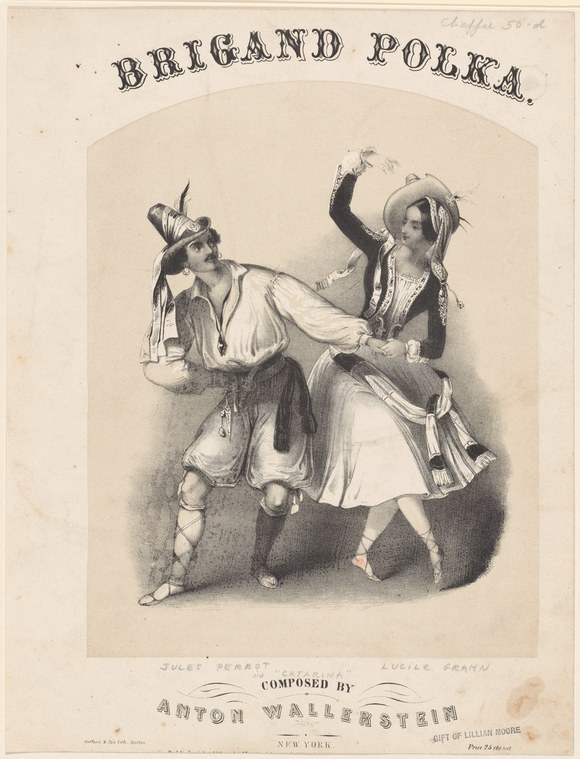
Brigand polka.
Unknown artist
public_domain
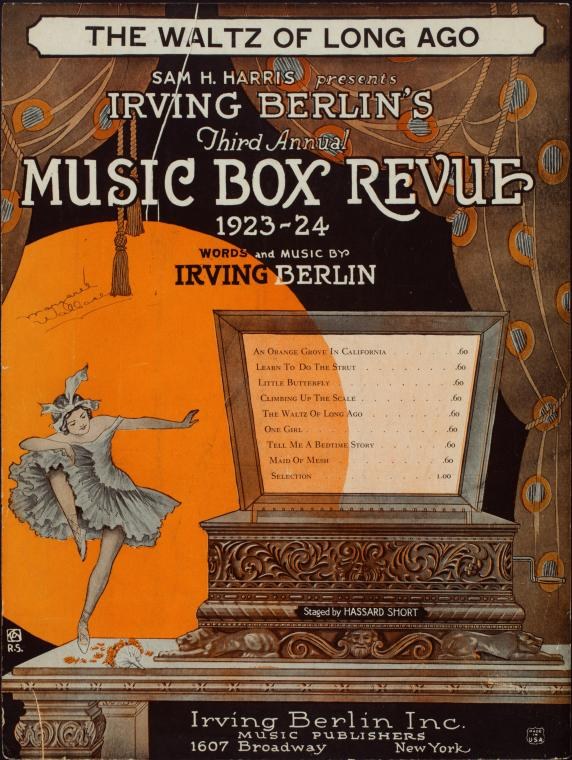
The waltz of long ago
Unknown artist
public_domain
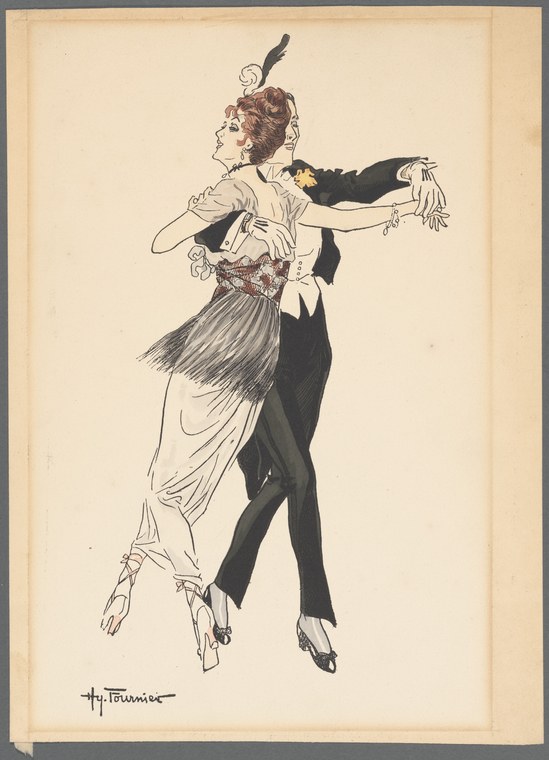
Ballroom dancers
Unknown artist · 2019
public_domain
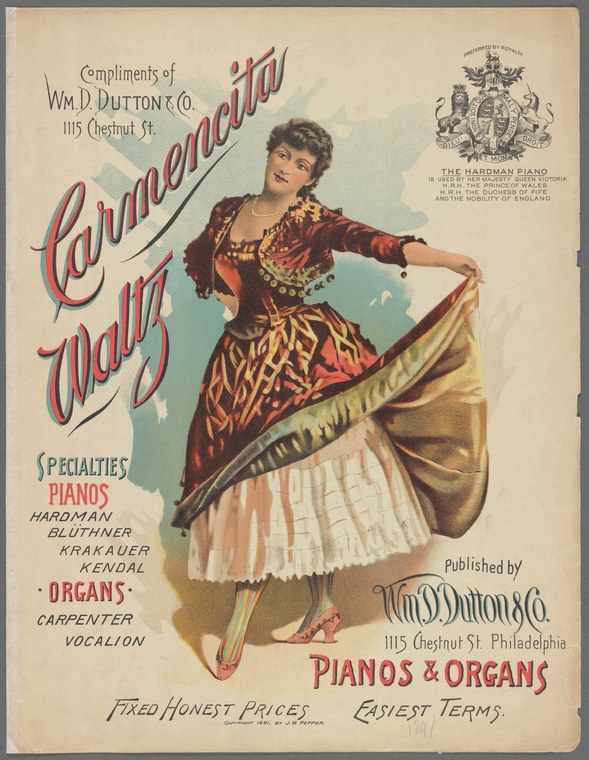
Carmencita waltz
Unknown artist · 2019
public_domain
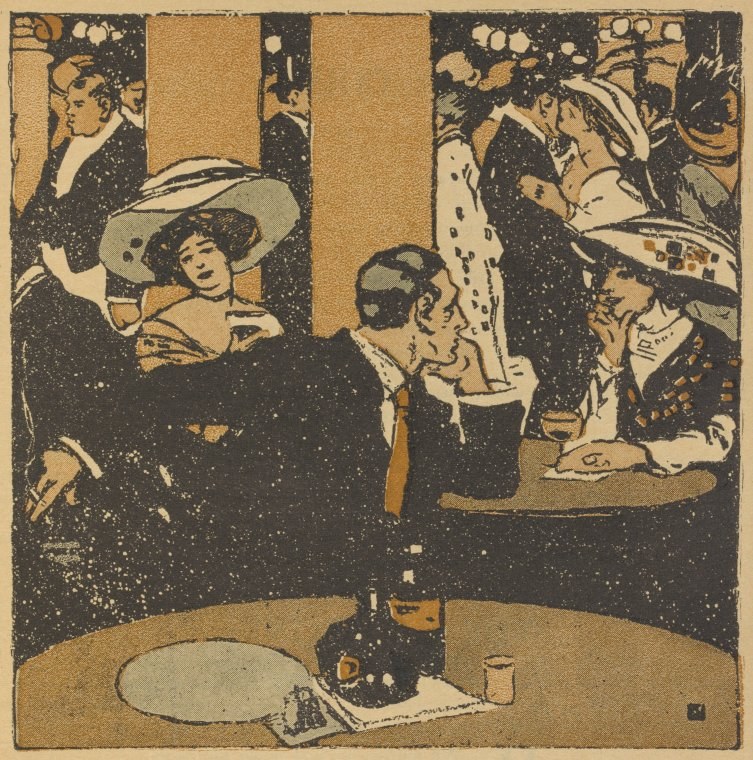
The lure of the dance
Unknown artist · 2021
public_domain
The lure of the dance
Unknown artist
public_domain
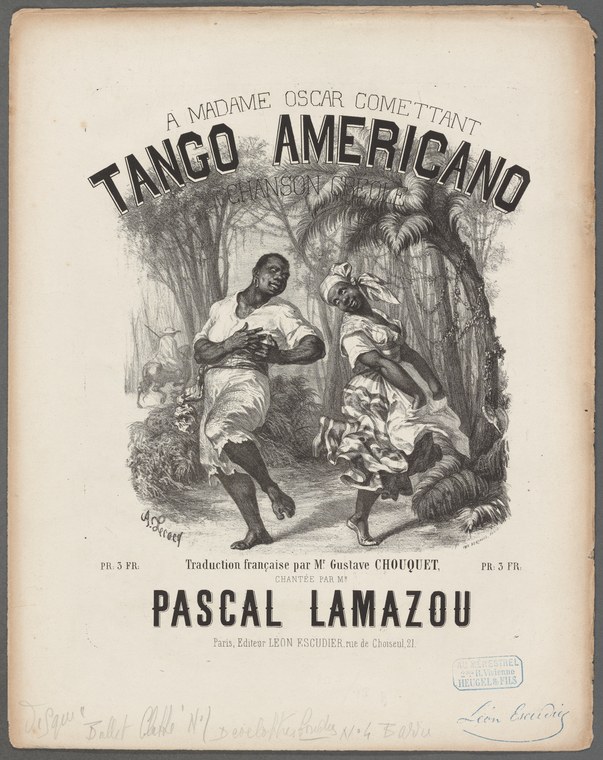
Tango americano
Unknown artist · 2019
public_domain
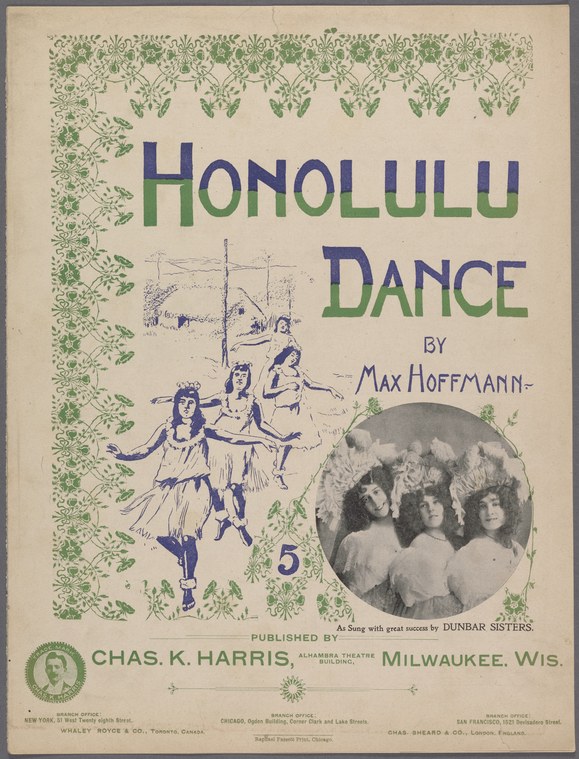
Honolulu dance
Unknown artist
public_domain
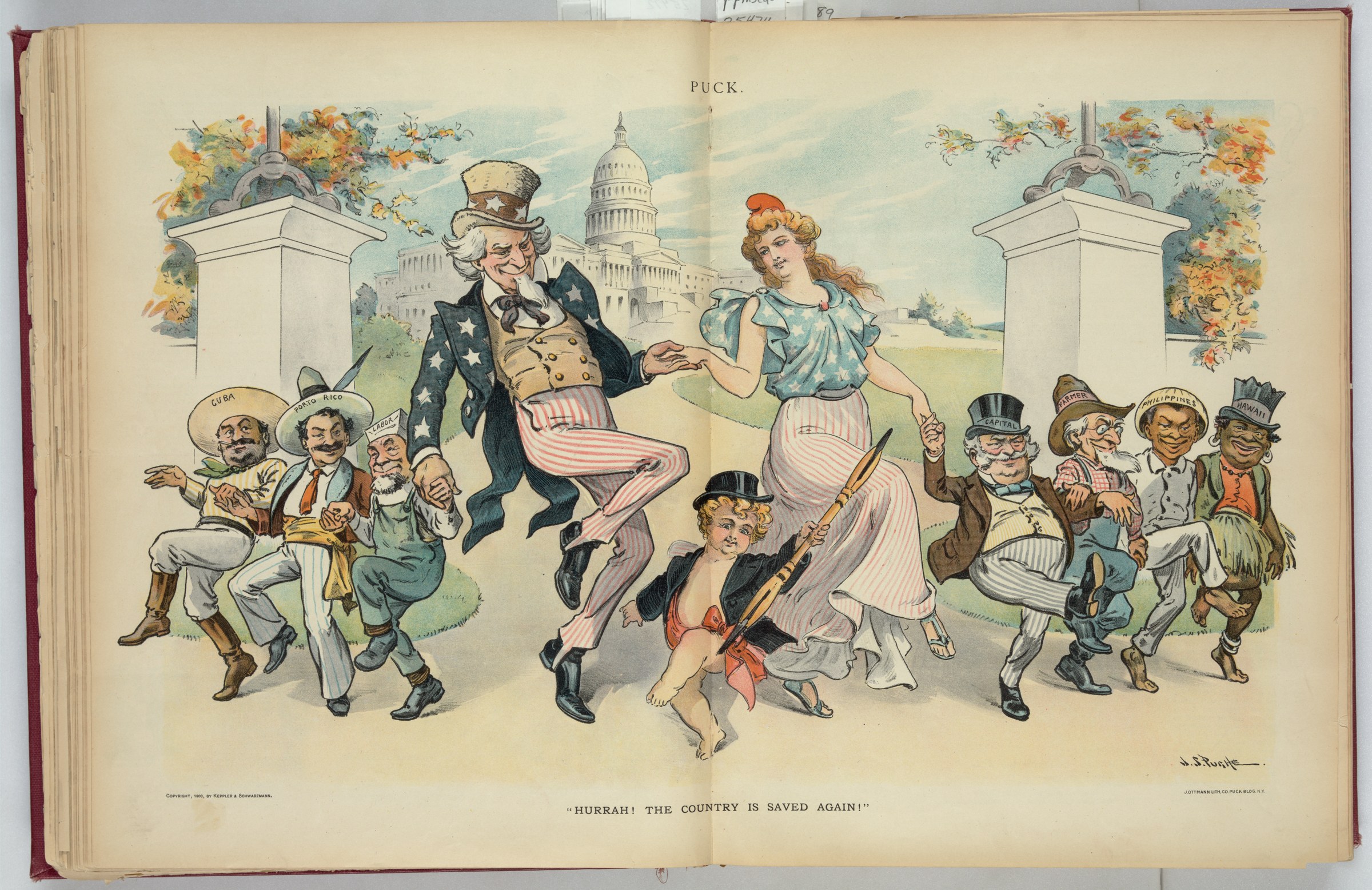
"Hurrah! The country is saved again!" - J.S. Pughe. LCCN2010651346
Pughe, J. S. (John S.), 1870-1909, artist · 1900
Public Domain