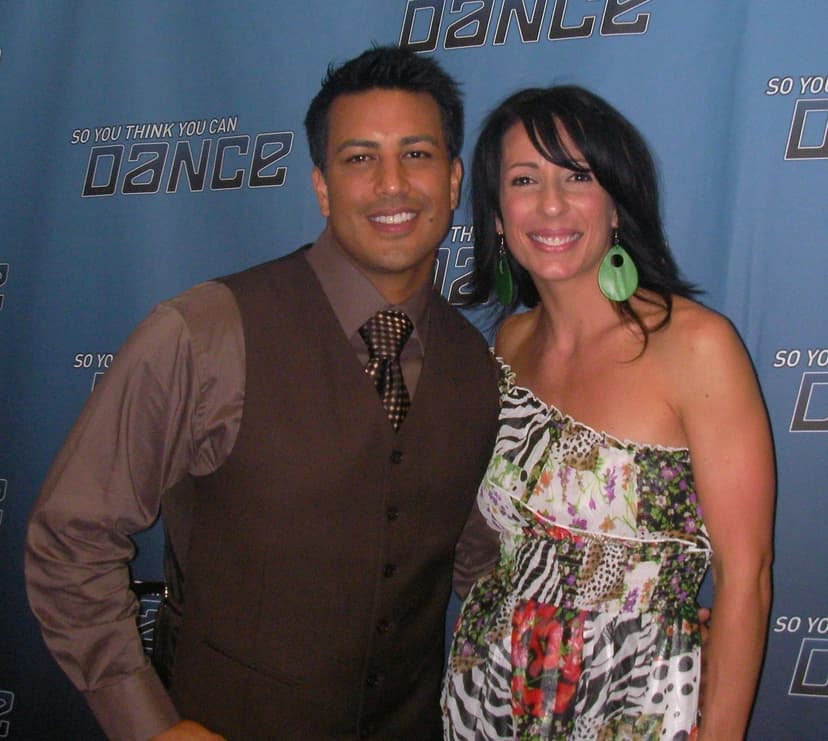
Tabitha Dumo
Legend of Dance
Why They Matter
D’umo helped make choreography itself visible to a broad television audience. Her work with Napoleon D’umo demonstrated that commercially produced hip-hop could carry character, conflict and emotional progression without abandoning rhythmic attack and groove. Their careers also model the expansion…
Watch
HHI Spotlight: Nappytabs - Dancers, Choreographers, Producers, Directors
Hip Hop International
First-party industry context from Hip Hop International on the duo’s roles and career.
Biography
Tabitha D'umo is an American choreographer, dancer, creative director, and entrepreneur who, alongside Napoleon D'umo, brought narrative-centered hip-hop choreography to mass television and large-scale live entertainment. The professional partnership between Tabitha and Napoleon began while they were students at the University of Nevada, Las Vegas, where they built experience in commercial, industrial and teaching contexts before relocating to Los Angeles. In 2005, they established Nappytabs as a dancewear brand; the name later became their shared professional identity for choreography and production work.
D'umo and Napoleon's choreographic approach combined hip-hop vocabulary with character, dramatic premise and emotionally legible partnering—an approach widely associated with the term "lyrical hip-hop." This style proved particularly effective for television, where they could design dances for camera coverage, rapidly changing casts and compressed rehearsal cycles while maintaining clear narrative arcs.
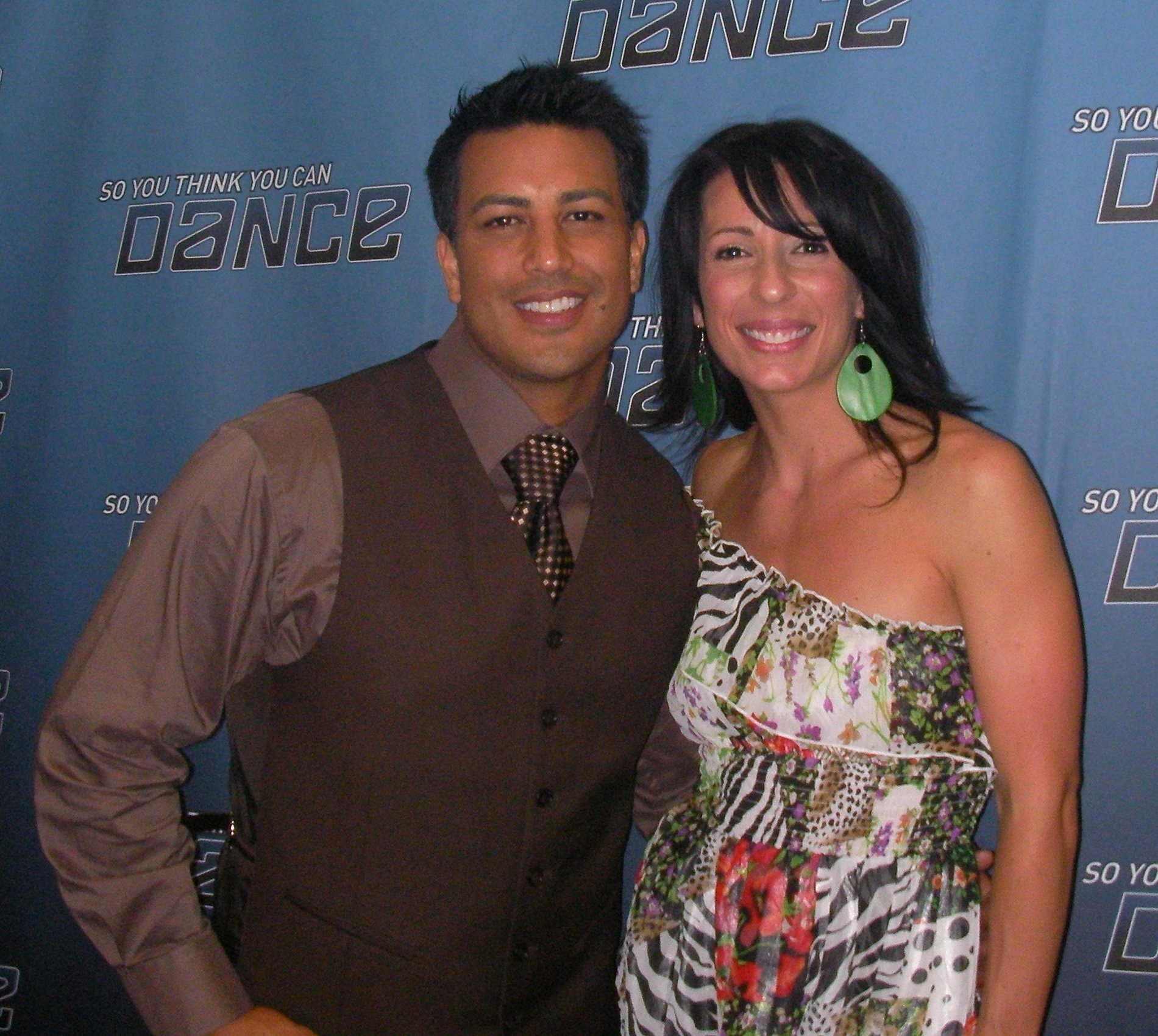
Their television presence expanded significantly in 2008 when they joined *America's Best Dance Crew* as supervising choreographers and executive producers, and *So You Think You Can Dance* as resident choreographers. Their work on *So You Think You Can Dance*, including the routine "Outta Your Mind," earned them the Emmy Award for Outstanding Choreography in 2011, with a second Emmy win in 2014. They received additional nominations in 2009 and 2013.
Beyond television, Nappytabs' credits span concert direction, award shows, films and major live productions. By 2022, they were working on the Grammy Awards as part of the producing team—a role reflecting a career that expanded from creating individual routines to directing and producing entire broadcast programs. Their current professional portfolio identifies them as producers and directors as well as choreographers.
Career Highlights
The Television Academy dates Tabitha and Napoleon D’umo’s professional dance-industry work from this year. Television Academy
The pair established Nappytabs as a dancewear brand; later use of the name for the duo grew from that venture. Nappytabs
They joined America’s Best Dance Crew and So You Think You Can Dance in choreography and production roles. Television Academy
Their So You Think You Can Dance choreography earned an Emmy nomination. Television Academy
Tabitha and Napoleon won the Emmy for Outstanding Choreography for So You Think You Can Dance. Emmys
They received a further Outstanding Choreography nomination. Television Academy
They won a second Emmy for choreography. MSA
Nappytabs worked on the Grammy Awards as part of the producing team; the special later received an Emmy nomination, according to their agency portfolio. MSA
Gallery
Legacy & Impact
D'umo helped make choreography itself visible to a broad television audience during a period when dance on screen often served as decoration rather than narrative. Her work with Napoleon D'umo demonstrated that commercially produced hip-hop could carry character, conflict and emotional progression without abandoning rhythmic attack and groove. Their careers model an expanded scope for choreographers—one that encompasses teaching, routine-making, and directing entire live broadcasts—influencing how dance and choreography are valued and deployed in mainstream entertainment.

Explore More Legends
Discover the dancers, teachers, choreographers, and cultural icons who shaped how the world moves.
Keep the thread going
Dance history, technique, and the occasional rabbit hole — in your inbox. Thoughtful, infrequent, unsubscribe anytime.
Free. No spam. One click to leave.