Tommy The Clown
Legend of Dance
Why They Matter
Tommy the Clown’s importance is inseparable from the social infrastructure he built around movement. He turned a birthday-party performance identity into a recognizable Los Angeles form, created pathways for young dancers to train and perform, and organized a competitive arena that helped different…
Watch
Tommy Squad / Battle Zone League showcase
Battle Zone League
Contemporary evidence of the crew and battle ecosystem Tommy continues to organize
Biography
Thomas Johnson, known professionally as Tommy the Clown, created hip-hop clowning in Los Angeles in 1992 after being asked to entertain at a child's birthday party. Rather than separate clown character from contemporary dance, he combined face paint, comic showmanship, hip-hop music, and energetic movement into a party form that became central to South Los Angeles youth culture. As demand for his performances grew, Johnson trained young dancers who performed with him at birthday parties and community events, building Hip Hop Clowns into a recognizable practice that offered visible, disciplined activity within the neighborhoods he served.
The proliferation of clown crews created both a movement and a practical need for organized competition. Johnson founded Battle Zone as a dedicated arena where dancers and crews could perform before an audience. This event became a major point of contact between clown dancers and the emerging krump community, preserving the fact that clowning and krumping are related but distinct forms, each with its own lineage and creators.
David LaChapelle's 2005 documentary *Rize* brought international attention to this Los Angeles dance ecology. The film centered Tommy alongside clown dancers and krump dancers including Lil' C and Miss Prissy, showing the ambitions and constraints of community-based performance. Tommy's presence in that film made him widely recognized as a representative of the culture, while the forms and movements depicted remained the work of many dancers, crews, and organizers across the region.
Johnson has continued to teach, organize Battle Zone competitions, lead crews, and appear in major cultural moments. In 2024 he performed at Kendrick Lamar's Los Angeles "Pop Out" concert and appeared in the opening of the "Not Like Us" music video, a public acknowledgment of clowning's enduring place in the city's dance lineage. His academy continues to frame classes, workshops, performances, and competitions as connected parts of youth-centered cultural work.
Career Highlights
Created the Tommy the Clown party persona and began developing hip-hop clowning in Los Angeles. Los Angeles Times
Built Hip Hop Clowns into a youth performance practice serving birthday parties and community events. LA Phil
Established Battle Zone as an organized arena for clown and krump crews. Los Angeles Times
Battle Zone at the Great Western Forum became a central filmed event in the production of Rize. RogerEbert.com
Appeared as a principal cultural figure in David LaChapelle’s documentary Rize. NPR/Maine Public
Took Battle Zone to Germany, extending the event’s international reach. Dance Teacher
Performed at Kendrick Lamar’s “The Pop Out: Ken & Friends” concert in Los Angeles. Entertainment Weekly
Appeared in the opening sequence of Kendrick Lamar’s “Not Like Us” music video. Entertainment Weekly
Continued Battle Zone League activity and youth-facing crew competition through his official channel and organization. Battle Zone League
Tommy The Clown on screen
Films and television featuring Tommy The Clown, with the sequences we have indexed.
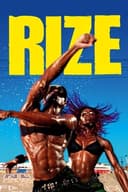
Poster artwork from TMDB.
 This site uses TMDB and the TMDB APIs but is not endorsed, certified, or otherwise approved by TMDB.
Legacy & Impact
Tommy the Clown's significance lies in the social infrastructure he built around movement rather than in movement innovation alone. He transformed a birthday-party performance identity into a recognizable Los Angeles form, created sustained pathways for young dancers to train and perform, and organized a competitive arena that helped different crews encounter one another. His work remains crucial to krump history as a precursor and neighboring lineage, while krump's specific authorship belongs to the dancers who developed it as its own distinct form. For dancers today, Tommy models how entertainment practice and youth mentorship can be inseparable.

Explore More Legends
Discover the dancers, teachers, choreographers, and cultural icons who shaped how the world moves.
Keep the thread going
Dance history, technique, and the occasional rabbit hole — in your inbox. Thoughtful, infrequent, unsubscribe anytime.
Free. No spam. One click to leave.