Performer · Choreographer · Innovator · Stage Icon
Vaslav Nijinsky
Ballet's Gravity-Defying Genius
Why They Matter
His Rite of Spring choreography in 1913 caused a riot and opened the door to modernism in dance. His technique remains the stuff of legend.
Known For
Watch
In the mind of Nijinsky (The Australian Ballet)
A company feature on Nijinsky's artistry and story - context and interpretation, not archival footage (none of him dancing survives).
The weight of genius: Callum Linnane on performing Nijinsky (The Australian Ballet)
A principal dancer reflects on portraying Nijinsky in a modern staging.
Le Sacre du printemps - excerpt (Opera national de Paris)
An excerpt from a modern staging of Nijinsky's Rite of Spring; reconstructed choreography, not the lost 1913 original.
Dominique Brun on reconstructing Le Sacre du printemps (Opera national de Paris)
An interview on the archival, evidence-based work of reconstructing Nijinsky's choreography.
The Joffrey Ballet: The Rite of Spring
On the landmark Hodson/Joffrey reconstruction of Nijinsky's Rite - an evidence-based recovery, not exact footage.
Inside Nijinsky's Diaries (with Paul Giamatti) - Center for Ballet and the Arts
A reading and discussion of the notebooks Nijinsky wrote in 1918-19, handled with historical care.
Meet the Characters of Nijinsky: Harlequin and Petrushka | The Australian Ballet
The Australian Ballet
Explains two signature theatrical identities associated with Nijinsky and makes collaborator and role context visible
Season 2025: Nijinsky | The Australian Ballet
The Australian Ballet
Shows how Nijinsky’s life and legend continue to be reinterpreted by a major ballet company
Ramping up for Nijinsky
The Australian Ballet
Provides company-authorized rehearsal context for John Neumeier’s biographical ballet Nijinsky
Biography
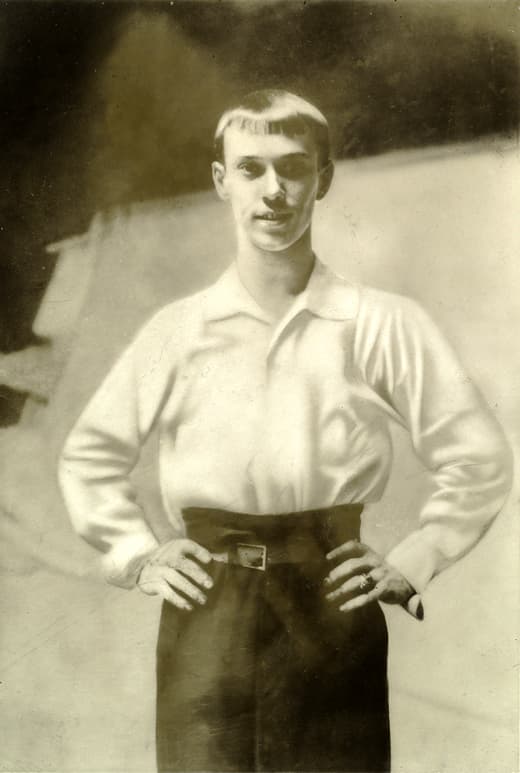
Vaslav Nijinsky (Polish: Waclaw Nizynski) was born on 12 March 1889 - some sources give 1890 - in Kyiv, then part of the Russian Empire and now in Ukraine. His parents, Tomasz Nizynski and Eleonora Bereda, were Polish dancers touring the western territories of the empire, and he was born into a theatrical household in which dance was work, language and family life. Around the turn of the century he entered the Imperial Ballet School in St Petersburg, whose disciplined academic training shaped a formidable technique; his family background and unusual dramatic responsiveness made him far more than a display virtuoso. Contemporaries repeatedly emphasized his elevation, musical precision and capacity to transform physically into sharply different characters - though no moving image of him dancing is known to survive.
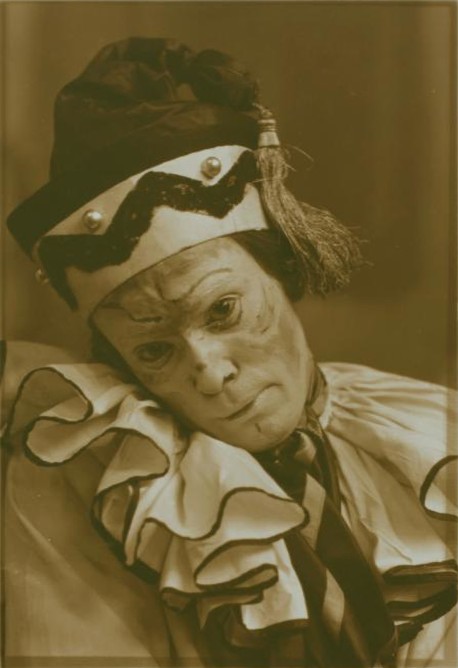
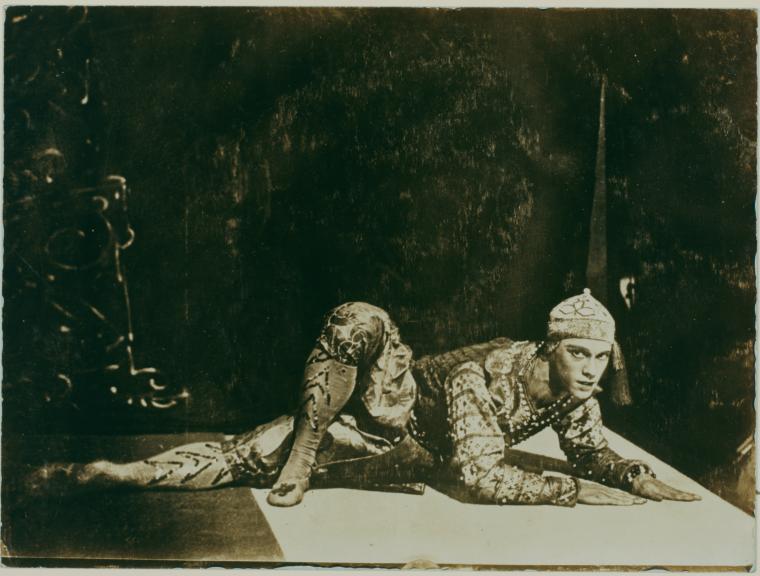
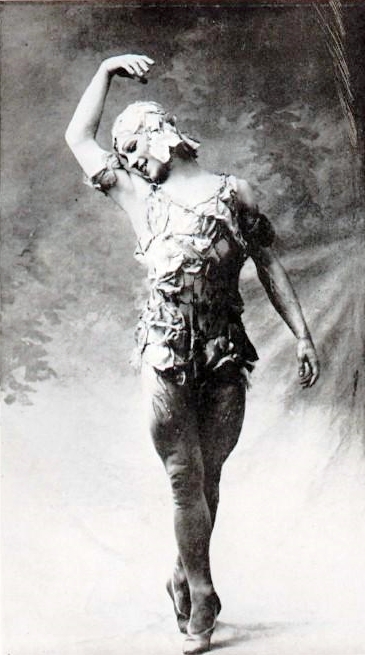
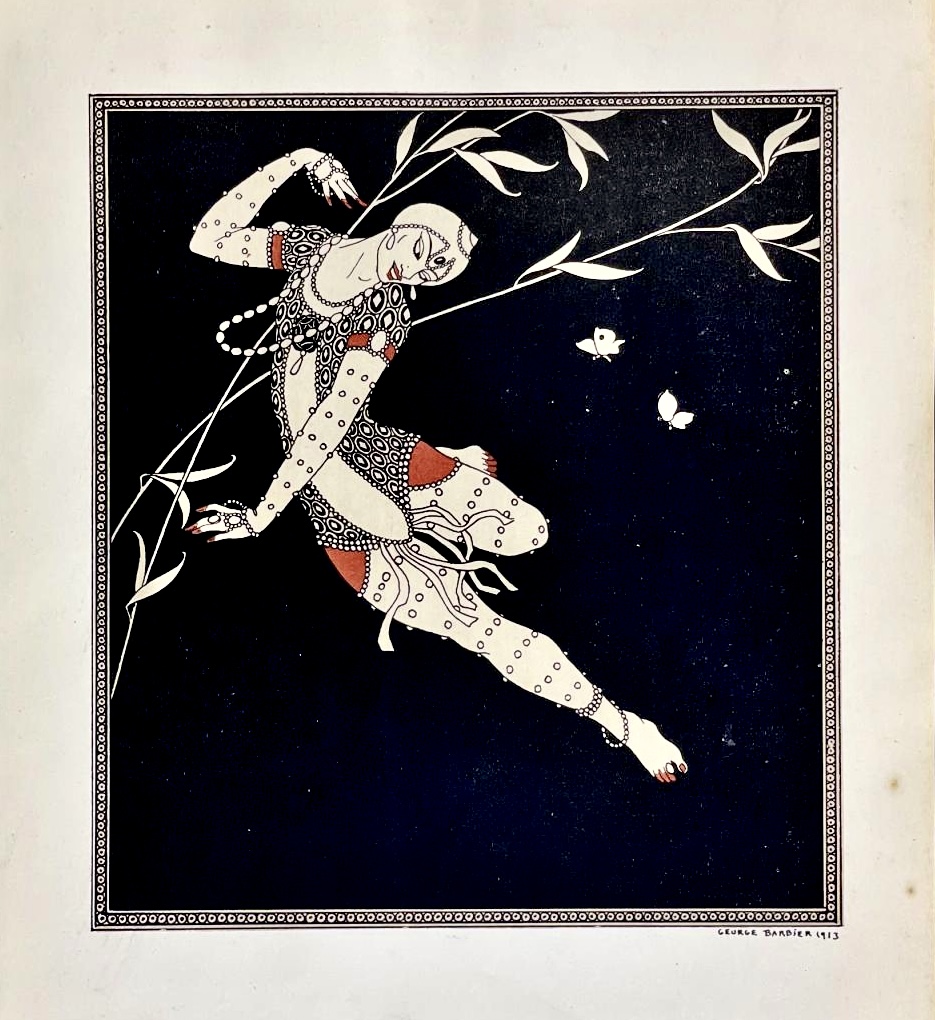
After graduating, Nijinsky joined the Imperial Russian Ballet in 1907 and rose with exceptional speed. The decisive turn came in 1909, when the impresario Serge Diaghilev presented the first Paris season of the company soon known as the Ballets Russes, and Nijinsky became one of its immediate sensations. In works choreographed by Michel Fokine - Le Pavillon d'Armide, Les Sylphides, Scheherazade, Le Spectre de la rose and Petrushka - he could appear princely, sensual, weightless, uncanny or heartbreakingly puppet-like. These were collective achievements: Fokine supplied the choreography, designers such as Alexandre Benois and Leon Bakst shaped the visual worlds, and partners including Tamara Karsavina and Anna Pavlova were essential. His fame should illuminate that artistic network rather than erase it.
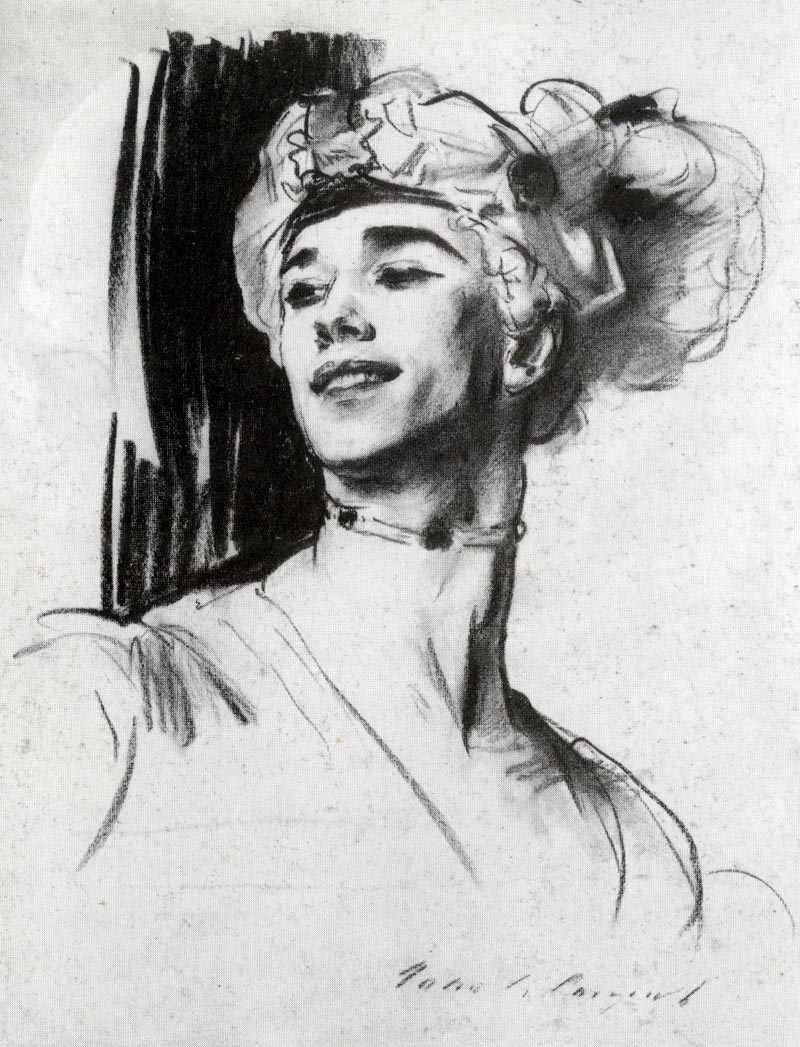
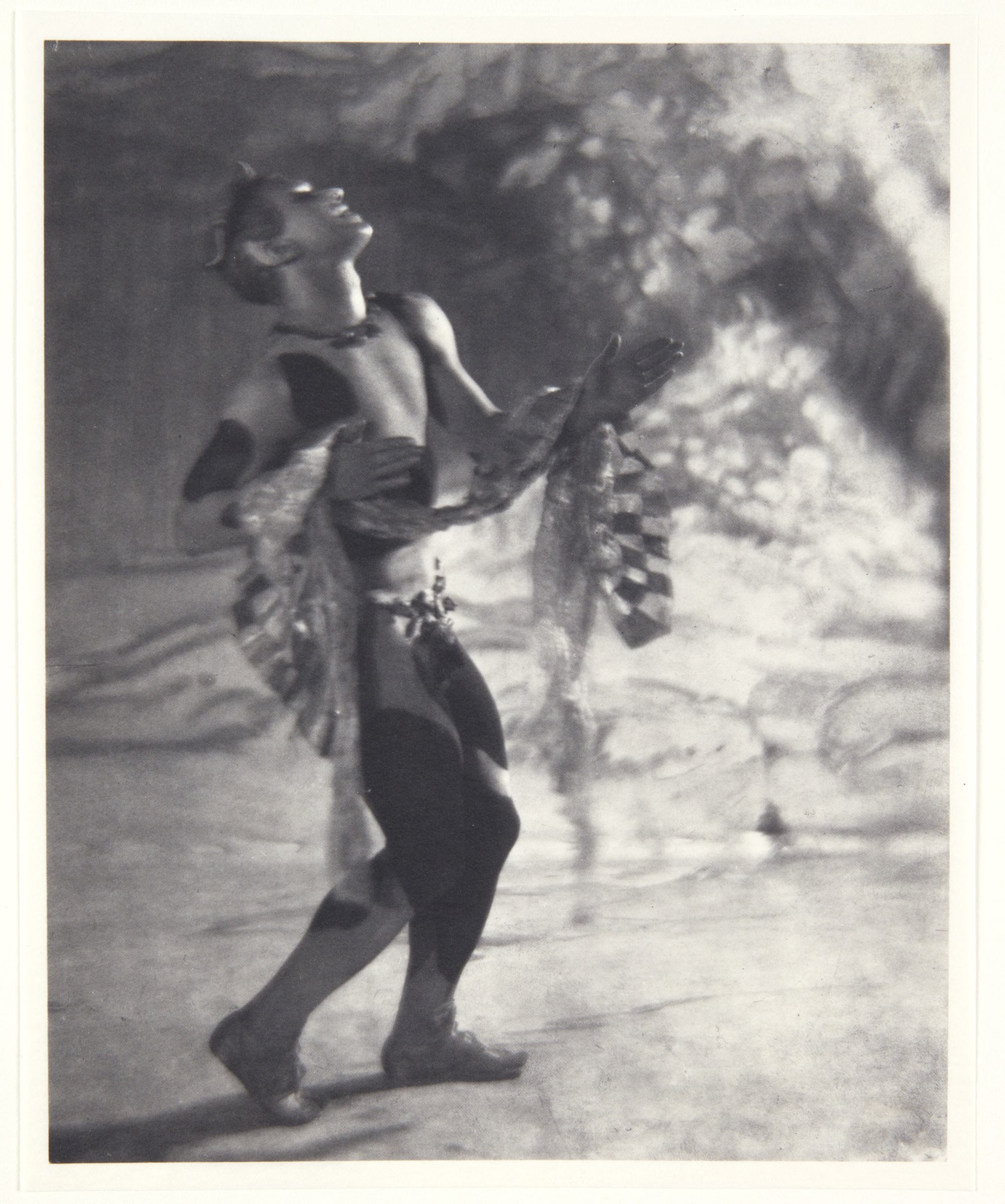
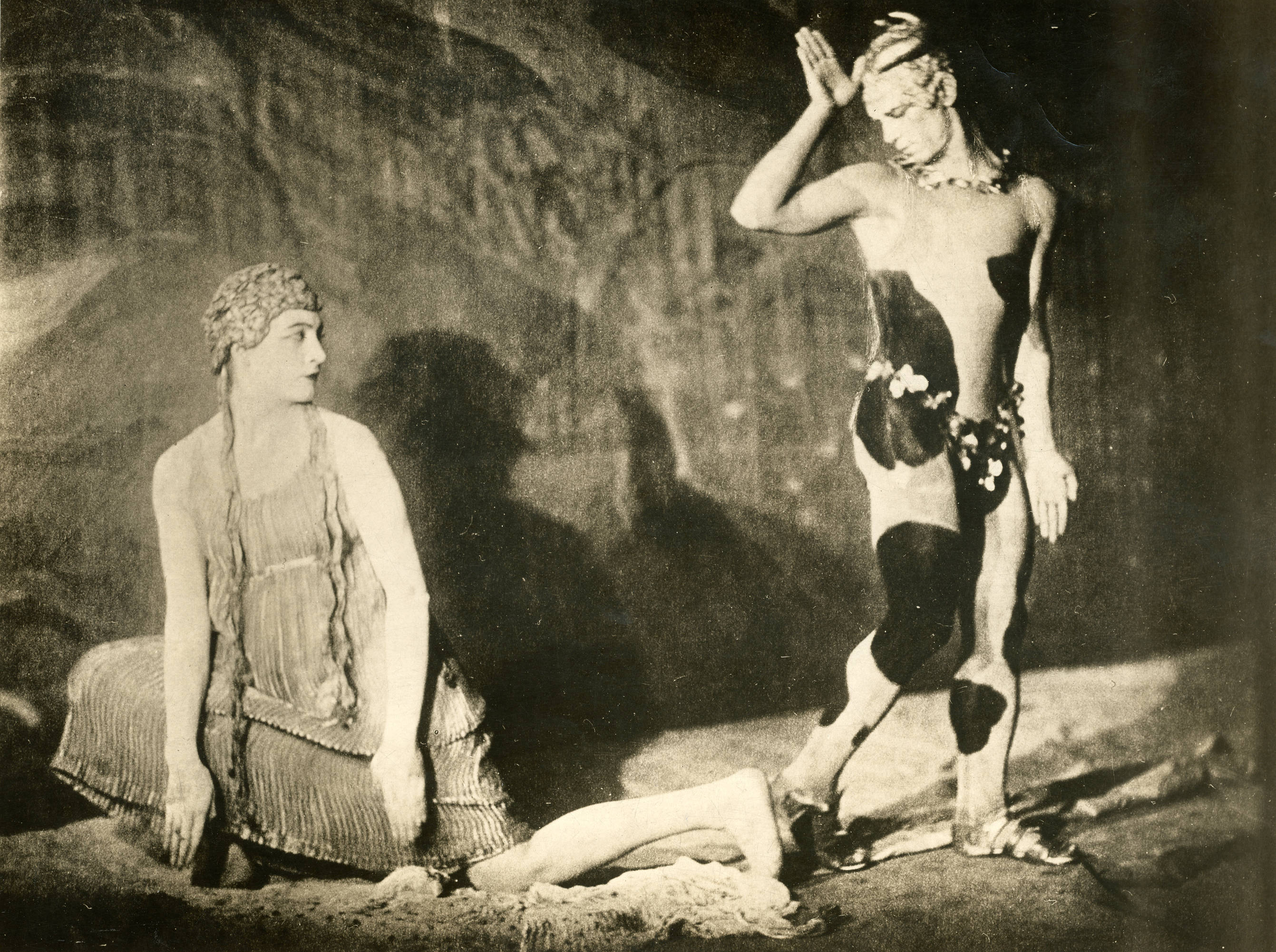
Nijinsky and Diaghilev were also lovers, an intimate relationship that existed alongside an unequal professional one in which Diaghilev was employer, advocate and gatekeeper. Under his direction Nijinsky expanded from star performer to choreographer. His first ballet, L'Apres-midi d'un faune (1912), set Debussy's music within a stage picture designed by Bakst, asking performers to move in profile through angular, flattened poses inspired by ancient art and resisting both classical turnout and the score's luxuriant flow. Its final gesture and erotic charge provoked controversy, but its deeper innovation was formal: it treated the body as a graphic element and let choreography converse independently with music and design.
In 1913 Nijinsky produced two still more radical works. Jeux, to another Debussy score, placed ambiguous social and erotic play inside a modern tennis game. Le Sacre du printemps joined Igor Stravinsky's music, Nicholas Roerich's scenario and designs, Diaghilev's production and Nijinsky's choreography in an imagined ritual community - its bent knees, turned-in legs, stamping weight and demanding counts contradicting the lifted ease associated with classical ballet. The premiere's audience disturbance has become a durable legend, but its scale and causes remain debated, with the score, choreography, subject and publicity all contributing; Marie Rambert helped communicate the complex counts to the dancers. Because the original choreography left the repertory, modern stagings are evidence-based reconstructions, not preserved footage of 1913.
During a 1913 South American tour without Diaghilev, Nijinsky married Romola de Pulszky in Buenos Aires, and Diaghilev dismissed him from the Ballets Russes soon afterward - a chronology best held with its full complexity rather than reduced to a jealous anecdote. An attempt to lead his own company in London struggled, and the First World War then trapped Nijinsky, Romola and their daughter Kyra in Austria-Hungary as Russian subjects. In 1916 he returned to the Ballets Russes for an American tour and choreographed his fourth and final ballet, Till Eulenspiegel, to music by Richard Strauss. His last professional public performance came in Montevideo in late September 1917, amid financial strain, wartime dislocation and worsening psychological distress.
The family settled near St Moritz in late 1917, where Nijinsky wrote the notebooks now known as his diary during the winter of 1918-19. On 19 January 1919 he gave a final public improvisation at the Suvretta House hotel; that March the psychiatrist Eugen Bleuler diagnosed schizophrenia, and Nijinsky entered a long sequence of hospitals and treatments. His life should not be flattened into a romantic formula in which illness explains genius: the medical record belongs to its own moment, later clinicians have reassessed the diagnosis, and the interventions he underwent included ones now recognized as traumatic. He spent most of the next three decades in care across Switzerland, France, Hungary and England, died in London on 8 April 1950, and was reinterred at Montmartre Cemetery in Paris in 1953. His performing career lasted little more than a decade and his choreographic output is counted as four ballets - yet the compact scale of that work magnified rather than diminished its impact.
Career Highlights
Graduated into the Imperial Russian Ballet and appeared in Le Pavillon d'Armide, beginning an unusually rapid rise. Paris Opera
Became a central attraction of Diaghilev's first Paris Ballets Russes season, establishing an international reputation. Victoria and Albert Museum
Created enduring interpretations of the Spirit of the Rose in Le Spectre de la rose and the title puppet in Petrushka (both choreographed by Michel Fokine). Library of Congress
Made his choreographic debut with L'Apres-midi d'un faune, premiered on 29 May in Paris. Brain (Oxford Academic)
Choreographed Jeux and Le Sacre du printemps, two contrasting experiments in modern movement, stage space and musical relation. Library of Congress
Married Romola de Pulszky in Buenos Aires on 10 September and was dismissed from the Ballets Russes soon afterward. Library of Congress
Returned to the Ballets Russes for an American tour and premiered his fourth ballet, Till Eulenspiegel, in New York. Library of Congress
Gave his final professional public performance during the company's South American tour, in Montevideo in late September. Library of Congress
Presented a final public improvisation at the Suvretta House in St Moritz on 19 January, shortly before entering psychiatric care. Brain (Oxford Academic)
The Joffrey Ballet premiered Millicent Hodson's evidence-based reconstruction of Nijinsky's Le Sacre du printemps, a landmark archival recovery. New York Public Library
Gallery
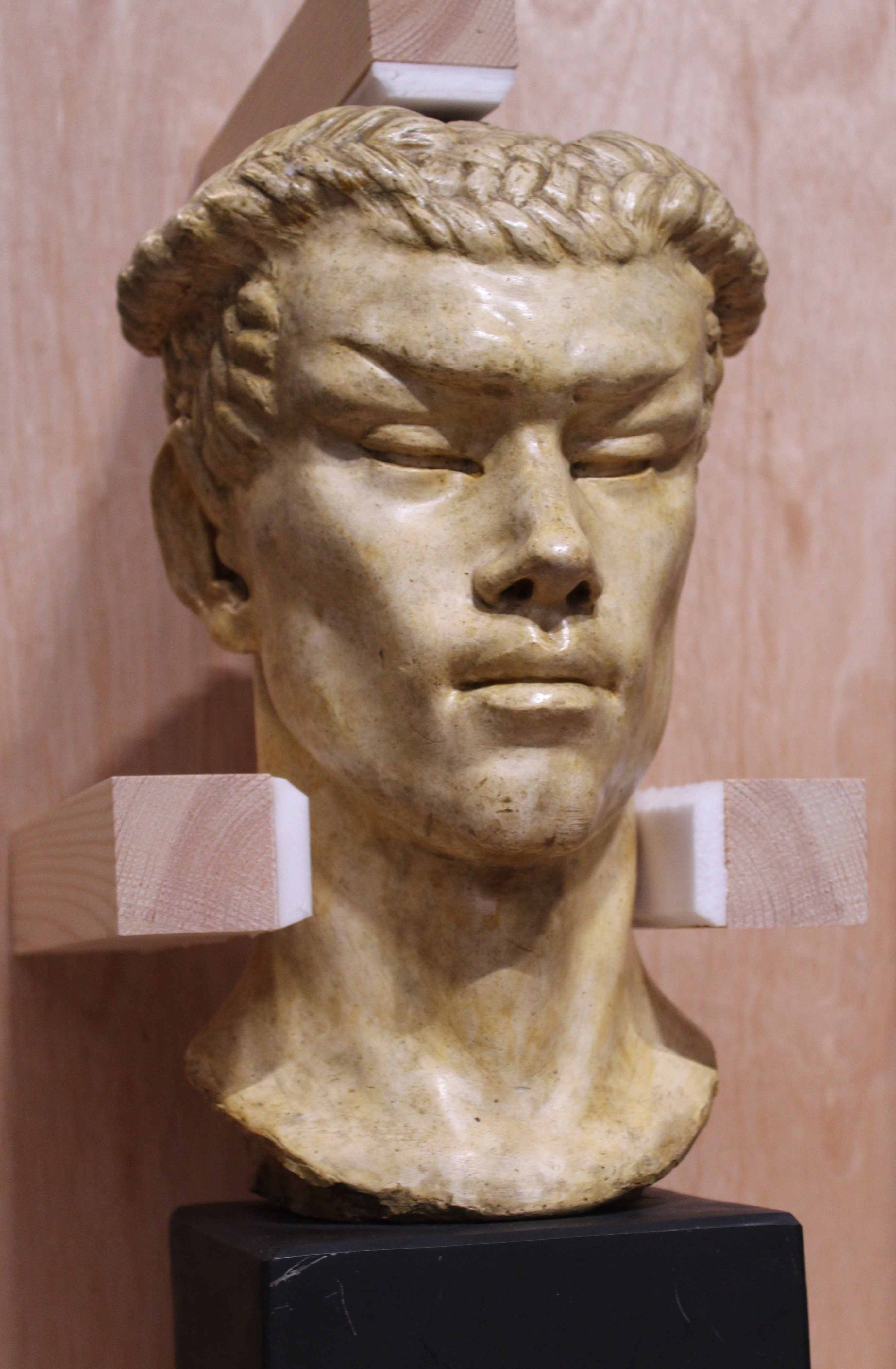
Works
4 stage works credited to Vaslav Nijinsky, 1912–1916.
- Afternoon of a Faun (1912)Ballet · Choreographer
- The Rite of Spring (1913)Ballet · Choreographer
- Jeux (1913)Ballet · Choreographer
- Till Eulenspiegel (1916)Ballet · Choreographer
Credits sourced from Wikidata (CC0), one citation per field. Works without a recorded premiere date are listed last. Titles link to the work in Limelight.
Vaslav Nijinsky on screen
Films and television featuring Vaslav Nijinsky, with the sequences we have indexed.
Poster artwork from TMDB.
 This site uses TMDB and the TMDB APIs but is not endorsed, certified, or otherwise approved by TMDB.
Legacy & Impact
Nijinsky matters because he altered expectations of what a male ballet dancer could embody and what ballet choreography could organize. As a performer he fused academic precision with character transformation, sensual presence and dramatic risk; as a choreographer he made the body planar, weighted, awkward, communal and rhythmically resistant in ways that challenged inherited ideals of beauty, linking ballet to the visual and musical modernisms around it while remaining unmistakably theatrical. The historical record is incomplete - most decisively, there is no known film of him dancing - but that absence has encouraged unusually rich archival scholarship and reconstruction. Reputational epithets such as 'the God of Dance' are historical acclaim, not measurable fact, and the art that bears his name emerged from collaborations - with Fokine, Stravinsky, Debussy, Bakst, Roerich, Rambert, Karsavina, Diaghilev and many others - who deserve visible credit. His legacy therefore lives not as a fixed set of steps but as an ongoing argument among documents, memories, images, bodies and performances.


Explore More Legends
Discover the dancers, teachers, choreographers, and cultural icons who shaped how the world moves.
Keep the thread going
Dance history, technique, and the occasional rabbit hole — in your inbox. Thoughtful, infrequent, unsubscribe anytime.
Free. No spam. One click to leave.