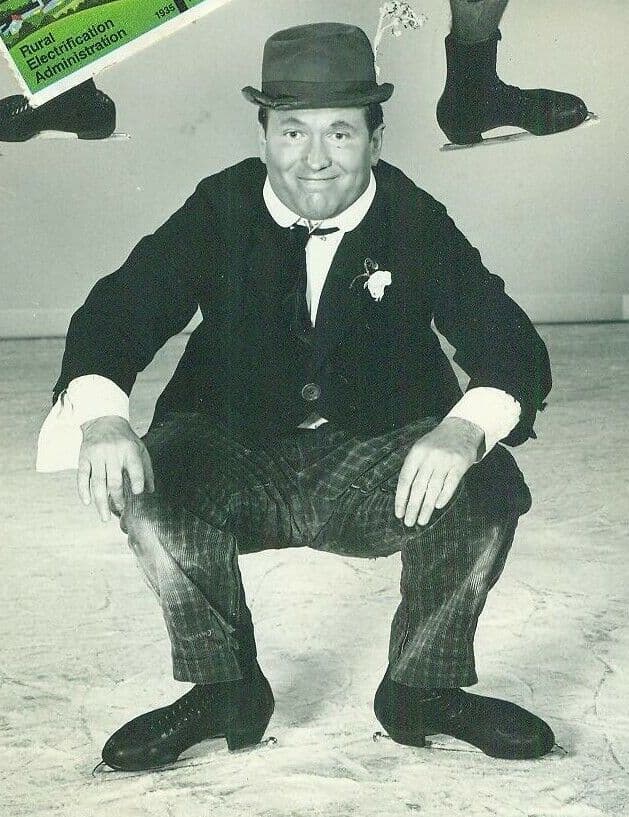
Werner Fritz Groebli, professionally known as Frick and later Mr
Legend of Dance
Why They Matter
Groebli demonstrated that comic skating could demand—and reveal—exceptional technique. Frick and Frack did not merely interrupt a skating show with jokes; they made edge control, balance, partnered timing, and bodily distortion into the joke’s structure. The cantilever remains in contemporary exhibi
Biography
Werner Fritz Groebli was born in Basel, Switzerland, in 1915 and grew up next door to Hans-Rudi Mauch. The boys shared a pair of skates in winter and developed into serious skaters before discovering that parodying the formality of professional skating drew stronger audience response. Groebli won Switzerland's junior skating championship in 1934, but he and Mauch soon found greater success in comedy. They adopted the names Frick and Frack and built an act around Alpine costumes, mock-ballet sequences, off-balance acrobatics, and exact comic timing.
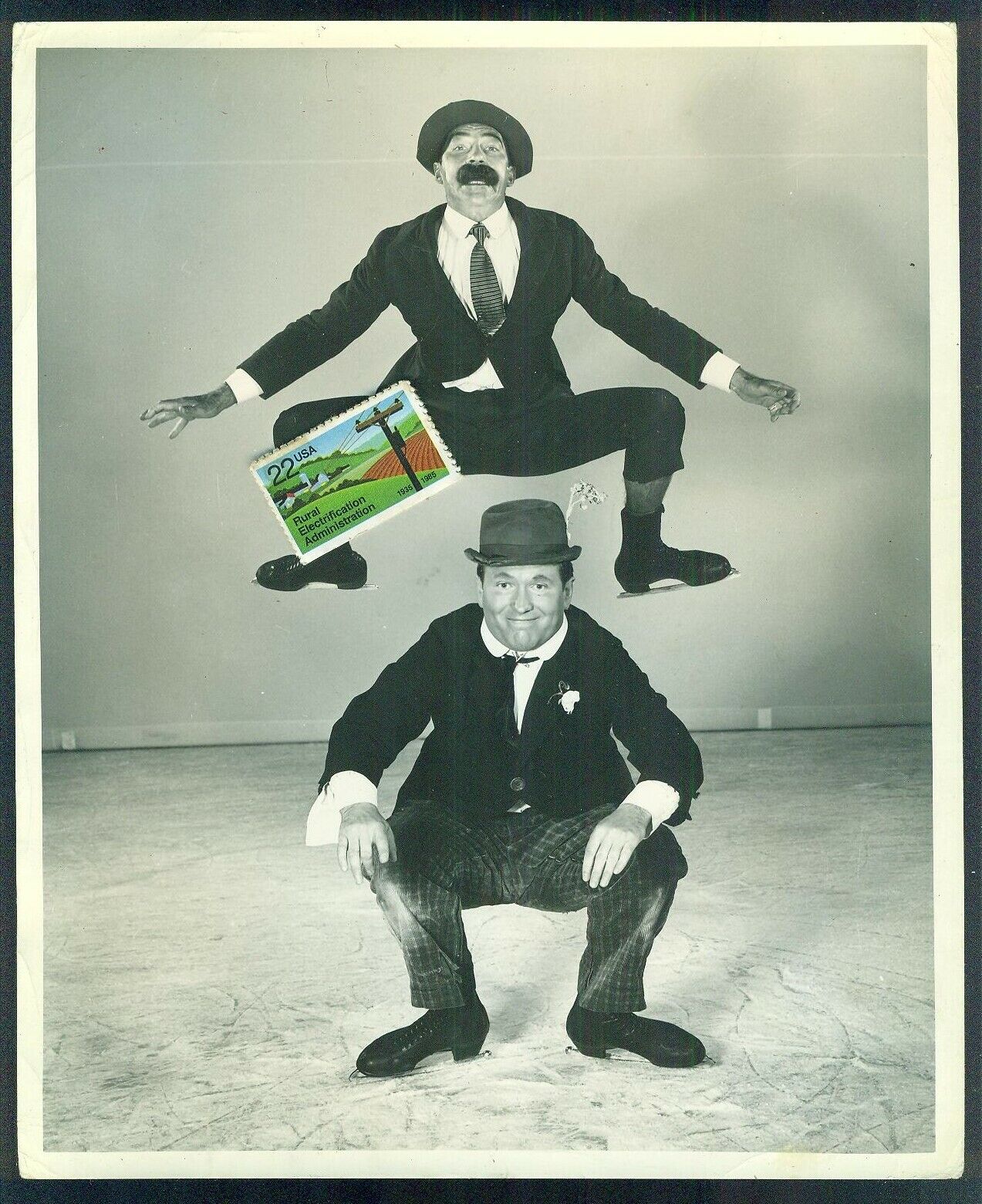
Frick and Frack became a mainstay of Shipstads and Johnson's Ice Follies from 1939 to 1954, following earlier appearances in European carnivals and London's *Rhapsody on Ice*. Their visual contrast was central to the act's power: Groebli's deeply arched cantilever and Mauch's "rubber legs" made difficult edge work read instantly as character comedy. The pair brought specialty skating to cinema audiences during the 1940s through the films *Silver Skates* and *Lady, Let's Dance*. The Smithsonian preserves a photograph of "Mr. Frick" in its entertainment collection, evidence of the act's place within the broader history of American popular performance.
When Mauch retired in 1954 because of a bone disorder, Groebli continued for decades as the solo character Mr. Frick, preserving the recognizable costume and comic persona while adapting the act to new partners and venues. He became especially associated with the spread-eagle cantilever: traveling on curved edges with bent knees while the torso reclines almost parallel to the ice. His stated goal was that the audience see humor rather than strain. Groebli's career ended after an accident around 1980, but his legacy was honored with induction into the World Figure Skating Hall of Fame in 1984—an unusual recognition for a performer whose historic importance came from show skating and comedy rather than championship medals. He died in Zürich in 2008, one week before his 93rd birthday.
Career Highlights
Won the Swiss junior skating championship. Los Angeles Times / Washington Post obituary
Formed the comic skating act Frick and Frack with Basel neighbor Hans-Rudi Mauch. Los Angeles Times / Washington Post obituary
Began the duo’s long tenure as a featured act in Shipstads and Johnson’s Ice Follies. Los Angeles Times / Washington Post obituary
Appeared with Mauch in the skating films Silver Skates and Lady, Let’s Dance. Los Angeles Times / Washington Post obituary
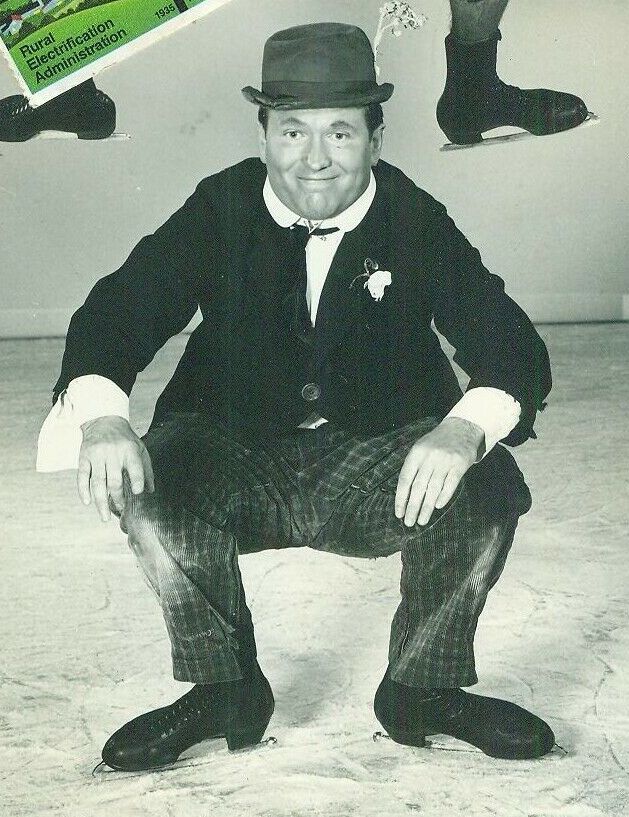
Was photographed with Mauch in the Shipstads and Johnson Ice Follies; the surviving press image is public domain in the United States. Wikimedia Commons
Continued as the solo character Mr. Frick after Mauch retired for health reasons. Los Angeles Times / Washington Post obituary
Became a United States citizen, according to U.S. Figure Skating’s Hall of Fame profile. U.S. Figure Skating, *SKATING* archive
Retired from performance after an accident ended a career that had continued for decades beyond the original duo. Los Angeles Times / Washington Post obituary
Was inducted into the World Figure Skating Hall of Fame. Los Angeles Times / Washington Post obituary
Gallery
Legacy & Impact
Groebli demonstrated that comic skating could demand and reveal exceptional technique. Frick and Frack did not interrupt a skating show with jokes; they made edge control, balance, partnered timing, and bodily distortion into the joke's structure itself. The cantilever remains in contemporary exhibition and competitive programs, while the pair's names became shorthand for an inseparable duo. His Hall of Fame induction recognizes show skating as a genuine site of innovation within figure-skating history.


Explore More Legends
Discover the dancers, teachers, choreographers, and cultural icons who shaped how the world moves.
Keep the thread going
Dance history, technique, and the occasional rabbit hole — in your inbox. Thoughtful, infrequent, unsubscribe anytime.
Free. No spam. One click to leave.