History & Cultural Context
Samba encompasses a family of Brazilian dance and music styles with African roots, most famously associated with the annual Carnival celebrations in Rio de Janeiro. The dance form that most people associate with the word — samba no pe (samba at the feet) — features a distinctive rapid bouncing step driven by the quick transfer of weight from one foot to the other, creating a characteristic hip sway that has become one of the most recognized dance movements in the world.
Samba's roots lie in the African traditions brought to Brazil by enslaved people, particularly the semba of Angola, the batuque drum circles of Bahia, and the maxixe that emerged in Rio's dance halls in the late nineteenth century. The modern Carnival samba developed in the favelas and working-class neighborhoods of Rio during the early twentieth century, organized through samba schools (escolas de samba) that function as community cultural organizations. Each school spends the entire year preparing its Carnival presentation — a massive parade featuring thousands of dancers, musicians, and elaborately decorated floats. Beyond Carnival, samba exists in numerous forms: samba de roda (circle samba), pagode (informal backyard samba), samba-cancao (lyrical samba), and the ballroom competition samba that has been adapted into the International Latin syllabus.
Dance Lineage
Samba Playlists
Curated collections on the LODance YouTube channel — performances to watch, lessons to learn from, and the right music to practice with. Tap a collection to play.
▶ Performances · Open on YouTube →
Samba Music & Tempo
Drawn from 34 Samba tracks in the LODance music library.
Example tracks at practice tempo
- Mas, Que Nada! — Jorge Ben
- Foi Um Rio Que Passou em Minha Vida — Paulinho da Viola
- Coisa de Pele — Jorge Aragão
- Agoniza, Mas Não Morre — Nelson Sargento
- Coisinha do Pai — Jorge Aragão
- As Rosas Não Falam (2023 Remastered) — Cartola
Who governs Samba
Federations, councils and examining bodies with a recorded role in this style. No single organisation can tell you this — each one knows only itself.
Samba on screen
Films and television where Samba appears, with the sequences worth watching for.
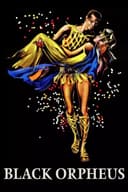
Poster artwork from TMDB.
 This site uses TMDB and the TMDB APIs but is not endorsed, certified, or otherwise approved by TMDB.
Sources & Further Reading
Cultural & Historical Context
Samba emerged from Brazil during the 1900s—present day. Understanding the cultural roots, musical traditions, and social circumstances of this era enriches appreciation for the dance's characteristics and significance.
Primary Source Documents
The Library of Dance contains public-domain primary sources for dance history. Copyrighted modern syllabi are indexed with purchase links to their respective copyright owners. Search by dance name or codifier to discover primary source documents.
Last reviewed: September 2026 — This dance profile synthesizes historical research, cultural documentation, and contemporary practice knowledge to provide authoritative context.
More in Global Afro-Diasporic
Changüí
Foundational rural music-and-dance genre from Guantánamo Province in far-eastern Cuba — a close relative and commonly cited precursor of son cubano.
Capoeira
Afro-Brazilian martial art / dance / game combining kicks, acrobatics, and live percussion music; some scholars trace its movements to Central African traditions such as the Angolan engolo.
Tumba Francesa
Dance/music tradition brought by French Haitians of African descent; continues in Eastern Cuba.
Rumba (Yambú, Columbia, Guaguancó)
Three main styles with distinct rhythms and dance movements; originated from African slave traditions.
Son Cubano
Folk style blending Spanish guitar with African percussion; bedrock of Salsa music and Latin jazz.
Haitian Rara
Rara is a processional festival of Haiti performed during the six weeks of Lent and peaking in Easter Holy Week. Bands of musicians, singers, and dancers parade through towns and countryside playing bamboo and tin trumpets (vaksin), drums, and percussion, stopping to perform at crossroads and cemeteries. The tradition is rooted in the Afro-Haitian religion Vodou and also serves as a vehicle for social and political commentary. Rara's origins lie in the colonial period of Saint-Domingue, before Haitian independence in 1804. It draws on West and Central African processional and religious traditions carried by enslaved Africans, and scholars connect its Holy Week timing to the labor respite granted under the 1685 Code Noir. Precise dating is not possible and scholarly accounts of its early development vary (see Sources). Rara is distinct from pre-Lenten Carnival (Kanaval), which it follows in the calendar.
Mambo
Energetic dance with African-Cuban rhythms; major influence on Latin jazz and Salsa.
Continue Exploring
Lineage of Dance
500 years of dance evolution
Champions of Dance
Winners of marquee national & world titles
Language of Dance
161 dance terms & translations
Listening of Dance
Tempo, timing & musicality tools
Gallery of Dance
5,700+ artworks from museum collections
Attire of Dance
Evolution of dance dress across eras
Keep the thread going
Dance history, technique, and the occasional rabbit hole — in your inbox. Thoughtful, infrequent, unsubscribe anytime.
Free. No spam. One click to leave.