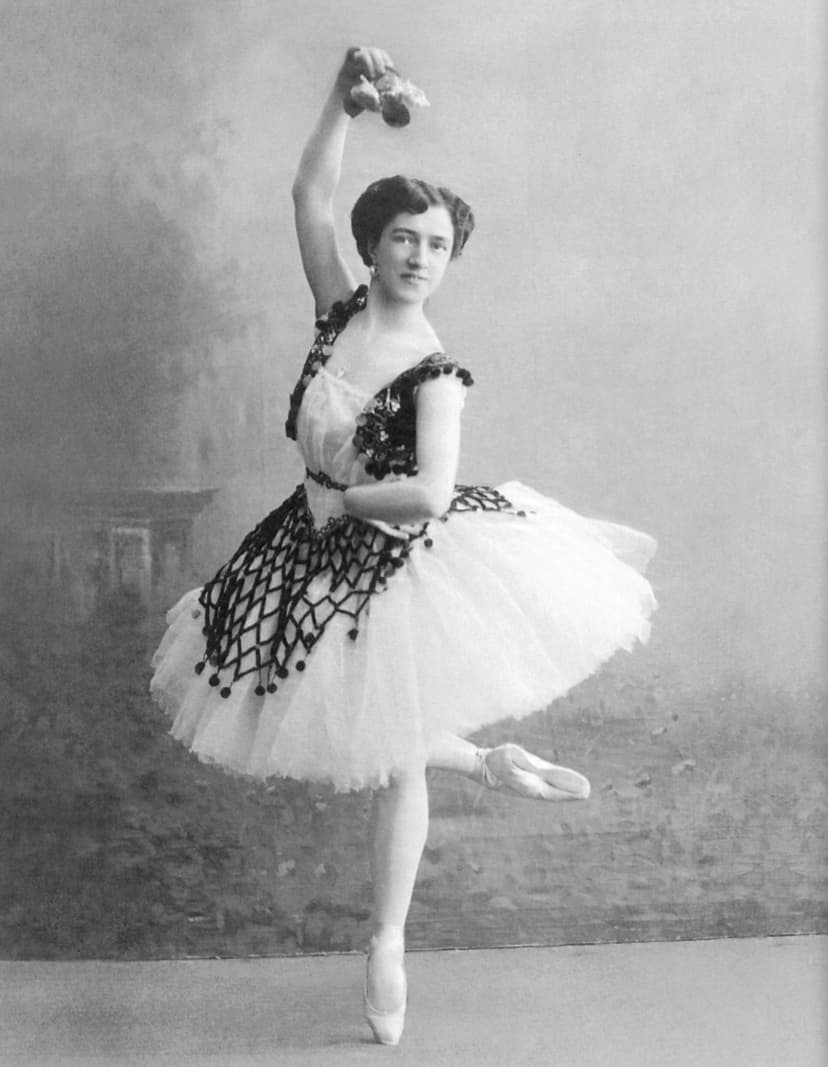
Agrippina Vaganova
Legend of Dance
Why They Matter
Vaganova matters because she turned practical knowledge from several ballet traditions into a teachable progression with a recognizable logic. Her influence survives simultaneously in institutional training, in successive generations of teachers and dancers, and in a widely translated textbook. The
Styles Agrippina Vaganova shaped
Each one links to the style’s own page — its origins, music, tempo and video.
Biography
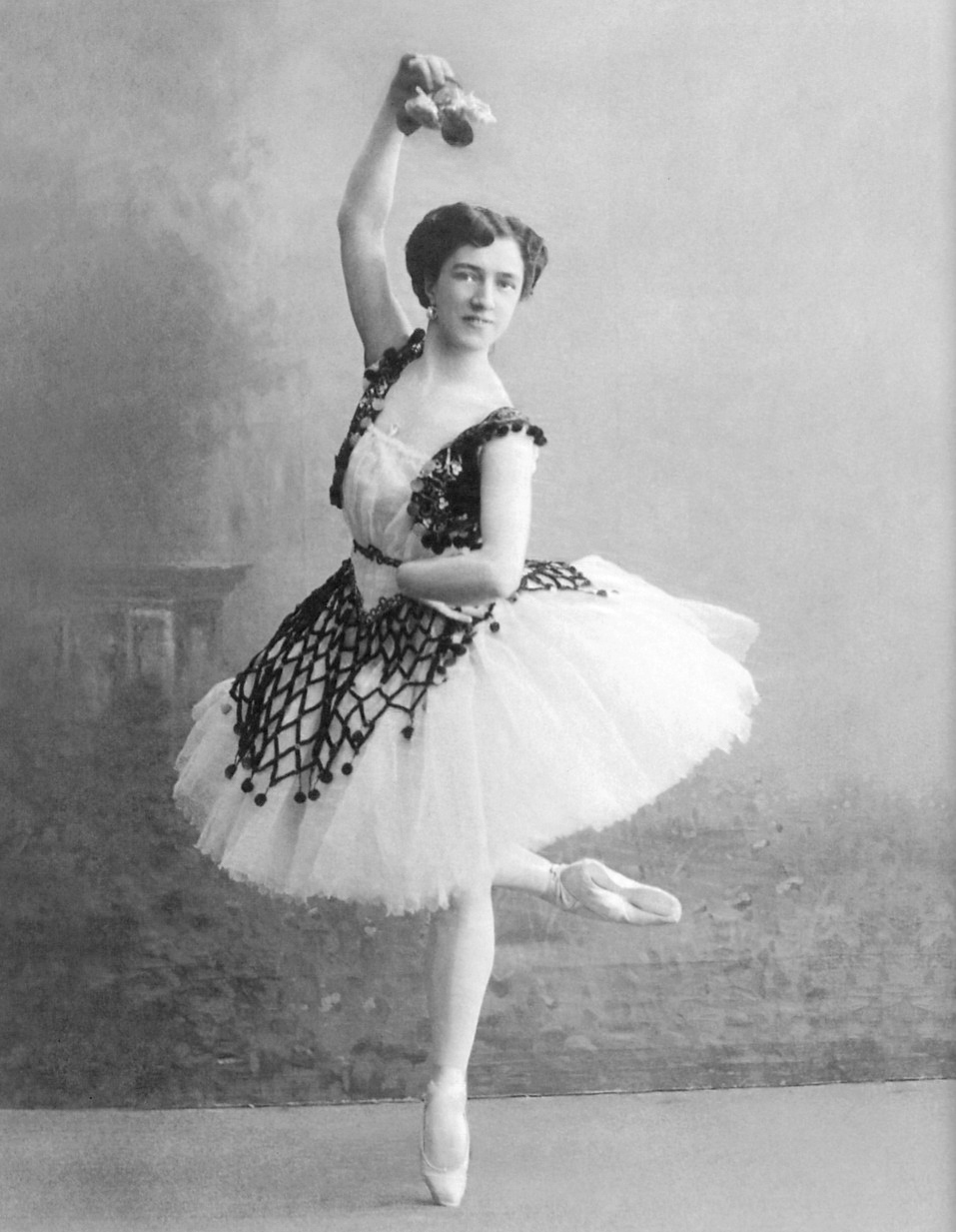
Agrippina Yakovlevna Vaganova was born in St. Petersburg on 26 June 1879 (modern calendar) and entered the Imperial Theatre School as a child. She trained within the late-imperial ballet establishment and graduated in 1897, joining the Imperial Ballet. Her performing career was marked not by effortless rise to prima-ballerina fame, but by the analytical rigor with which she strengthened her own technique—a habit that would define her later pedagogical work. She danced roles including the title part in *La Esmeralda*, documented in photographs from 1910, before retiring from the stage in 1916.
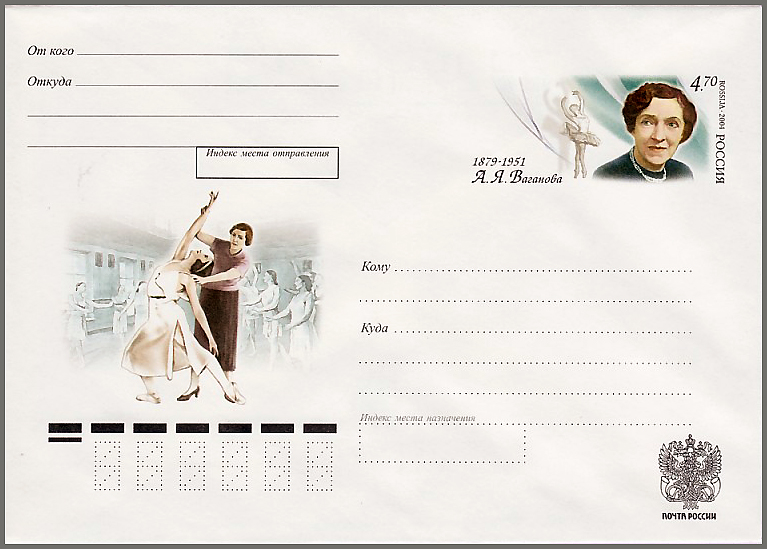
Following the Russian Revolution, Vaganova began teaching at the Leningrad State Choreographic School in 1921. In those difficult years, she worked to preserve classical training while reorganizing it as a coherent, progressive course. Her approach drew on the school's Russian inheritance and on French and Italian technical traditions, but its significance lay in how she selected, sequenced and connected material for developing dancers across a full curriculum.
Her pupils included Marina Semenova, Galina Ulanova, Natalia Dudinskaya, Alexey Yermolaev, Vakhtang Chabukiani, Konstantin Sergeyev and Irina Kolpakova—a breadth of names showing a pedagogy transmitted through dancers and teachers whose careers shaped Soviet ballet. Vaganova also served as artistic director of the Kirov Ballet during the early 1930s, positions that gave her influence over the institution itself.
In 1934, her textbook was first published in Russian, systematizing her teaching principles into a durable written form. Often known in English as *Basic Principles of Classical Ballet* or *The Principles of Classical Dance*, the book organized classroom work as cumulative training rather than isolated exercises. It gave her method a transportable, teachable shape that could survive beyond her own studio.
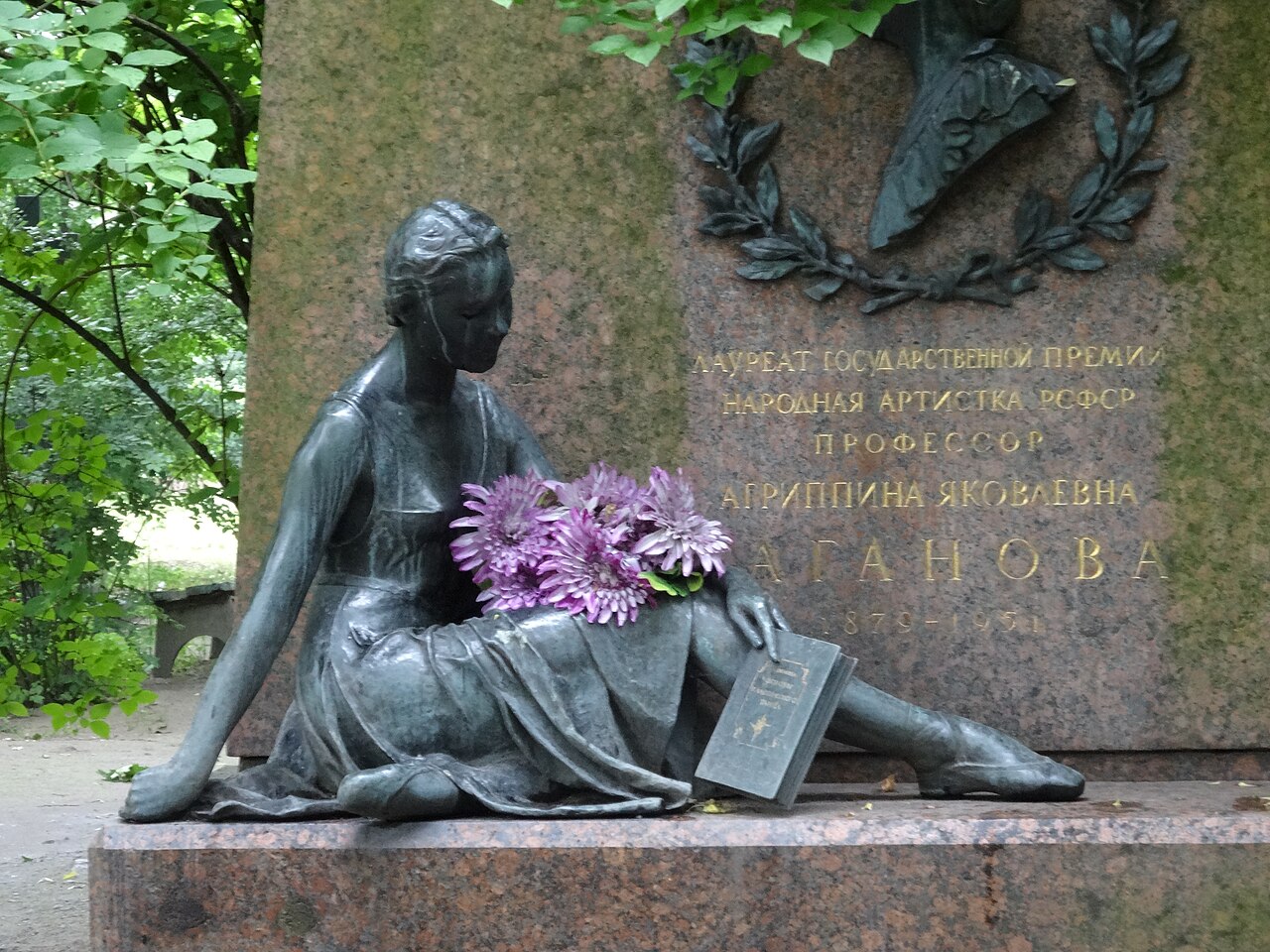
Vaganova died in Leningrad on 5 November 1951. The academy that carries her name and the international circulation of her teaching principles made her a global reference point in ballet education. Her lasting standing rests on pedagogy—on how she codified, taught and documented a system that generations of dancers and teachers have continued to interpret, refine and transmit.
Career Highlights
Vaganova entered the Imperial Theatre School in St Petersburg. Source Source
She graduated from the school and joined the Imperial Ballet. Source Source
A surviving public-domain photograph documents her performing in La Esmeralda. Source Source
She retired from the stage, ending the performing phase that preceded her pedagogical career. Source Source
She began teaching at the Leningrad State Choreographic School. Source Source
Marina Semenova, among Vaganova's most important early pupils, graduated into a major Soviet ballet career. Source Source
Vaganova became artistic director of the Kirov Ballet, a post she held during the early 1930s. Source Source
Her pedagogical book was first published in Russian, codifying principles of classical-ballet teaching. Source Source
Vaganova died in Leningrad, leaving a teacher lineage and published system that continued through the academy. Source Source
Gallery
Legacy & Impact
Vaganova remains essential to ballet because she demonstrated that practical knowledge from multiple traditions could be organized into a teachable progression with recognizable logic. Her influence persists simultaneously in institutional training worldwide, in successive lineages of teachers and dancers, and in a widely translated textbook. She was a decisive codifier whose work helped make Russian classical training portable, discussable and reproducible across generations and borders—transforming ballet pedagogy from apprenticeship into a system that could be documented, debated and shared.


Explore More Legends
Discover the dancers, teachers, choreographers, and cultural icons who shaped how the world moves.
Keep the thread going
Dance history, technique, and the occasional rabbit hole — in your inbox. Thoughtful, infrequent, unsubscribe anytime.
Free. No spam. One click to leave.