Innovator · Cultural Preserver
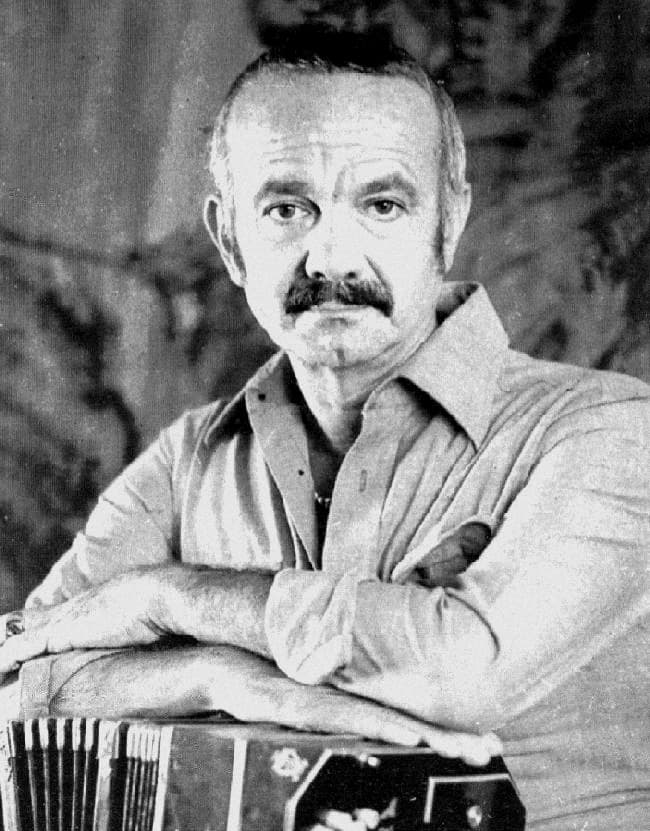
Astor Piazzolla
Tango's Musical Revolutionary
Why They Matter
His music sparked the tango nuevo movement, inspiring a generation of dancers to explore new possibilities in improvisation and connection.
Watch
Adiós Nonino — Astor Piazzolla
Long-form emotional architecture and sharply contrasted sections support narrative choreography, but multiple arrangements differ materially.
Milonga del Ángel — Astor Piazzolla
The documented milonga identity makes this the catalog's strongest milonga candidate, but concert phrasing and version differences prevent automatic social classification.
Fuga y misterio — Astor Piazzolla
Independent fugal entries invite layered pathways and canon-based group movement; it is not a standardized social-tango recording.
Libertango — Astor Piazzolla
Its recognizable ostinato gives choreographers a clear structural anchor, but later covers and vocal adaptations are separate recordings and rights objects.
Escualo — Astor Piazzolla
Rapid articulation and unstable accents reward highly rehearsed ensemble work; recording-versus-release dating should be checked before publication.
Oblivion — Astor Piazzolla
Long sustained lines and elastic timing suit controlled balance, suspension and close partnering more than unreviewed social-floor use.
Biography
Astor Pantaleón Piazzolla was born on 11 March 1921 in Mar del Plata, Argentina. In 1925 his family moved to New York, where he grew up hearing tango, jazz, klezmer, Neapolitan song and classical music in dense combination. His father gave him a bandoneón in 1929, and lessons with pianist Béla Wilda brought Bach into his musical education alongside the rhythmic and improvisatory languages of New York's streets and clubs. In 1934 he met Carlos Gardel and appeared as a newspaper boy in Gardel's film *El día que me quieras*.
After returning to Argentina in 1937, Piazzolla entered Aníbal Troilo's orchestra as a bandoneonist and arranger while studying composition with Alberto Ginastera. This coexistence of dance-band practice and formal composition became a defining tension throughout his life. He formed his own orchestra in 1946 and continued writing both tango arrangements and concert works. A composition prize took him to Paris in 1954 to study with Nadia Boulanger, who encouraged him not to suppress the tango identity evident in his own music. Returning to Buenos Aires, he created the Octeto Buenos Aires in 1955, an ensemble whose instrumentation and writing challenged established tango conventions and made explicit the project that came to be called nuevo tango.
After his father died in October 1959, Piazzolla composed "Adiós Nonino," reworking earlier musical material into what became one of his signature pieces. In 1960 he formed the first of his celebrated quintets, centered on bandoneón, violin, electric guitar, piano and double bass. This format gave him chamber-music precision, room for improvisation and a portable laboratory for new rhythmic, harmonic and contrapuntal ideas. The sound depended on the distinct musicianship of changing ensemble members and should not be credited to Piazzolla in isolation.
The 1960s widened his dramatic and vocal work. *María de Buenos Aires*, premiered in 1968, joined Piazzolla's music to librettist Horacio Ferrer's text in what its creators called an "operita." Their collaboration also produced "Balada para un loco," recorded by vocalist Amelita Baltar in 1969. These works put poetry, theatrical character and an imagined Buenos Aires beside the instrumental rigor of the quintet. In the 1970s Piazzolla experimented with larger ensembles and worked in Italy, where *Libertango* marked both a composition and a 1974 recording project. That year's *Summit/Reunión Cumbre* with baritone saxophonist Gerry Mulligan made the jazz dialogue unusually visible.
Piazzolla's late career moved fluently between his own ensembles and international concert collaborators. Works and recordings including *Oblivion*, *Tango: Zero Hour*, *The New Tango* with Gary Burton, *La Camorra* and *Five Tango Sensations* with the Kronos Quartet brought his writing into concert halls without making it cease to be tango. A 1983 appearance at Buenos Aires's Teatro Colón was symbolically important after decades of controversy at home. His last performance took place in Athens on 3 July 1990. A cerebral hemorrhage in Paris the following month ended his performing career; he died in Buenos Aires on 4 July 1992.
Career Highlights
Astor Pantaleón Piazzolla was born in Mar del Plata on 11 March. source
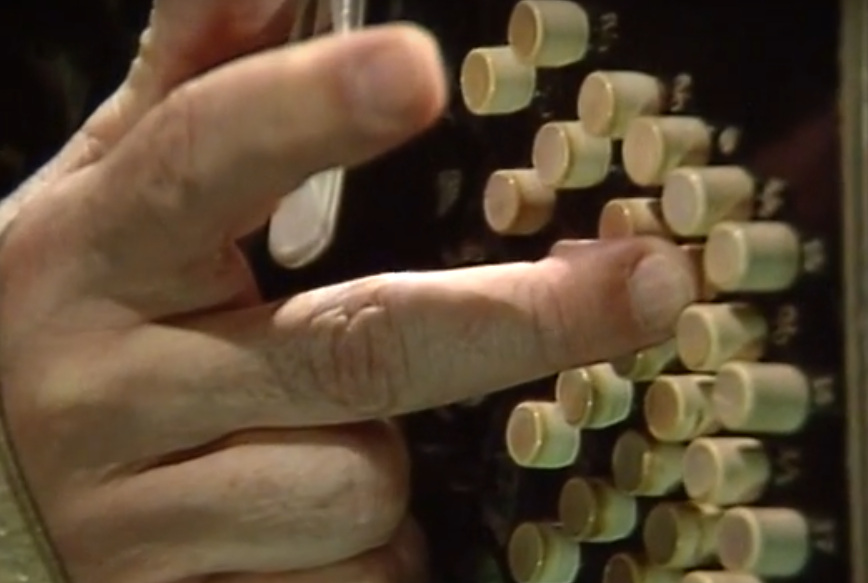
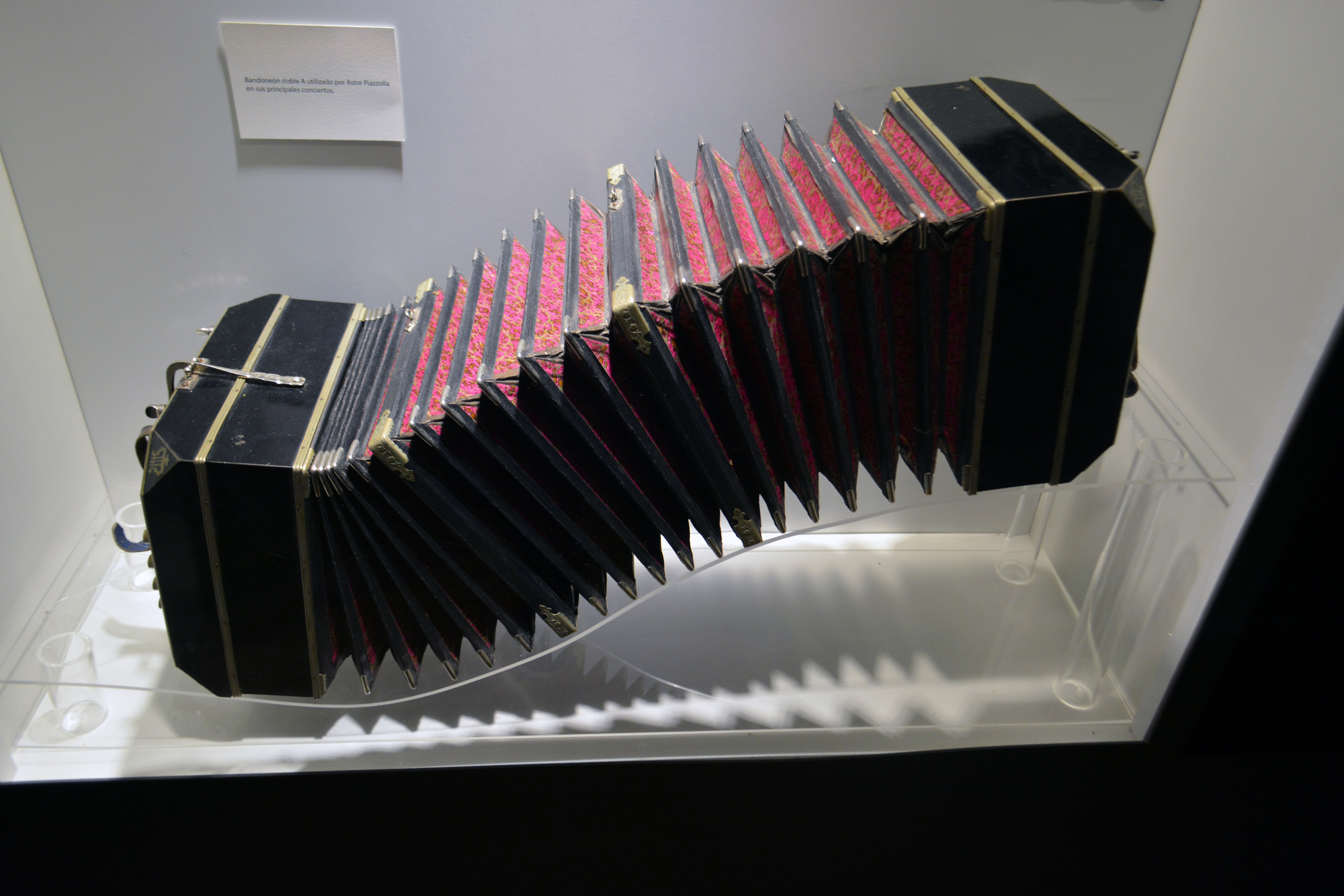
His father gave him his first bandoneón in New York, beginning an instrument-centered career shaped by a multilingual urban sound world. source
He met Carlos Gardel and appeared as a newspaper boy in El día que me quieras. source
After settling in Buenos Aires, he entered Aníbal Troilo’s orchestra, where performance and arranging developed alongside formal study. source
Piazzolla formed his own orchestra, a platform for his increasingly individual arrangements and compositions. source
A composition prize enabled study in Paris with Nadia Boulanger, who encouraged him to treat tango as central to his compositional identity. source
He formed the Octeto Buenos Aires, a decisive ensemble in the emergence of nuevo tango. source
He composed “Adiós Nonino” after the death of his father; the widely known album of that title followed in 1969. source
Piazzolla formed his influential quintet of bandoneón, violin, electric guitar, piano and double bass. source
María de Buenos Aires, an “operita” created with librettist Horacio Ferrer, premiered in Buenos Aires. source
The Italian Libertango sessions and Summit/Reunión Cumbre with Gerry Mulligan documented distinct electronic, orchestral and jazz-facing directions. source
Piazzolla performed at the Teatro Colón in 1983, released major late works including Tango: Zero Hour and La Camorra, gave his last concert in 1990, and died in Buenos Aires in 1992. performance
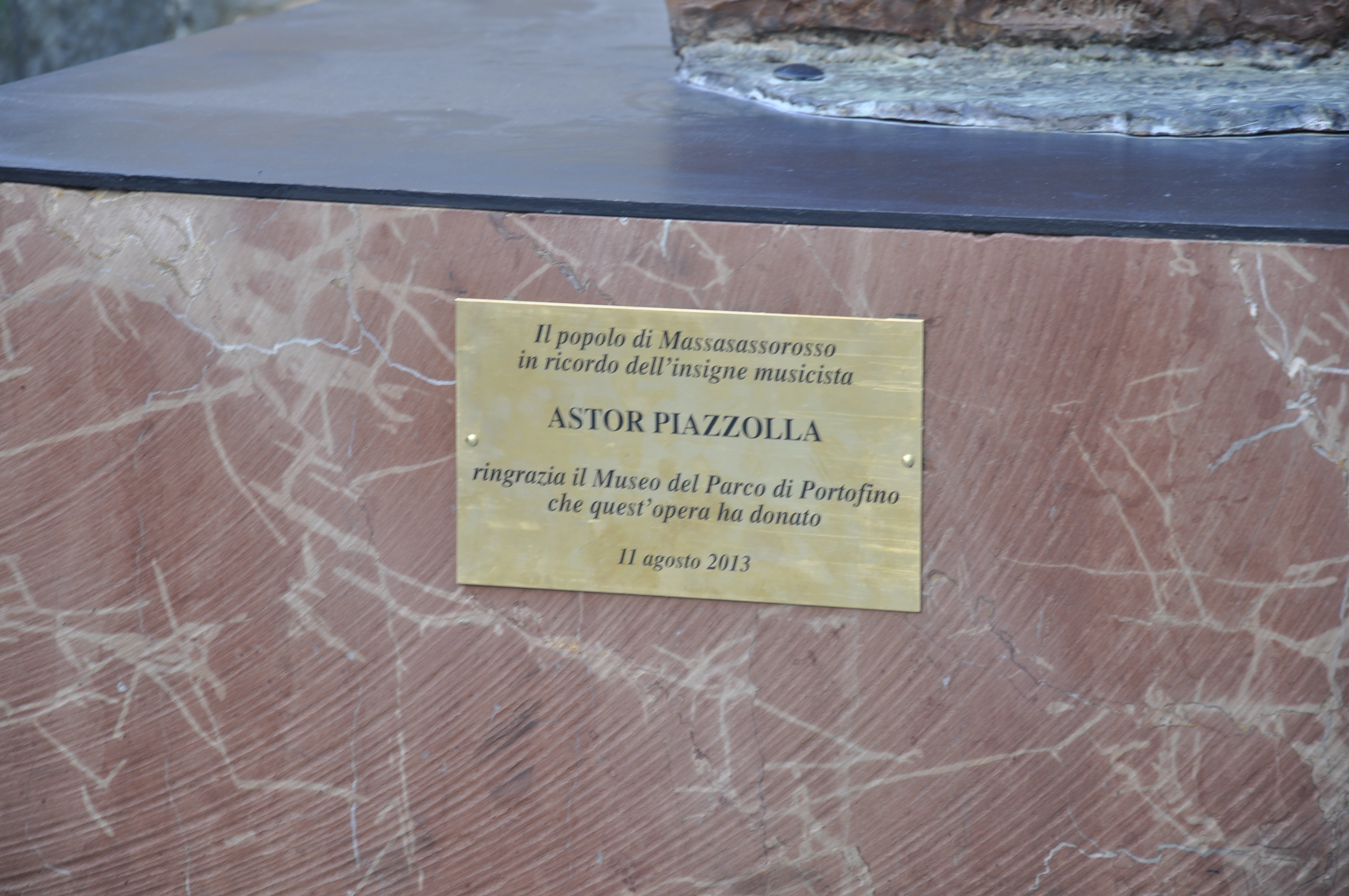
Legacy & Impact
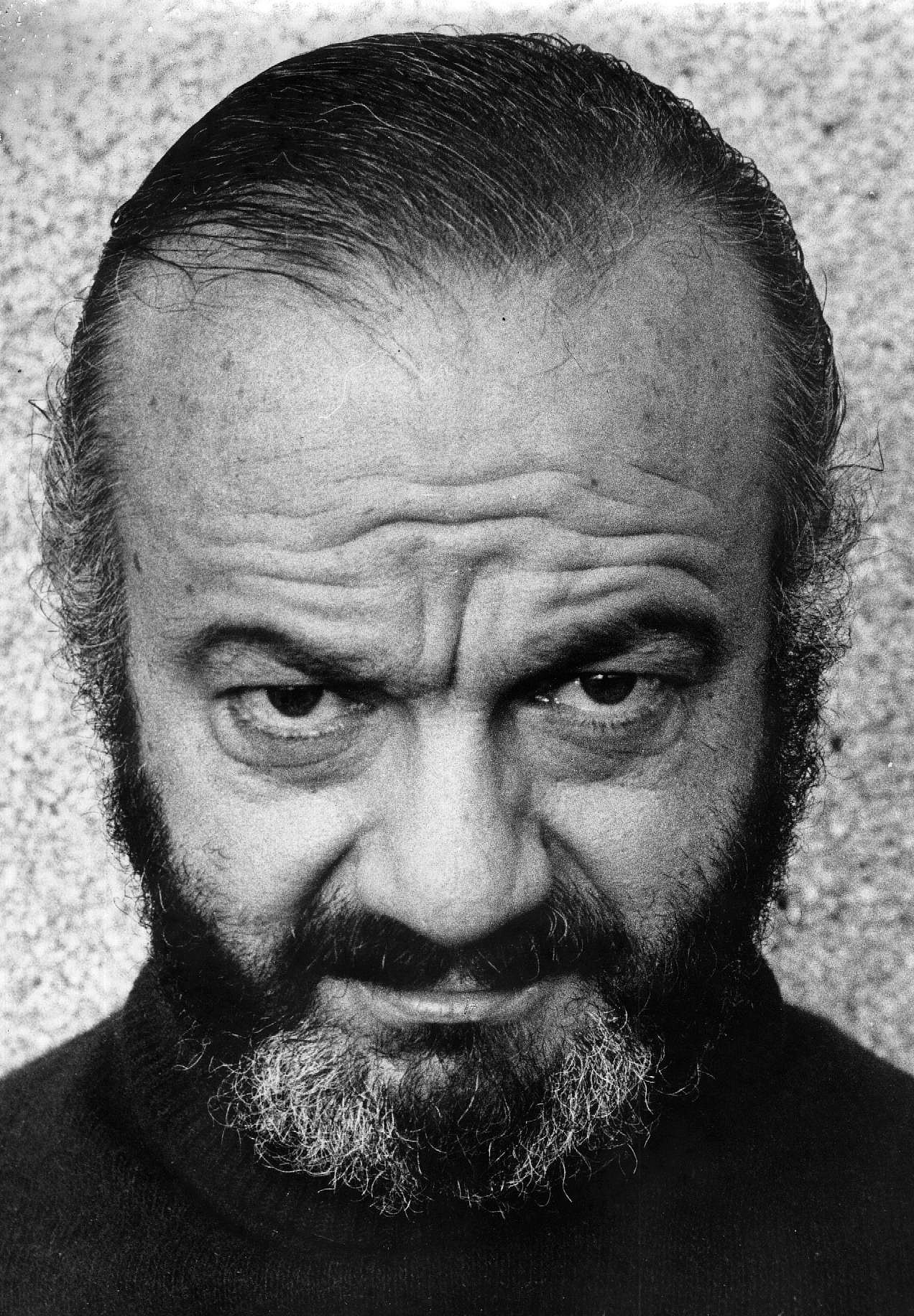
Piazzolla matters to dance because he changed what tango music could ask of moving bodies. He treated tango neither as a museum object nor merely as a dependable social rhythm, but as an expandable language capable of fugue, abrupt metric pressure, extended harmony, improvisation, theatrical narrative and chamber-scale listening. That expansion created friction with traditionalists, yet it supplied choreographers with unusually articulated dramatic structures and helped tango enter international concert institutions. His influence belongs equally to composition, instrumental performance and ensemble design, and it should be understood through his collaborators—Aníbal Troilo, Alberto Ginastera, Nadia Boulanger, Horacio Ferrer, Amelita Baltar, Gerry Mulligan, Gary Burton, the Kronos Quartet and the musicians of his octets, quintets and larger ensembles.


Explore More Legends
Discover the dancers, teachers, choreographers, and cultural icons who shaped how the world moves.
Keep the thread going
Dance history, technique, and the occasional rabbit hole — in your inbox. Thoughtful, infrequent, unsubscribe anytime.
Free. No spam. One click to leave.