Camille A Brown
Legend of Dance
Why They Matter
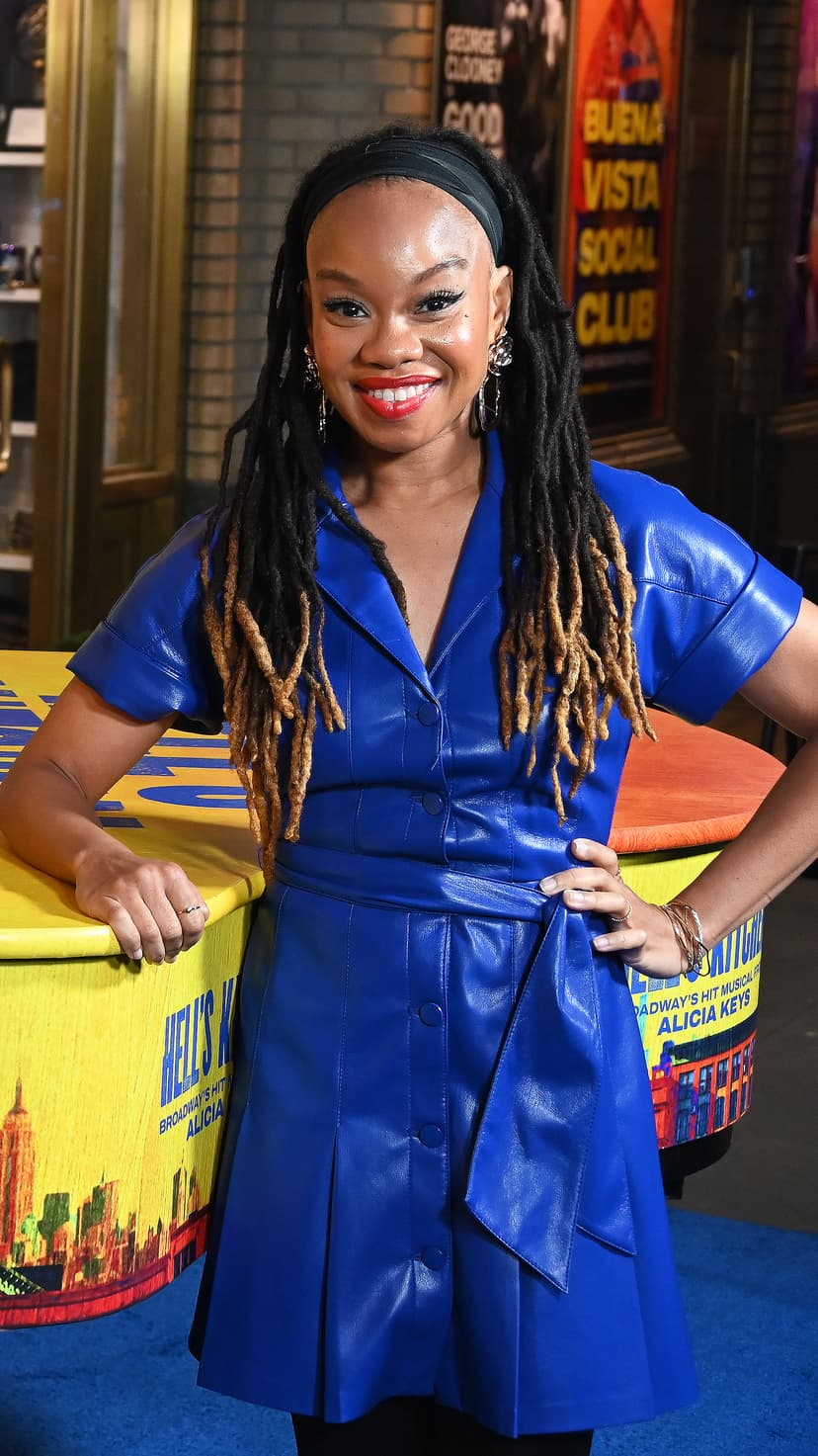
Brown matters because she makes Black social dance legible as a living archive rather than an anonymous supply of steps. Her concert works, theatrical productions, and teaching connect named practices and community histories to contemporary Black experience, while her career has also expanded who is
Styles Camille A Brown shaped
Each one links to the style’s own page — its origins, music, tempo and video.
Watch
Camille A. Brown - Performance - 2016 Jacob's Pillow Dance Award Recipient
Jacob's Pillow
Institutional footage connects the 2016 award to Brown's performance practice.
Inside The Pillow Lab: Camille A. Brown
Jacob's Pillow
Shows Brown and collaborators developing the work that became I AM during a 2023 Pillow Lab residency.
Post-Show Talk: Camille A. Brown & Dancers | Jacob's Pillow Dance Festival 2017
Jacob's Pillow
A primary-source discussion following the company's August 11, 2017 performance.
Camille A. Brown and Dancers in BLACK GIRL: Linguistic Play | Jacob's Pillow Dance Festival 2017
Jacob's Pillow
Provides institutionally presented visual evidence for the work's treatment of Black girlhood and social-dance lineages.
Biography
Camille A. Brown is a choreographer, director, and educator who has placed Black social-dance lineages, storytelling, and embodied cultural memory at the center of concert dance, Broadway, opera, film, and education. Born in 1979 in Jamaica, Queens, New York City, Brown trained at Bernice Johnson's Cultural Arts Center, Devore Dance Center, and Fiorello H. LaGuardia High School before earning a BFA from the University of North Carolina School of the Arts. Her early formation included clarinet studies, and she has described musical composition and rhythm as models for building a dance's narrative.
From 2001 to 2006, Brown danced with Ronald K. Brown/EVIDENCE, A Dance Company while beginning to receive commissions. Her first came from Hubbard Street II in 2002, followed by work with Ailey II, Urban Bush Women, Philadanco!, and Ballet Memphis. In 2006, Judith Jamison invited her to choreograph for Alvin Ailey American Dance Theater, where her works including *The Groove to Nobody's Business*, *The Evolution of a Secured Feminine*, and *City of Rain* joined the company's repertory.
Brown founded Camille A. Brown & Dancers in 2006, establishing a laboratory for theatrical structure, live music, gesture, vernacular rhythm, and African diasporic movement. The company's trilogy on race, culture, and identity—*Mr. TOL E. RAncE* (2012), *BLACK GIRL: Linguistic Play* (2015), and *ink* (2017)—became widely recognized. *Mr. TOL E. RAncE* received a 2014 Bessie Award for Outstanding Production. *BLACK GIRL* stages Black girlhood through stepping, Double Dutch, Juba, ring shout, and related social forms. *ink*, which premiered at the Kennedy Center, extends the company's investigation of social dance, resistance, and community.
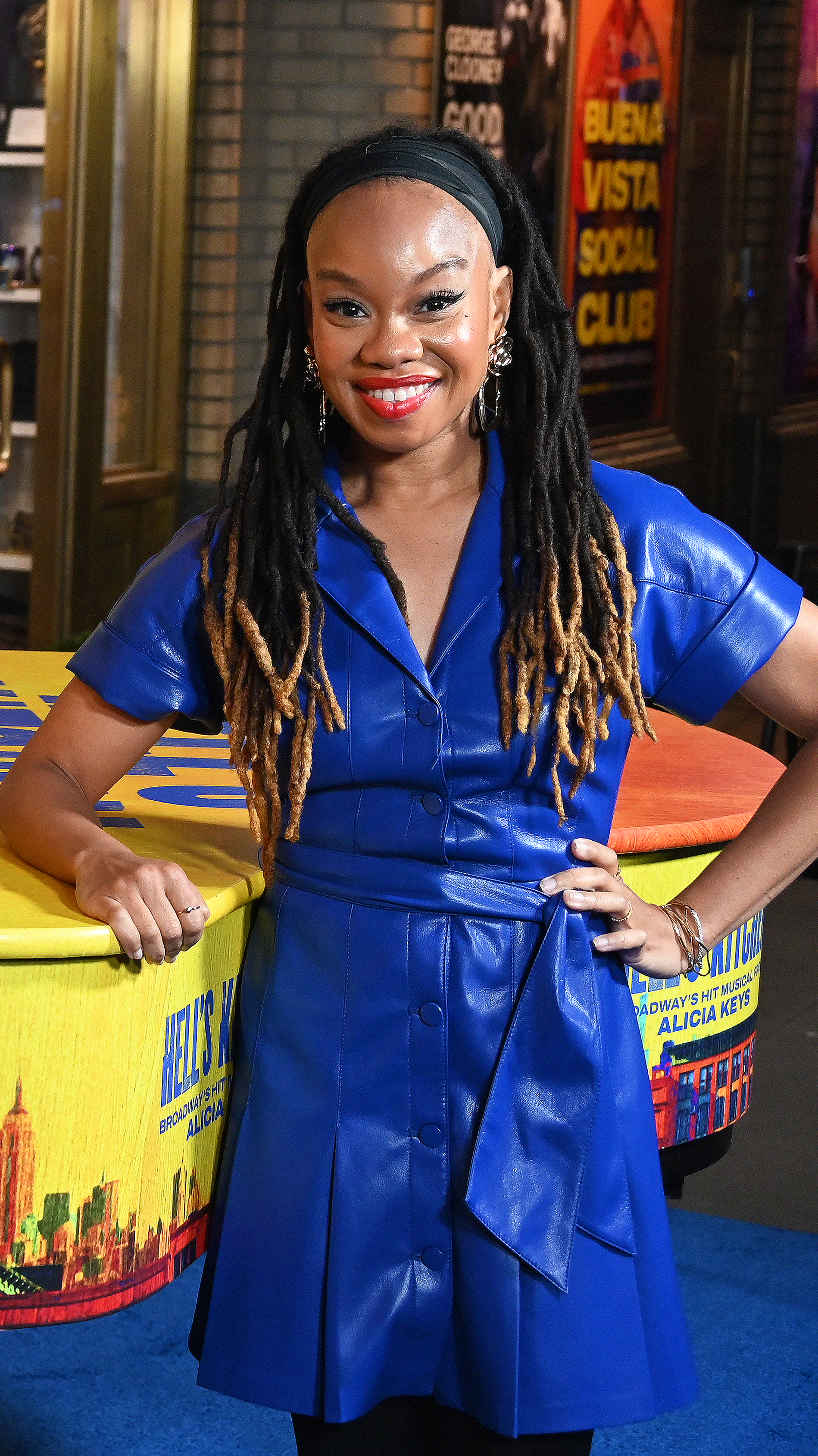
Brown's Broadway choreography began with *A Streetcar Named Desire* and expanded to include *Once on This Island*, *Choir Boy*, *Hell's Kitchen*, and *Gypsy*. In 2022, she directed and choreographed the Broadway revival of Ntozake Shange's *for colored girls who have considered suicide/when the rainbow is enuf*, becoming the first Black woman to direct and choreograph a Broadway play since Katherine Dunham in 1955. The production earned her Tony nominations for both direction and choreography.
Her operatic work includes co-directing with James Robinson and choreographing Terence Blanchard's *Fire Shut Up in My Bones* at the Metropolitan Opera in 2021—the first Black artist to direct a mainstage production there. She later choreographed *Champion* at the Met as well. Screen work has included choreography for *Ma Rainey's Black Bottom*, *Jesus Christ Superstar Live in Concert*, and the television series *Harlem*, demonstrating how she adapts historically grounded movement language across different scales.
Her honors include a 2015 Doris Duke Artist Award and TED Fellowship, a 2016 Guggenheim Fellowship and Jacob's Pillow Dance Award, and multiple Tony nominations across her theatre work. In 2024 she won the Chita Rivera Award for the choreography of *Hell's Kitchen*. Her company's community platform, EVERY BODY MOVE, extends this work through social-dance education and intergenerational programming.
Career Highlights
Received her first choreographic commission, from Hubbard Street II. Source: official biography Source: official biography
Founded Camille A. Brown & Dancers and was invited by Judith Jamison to choreograph for Alvin Ailey American Dance Theater. Sources: official biography, Alvin Ailey profile Sources: official biography
Premiered Mr. TOL E. RAncE, the first work in the company’s trilogy on race, culture, and identity. Source: official biography Source: official biography
Camille A. Brown & Dancers received a Bessie Award for Outstanding Production for Mr. TOL E. RAncE. Source: official biography Source: official biography
Premiered BLACK GIRL: Linguistic Play at The Joyce Theater and received the Doris Duke Artist Award and a TED Fellowship. Sources: official BLACK GIRL page, official biography Sources: official *BLACK GIRL* page
Received both the Jacob’s Pillow Dance Award and a Guggenheim Fellowship. Sources: official biography, Jacob’s Pillow award video Sources: official biography
ink premiered at the Kennedy Center, completing the company’s identity trilogy. Source: official biography Source: official biography
Earned her first Tony Award nomination, for choreographing Choir Boy. Source: Internet Broadway Database Source: Internet Broadway Database
Co-directed with James Robinson and choreographed Fire Shut Up in My Bones at the Metropolitan Opera. Source: official biography Source: official biography
Directed and choreographed for colored girls who have considered suicide/when the rainbow is enuf on Broadway, receiving Tony nominations for direction and choreography. Sources: official biography, Internet Broadway Database Sources: official biography
Won the Chita Rivera Award and received a Tony nomination for choreographing Hell’s Kitchen. Sources: official biography, Internet Broadway Database Sources: official biography
Received a Tony nomination for the Broadway revival of Gypsy and was elected to the American Academy of Arts and Sciences. Source: official biography Source: official biography
Legacy & Impact
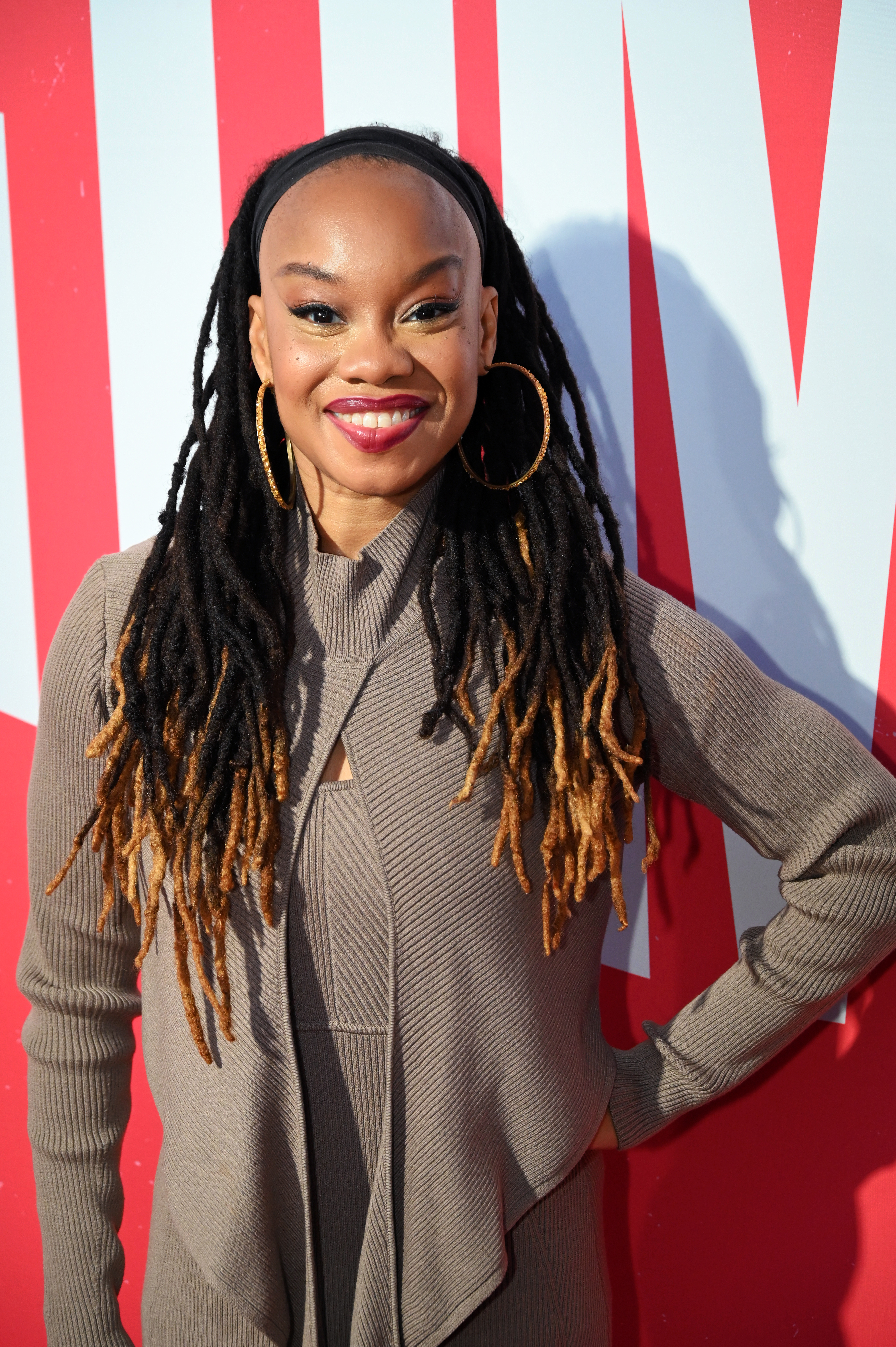
Brown's significance rests on making Black social dance legible as a living archive rather than an anonymous supply of steps. Her concert works, theatrical productions, and teaching connect named practices and community histories to contemporary Black experience, while her expanded presence in positions of choreographic and directorial authority has reshaped who is visible in those roles. The durability of that contribution lies in the method itself: research, rhythmic intelligence, collaboration with dancers and musicians, and public-facing education reinforce one another in repertoire and practice alike.


Explore More Legends
Discover the dancers, teachers, choreographers, and cultural icons who shaped how the world moves.
Keep the thread going
Dance history, technique, and the occasional rabbit hole — in your inbox. Thoughtful, infrequent, unsubscribe anytime.
Free. No spam. One click to leave.