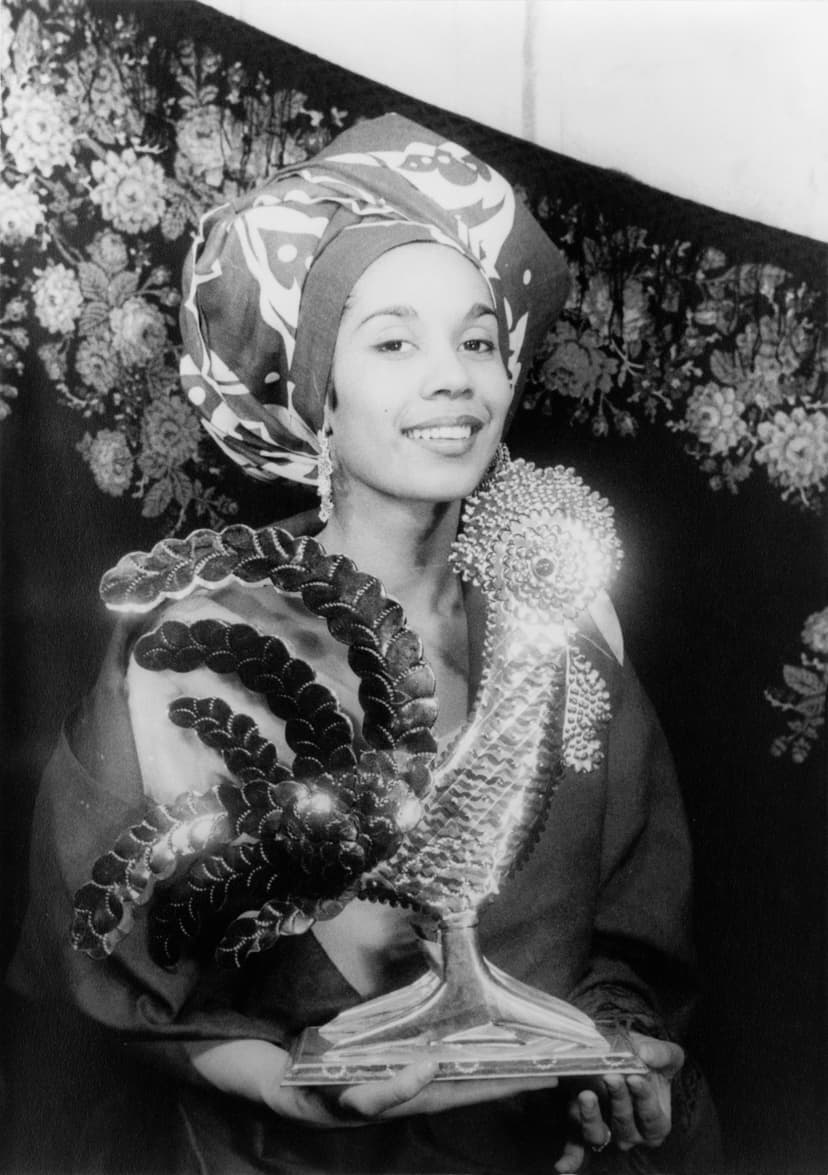
Carmen De Lavallade
Legend of Dance
Why They Matter
De Lavallade matters because she embodied a capacious model of American dance artistry: technically grounded but never confined to one technique, and equally credible in modern dance, ballet, theatre, film, choreography, and teaching. Her career links the multiracial experiment of Lester Horton’s Lo
Watch
Carmen de Lavallade │ Jacob's Pillow Dance Festival 2014
Jacob's Pillow
Official Jacob's Pillow portrait spanning her career and the creation of As I Remember It.
Ailey Up Close with Carmen De Lavallade with introduction by Judith Jamison
AILEY
First-person recollection of Alvin Ailey and the company's early repertory.
Meet the Masters: Carmen de Lavallade
Kennedy Center Education Digital Learning
Extended Kennedy Center Education conversation with de Lavallade.
Carmen de Lavallade in Conversation
International Festival of Arts & Ideas
Institutional discussion of her life, Yale connection, and creative legacy.
Biography
Carmen Paula de Lavallade was born in Los Angeles on March 6, 1931, into a family whose artistic achievements shaped her early path. Her cousin Janet Collins provided an important model of Black achievement in ballet, and de Lavallade began serious training in her teens. A scholarship brought her to Lester Horton's school and company, where she debuted at seventeen and encountered a form of dance training joined to theatre craft. It was at Horton's studio that she helped introduce her high-school friend Alvin Ailey to the work that would define his career.
Her early professional life moved fluidly across concert dance, film, and Broadway. She appeared in the 1954 film *Carmen Jones* and made her Broadway debut the same year in *House of Flowers*, where she met Geoffrey Holder, the Trinidadian dancer, designer, choreographer, and director whom she married in 1955. Their artistic partnership lasted nearly six decades and became the subject of the 2005 documentary *Carmen and Geoffrey*. De Lavallade succeeded Janet Collins as a principal dancer at the Metropolitan Opera from 1955 to 1958, performing in *Aida* and *Samson and Delilah*.
De Lavallade became a valued interpreter for choreographers rather than remaining within a single institution. She performed as a guest artist with American Ballet Theatre and appeared in works made for her by Horton, Ailey, Holder, Glen Tetley, John Butler, and Agnes de Mille. At Jacob's Pillow, John Butler's *Portrait of Billie* premiered in 1960 with de Lavallade embodying Billie Holiday; she returned to the work with Ulysses Dove in 1992. Her performances at the Pillow stretched from 1953 to 2014, the longest performing span in the festival's recorded history.
From the early 1970s onward, de Lavallade taught movement for actors at the Yale School of Drama, performed with the Yale Repertory Theatre, and shaped generations of performers. She also choreographed for the Metropolitan Opera, Dance Theatre of Harlem, PHILADANCO!, and Alvin Ailey American Dance Theater, while continuing to act on stage and screen. In 1996, she, Gus Solomons jr, and Dudley Williams formed PARADIGM, an ensemble that challenged the assumption that dance artistry belongs only to young bodies by commissioning work that foregrounded experience, timing, and interpretive depth.
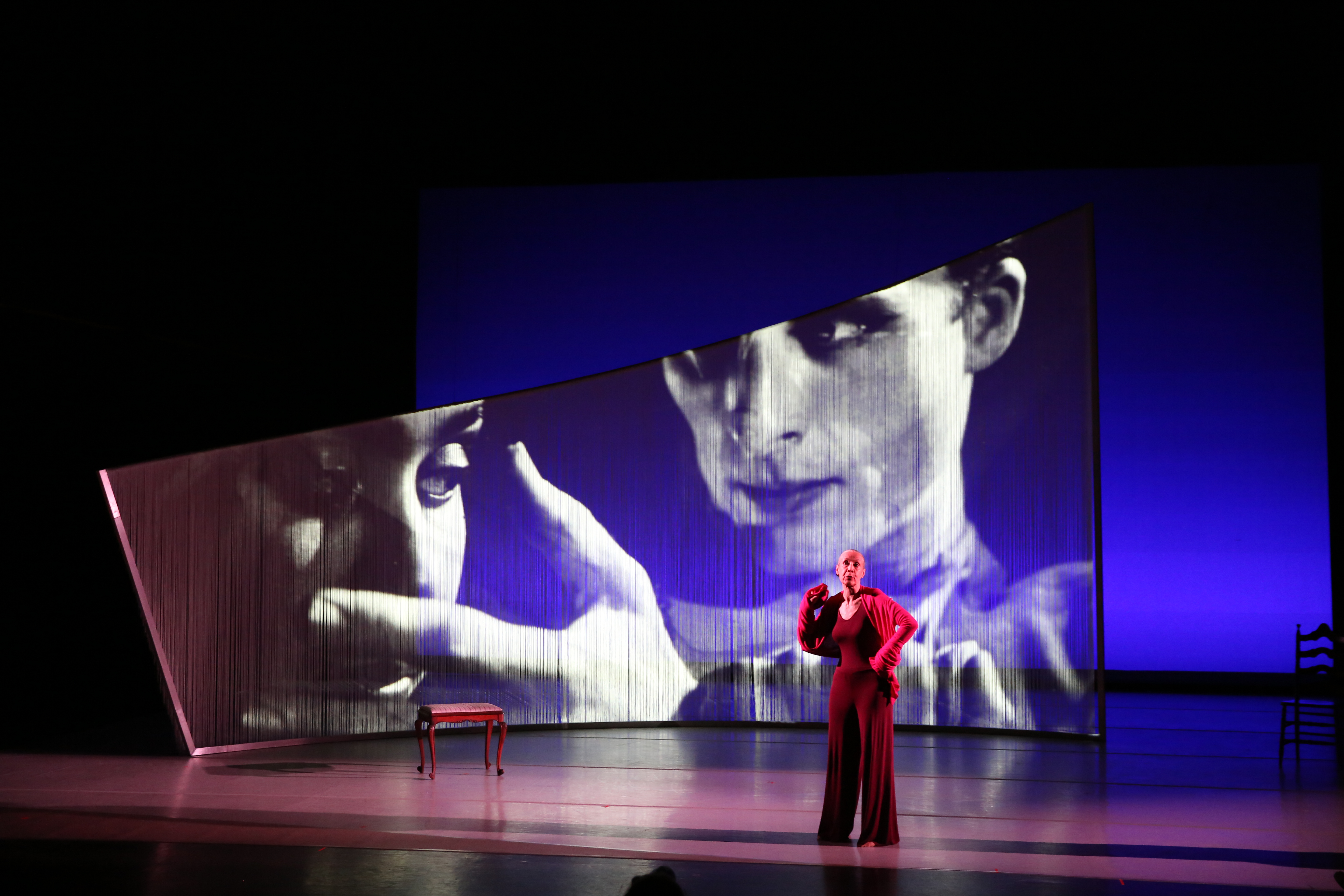
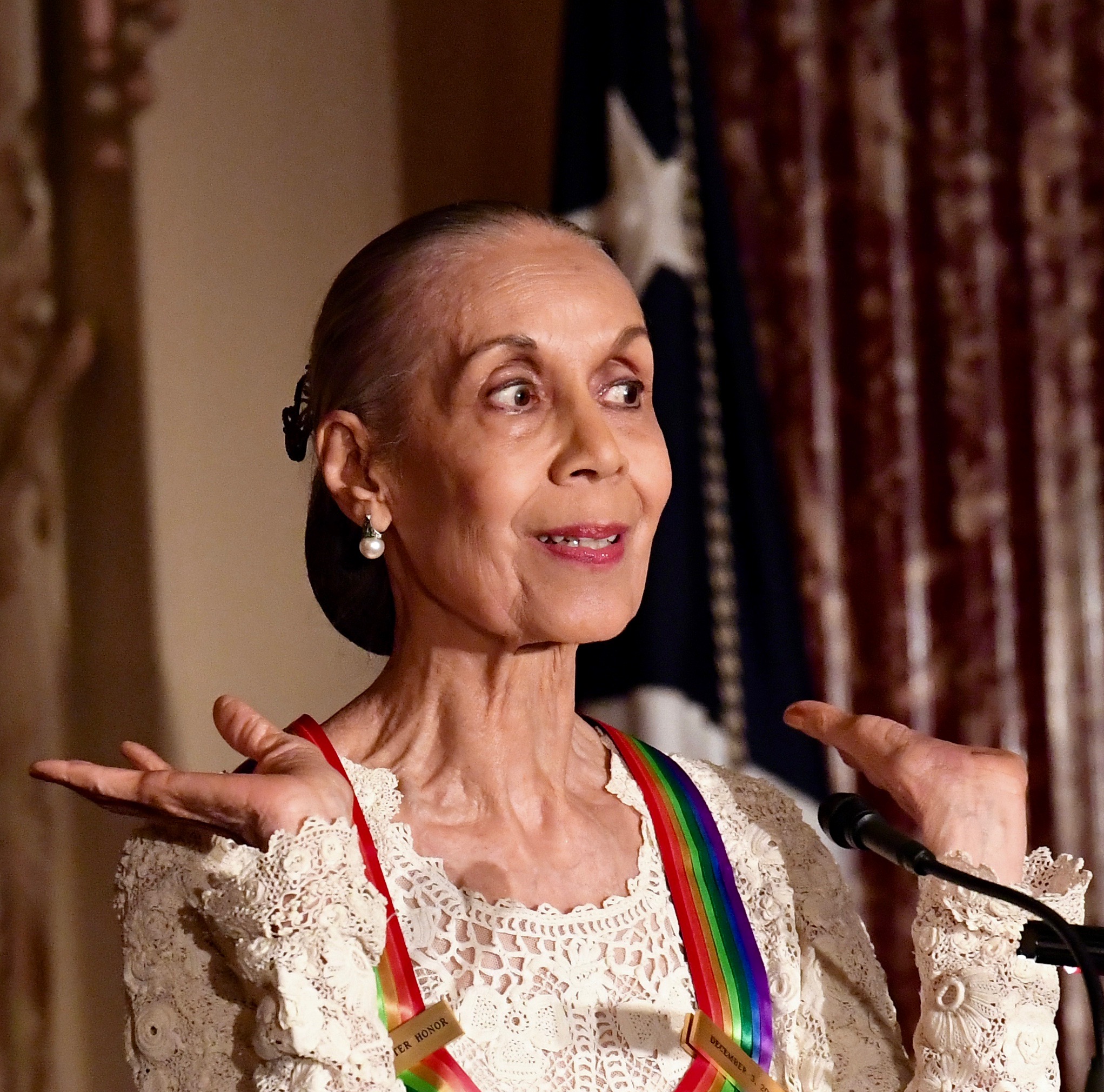
At eighty-three, de Lavallade premiered the autobiographical dance-theatre work *As I Remember It* at Jacob's Pillow in 2014, co-created with Joe Grifasi and Talvin Wilks. The work used live performance, film, and storytelling to turn memory into choreography. Major honors included the Dance Magazine Award, honorary doctorates, a Dance/USA award, and the 2017 Kennedy Center Honor. De Lavallade died after a short illness in Englewood, New Jersey, on December 29, 2025, at ninety-four.
Career Highlights
At seventeen, de Lavallade debuted with Lester Horton Dance Theater in Los Angeles. Ailey
She made her Jacob’s Pillow debut with Lester Horton Dance Theatre, beginning the festival’s longest recorded performing career. Jacob’s Pillow
She appeared in the film Carmen Jones and made her Broadway debut as Carmen in House of Flowers. Ailey
She succeeded Janet Collins as a principal dancer at the Metropolitan Opera, performing in Aida and Samson and Delilah. The Washington Post
John Butler’s Portrait of Billie, created for de Lavallade, premiered at Jacob’s Pillow with Butler and de Lavallade. Jacob’s Pillow
As an American Ballet Theatre guest artist, she performed Agnes de Mille’s The Four Marys and The Frail Quarry. The Washington Post
She joined the Yale School of Drama as a movement teacher, choreographer, and performer-in-residence. Ailey
She revived Portrait of Billie at Jacob’s Pillow with Ulysses Dove in a performance coached by John Butler. Jacob’s Pillow
De Lavallade, Gus Solomons jr, and Dudley Williams established PARADIGM to foreground mature dancers’ artistry. Jacob’s Pillow
The documentary Carmen and Geoffrey chronicled de Lavallade and Geoffrey Holder’s artistic partnership. Ailey
At eighty-three, she premiered As I Remember It at Jacob’s Pillow, completing a record-setting 1953–2014 Pillow performance span. Jacob’s Pillow
She received the Kennedy Center Honor for lifetime achievement in the performing arts. Kennedy Center
Gallery
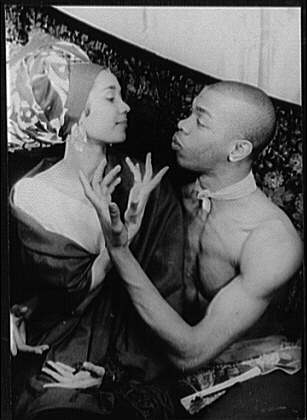
Legacy & Impact
De Lavallade shaped American dance by embodying a capacious model of artistic credibility: grounded in technique but never confined to one, equally at home in modern dance, ballet, theatre, and film. Her career links Lester Horton's multiracial Los Angeles experiment to the emergence of Alvin Ailey American Dance Theater, the integration of elite ballet and opera stages, and a late-career redefinition of who remains visible in dance. Her influence traveled through the choreographers who created roles for her, the actors and dancers she taught at Yale, and the mature-artist platform she built with PARADIGM—a vision that experience itself could be artistically powerful.


Explore More Legends
Discover the dancers, teachers, choreographers, and cultural icons who shaped how the world moves.
Keep the thread going
Dance history, technique, and the occasional rabbit hole — in your inbox. Thoughtful, infrequent, unsubscribe anytime.
Free. No spam. One click to leave.