Performer · Film / Screen Icon
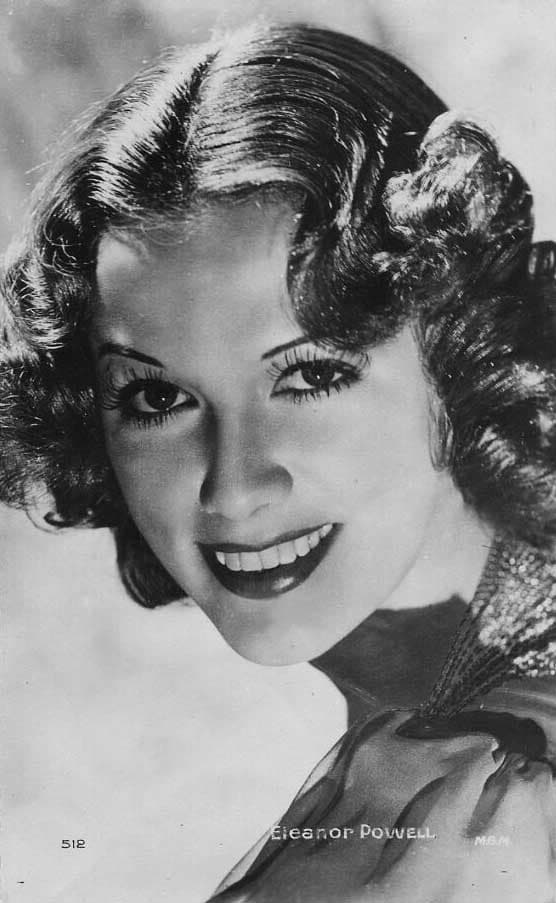
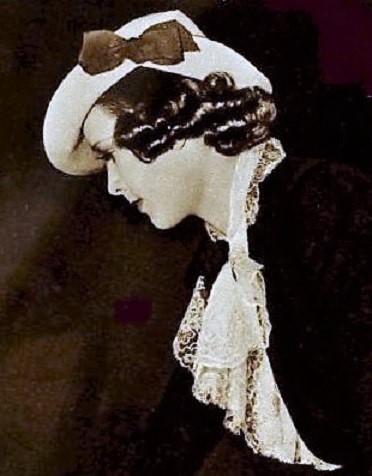
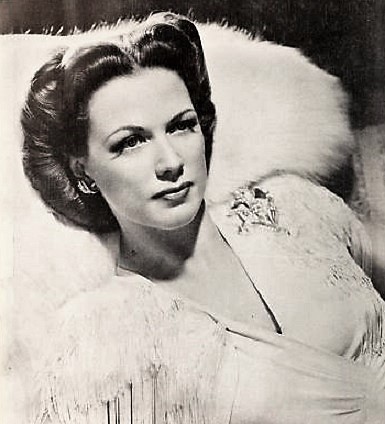
Eleanor Powell
Queen of Tap
Why They Matter
She was one of the few women who headlined dance films as a solo star, proving women could be the featured attraction in tap.
Watch
Trailer | Broadway Melody of 1936 | Warner Archive
Warner Archive
Useful for establishing how MGM marketed Powell's first starring vehicle without treating trailer copy as historical fact.
Trailer | Broadway Melody of 1938 | Warner Archive
Warner Archive
Confirms the official Warner-controlled film record and provides visual context for Powell's 1937 MGM period.
Biography
Eleanor Torrey Powell was born November 21, 1912, in Springfield, Massachusetts. As a young performer, she was discovered by a producer while dancing acrobatically in Atlantic City and entered professional entertainment through children's revues and clubs before moving to New York theatre. Her documented Broadway record begins with *The Optimists* in January 1928, followed by *Follow Thru* (1929), *Fine and Dandy* (1930), *Hot-Cha!* and George White's *Music Hall Varieties* (1932), and a featured role as "The Lady With the Tap" in *At Home Abroad* (1935). These credits chart a clear progression from ensemble work toward named dance specialties.
Powell's first significant Hollywood appearance came in Fox's *George White's 1935 Scandals* in 1935, but her breakthrough arrived that same year with MGM's *Broadway Melody of 1936*, in which she played Irene Foster. Dave Gould won the Academy Award for dance direction for work including "I've Got a Feelin' You're Foolin'," and MGM built a consistent formula around Powell's tap dancing: light backstage plots designed to showcase extended solo opportunities. Her singing in these films was not always her own; AFI documents Marjorie Lane as her singing double in *Broadway Melody of 1936*, *Broadway Melody of 1938*, and *Rosalie*.
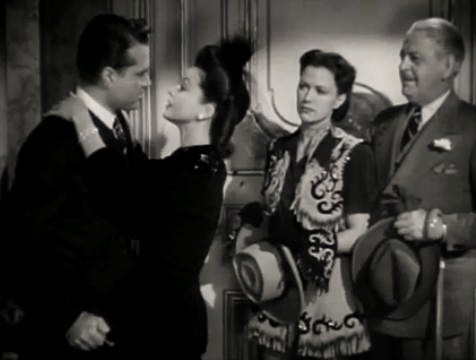
Throughout the late 1930s and early 1940s, MGM created a concentrated run of vehicles around Powell: *Born to Dance* (1936), *Broadway Melody of 1938* and *Rosalie* (1937), *Honolulu* (1939), and *Broadway Melody of 1940*. She worked alongside James Stewart, Robert Taylor, George Murphy, Nelson Eddy, Buddy and Vilma Ebsen, and many others. In 1940, she made her only film with Fred Astaire in *Broadway Melody of 1940*. The climactic "Begin the Beguine" duet on an elaborate mirrored set remains the most famous sequence, though Powell herself favored their earlier "Jukebox Dance," which showcased conversational timing and equal rhythmic presence rather than monumental spectacle. These films were collaborative productions shaped by directors, cinematographers, composers, arrangers, dance directors, partners, and ensembles alongside Powell's own performance.
Powell's later MGM years included *Lady Be Good* (1941), *Ship Ahoy* (1942), *I Dood It* (1943), and a specialty appearance in *Thousands Cheer*. She married actor Glenn Ford in 1943 and left MGM, then starred in the independently distributed *Sensations of 1945*, released in 1944. Her 1950 appearance as herself in *Duchess of Idaho* marked her final theatrical motion-picture appearance, contradicting the common claim that her screen career ended in 1943.
In the 1950s, Powell hosted the religious children's television program *The Faith of Our Children*, an outgrowth of her Sunday-school work; it won five local Emmy awards. After her 1959 divorce, she returned to nightclub performance in Las Vegas and New York, demonstrating that her dancing life extended well beyond the studio era. Her final widely documented public appearance came at the American Film Institute's 1981 tribute to Fred Astaire. Powell died of cancer in Beverly Hills on February 11, 1982. She received a posthumous star on the Hollywood Walk of Fame on February 15, 1984.
Career Highlights
Powell made her documented Broadway debut in The Optimists, which opened January 30. IBDB IBDB
She played Molly in the original Broadway production of Follow Thru. IBDB IBDB
She appeared as Miss Hunter in the original Broadway musical Fine and Dandy. IBDB IBDB
Powell starred in At Home Abroad and made her first major screen appearances, including Fox's George White's 1935 Scandals. IBDB; AFI IBDB
MGM released Broadway Melody of 1936 with Powell as Irene Foster; Dave Gould won the Academy Award for dance direction for work including “I've Got a Feelin' You're Foolin'.” AFI AFI
Powell starred opposite James Stewart in Born to Dance. AFI AFI
She led two major MGM musicals, Broadway Melody of 1938 and Rosalie. AFI, Broadway Melody of 1938; AFI, Rosalie AFI, *Broadway Melody of 1938*
Powell and Fred Astaire made their only film together, Broadway Melody of 1940, culminating in the “Begin the Beguine” duet. AFI; TCM AFI
Lady Be Good featured Powell's extended solo “Fascinatin' Rhythm” and her novelty duet with Buttons the dog; the film should still be credited to its full production team and ensemble. AFI filmography; official TCM clip AFI filmography
Powell ended her continuous MGM starring period, married Glenn Ford, appeared in Thousands Cheer, and starred in the independently distributed Sensations of 1945. AFI filmography; IBDB AFI filmography
She appeared as herself in Duchess of Idaho, which AFI identifies as her final theatrical screen appearance. AFI AFI
Powell took part in the American Film Institute tribute to Fred Astaire, her final widely documented public appearance. Washington Post Washington Post
Gallery
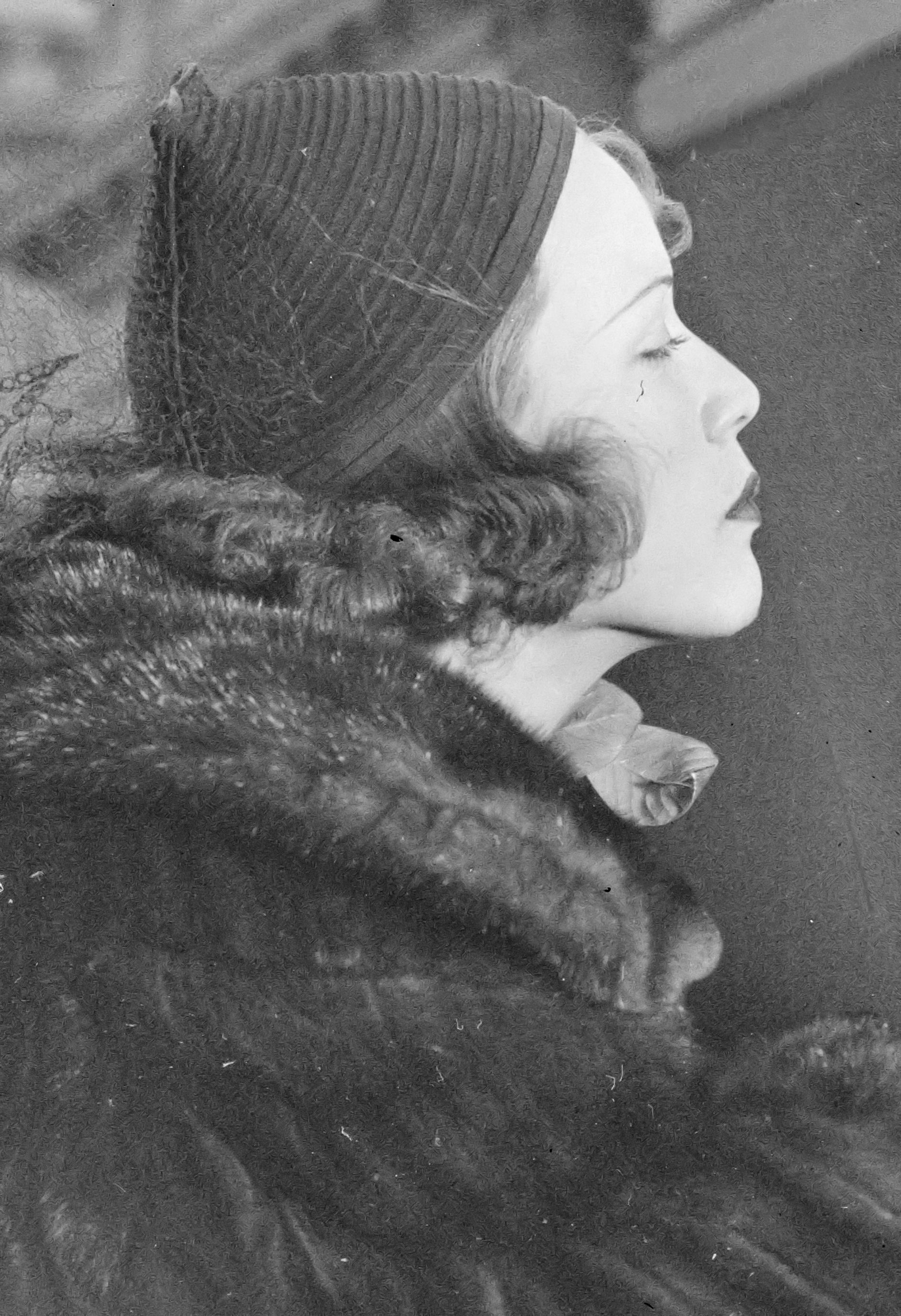
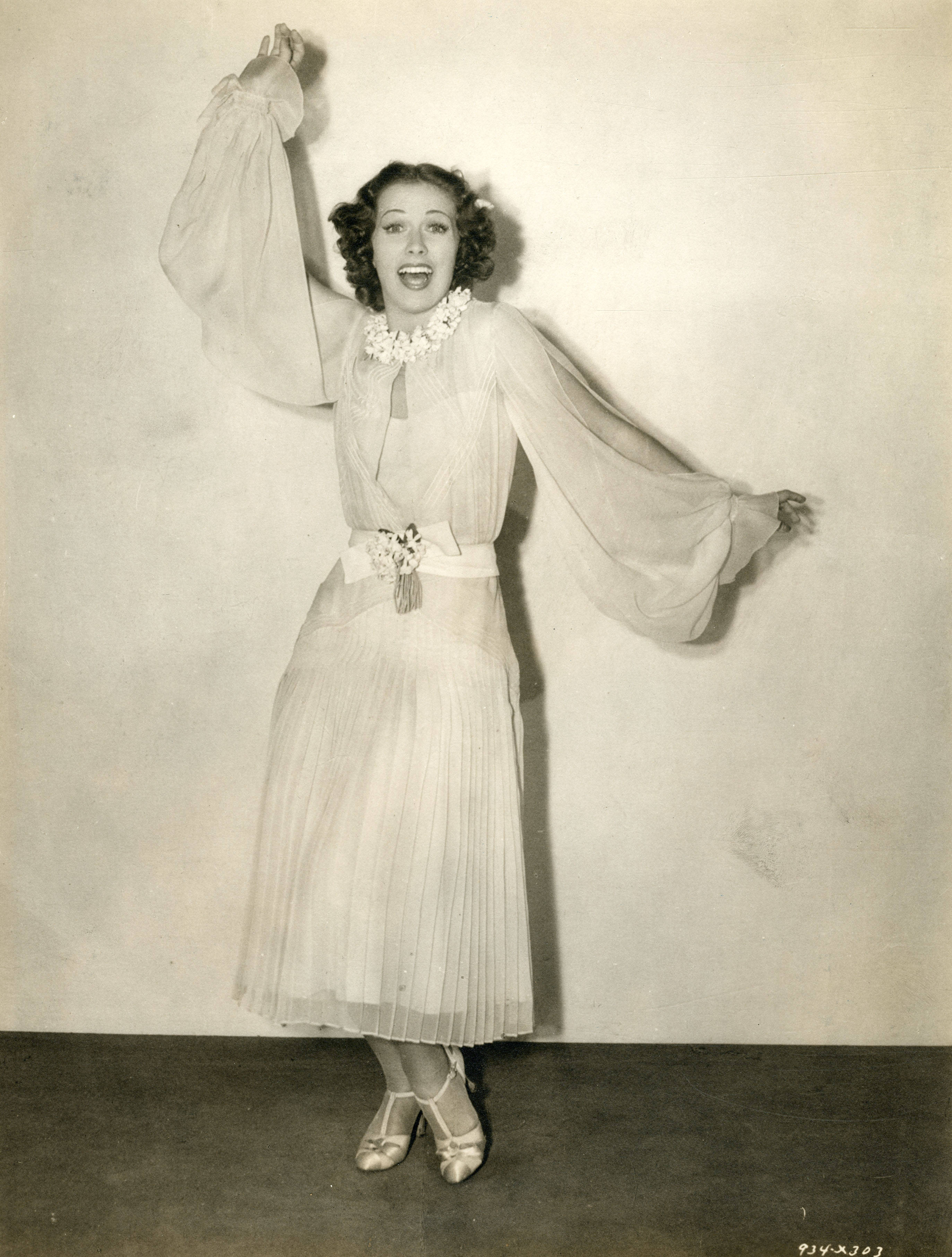
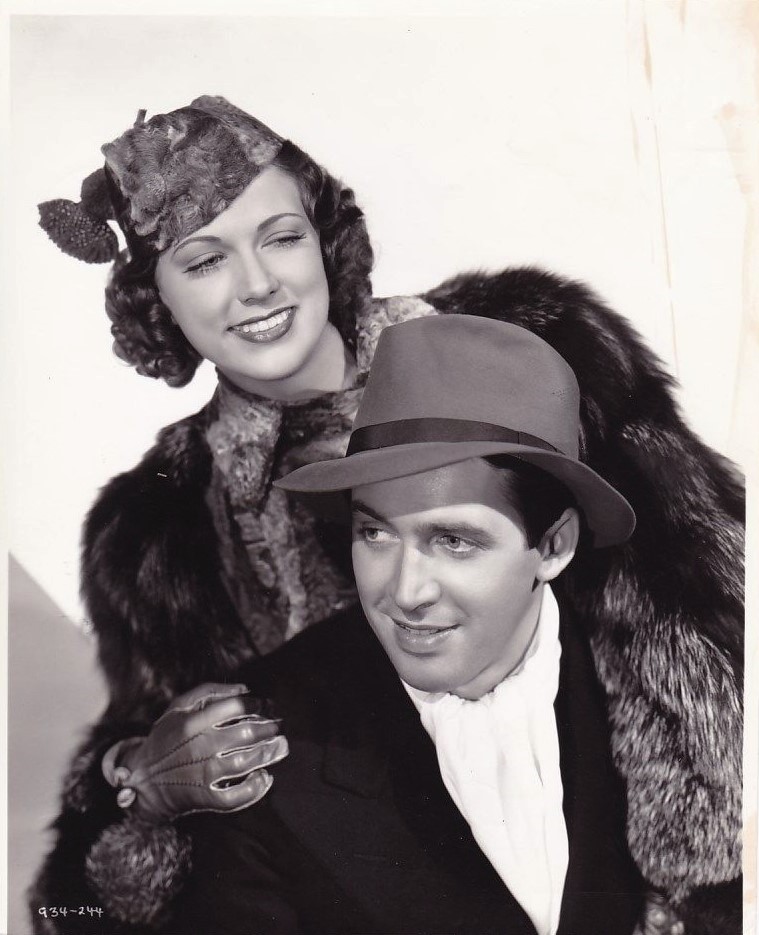
Legacy & Impact
Powell matters because she made a woman tap dancer's rhythmic and athletic authority—not romantic partnership or decorative placement—the principal attraction of major studio musicals. Her best sequences preserve dense footwork, expansive traveling, turns, jumps, comic attack, and command of the full frame. She danced with sustained musical clarity and a scale few female stars were permitted to display. Yet responsible assessment places her within tap's larger African American and vaudeville lineages and within collective film production. The films establish that she could carry extended cinematic numbers with professional mastery, not that she invented tap or stands outside its broader community. Dancers still study her sequences for spatial intelligence, phrasing clarity, and the coordination of footwork with traveling pathways and changes of level.


Explore More Legends
Discover the dancers, teachers, choreographers, and cultural icons who shaped how the world moves.
Keep the thread going
Dance history, technique, and the occasional rabbit hole — in your inbox. Thoughtful, infrequent, unsubscribe anytime.
Free. No spam. One click to leave.