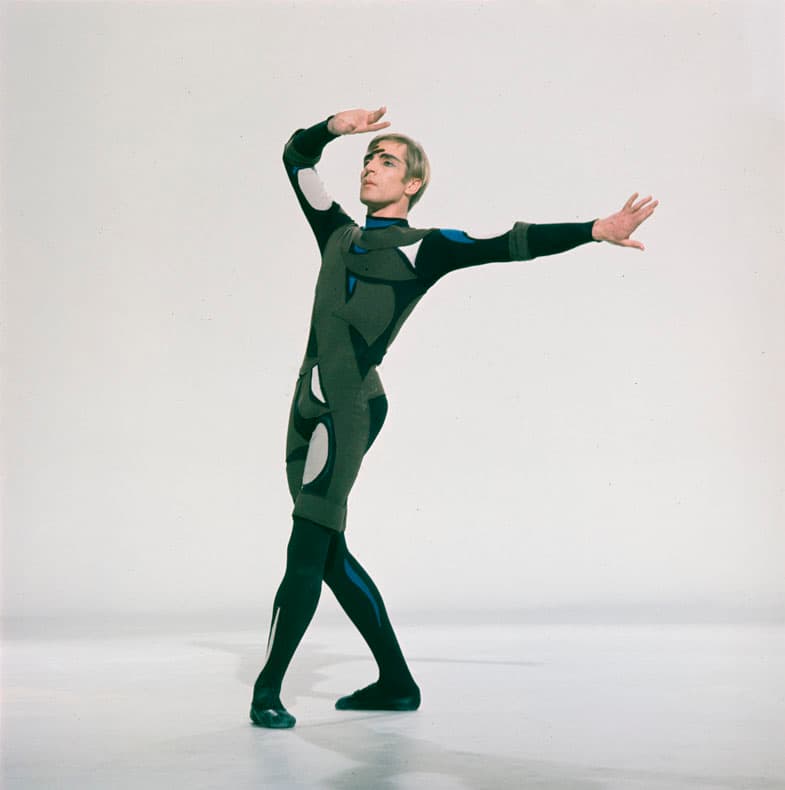
Erik Bruhn
Legend of Dance
Why They Matter
Bruhn's legacy lies in making classical male dancing simultaneously exact, restrained, and dramatically consequential. He carried Bournonville training into an international guest career, refused to separate partnering from characterization, and treated canonical ballets as living dramatic structure
Styles Erik Bruhn shaped
Each one links to the style’s own page — its origins, music, tempo and video.
Biography
Erik Belton Evers Bruhn was born in Copenhagen in 1928 and trained at the Royal Danish Ballet School from 1937, entering the Royal Danish Ballet in 1947. His early training grounded him in the Danish Bournonville tradition, with its emphasis on buoyant jumps, quick beaten steps, musical phrasing, and an apparently unforced upper body. He became a solo dancer in 1949 and soon began a sustained association with Ballet Theatre in New York, alongside guest appearances with Metropolitan Ballet in Britain and engagements across major European companies.
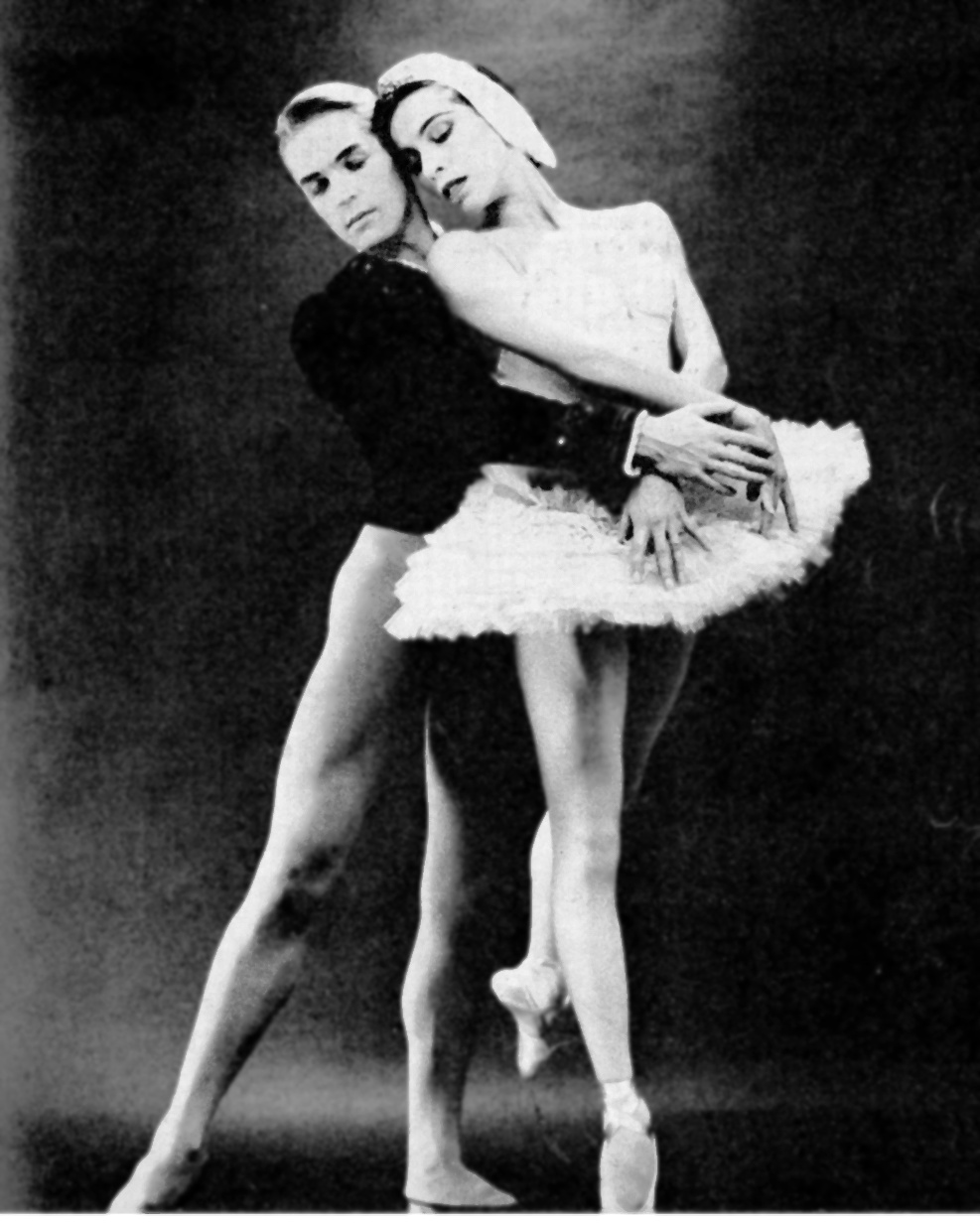
Bruhn's international breakthrough came in 1955 when he danced Albrecht opposite Alicia Markova in *Giselle* with Ballet Theatre in New York. That performance established him not merely as a virtuoso but as a dramatic interpreter able to reshape expectations for male classical roles. Through the 1950s and 1960s, he built a repertory spanning James in *La Sylphide*, Prince Siegfried in *Swan Lake*, Jean in Birgit Cullberg's *Miss Julie*, the Moor in José Limón's *The Moor's Pavane*, and Don José in Roland Petit's *Carmen*. He partnered with Alicia Markova, Maria Tallchief, Carla Fracci, Sonia Arova, and Natalia Makarova, each partnership contributing to his evolving interpretations.
Bruhn also documented and transmitted technique. With Lillian Moore he published *Bournonville and Ballet Technique* in 1961, and his 1968 book *Beyond Technique* addressed performance, characterization, and partnering. Recorded interviews preserve his discussions of dramatic movement, American Ballet Theatre, Bournonville repertory, and the practical work of staging ballets.
After stepping back from leading roles, Bruhn directed the Swedish Opera Ballet from 1967 to 1973. His long association with the National Ballet of Canada began in 1964 when he staged *La Sylphide*. He served as resident producer from 1973 to 1976 and artistic director from 1983 until his death in 1986. Bruhn died in Toronto on 1 April 1986. His will established the Erik Bruhn Prize, through which the National Ballet of Canada brought young artists from companies central to his career into a demanding classical-and-contemporary showcase. For the company's 2026–27 season, that legacy was reshaped as the Erik Bruhn Festival of Emerging Artists, retaining the emphasis on standards and development while moving from competition toward exchange and mentorship.
Career Highlights
Began training at the Royal Danish Ballet School.
Joined the Royal Danish Ballet and also spent a period dancing with Metropolitan Ballet in Britain.
Became a solo dancer of the Royal Danish Ballet and began a sustained association with Ballet Theatre in New York.
Achieved a major international breakthrough as Albrecht opposite Alicia Markova in Giselle with Ballet Theatre.
Co-authored Bournonville and Ballet Technique with Lillian Moore and formally left his permanent Royal Danish Ballet position while continuing to guest.
Received the Nijinsky Prize and was made a Knight of the Order of the Dannebrog.
Began his long association with the National Ballet of Canada by staging La Sylphide.
Directed the Swedish Opera Ballet.
Published Beyond Technique.
Served as resident producer of the National Ballet of Canada.
Served as artistic director of the National Ballet of Canada.
The first Erik Bruhn Prize event was held after the award was established through his estate.
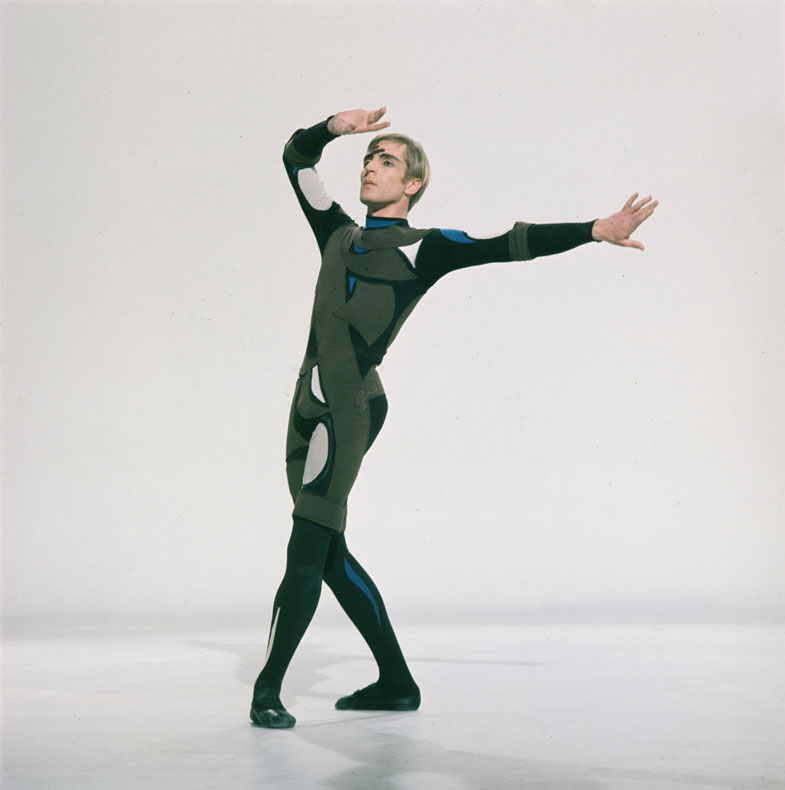
Gallery
Legacy & Impact
Bruhn's legacy lies in making classical male dancing simultaneously exact, restrained, and dramatically consequential. He carried Bournonville training into an international guest career, refused to separate partnering from characterization, and treated canonical ballets as living dramatic structures to be coached and restaged. The books, recorded interviews, productions, and the National Ballet of Canada's continuing emerging-artist program give that legacy forms that can still be studied rather than merely admired.


Explore More Legends
Discover the dancers, teachers, choreographers, and cultural icons who shaped how the world moves.
Keep the thread going
Dance history, technique, and the occasional rabbit hole — in your inbox. Thoughtful, infrequent, unsubscribe anytime.
Free. No spam. One click to leave.