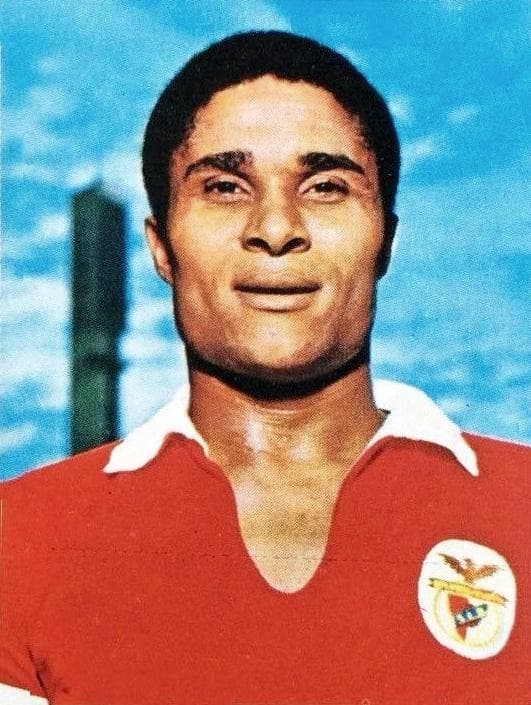
Teacher · Popularizer · Cultural Preserver
Eusebio Da Silva
Kizomba's Global Pioneer
Why They Matter
He was among the first to codify kizomba technique for international students, fueling the dance's explosive global growth from the mid-2000s onward.
Known For
Styles Eusebio Da Silva shaped
Each one links to the style’s own page — its origins, music, tempo and video.
Biography
Eusébio Lobo da Silva, known in capoeira as Mestre Pavão, is a Brazilian dancer, capoeirista, teacher, researcher, and university professor who connected capoeira with academic dance inquiry and carried Katherine Dunham's diasporic pedagogy into Brazil. Born in December 1952 in Salvador, Bahia, Lobo entered capoeira while young and worked with the ensemble Olodumaré before pursuing formal dance training. In 1972 he entered the School of Dance at the Federal University of Bahia, where he studied ballet with Margarida Parreiras Horta and modern dance with Clyde Morgan, completing the program in 1976.
Lobo's formative work in the United States proved decisive. He completed an arts degree in 1979 and a master's degree in 1980 while studying and performing at Katherine Dunham's Performing Arts Training Center in East St. Louis. His 1980 dissertation, *Cappoeira*, was completed under Dunham's guidance and became the first master's dissertation on capoeira written in the field of dance. This accomplishment placed capoeira's embodied knowledge inside a dance-research framework while its author remained a practicing capoeirista, linking performance, Black diasporic modern dance, and academic inquiry rather than treating capoeira only as sport or folklore. Archival moving-image records preserve his teaching and performance during this period, documenting both a capoeira class led by Lobo with center exercises, floor progressions, kicks, somersaults, cartwheels, and partner exchanges accompanied by live drumming, and a performance with the Capoeiras of Bahia Dance Company.
Returning to Brazil, Lobo merged artistic practice with scholarship and pedagogy. He published *Comentários e Instruções sobre a Dança* in 1983 and completed his doctorate at the Universidade Estadual de Campinas. His 1993 doctoral thesis, *Método de ensino integral da dança: um estudo do desenvolvimento dos exercícios técnicos centrado no aluno* (Integral Method of Dance Teaching: A Study of Technical Exercise Development Centered on the Student), proposed tools for cultivating dance-specific motor ability from each person's potential without separating technical development from the whole person. At Unicamp, Lobo became a professor and one of the founders of the university's Department of Body Arts, supervising theses and dissertations spanning dance, theatre, improvisation, choreography, capoeira, somatic awareness, and performer training. He earned the rank of *Livre-Docente* in 2004.
Lobo's four-volume 2008 project *O Corpo na Capoeira* consolidated decades of practitioner-research, treating capoeira's history, bodily principles, basic movement operations, and action. His influence remains visible in the many theses and dissertations he supervised and in ongoing scholarly discussion of Black dance, capoeira, and decolonial knowledge. A May 2026 record placed him on the academic memorial committee for Renata de Lima Silva, evidence that his mentorship and disciplinary authority remained active.
Career Highlights
Born in December in Salvador, Bahia. Ferraz
Entered the UFBA School of Dance after early experience in capoeira and Black performance culture. Ferraz
Completed his UFBA dance studies. Ferraz
Completed an arts degree and studied and performed at Katherine Dunham’s East St. Louis training center. Itaú Cultural
Completed the dance master’s dissertation Cappoeira under Katherine Dunham’s guidance. Revista Brasileira de Estudos da Presença
Appeared in the documented film Capoeira of Brazil with the Capoeiras of Bahia Dance Company and fellow guest Loremil Machado. NYPL
Published Comentários e Instruções sobre a Dança. Ferraz
Defended his Unicamp doctorate on a learner-centered integral method of dance teaching. IBICT/Unicamp
Earned the title Livre-Docente at Unicamp. Itaú Cultural
Published the four-volume O Corpo na Capoeira. Conexões
Served on the UFG academic memorial committee for Renata de Lima Silva. UFG
Legacy & Impact
Eusébio Lobo da Silva established capoeira as a legitimate field of dance inquiry by treating bodily knowledge as a source of theory rather than translating practice into academic language. He carried Katherine Dunham's pedagogical legacy into Brazil, supported generations of artists and researchers exploring Black dance, improvisation, and culturally grounded pedagogy, and created continuity between the capoeira circle, the concert stage, the classroom, and the research university. His emphasis on learner-centered technique development continues to influence how dance teachers approach individual capacity and agency.


Explore More Legends
Discover the dancers, teachers, choreographers, and cultural icons who shaped how the world moves.
Keep the thread going
Dance history, technique, and the occasional rabbit hole — in your inbox. Thoughtful, infrequent, unsubscribe anytime.
Free. No spam. One click to leave.