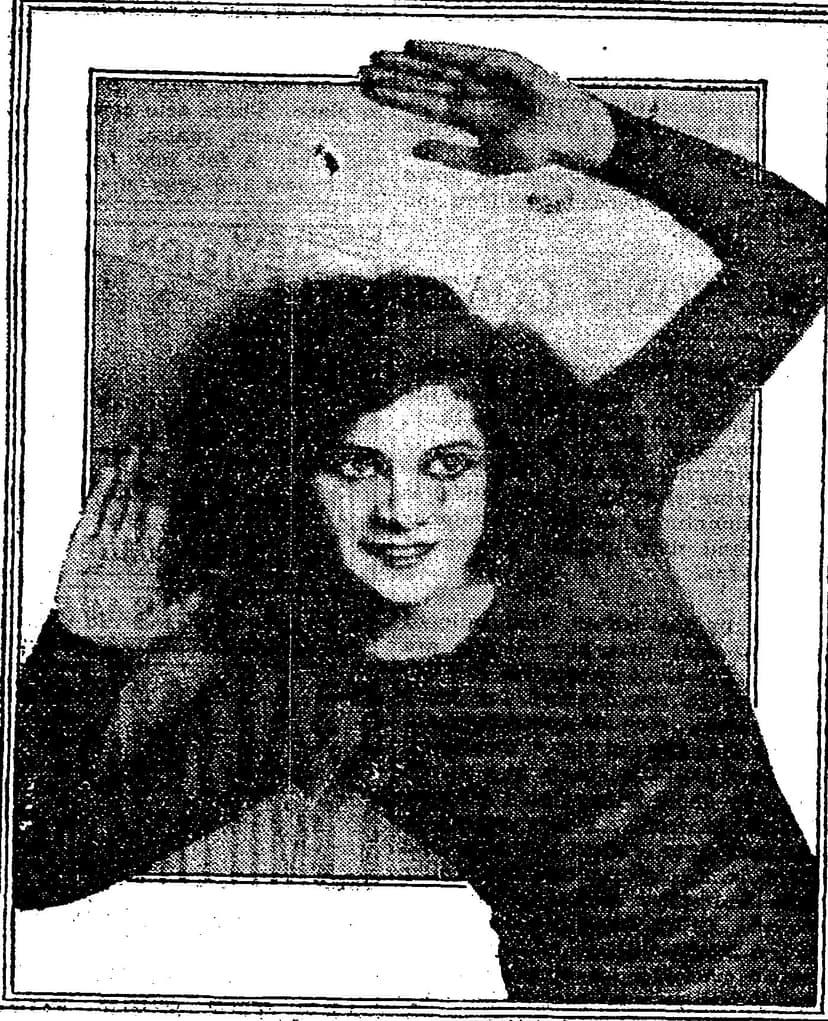
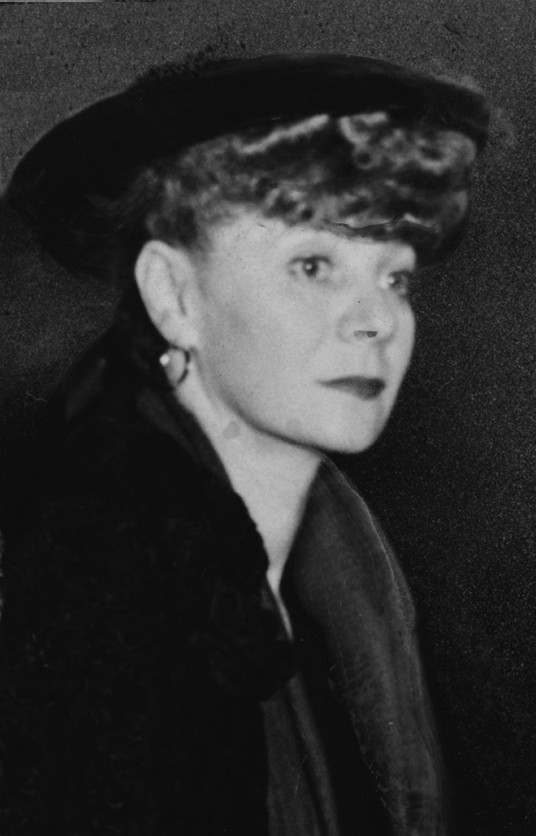
Helen Tamiris, born Helen Becker
Legend of Dance
Why They Matter
Tamiris matters as a bridge among three histories often narrated separately: the rise of American modern dance, New Deal cultural labor, and Broadway choreography. She treated dance as a vehicle for contemporary social subjects, argued that dancers were workers deserving public support, and brought…
Watch
Helen Tamiris teaching at the American Dance Festival, 1959
American Dance Festival
Rare institutional footage documents Tamiris's pedagogical process and embodied priorities.
Biography
Helen Tamiris was born Helen Becker on New York's Lower East Side to a Russian Jewish immigrant family. Her birth date is contested: her own account and a reported birth certificate place it at April 23, 1902, while other institutional records give April 24, 1905. She began movement study at the Henry Street Settlement and later danced professionally with the Metropolitan Opera Ballet and the Bracale Opera Company before turning toward modern dance.
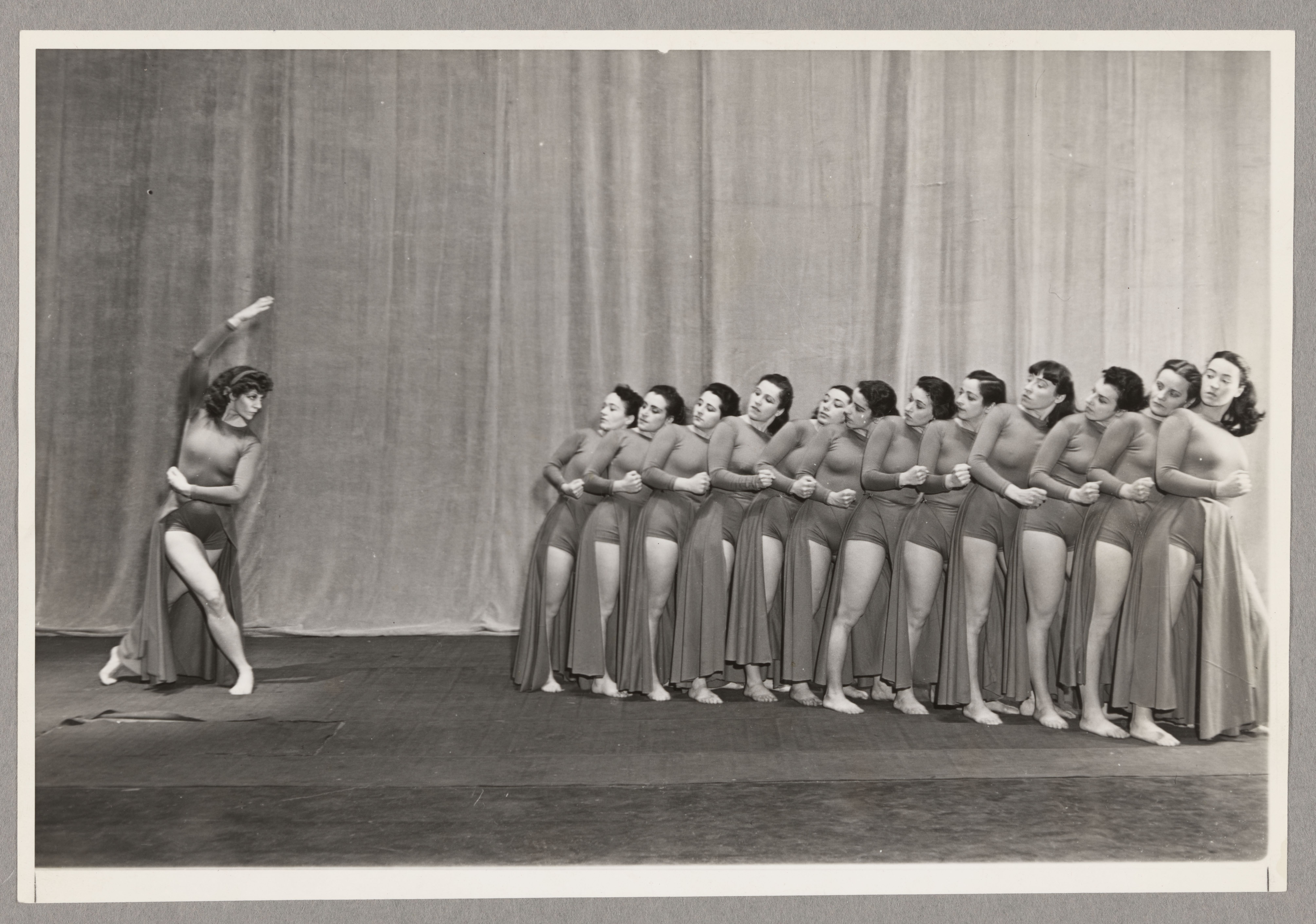
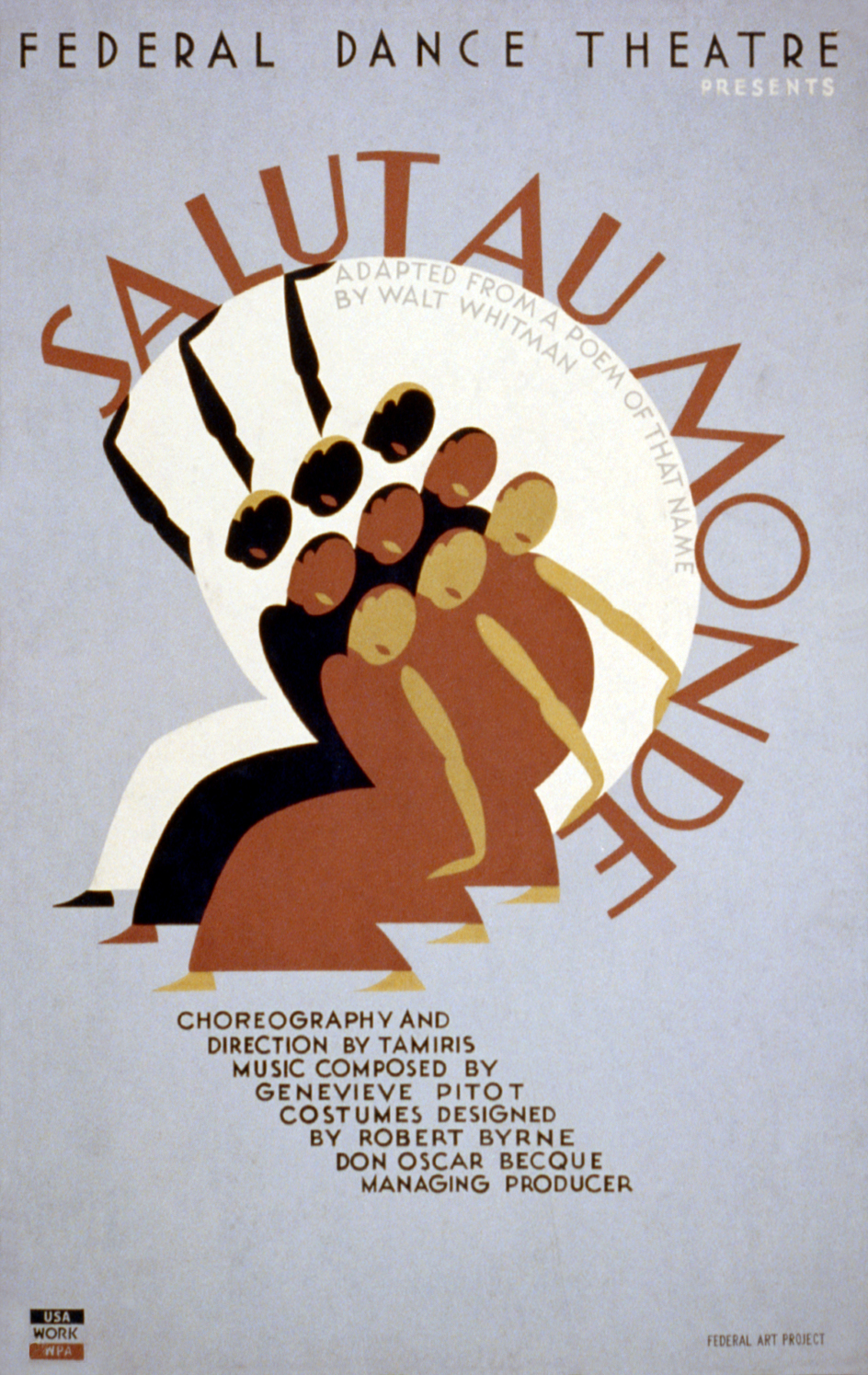
Tamiris made her debut as a solo modern dancer in 1927 and established her own school and company two years later. Her work drew on jazz, spirituals, vernacular sources and contemporary American life, resisting the idea that modern dance required a universal codified technique. During the Depression, she became an influential organizer and advocate, working through groups including the Concert Dancers League, Dance Repertory Theatre, Dancers Emergency Association and American Dance Association. She played a central role in establishing the Federal Dance Project under the Works Progress Administration, treating dance as a public and socially responsible form.
Her major Federal Dance Project works included *Salut au Monde* (1936), *How Long, Brethren?* (1937), *Trojan Incident* (1938) and *Adelante* (1939). *How Long, Brethren?* was performed to Lawrence Gellert's collected songs of protest sung by a Black chorus, addressing the oppression of unemployed Black Southerners. Her *Negro Spirituals* suite and related works were notable for their early use of African American musical material on the concert stage.
In the mid-1940s Tamiris shifted substantially into Broadway, choreographing *Up in Central Park*, *Show Boat*, *Annie Get Your Gun*, *Inside U.S.A.*, *Touch and Go*, *Fanny* and *Plain and Fancy*. She won the Tony Award for choreography in 1950 for *Touch and Go*, which had opened in October 1949. In 1946 she married dancer and choreographer Daniel Nagrin; they later co-founded the Tamiris–Nagrin Dance Company, active from 1960 to 1965. Tamiris died in New York City on August 4, 1966, leaving behind a career that connected radical concert dance, federal cultural policy and commercial theatre.
Career Highlights
Made her debut as a solo modern dancer in New York. University of Washington Dance University of Washington Dance
Established her own school and company. University of Washington Dance University of Washington Dance
Created Salut au Monde for the Federal Dance Theatre. Jewish Women’s Archive Jewish Women’s Archive
Created How Long, Brethren?, a Federal Dance Project work performed to Lawrence Gellert’s collected protest songs. University of Washington Dance University of Washington Dance
Staged and performed as Cassandra in the Broadway Federal Theatre production Trojan Incident. IBDB IBDB
Choreographed and performed in Adelante, a dance drama responding to the Spanish Civil War. IBDB; Jewish Women’s Archive IBDB
Choreographed the Broadway productions Show Boat and Annie Get Your Gun. IBDB IBDB
Staged the dances and musical numbers for Inside U.S.A. IBDB IBDB
Won the Tony Award for choreographing Touch and Go, which had opened in October 1949. Tony Awards; IBDB Tony Awards
Choreographed By the Beautiful Sea and Fanny on Broadway. IBDB IBDB
Choreographed Plain and Fancy on Broadway. IBDB IBDB
Co-founded the Tamiris–Nagrin Dance Company, active through 1965. IBDB IBDB
Gallery
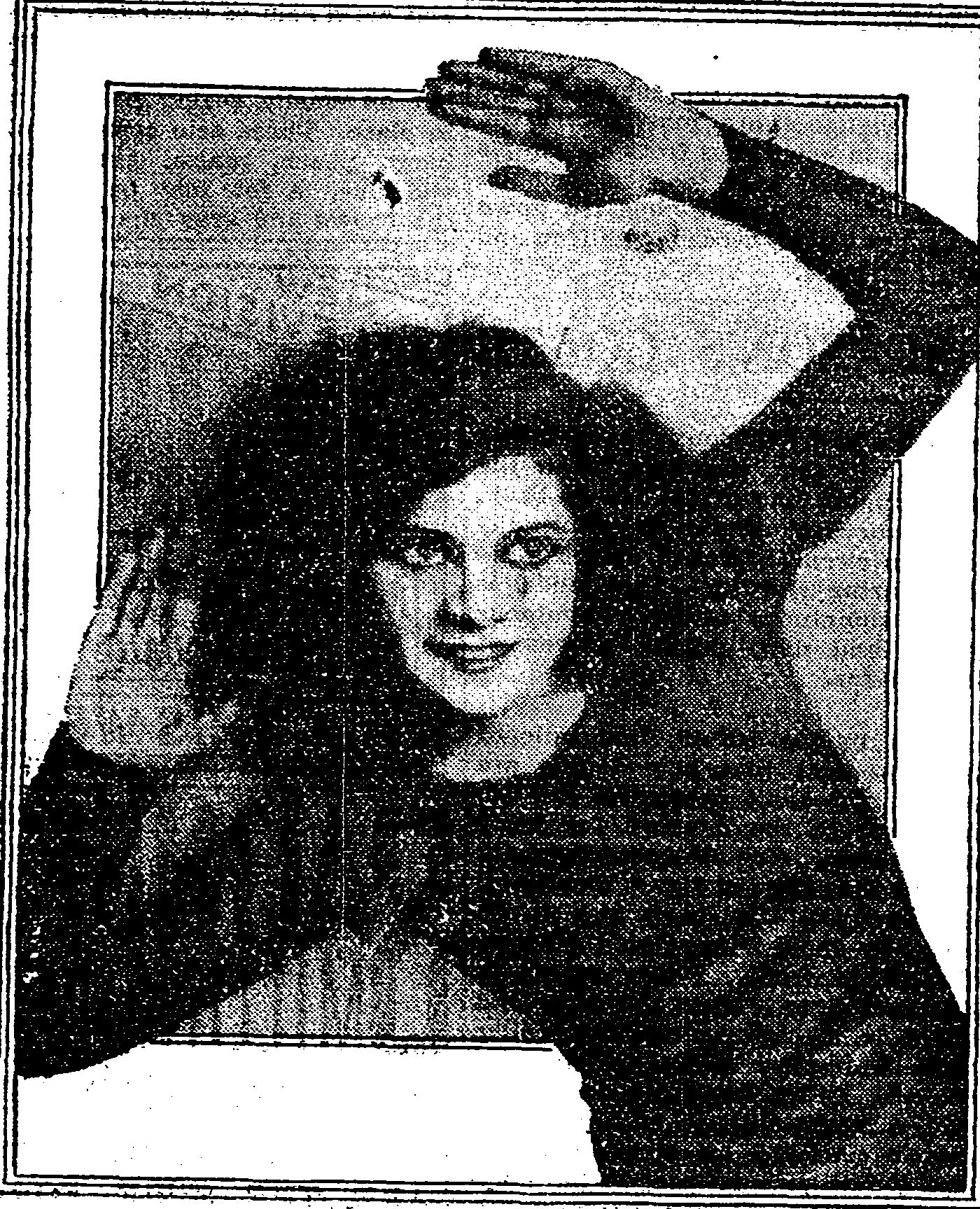
Legacy & Impact
Tamiris remains vital as a bridge among American modern dance, New Deal cultural labor and Broadway choreography. She demonstrated that dance could be a vehicle for contemporary social subjects and insisted that dancers were workers deserving public support. By bringing jazz and African American sacred and protest music into modern-dance repertory at a time when white concert institutions marginalized such sources, she expanded what dance could address and who it could represent. Her later Broadway success shows that this public-facing theatrical intelligence operated at commercial scale without erasing her organizing legacy.


Explore More Legends
Discover the dancers, teachers, choreographers, and cultural icons who shaped how the world moves.
Keep the thread going
Dance history, technique, and the occasional rabbit hole — in your inbox. Thoughtful, infrequent, unsubscribe anytime.
Free. No spam. One click to leave.