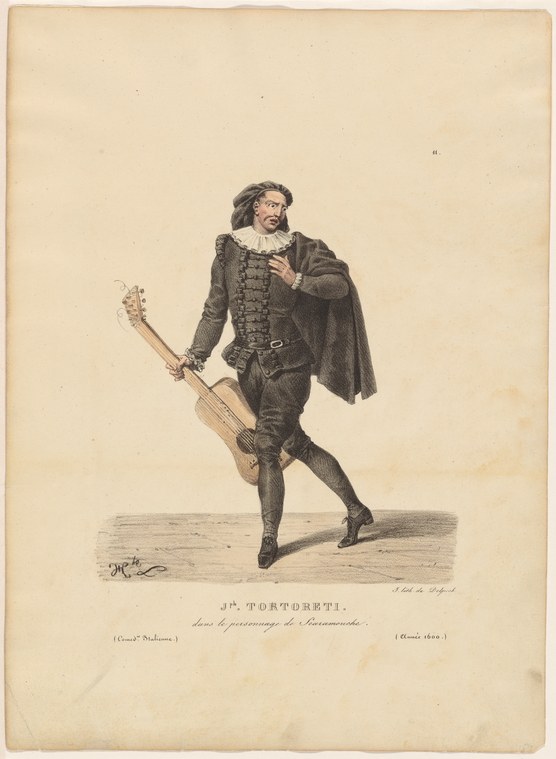
Musical Theatre Dance
Musical Theatre Dance is the staging discipline of the Broadway and West End book musical: choreography built to advance plot, reveal character and serve a written score. It borrows freely from jazz, tap, ballet and character dance rather than owning a movement vocabulary of its own.
6 dance styles in this genre
Historical Origins
Precision chorus work came first: Russell Markert formed the Missouri Rockets in St. Louis in 1925, and the line filled Radio City Music Hall when it opened in 1932. The integrated form crystallized in 1943, when Agnes de Mille's dances for Rodgers and Hammerstein's Oklahoma! carried plot instead of decorating it. Jerome Robbins, whose ballet Fancy Free (1944) became On the Town, brought dramatic structure, while Jack Cole fused bharatanatyam, flamenco and Lindy Hop into what he called urban folk dance and trained Gwen Verdon, Carol Haney and Matt Mattox. The first Tony Award for choreography went to de Mille for Brigadoon in 1947.
Cultural Significance
Musical Theatre Dance made the choreographer a co-author of the American musical. De Mille's Oklahoma! ballet and Robbins's West Side Story (1957) and Fiddler on the Roof (1964) proved a number could carry exposition no lyric could reach, and the Tony Award for Best Choreography, first given in 1947, formalized the job. Michael Bennett's A Chorus Line (1975) turned the audition itself into subject matter. Because Broadway hires from every technique, the form has been a durable meeting point between concert ballet, tap, Black vernacular jazz and, since the 2000s, hip-hop, and a principal employer of American dancers.
Musical Characteristics
The score dictates everything. Choreographers work to a fixed orchestration, vocal arrangement and dance arrangement, the last often written by a specialist dance arranger, so vamps, counts, key changes and button endings are structural rather than optional. Golden Age idiom runs on show-tune swing and 4/4 jazz with brass punctuation, with waltz, march, polka and Latin pastiche used as character coloring. Contemporary shows widen the palette: In the Heights (2008) draws on salsa, merengue and hip-hop, Hamilton (2015) on rap and R&B, Moulin Rouge! The Musical (2020) on pop mashup. Underscoring, playoffs and applause buttons shape phrasing throughout.
Core Movement Principles
Storytelling outranks vocabulary. A step is chosen because a specific character would plausibly do it, in period, in costume, on that stage. The working principles are legibility from the back row, sightline and traffic management around scenery and principals, movement that survives eight shows a week, and the ability to sing full voice while dancing. Style is quoted rather than owned, so one show may require ballet, tap, Charleston, hora, waltz and hip-hop. Character shoes and heels, raked or turntable decks, quick-change windows and costume weight determine the actual physics of what can be danced.
Modern Usage
The idiom is a required professional competency, taught in BFA musical theatre programs and open commercial classes, and tested at calls that may ask for a Fosse combination, a kick line and a ballet variation in a single day. Susan Stroman (Contact, 2000; The Producers, 2001), Andy Blankenbuehler (In the Heights, 2008; Hamilton, 2016), Justin Peck (Carousel, 2018; Illinoise, 2024), Christopher Wheeldon (An American in Paris, 2015; MJ, 2022), Sonya Tayeh (Moulin Rouge!, 2020) and Camille A. Brown define current practice. Tours, cruise lines, theme parks, the Radio City Christmas Spectacular and screen musicals keep the workforce employed year-round.
Dance Styles
Golden Age Broadway Jazz
Also known as: Golden Age Show Dancing, Book Musical Jazz, Classic Broadway Show Dance
The show-dance idiom of the integrated book musical from Oklahoma! to Fiddler on the Roof, in which jazz, ballet and character steps were welded directly to plot and score.
Fosse Style
Also known as: Fosse Technique, Fosse Jazz, Bob Fosse Style
Bob Fosse's codified stage vocabulary of turned-in knees, rolled shoulders, isolated hips, splayed hands and hat-and-cane props, built into numbers of tightly controlled, sardonic movement.
Dream Ballet
Also known as: Narrative Ballet Sequence, Psychological Ballet, Book Ballet
The extended wordless narrative ballet inside a musical, entered from a character's mind, revealing desire or dread that the script and lyrics cannot state aloud.
Precision Kickline
Also known as: Precision Dance, Rockette Style, Chorus Kick Line, Precision Chorus Line
Precision chorus dancing in which a long line executes identical steps and eye-high kicks in exact unison, descended from Russell Markert's Rockettes at Radio City Music Hall.
Contemporary Broadway
Also known as: Modern Broadway Dance, Contemporary Musical Theatre Dance, Broadway Contemporary
The Broadway idiom from the 1990s onward, fusing ballet, hip-hop, street and contemporary technique into character-specific storytelling, usually authored by a choreographer who also directs.
Musical Theatre Character Dance
Also known as: Stage Character Dance, Period Musical Theatre Dance, Character Shoe Work
Period and character styling for the stage, in which folk, social and national dance is stylized in character shoes to establish a show's time, place and social world.
Legends of Musical Theatre Dance
Dancers, choreographers and teachers whose work shaped the styles in this genre.
19 more musical theatre dance figures have pages — browse all legends.
Musical Theatre Dance on screen
Films and television where musical theatre dance appears, with the sequences worth watching for.
 Chicago (2002)9 sequences indexedAll That Jazz at the Onyx Club · 00:02:34 · chor. Rob Marshall; John DeLuca (choreographic supervisor)Funny Honey · 00:11:57 · chor. Rob Marshall; John DeLuca (choreographic supervisor)Cell Block Tango · 00:23:47 · chor. Rob Marshall; John DeLuca (choreographic supervisor)
 West Side Story (1961)9 sequences indexedPrologue · 00:05:07 · chor. Jerome RobbinsJet Song · 00:21:01 · chor. Jerome RobbinsDance at the Gym — Blues · 00:31:58 · chor. Jerome Robbins
 Cabaret (1972)8 sequences indexedWillkommen · 00:02:20 · chor. Bob FosseMein Herr · 00:11:27 · chor. Bob FosseMoney · 00:57:12 · chor. Bob Fosse
 Feel the Beat (2020)7 sequences indexedBroadway audition opening · chor. Mia MichaelsFinal team performance · chor. Mia MichaelsWisconsin state Teacher Feature recovery · chor. Mia Michaels
 West Side Story (2021)7 sequences indexedPrologue · chor. Justin PeckJet Song · 00:14:41 · chor. Justin PeckDance at the Gym — Blues and Promenade · 00:33:29 · chor. Justin Peck
 The Band Wagon (1953)6 sequences indexedThat's Entertainment! · 00:27:32 · chor. Michael KiddI Love Louisa · 01:16:35 · chor. Michael KiddLouisiana Hayride · 01:26:10 · chor. Michael Kidd
 All That Jazz (1979)5 sequences indexedBye Bye Life finale · chor. Bob FosseTake Off With Us / Air-otica rehearsal · chor. Bob FosseEverything Old Is New Again · chor. Bob Fosse
 An American in Paris (1951)5 sequences indexedEmbraceable You introduction · chor. Gene KellyAn American in Paris Ballet · 01:35:58 · chor. Gene KellyI'll Build a Stairway to Paradise · 01:00:18 · chor. Gene Kelly
 Every Little Step (2008)5 sequences indexedOpen-call dance combination · chor. Baayork LeeDance: Ten; Looks: Three — Val audition strand · chor. Michael Bennett; Bob AvianAt the Ballet — Maggie auditions · chor. Michael Bennett; Bob Avian; Baayork Lee
 Fosse/Verdon (2019)5 sequences indexedBig Spender filming and on-set correction · chor. Andy Blankenbuehler (series reconstruction); Bob Fosse (original choreography)Mein Herr Kit Kat Klub recreation · chor. Andy Blankenbuehler (series reconstruction); Bob Fosse (original choreography)Whatever Lola Wants rehearsal · chor. Andy Blankenbuehler (series choreography); Bob Fosse and Gwen Verdon (dramatized creative process)
 The Gay Divorcee (1934)5 sequences indexedThe Continental · chor. Dave GouldDon't Let It Bother You — nightclub chorus · 00:02:04 · chor. Hermes Pan (dance director); Dave Gould (dance ensembles staged by)The Continental production number · 01:16:20 · chor. Hermes Pan (dance director); Dave Gould (dance ensembles staged by)Hamilton (2020)4 sequences indexedThe Schuyler Sisters · chor. Andy BlankenbuehlerSatisfied · chor. Andy BlankenbuehlerYorktown (The World Turned Upside Down) · chor. Andy Blankenbuehler
Poster artwork from TMDB.
 This site uses TMDB and the TMDB APIs but is not endorsed, certified, or otherwise approved by TMDB.
Showing the 12 most-documented of 25 titles — browse the full library.
Musical Theatre Dance FAQs
Musical Theatre Dance in art
Browse the gallery →Works our catalogue identifies as depicting musical theatre dance.
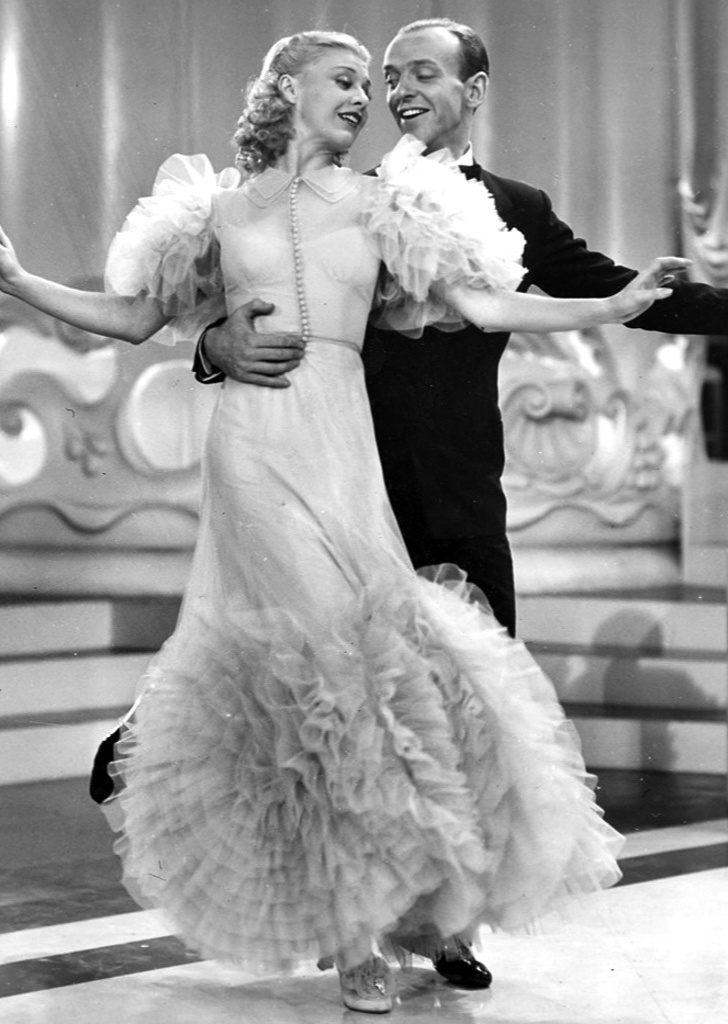
Fred Astaire and Ginger Rogers
Unknown artist
public_domain
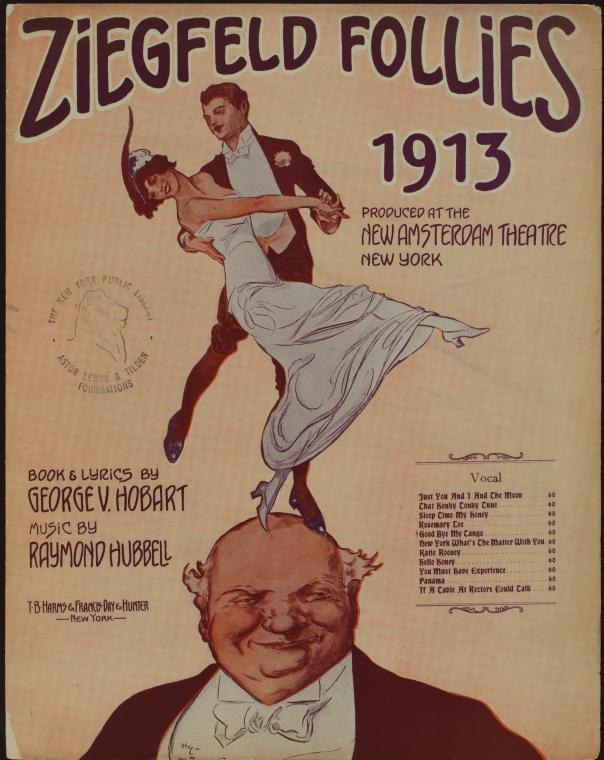
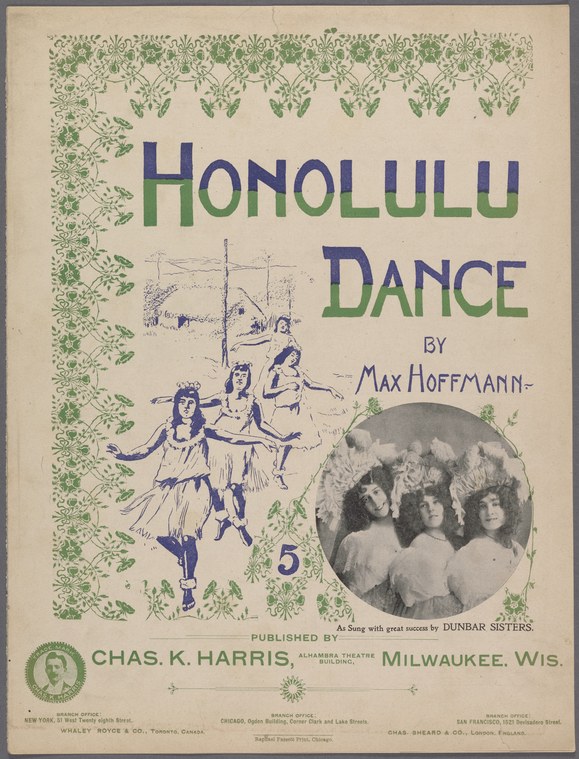
Honolulu dance
Unknown artist
public_domain
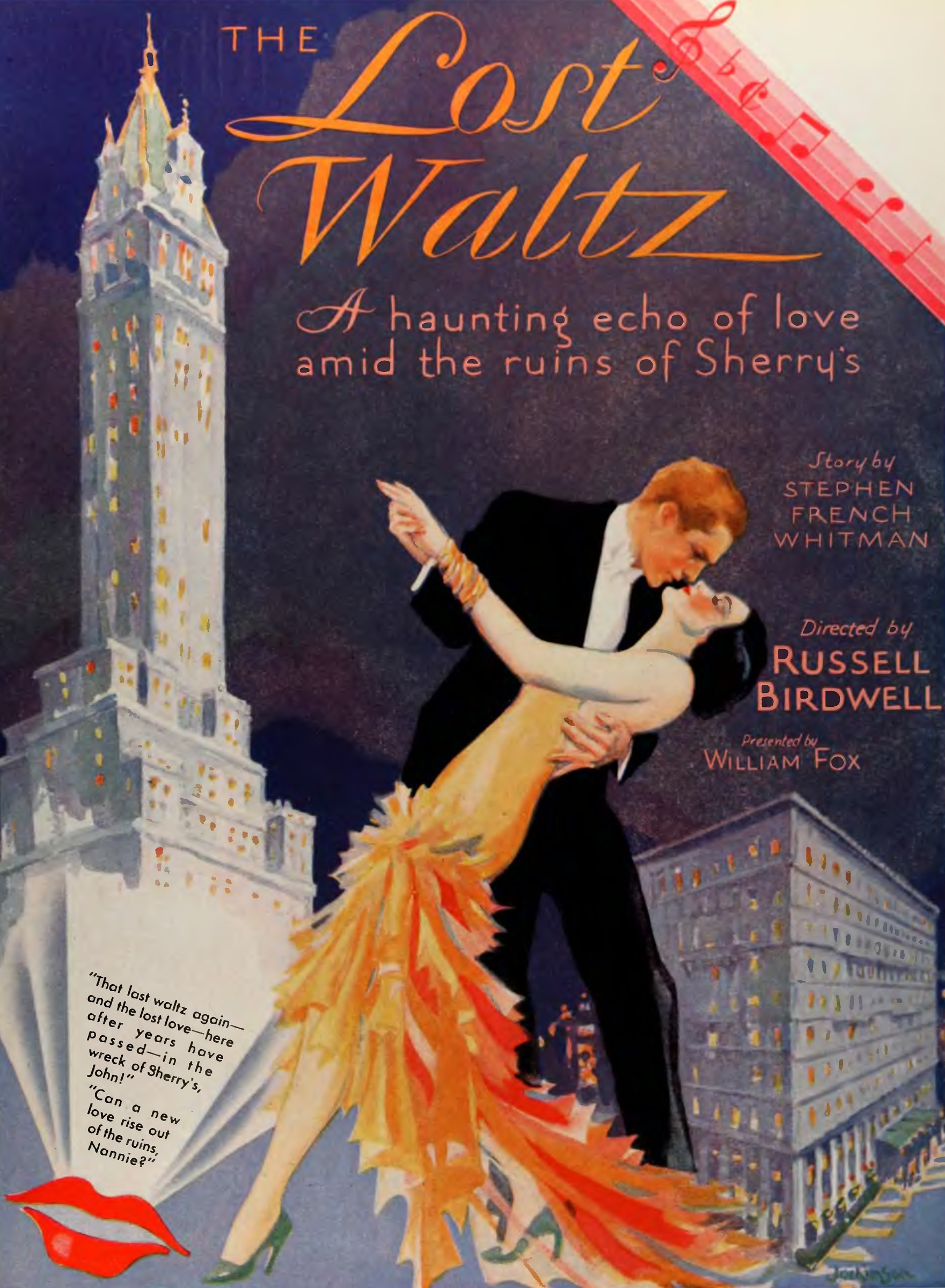
The Lost Waltz ad in The Film Daily, Jan-Jun 1929 (page 1479 crop)
New York, Wid's Films and Film Folks, Inc. · 1929
Public Domain
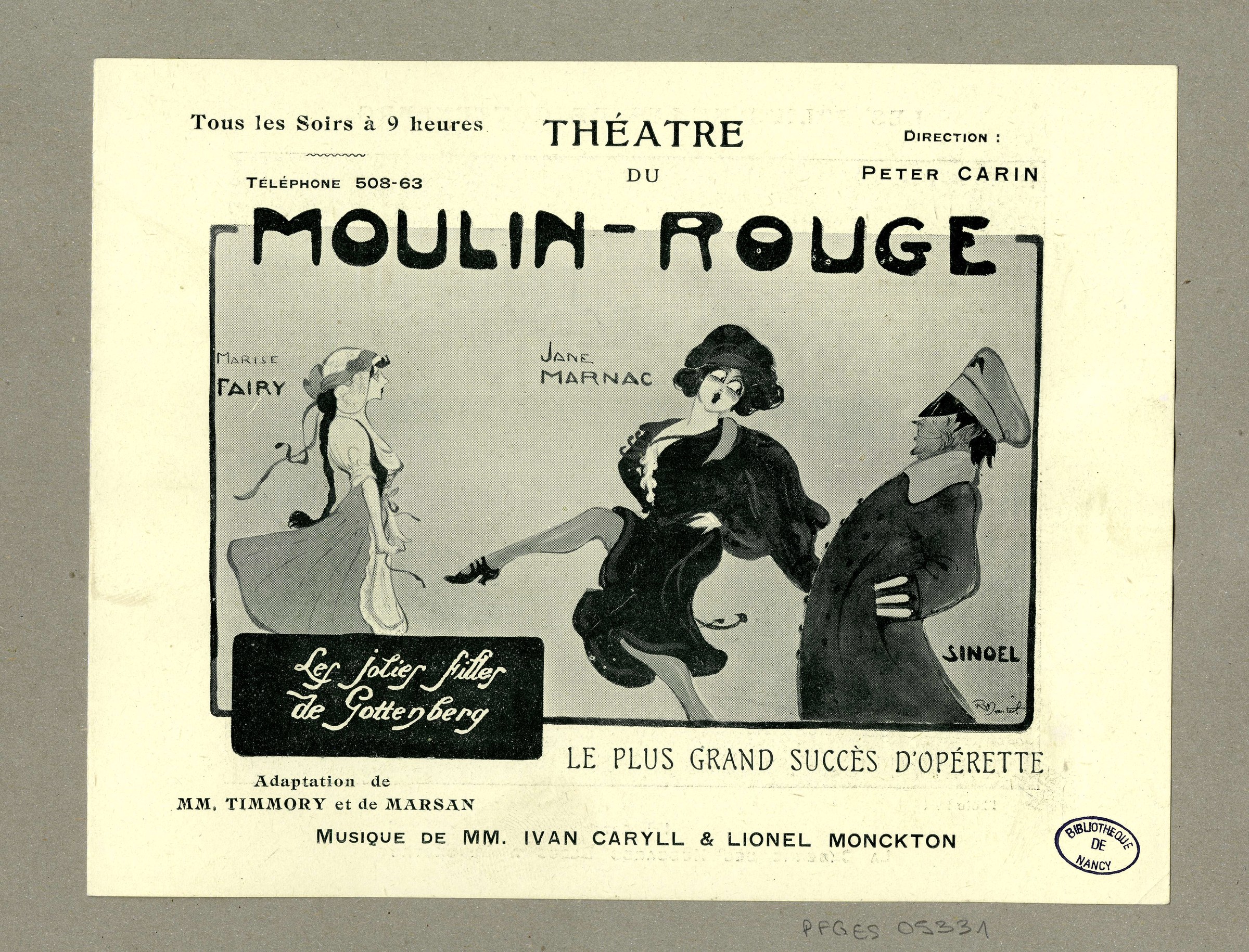
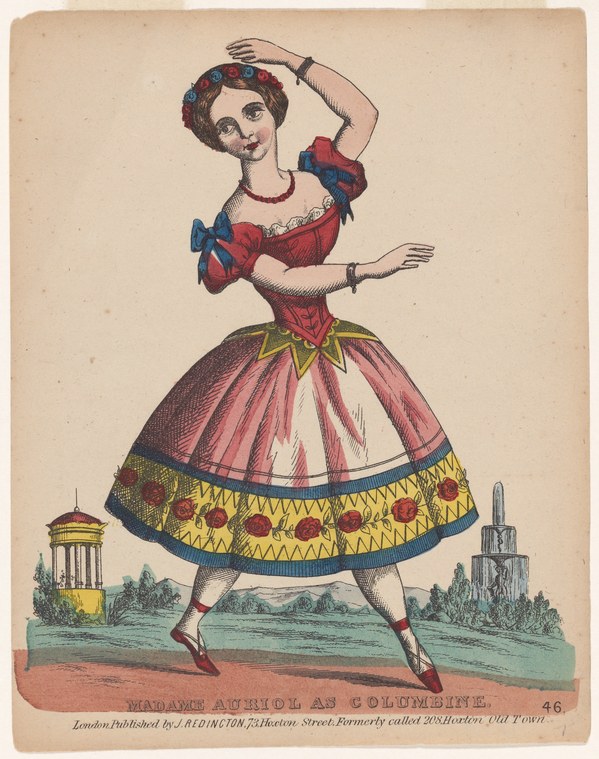
Madame Auriol as Columbine
Unknown artist
Public Domain
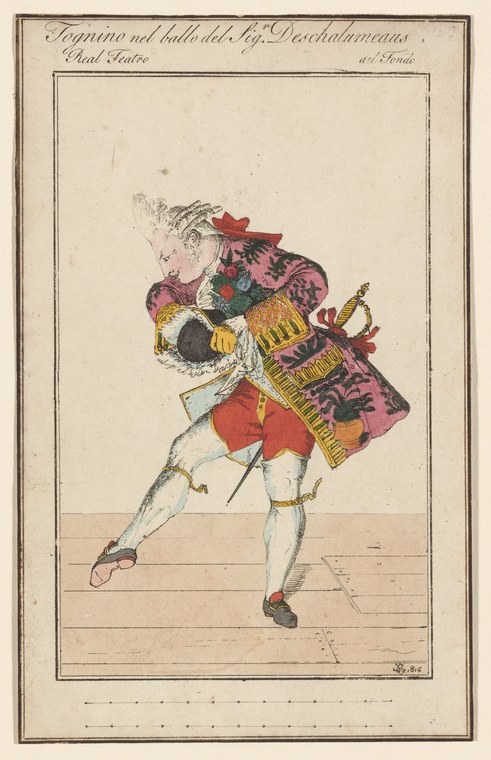
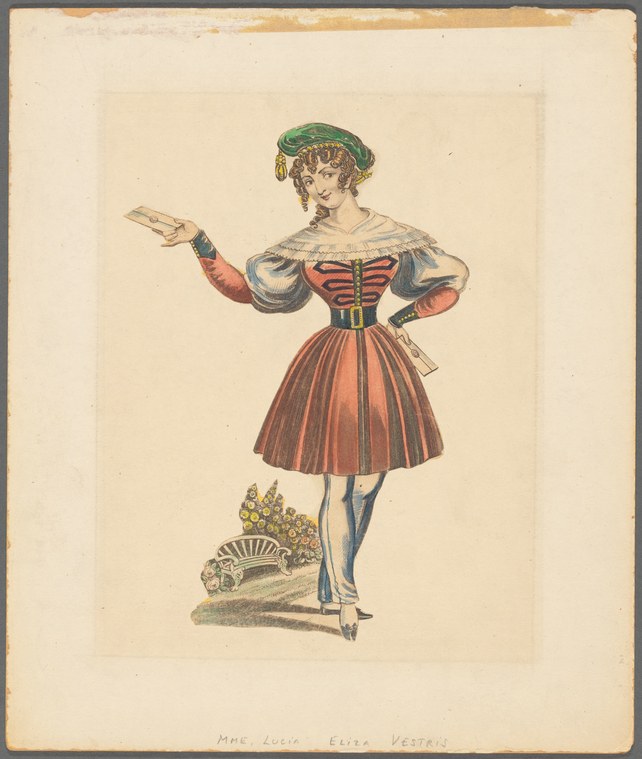
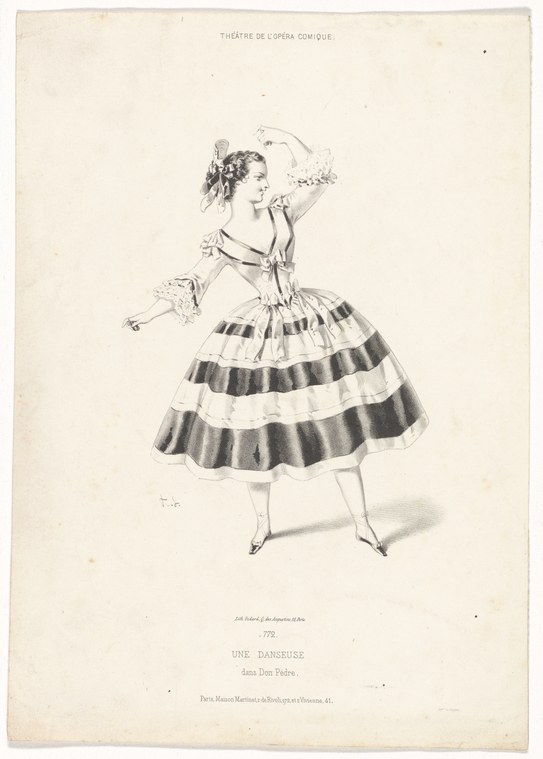
Theatrical portraits
Unknown artist
Public Domain
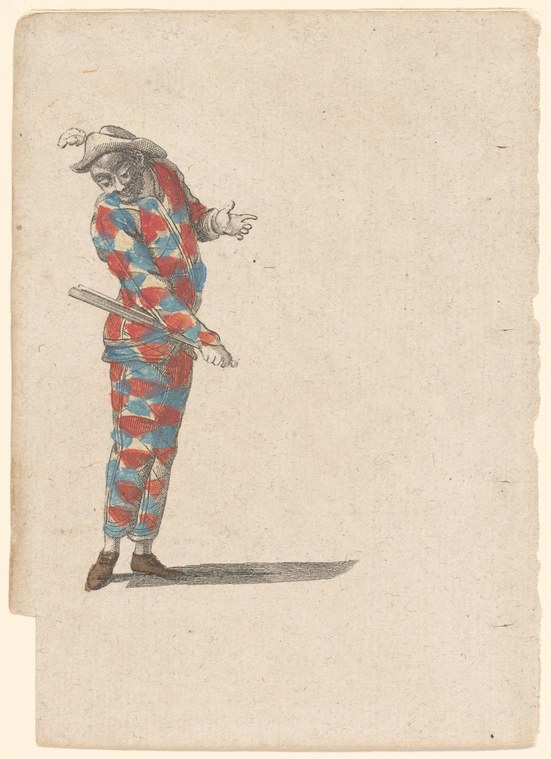
Harlequin
Unknown artist
Public Domain
Habit de masque
Unknown artist
Public Domain