Performer · Innovator · Stage Icon · Popularizer
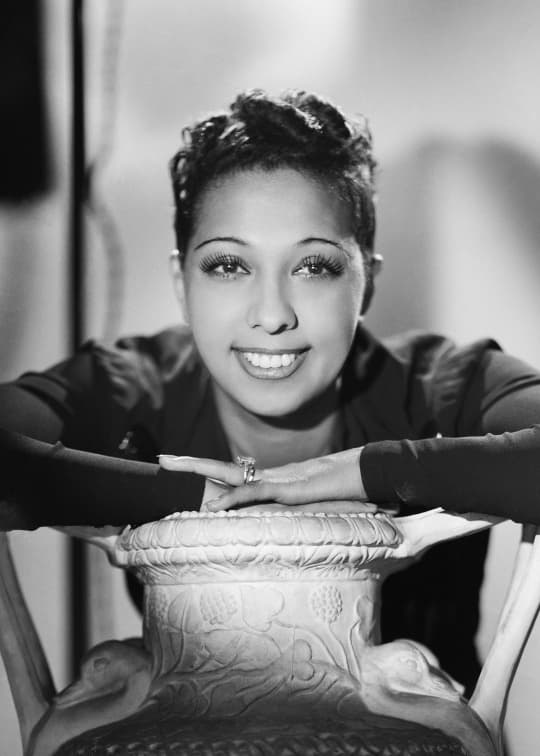
Josephine Baker
La Perle Noire
Why They Matter
She broke racial barriers in entertainment, used her fame to support the French Resistance and civil rights, and made jazz dance an international sensation.
Known For
Watch
Josephine Baker Dances, 1920s (British Pathe)
A rare official archival upload of Baker in a 1920s dance context - Black Bottom-era jazz movement, comic gesture and rhythmic footwork.
Miss Josephine Baker (1931, British Pathe)
Official archival footage preserving Baker's early-1930s music-hall stage persona.
Josephine Baker - J'ai deux amours (INA archive)
An official French archive performance of her signature song, showing her mature vocal and physical storytelling.
Josephine Baker: J'ai Deux Amours (Missouri History Museum)
A museum resource linking Baker's St. Louis origins with the signature song and her international career.
Inside Josephine Baker's Pantheon admission (Centre des monuments nationaux)
The French national monuments authority explains her symbolic Pantheon honor and legacy (her remains stay in Monaco).
Agent Josephine Baker (International Spy Museum)
Expert discussion of Baker's wartime intelligence work and the evidentiary limits of spy narratives.
Josephine Baker (1933)
British Pathé
Shows Baker after her initial Paris breakthrough as an established international star.
Joséphine Baker — La Petite tonkinoise (live officiel)
INA Chansons
Useful evidence of Baker's later performance style and a historically important but colonial-context song.
Joséphine Baker — Paris mes amours (live officiel)
INA Chansons
Illustrates Baker's relationship with Paris and her command of a concert audience.
Biography
Freda Josephine McDonald was born in St. Louis, Missouri, on June 3, 1906, and grew up amid poverty and racial segregation. She worked from childhood and found an early route toward performance in the city's theaters and street life, where timing, mimicry, comic invention and the ability to seize an audience's attention became practical tools of self-making. As a teenager she entered touring Black musical theatre, including the road company of Shuffle Along; first used as a comic chorus performer, her elastic physicality and deliberately disruptive timing made her difficult to overlook. It set a lifelong pattern - she could inhabit an assigned role while shifting its center of gravity around herself.
In 1925 she crossed the Atlantic to appear in La Revue Negre at Paris's Theatre des Champs-Elysees, dancing a Charleston-inflected solo and the duet commonly called the Danse sauvage with Joe Alex. Parisian modernism, the vogue for African American jazz, and France's own colonial fantasies all shaped the production's reception, and her speed, isolations, comedy and refusal of conventional decorum made her its sensation. The moment cannot responsibly be framed as simple European liberation: the show marketed racialized primitivist imagery even as Baker's intelligence and control let her turn caricature into command. She soon moved to the Folies Bergere, where the feathered and banana-skirt costumes bound to her legend became inseparable from the Jazz Age's visual culture - theatrical constructions of French colonial fantasy, not authentic African dance.
Baker did not remain confined to a single sensational number. By the late 1920s she was a stage and screen star whose work moved between dancing, acting, singing, fashion and celebrity self-presentation. La Sirene des tropiques (1927) built a feature-length silent film around her - a landmark early starring role for a Black woman, best stated without sweeping first claims. At the Casino de Paris in 1930 she deepened her identity as a singer, introducing songs such as J'ai deux amours, and her sound films Zouzou (1934) and Princesse Tam Tam (1935) showed how her movement, facial acting and vocal presence could carry a narrative rather than merely interrupt it.
The United States did not offer her the same freedom or acclaim; a 1936 Ziegfeld Follies return was poorly received, exposing the gulf between her European stardom and American racial attitudes. She returned to France and became a French citizen in 1937. When war came she converted international access into public service, working with French intelligence and the Resistance - gathering information in diplomatic and social settings, carrying messages concealed in musical scores and written in invisible ink, aiding resistance activity and performing for Allied troops - and later served in the women's auxiliary of the Free French Air Force with the rank of sous-lieutenant. France recognized this with the Croix de guerre, the Medaille de la Resistance and the Legion d'honneur; the details of individual missions are best left to archival scholarship rather than dramatic retelling.
After the war Baker joined artistic authority to open civil-rights advocacy. On American tours she challenged segregated accommodation and refused to perform for segregated audiences, and her 1951 dispute at New York's Stork Club became a widely reported confrontation over discrimination and institutional power - politics for which she risked engagements, reputation and personal security. On August 28, 1963, wearing her Free French uniform and medals, she spoke at the March on Washington for Jobs and Freedom, connecting the struggle against fascism abroad with the unfinished struggle against racism in the United States.
Baker also tried to make her domestic life an internationalist experiment, establishing a home at the Chateau des Milandes in southwestern France and raising twelve adopted children of different national, ethnic and religious backgrounds whom she called her Rainbow Tribe (some accounts say thirteen). The family became part of her public argument for human fellowship but placed extraordinary pressure on the children and on precarious finances, and mounting debt eventually forced her from the chateau. Her ability to animate a theatre endured: in April 1975 she opened a retrospective revue at Paris's Bobino celebrating fifty years of performance, received as a triumphant return, and days later, after a cerebral hemorrhage, she died in Paris on April 12, 1975, aged 68, and was buried in Monaco. On November 30, 2021 she was symbolically inducted into France's Pantheon - the first Black woman so honored - with soil from places central to her life placed in a cenotaph while her remains stayed in Monaco.
Career Highlights
Joined the touring company of the landmark Black musical Shuffle Along, developing her comic and rhythmic stage presence. National Women's History Museum
Became the sensation of La Revue Negre in Paris, dancing the Charleston and the Danse sauvage with Joe Alex. NMAAHC
Headlined at the Folies Bergere, where the banana-skirt costume became an enduring image of the Jazz Age. Chateau des Milandes
Starred in La Sirene des tropiques, a landmark early silent feature built around her screen presence. Museum of Modern Art
Consolidated her singing career at the Casino de Paris and introduced her signature song, J'ai deux amours. Chateau des Milandes
Starred in Zouzou, integrating song, acting and dance in one of her most important sound films. Turner Classic Movies
Starred in Princesse Tam Tam, extending her international film and musical-comedy career. NMAAHC
Became a French citizen, two years before the Second World War transformed her public role. Musee de l'Armee
Served the French Resistance and Free French cause through intelligence work, message-carrying, fundraising, troop performances and military auxiliary service. Chemins de Memoire (French Ministry of the Armed Forces)
Publicly challenged racial discrimination after the Stork Club controversy and continued refusing engagements before segregated audiences. Library of Congress
Addressed the March on Washington in her Free French uniform and decorations, linking her wartime record to the American civil-rights movement. National Park Service
Was symbolically inducted into the Pantheon, becoming the first Black woman accorded that French national honor. Centre des monuments nationaux
Gallery
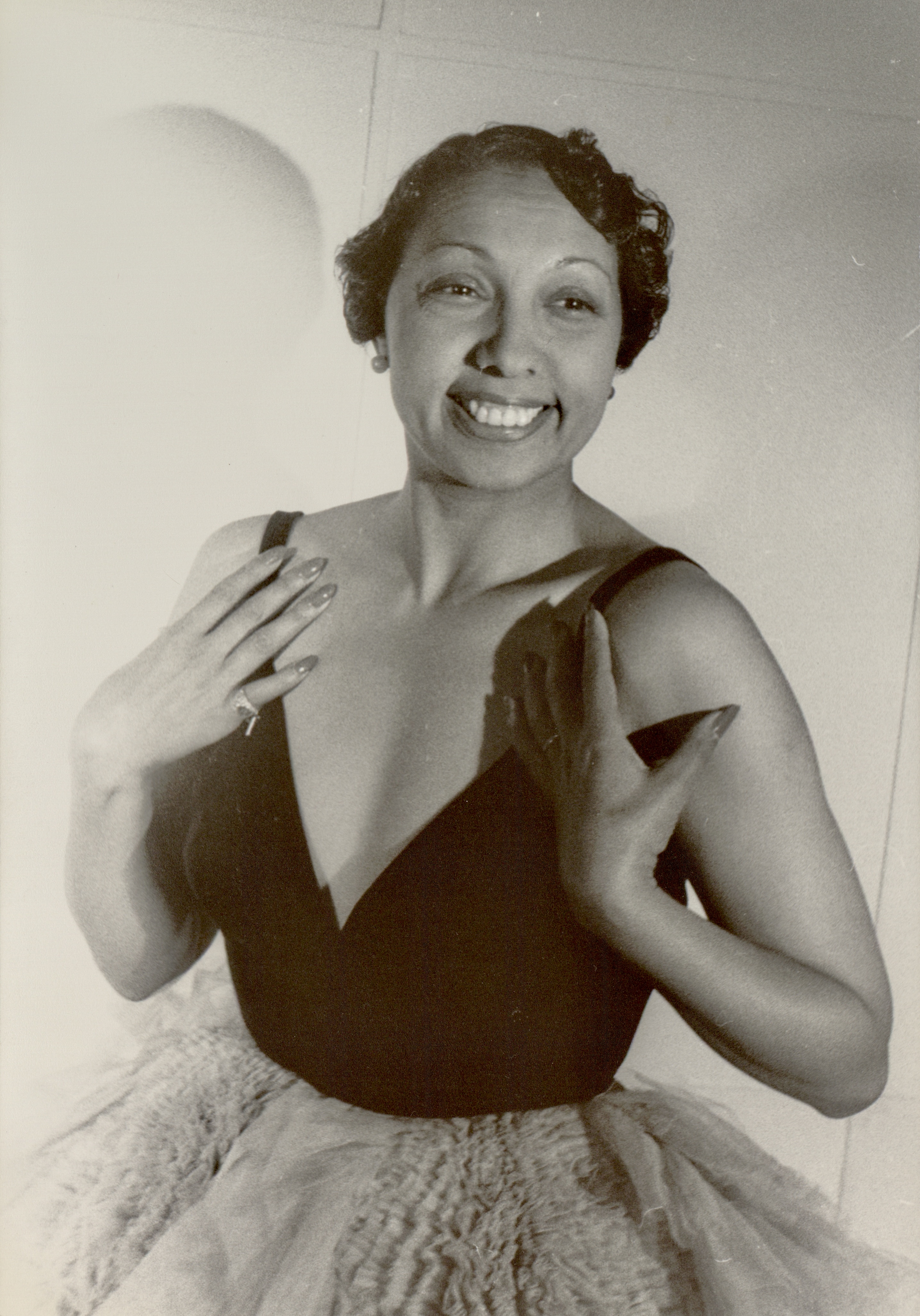
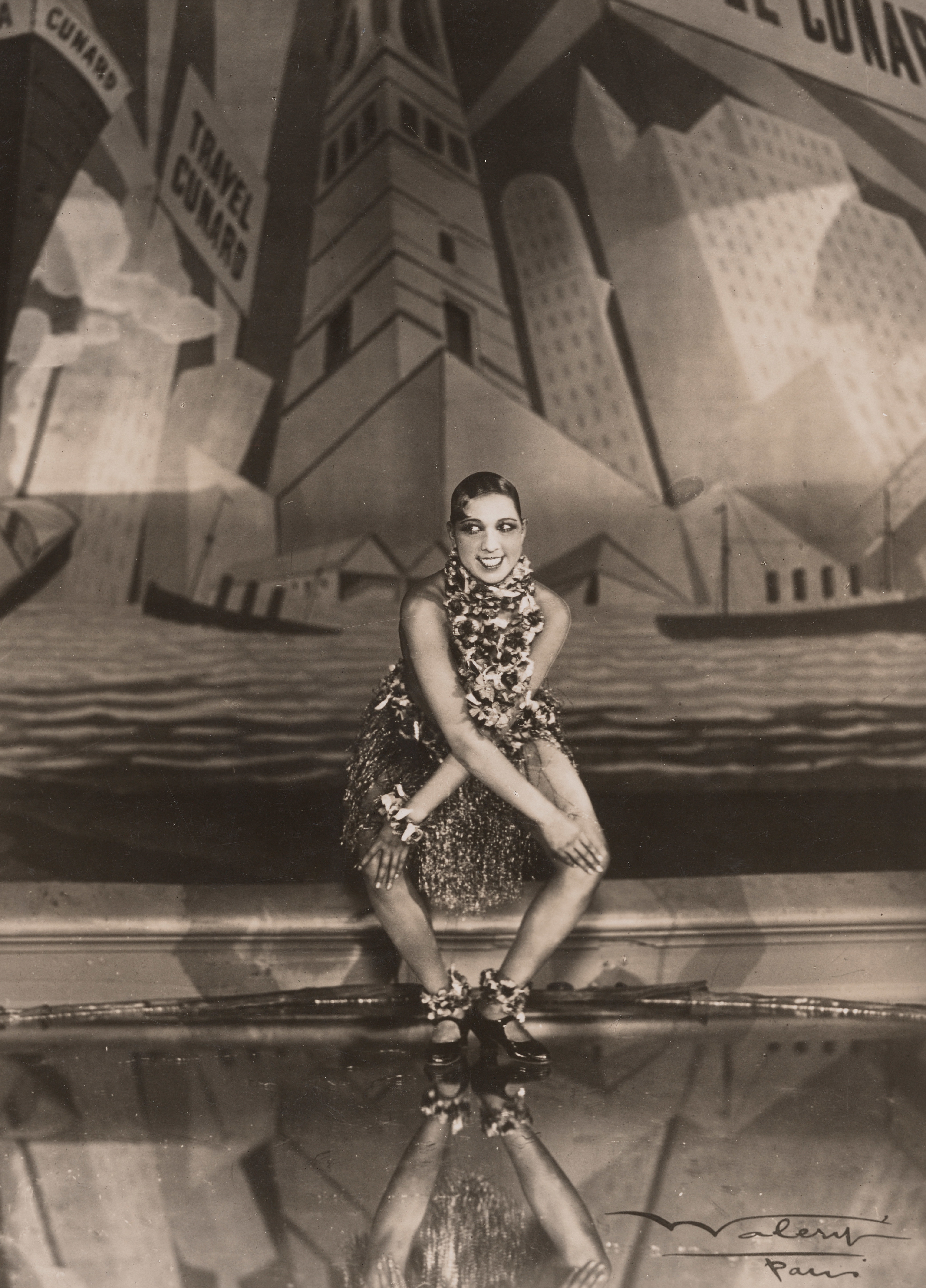
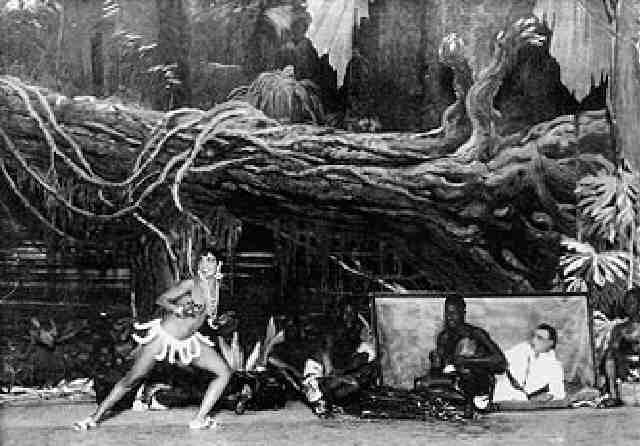
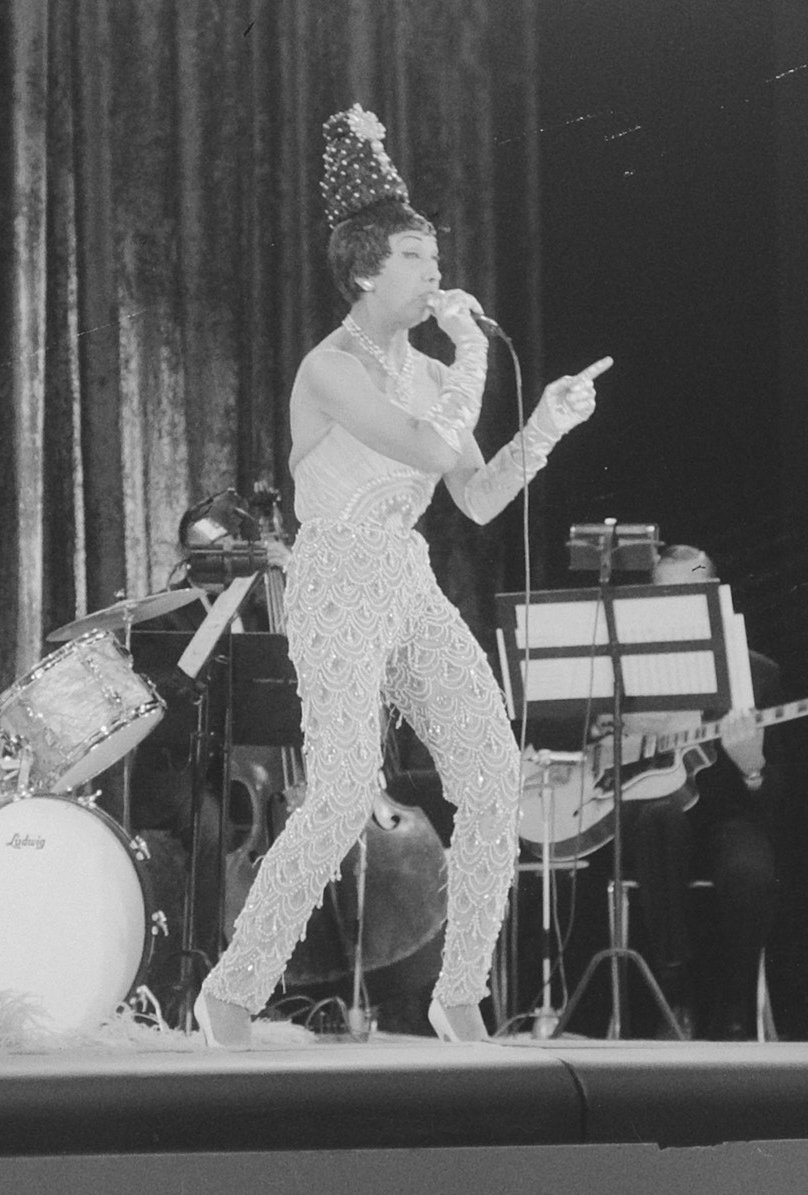
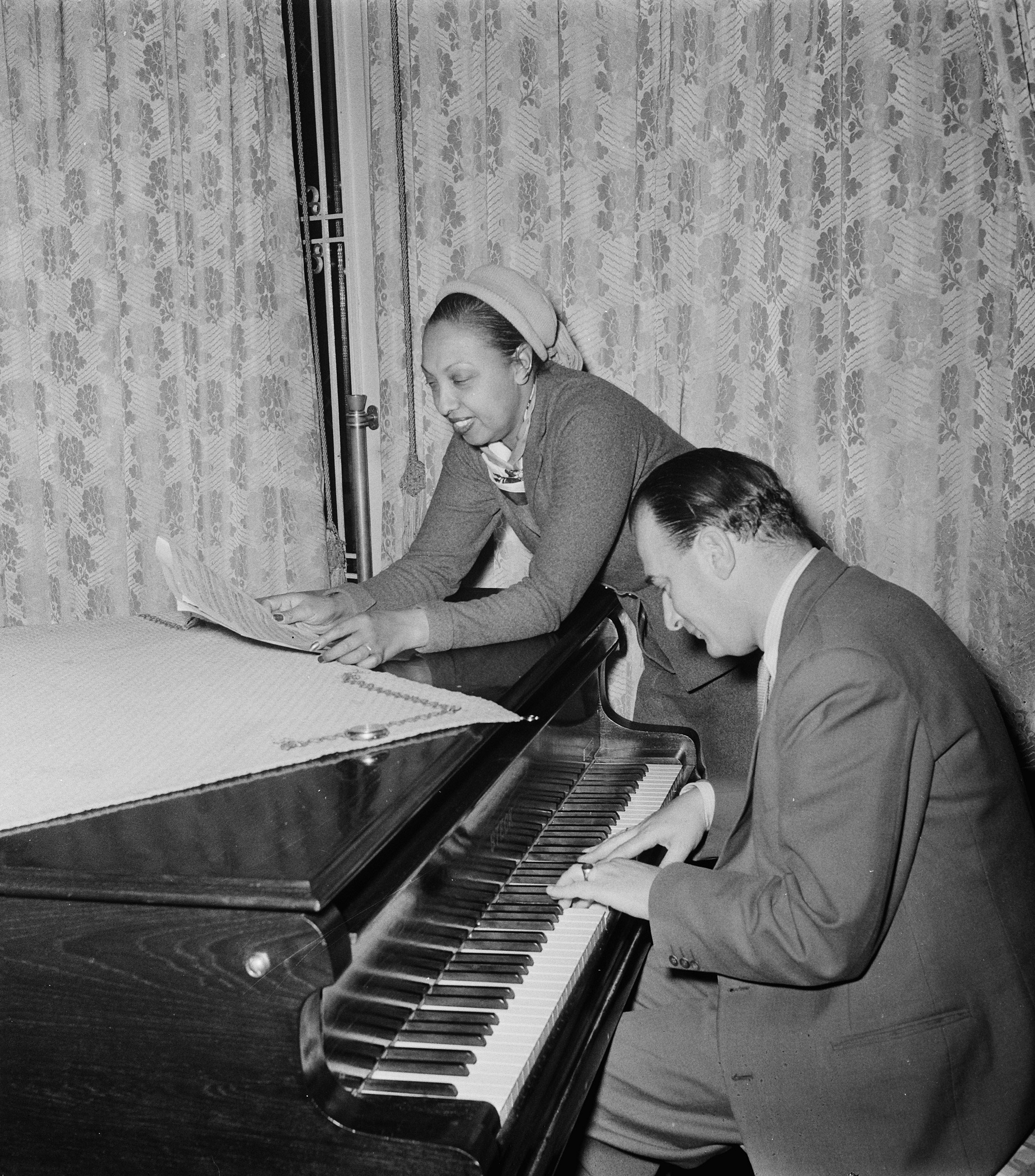
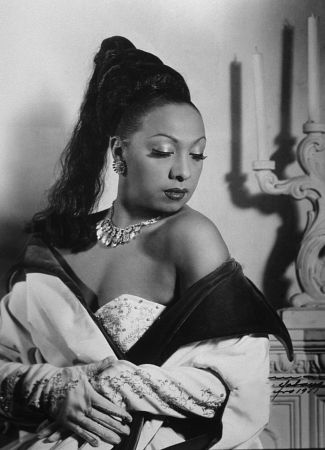
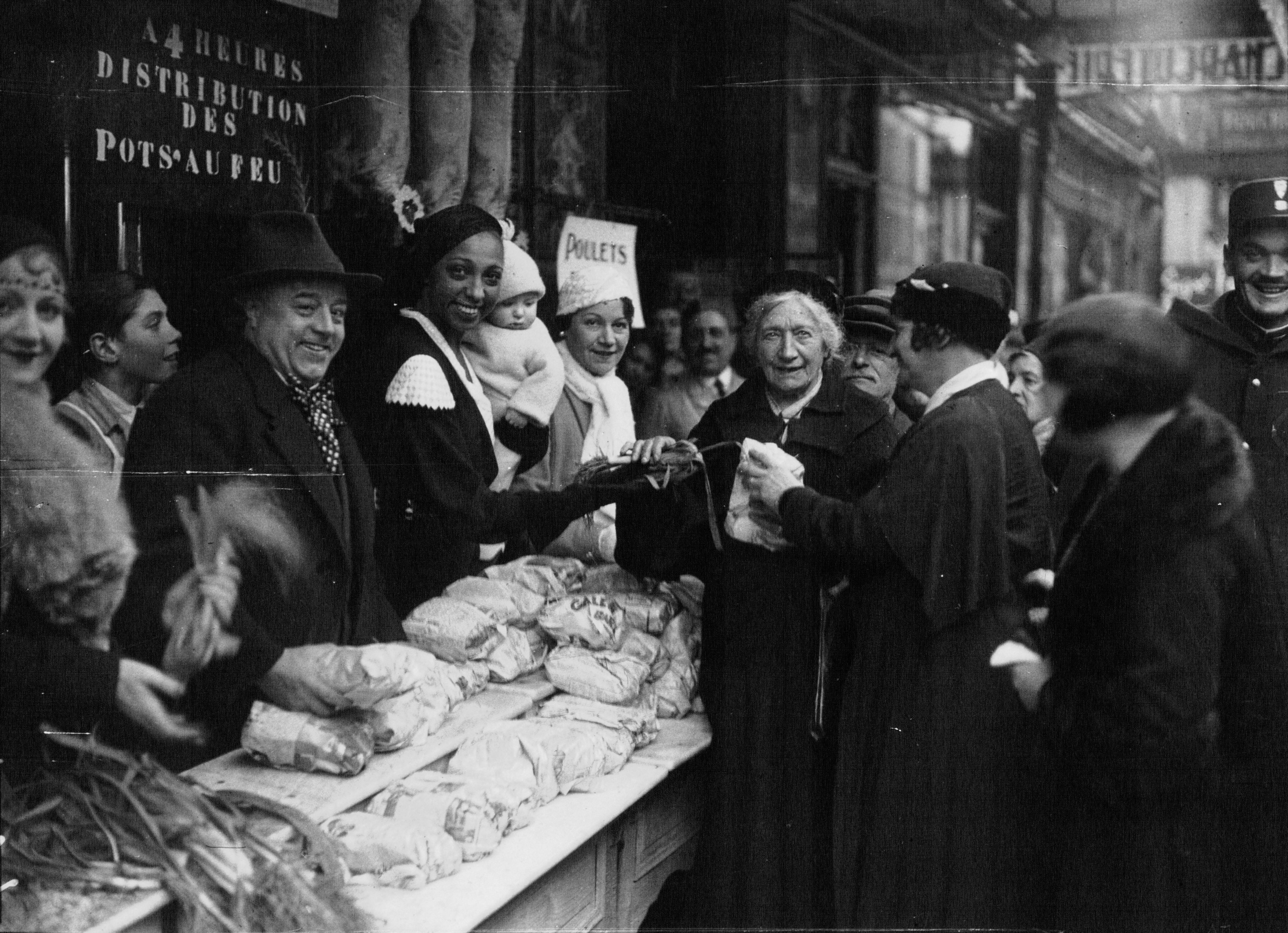
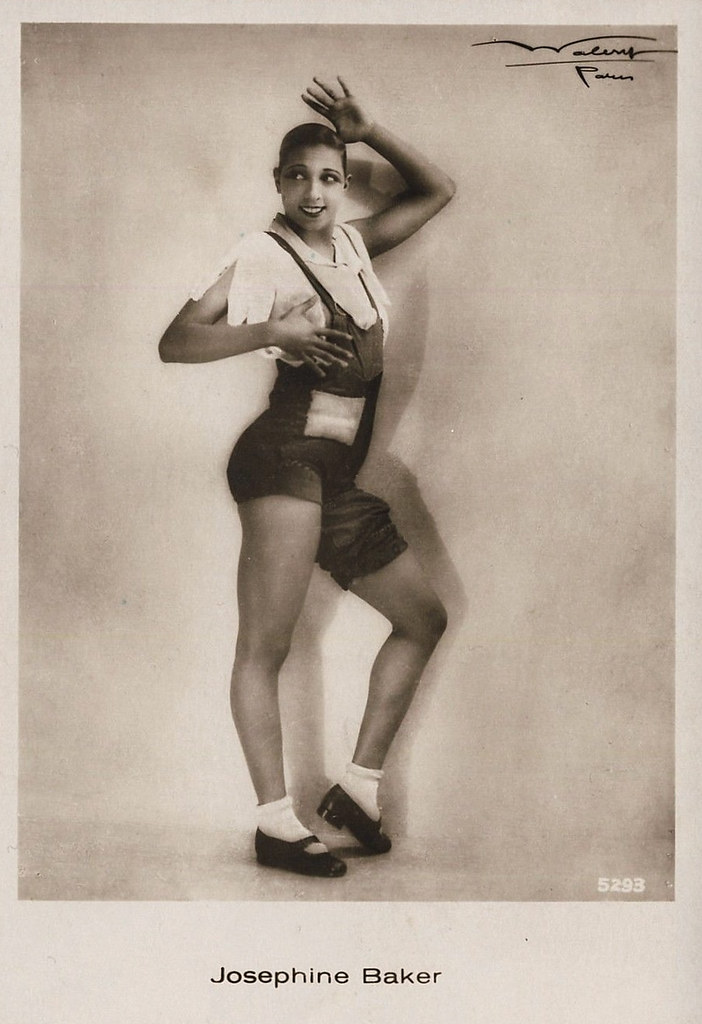
Josephine Baker on screen
Films and television featuring Josephine Baker, with the sequences we have indexed.
 This site uses TMDB and the TMDB APIs but is not endorsed, certified, or otherwise approved by TMDB.
Follow & Links
Legacy & Impact
Josephine Baker matters to dance because she understood performance as total composition: motion, rhythm, comic timing, fashion, facial expression, music, publicity and politics all belonged to the same public language. She changed what an international Black female star could look like and how much authority that star could wield, even as her career exposes the colonial gaze and racialized markets through which such visibility was negotiated. Later performers inherit both her freedom and her questions - who controls an image, whether stereotype can be strategically reversed, how a public body becomes a political voice. Her wartime and civil-rights work made celebrity answerable to citizenship and conscience, so her influence is not a single step or costume but a model of kinetic self-authorship whose brilliance becomes clearer, not smaller, when its contradictions are faced honestly.


Explore More Legends
Discover the dancers, teachers, choreographers, and cultural icons who shaped how the world moves.
Keep the thread going
Dance history, technique, and the occasional rabbit hole — in your inbox. Thoughtful, infrequent, unsubscribe anytime.
Free. No spam. One click to leave.