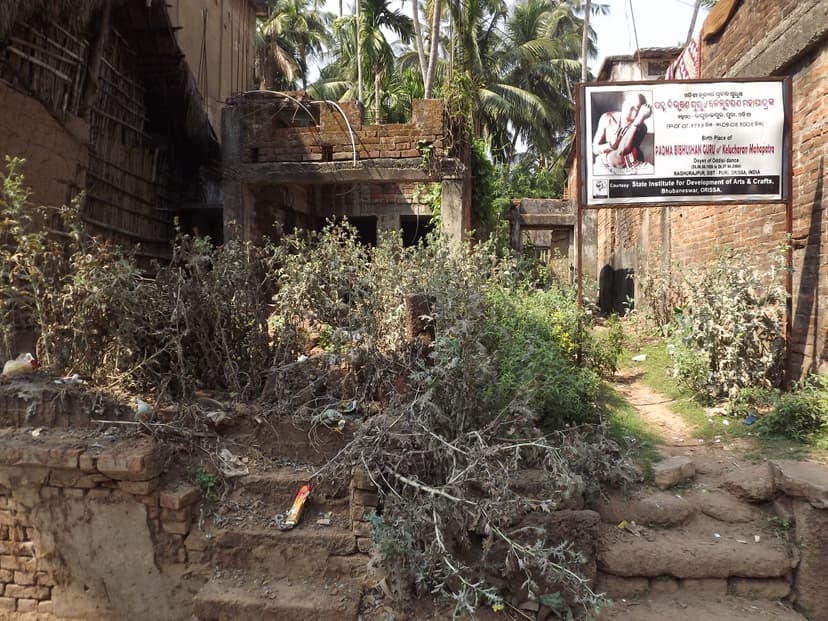
Kelucharan Mohapatra
Legend of Dance
Why They Matter
Mohapatra matters because he helped turn a group of regional performance traditions into a rigorous, transmissible concert practice without severing the form from its theatrical, devotional, literary and rhythmic sources. His influence operates through choreographies and technique, but also through
Watch
Kelucharan Mohapatra performing Odissi dance at Azad Bhavan
Prasar Bharati Archives
Public-broadcaster archival footage provides direct evidence of Mohapatra's stage presence and phrasing.
Odissi Dance | Srjan | Antardrishti 2021 | 95th Birth Anniversary
Srjan – Guru Kelucharan Mohapatra Odissi Nrityabasa
Srjan's official anniversary program documents the institutional continuation of Mohapatra's repertory and pedagogy.
Biography
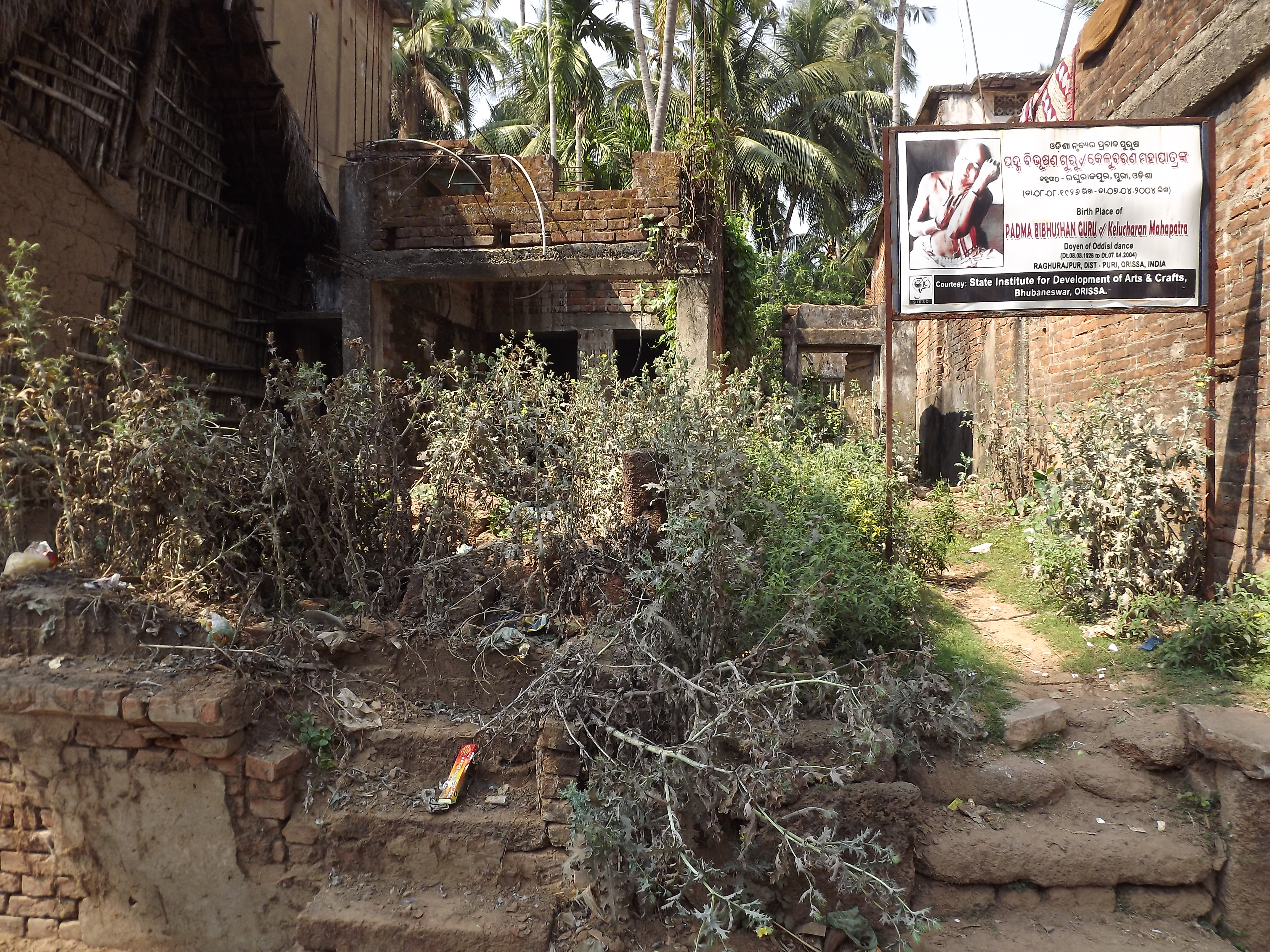
Kelucharan Mohapatra was born on 8 January 1926 in Raghurajpur, a village in Puri district, Odisha, into a family of chitrakar painters and percussionists whose visual and performance traditions shaped his artistic imagination throughout his life. As a child he watched Gotipua training and local sankirtana and jatra performances. At nine he entered Mohan Sundar Dev Goswami's Rasa Leela company, where a decade of touring taught him acting, mime, singing, make-up, stagecraft, choreography and the discipline of ensemble life.
After leaving the troupe, Mohapatra joined Kalicharan Pattnaik's theatre company in Cuttack. From 1946 to 1952 he worked with Annapurna 'B' Theatre as a dancer, percussionist, actor and choreographer. Training in mardala and tabla deepened the rhythmic intelligence that would later mark both his choreography and his teaching. A performance as Nataraja in *Devi Bhasmasura*, directed by Pankaj Charan Das, brought him greater notice; Laxmipriya, who danced Mohini in the same production, became his partner and wife.
Mohapatra also absorbed stage movement and mudra work associated with Dayal Sharan of Uday Shankar's company. After leaving the theatre, he and Laxmipriya researched the Mahari and Gotipua traditions in Puri. That study informed his early Odissi compositions, including choreography for Laxmipriya as Kalavati in *Upendra Bhanja Nataka*. His mature Odissi emerged from devotional, theatrical, sculptural, literary and rhythmic practices brought into dialogue.
In 1953 Mohapatra joined Kala Vikash Kendra in Cuttack, teaching there for fifteen years while studying temple sculpture and classical performance texts. He helped systematize a teachable stage vocabulary around foundational stances such as chowka and tribhangi, and he developed pallavis, abhinaya works and dance dramas. His expressive repertory became especially associated with character transformation and narrative detail, while his technical instruction linked torso articulation, sculptural line and rhythmic precision.
Recognition followed over several decades: the Sangeet Natak Akademi Award in 1966, Padma Shri in 1974, Padma Bhushan in 1988, Akademi Fellowship in 1991 and Padma Vibhushan in 2000. These distinctions coincided with national and international touring and with the growing visibility of pupils who adapted and transmitted his approach. Sanjukta Panigrahi, Sonal Mansingh, Madhavi Mudgal, Kumkum Mohanty, Sharon Lowen, Ratikant Mohapatra and Sujata Mohapatra are among the artists associated with his teaching.
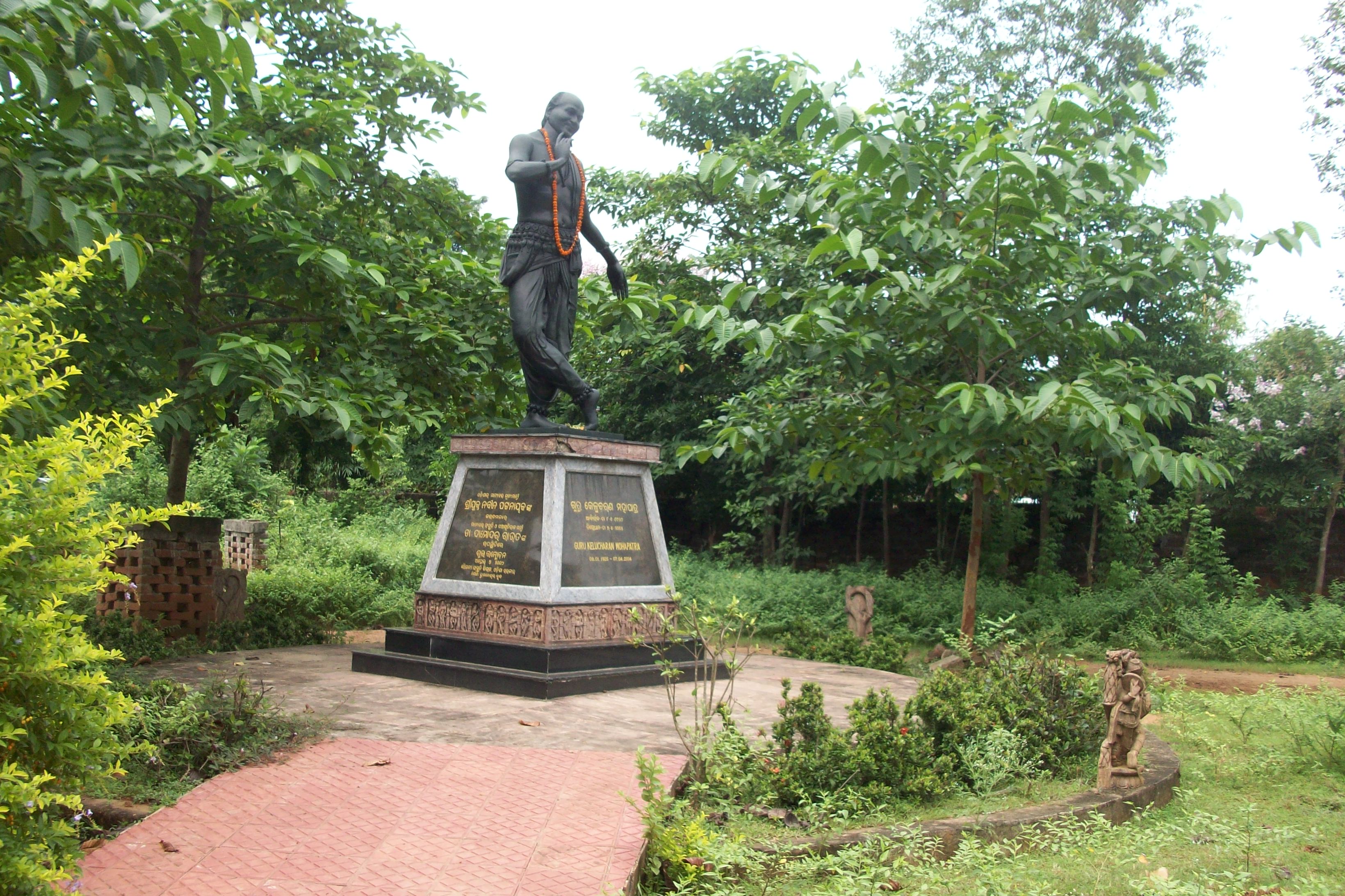
Mohapatra founded Srjan in Bhubaneswar with his family in 1993 as a centre for Odissi training, repertoire and performance. The organization continues under his son and disciple Ratikant Mohapatra. Mohapatra died in Bhubaneswar on 7 April 2004, leaving a living network of students, choreographies, pedagogical practices and institutions rather than a closed historical canon.
Career Highlights
At about nine, entered Mohan Sundar Dev Goswami's Rasa Leela company and began intensive multidisciplinary performance training. Srjan Srjan
Joined Annapurna 'B' Theatre in Cuttack, working across dance, percussion, acting and choreography. Srjan Srjan
Performed with Laxmipriya in the Dashavatara sequence of Sadhaba Jhia under theatre mentors including Pankaj Charan Das. Srjan Srjan
Joined Kala Vikash Kendra in Cuttack and began a fifteen-year teaching tenure. Sujata Mohapatra official site Sujata Mohapatra official site
Received the Sangeet Natak Akademi Award for dance. Sangeet Natak Akademi Sangeet Natak Akademi
Received the Padma Shri. Padma Awards Padma Awards
Received the Padma Bhushan. Padma Awards Padma Awards
Elected Fellow of the Sangeet Natak Akademi, the Akademi's highest honour. Sangeet Natak Akademi dance section Sangeet Natak Akademi dance section
Founded Srjan in Bhubaneswar as an Odissi training and repertory institution. Srjan official site Srjan official site
The Guru Kelucharan Mohapatra Award was established by his son and disciple Ratikant Mohapatra. Srjan award history Srjan award history
Received the Padma Vibhushan for Art–Dance. Government of India Gazette notification Government of India Gazette notification
Died in Bhubaneswar on 7 April at age 78. Narthaki obituary Narthaki obituary
Gallery
Legacy & Impact
Mohapatra matters because he helped turn a group of regional performance traditions into a rigorous, transmissible concert practice without severing the form from its theatrical, devotional, literary and rhythmic sources. His influence operates through choreographies and technique, but also through a teacher–disciple network that established Odissi worldwide. The strongest account of his legacy places him among several crucial modern shapers of Odissi—alongside performers, musicians, scholars and other gurus—while recognizing the exceptional breadth of his work as dancer, percussionist, choreographer and teacher.


Explore More Legends
Discover the dancers, teachers, choreographers, and cultural icons who shaped how the world moves.
Keep the thread going
Dance history, technique, and the occasional rabbit hole — in your inbox. Thoughtful, infrequent, unsubscribe anytime.
Free. No spam. One click to leave.