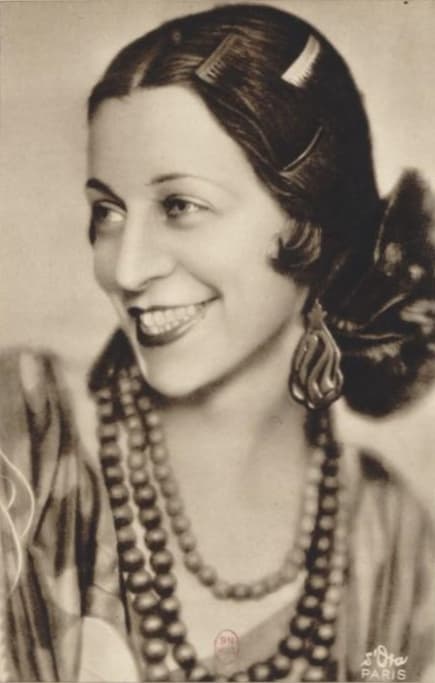
La Argentina Antonia Merce
Legend of Dance
Why They Matter
La Argentina matters because she helped move Spanish dance from music-hall novelty and folkloric display into sustained modern concert practice. Her recital repertory, castanet musicianship, composer collaborations, and Les Ballets Espagnols gave Spanish forms a prestigious international platform wi
Styles La Argentina Antonia Merce shaped
Each one links to the style’s own page — its origins, music, tempo and video.
Watch
Trazas sonoras. Las castañuelas de Antonia Mercé
Biblioteca Nacional de España
Connects Mercé's surviving castanet recordings to her musical and choreographic practice.
Presentación del epistolario de Antonia Mercé
Centro de Ciencias Humanas y Sociales, CSIC
Introduces the scholarly edition of Mercé's correspondence and supports research into her networks and career.
Spanish Ballet: How We Recreated La Argentina’s Dances · MarchVivo
MarchVivo / Fundación Juan March
Explains how current artists used archival costumes, designs, scores, and documentation to reconstruct Mercé's repertory.
Les Ballets Espagnols of La Argentina, ballets by Julián Bautista and Isaac Albéniz · MarchVivo
MarchVivo / Fundación Juan March
Provides a contemporary, research-based view of repertory associated with Les Ballets Espagnols.
Biography
Antonia Mercé y Luque, known internationally as La Argentina, was born in Buenos Aires on 4 September 1890 to Spanish professional dancers on tour. Raised in Madrid, she began dancing at four and by eleven had become première danseuse at the Madrid Opera. Her early formation joined ballet discipline to Spanish dance; after her father's death, she turned her focus toward native Spanish forms, moving through popular theatres and Parisian music halls before establishing herself on the concert stage.
Mercé's artistic identity rested on a distinctive approach to Spanish material. Rather than presenting regional dance as unaltered tradition, she selected, condensed, and theatricalized it for the concert platform. Her mature repertory drew on folklore, flamenco, eighteenth-century escuela bolera traditions, and contemporary Spanish music. She collaborated with or danced to composers including Manuel de Falla, Enrique Granados, Isaac Albéniz, Joaquín Nin, Óscar Esplá, and Ernesto Halffter. Castanets were integral to this work: surviving recordings and institutional studies document her exacting rhythmic practice and the instrument's role in her musical phrasing.
In autumn 1927, Mercé founded Les Ballets Espagnols, a company vehicle for modern Spanish repertory designed for international theatres. The French title echoed Diaghilev's Ballets Russes while asserting a distinct artistic vision. By 1929, she was recognized as the leading international exponent of Spanish dance. That year's Asian itinerary—Tokyo, Shanghai, Hong Kong, Manila, and Saigon—proved her global reach. In Manila she filmed local cariñosa material and fashioned a solo, *La Cariñosa*, which premiered at the Théâtre des Champs-Élysées in Paris in April 1929.
Her touring network remained unusually broad: documented programs place her in major European cities, Boston, Buenos Aires, Santiago, Mexico City, San Diego, San Francisco, Toronto, New York, Cairo, Tunis, and Algiers. She continued to rework and expand her repertory rather than present a fixed national image. Performances through 1935, including a 1934 London engagement, show the sustained development of her approach.
Mercé died suddenly in Bayonne on 18 July 1936. Her archive—albums, photographs, press clippings, scores, recordings, and correspondence—is preserved by the Fundación Juan March, the Bibliothèque nationale de France, the Filmoteca Española, and the New York Public Library. Her influence extended beyond Spanish concert dance: scholarship connects her 1929 Japanese performance to Kazuo Ohno's later *Admiring La Argentina*, a landmark work in butoh history.
Career Highlights
Trained in Madrid and, by age eleven, became première danseuse at the Madrid Opera. National Portrait Gallery National Portrait Gallery
Appeared at Paris's Moulin Rouge in L’Amour en Espagne, part of the music-hall period that preceded her concert-stage recognition. Encyclopaedia Britannica Encyclopaedia Britannica
Founded Les Ballets Espagnols in the autumn, establishing a company vehicle for modern Spanish repertory. Cambridge University Press Cambridge University Press
Became the subject of André Levinson's monograph La Argentina: A Study in Spanish Dancing, evidence of her central place in interwar dance criticism. Cambridge University Press Cambridge University Press
Toured Tokyo, Shanghai, Hong Kong, Manila, and Saigon with programs combining dances to Malats, Valverde, Falla, Granados, Albéniz, and Iradier. Cambridge University Press Cambridge University Press
Filmed Philippine cariñosa material in Manila and premiered her solo La Cariñosa at the Théâtre des Champs-Élysées, Paris, 23–26 April. Cambridge University Press Cambridge University Press
Presented Les Ballets Espagnols at Paris's Opéra-Comique in May–June. Cambridge University Press Cambridge University Press
Performed La Cariñosa at London's Aldwych Theatre on 11 June during a documented engagement running 11–15 June. Cambridge University Press Cambridge University Press
Programs document appearances across the Americas, including Teatro Colón, Santiago's Teatro Municipal, Mexico's Palacio de Bellas Artes, San Francisco, Toronto, and New York. Cambridge University Press Cambridge University Press
Died in Bayonne on 18 July, ending a career of roughly three decades. Fundación Juan March; Cambridge University Press Fundación Juan March
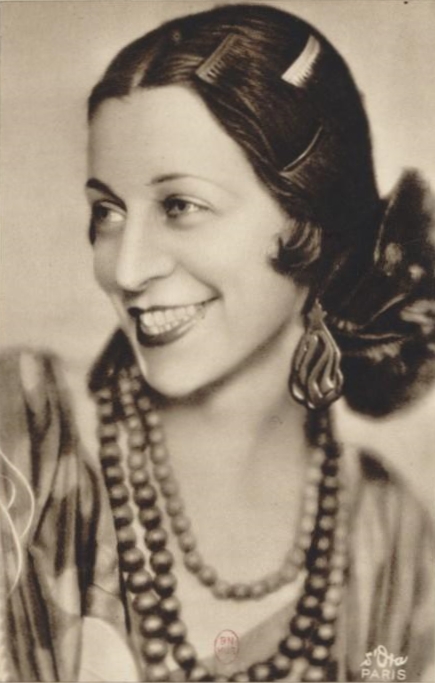
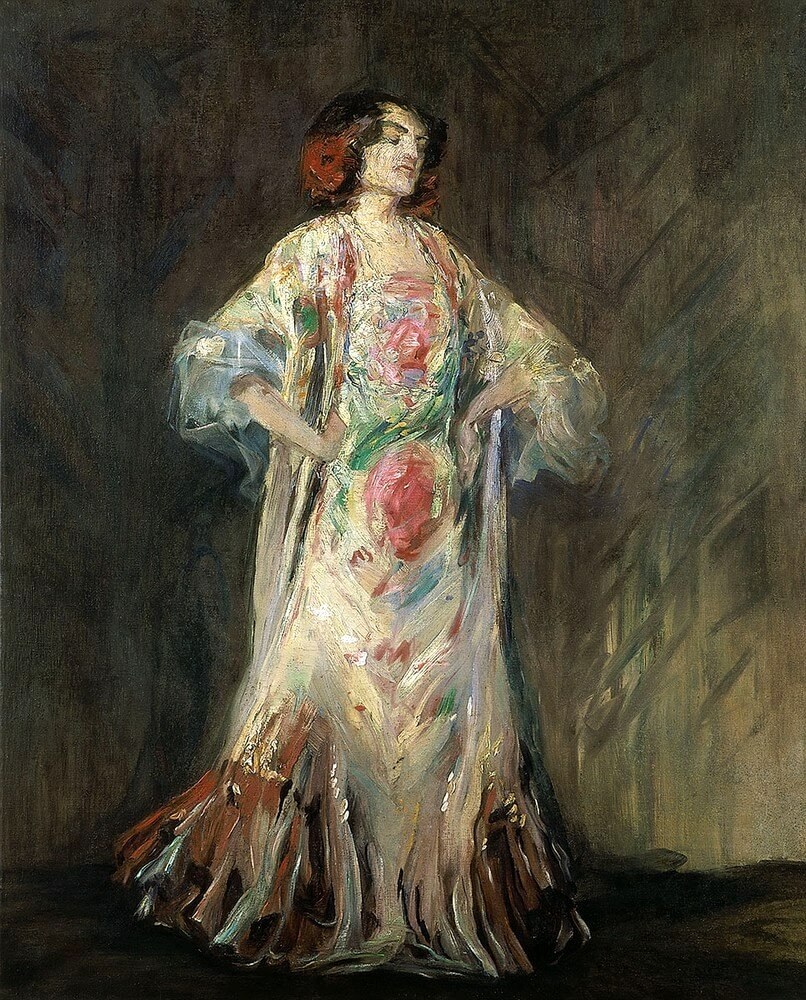
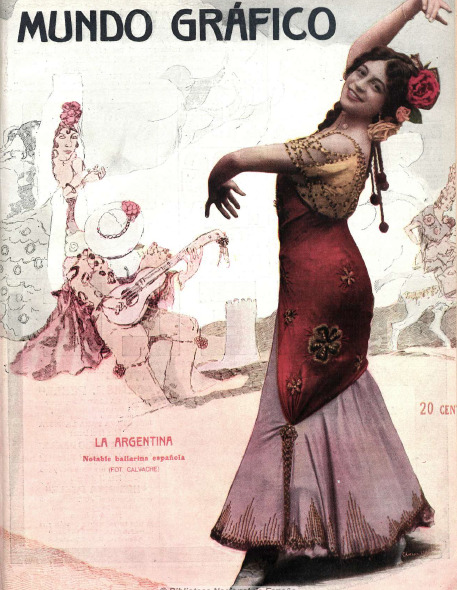
Gallery
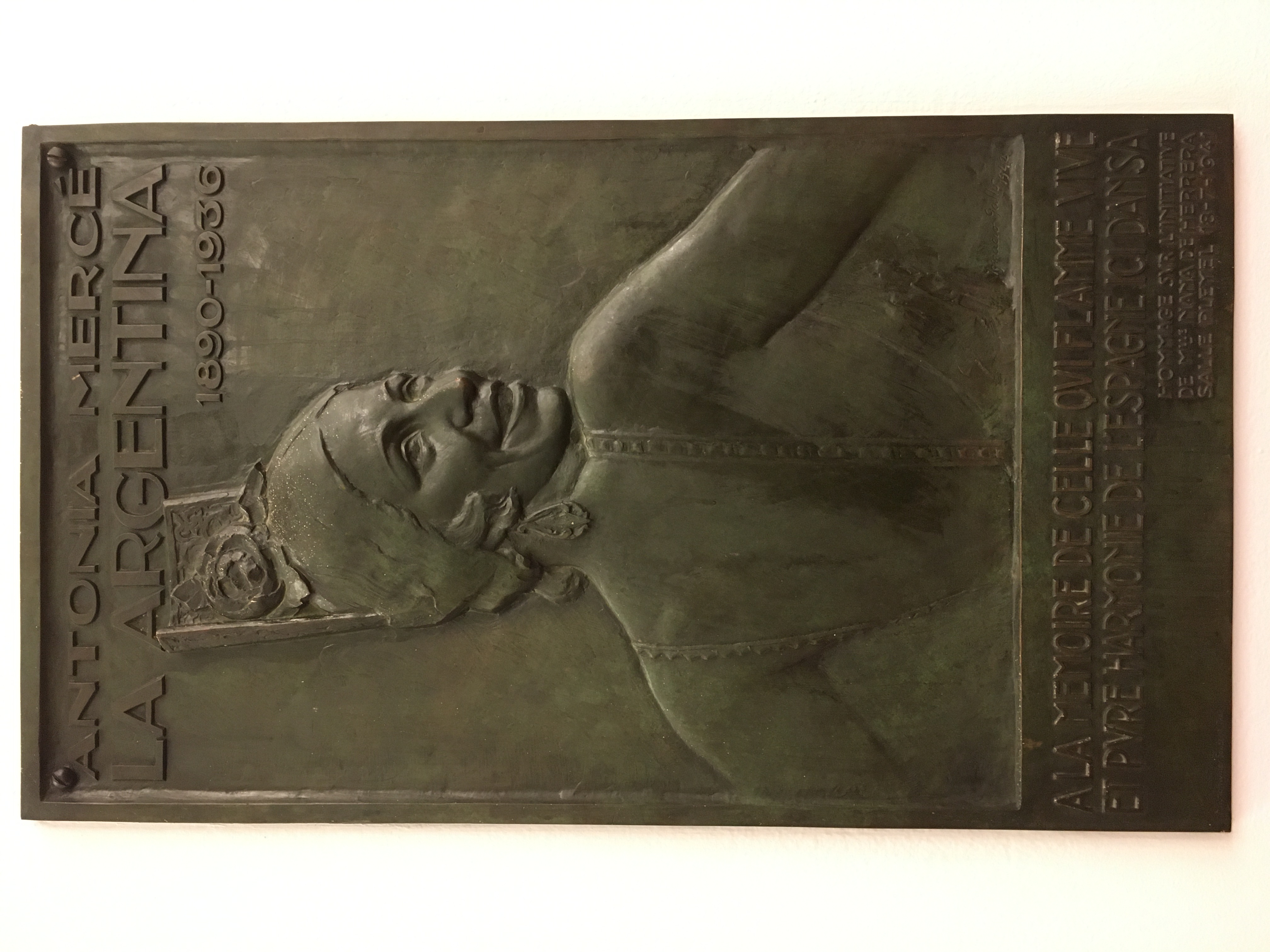
Legacy & Impact
La Argentina transformed Spanish dance from music-hall entertainment into a sustained modern concert practice. Through her recital repertory, castanet musicianship, composer collaborations, and Les Ballets Espagnols, she gave Spanish forms a prestigious international platform without simply reproducing academic ballet. Her example exposed a productive tension in twentieth-century dance: she expanded the visibility and formal possibilities of Spanish dance, while constructing a selective theatrical image that later historians examine through questions of modernism and representation.


Explore More Legends
Discover the dancers, teachers, choreographers, and cultural icons who shaped how the world moves.
Keep the thread going
Dance history, technique, and the occasional rabbit hole — in your inbox. Thoughtful, infrequent, unsubscribe anytime.
Free. No spam. One click to leave.