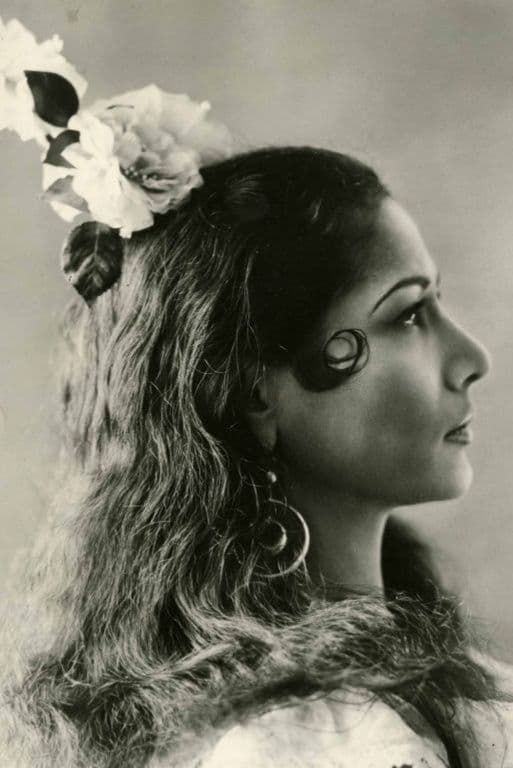
Performer · Innovator · Stage Icon
Carmen Amaya
Flamenco's Untamed Fire
Why They Matter
She broke gender conventions by dancing in pants with explosive footwork traditionally reserved for men, redefining what flamenco could be.
Watch
Carmen Amaya Read by Tanja Babich
Rebel Girls
Useful family-audience interpretation and a check on how Amaya's story is introduced to younger viewers
Biography
Carmen Amaya Amaya, widely known as Carmen Amaya and nicknamed La Capitana, was a Spanish flamenco dancer, singer, and recording artist whose rhythmic intensity, theatrical command, and international touring made her one of the twentieth century's most influential flamenco performers. Born in Somorrostro, the seaside settlement that once lined Barcelona's waterfront, Amaya came from a Gitana (Spanish Roma) family for whom performance was work, family practice, and community knowledge. Her early years remain incompletely documented—even her birth year is disputed between 1913, the date long used by institutions, and 1918, which researcher Montse Madridejos Mora argues fits surviving municipal records more accurately. She performed as a child in Barcelona taverns and small venues with her guitarist father, known as El Chino, establishing herself within flamenco's ensemble traditions of rhythmic dialogue between dancer, singer, guitar, and palmas.
By the early 1930s, Amaya was working the Barcelona and Madrid theatre circuits with growing visibility to critics and impresarios. Critic Sebastià Gasch's 1931 notice in the Barcelona weekly Mirador became an influential early description of her stage impact. Film work extended her reach beyond live flamenco venues: she appeared in *La hija de Juan Simón* (1935) and *María de la O* (1936), entering the commercial Spanish musical cinema of the period. These screen appearances are valuable historical evidence, though surviving film excerpts are shaped by camera placement, editing, narrative conventions, and studio production rather than offering unmediated access to live performance.
The Spanish Civil War redirected Amaya's career into international touring. After leaving Spain in 1936, her company travelled through Portugal and built a major following in Latin America, especially Buenos Aires. Family members and musicians travelled and performed alongside her; guitarists associated with her work included Sabicas and other leading accompanists. Extended touring developed a repertory that could function in theatres, nightclubs, film studios, and concert halls while retaining flamenco's core rhythmic dialogue. In the United States, impresario Sol Hurok presented Amaya in prestigious venues. Carnegie Hall's records document three programs in 1942: 13 January, 17 May, and 13 December, with repertory including both Spanish concert works and flamenco forms. She also appeared in Hollywood-era film productions and became a celebrity beyond specialist flamenco audiences.
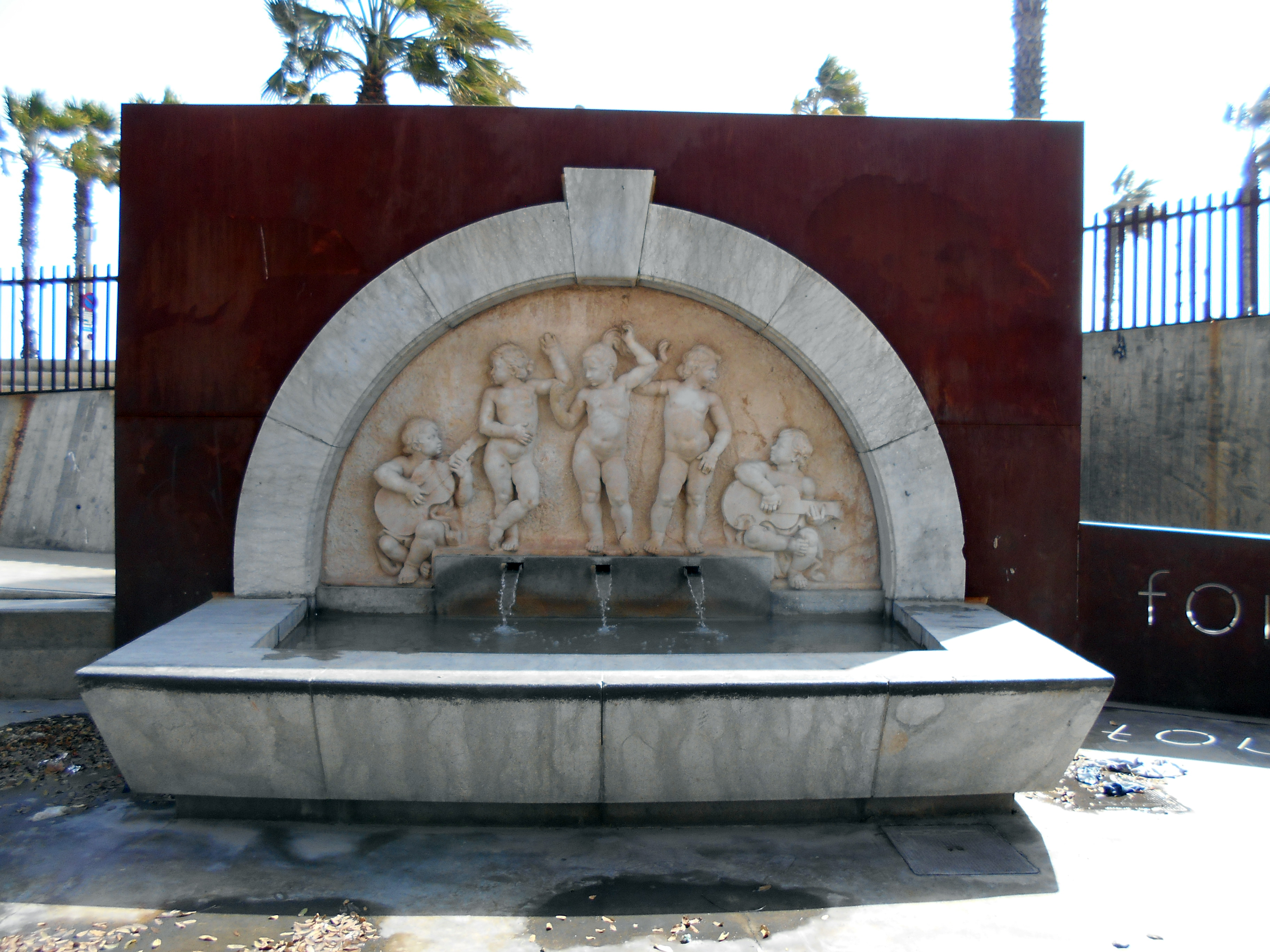
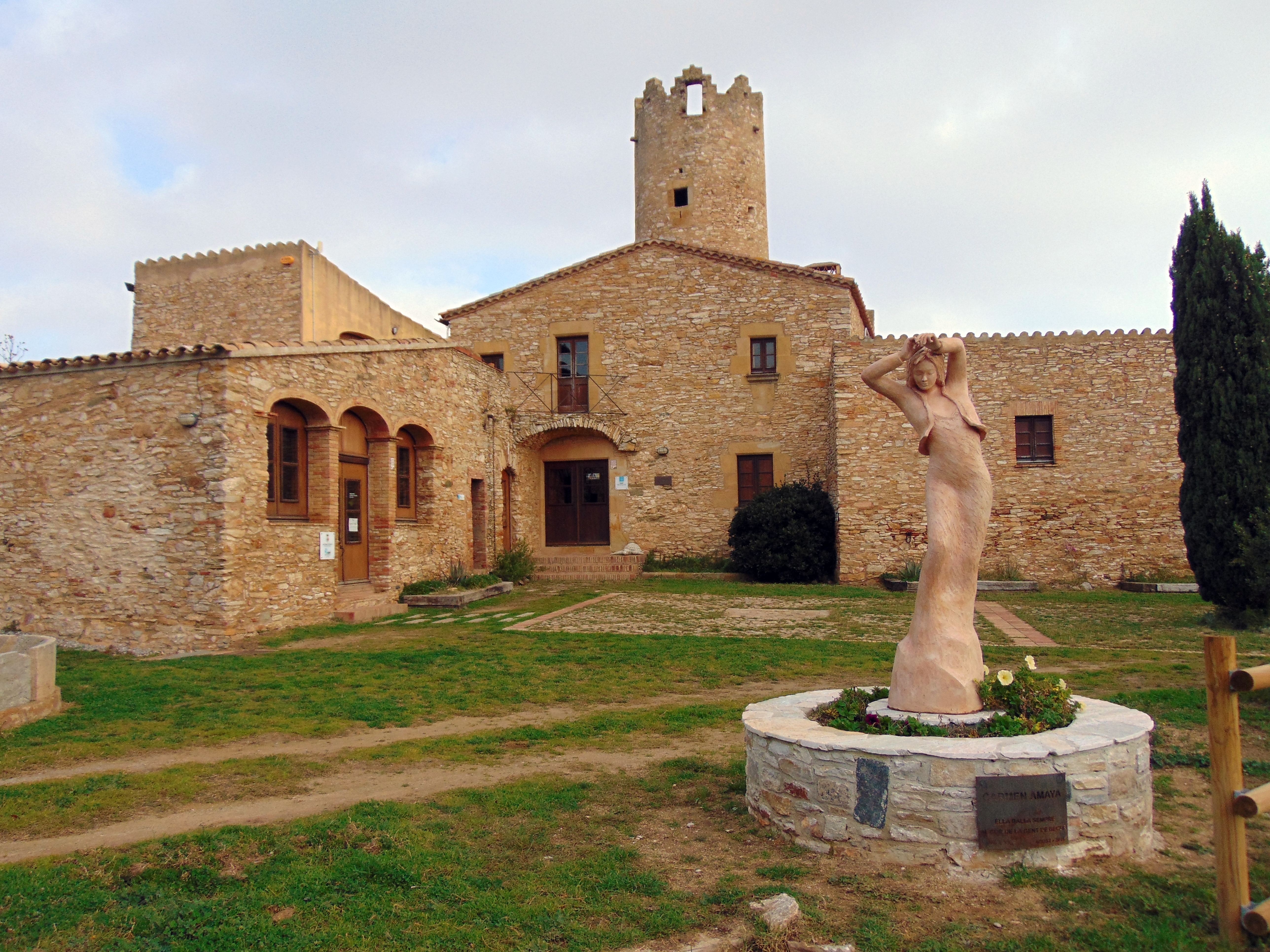
Amaya returned to Spain in 1947 with an international reputation already established and continued touring across Europe and the Americas throughout the 1950s. She married guitarist Juan Antonio Agüero in the early 1950s. Barcelona dedicated the Carmen Amaya fountain near the site of her former neighbourhood in 1959, and Begur—where she lived at Mas Pinc during her final years—claimed her as an adopted daughter. Her last film, Francisco Rovira Beleta's *Los Tarantos* (1963), placed flamenco performance inside a Barcelona Gitano adaptation of *Romeo and Juliet*, casting Amaya alongside Antonio Gades, Daniel Martín, and Sara Lezana. The film was Spain's submission for the Academy Award and received a nomination in the foreign-language category. Amaya died in Begur on 19 November 1963, only months after completing the production. Her legacy rests on surviving films, recordings, programs, reviews, family testimony, and scholarship that tests inherited anecdotes rather than merely repeating them.
Career Highlights
Performs as a child in Barcelona venues with her guitarist father; exact debut ages in later biographies depend on the disputed birth year. Visit Begur Visit Begur
Critic Sebastià Gasch publishes an influential description of Amaya in the Barcelona weekly Mirador. Madridejos Mora Madridejos Mora
Appears in the film La hija de Juan Simón, part of the screen record that helped extend her audience beyond live flamenco venues. RTVE RTVE
Appears in María de la O and leaves Civil War Spain with her company, beginning the extended Latin American phase of her career. RTVE RTVE
Carnegie Hall records three Carmen Amaya programs in its Main Hall, including 13 January, 17 May, and 13 December. Carnegie Hall Carnegie Hall
Works in U.S. theatre and film contexts and becomes a prominent international ambassador for staged flamenco. RomArchive RomArchive
Returns to Spain after her long American period and continues touring internationally. RTVE archival context RTVE archival context
Carnegie Hall’s collection records “Carmen Amaya and Company” in the Main Hall on 1 October. Carnegie Hall collection Carnegie Hall collection
Barcelona inaugurates the Carmen Amaya fountain near the site of Somorrostro. Wikimedia Commons source record Wikimedia Commons source record
The release Cantos y Bailes Flamencos is catalogued with Carmen Amaya and featured collaborators José Amaya and Paco Amaya. Apple Music metadata Apple Music metadata
Appears in Rovira Beleta’s Los Tarantos, later nominated for the Academy Award for foreign-language film. Spanish Film Academy Spanish Film Academy
Dies in Begur on 19 November; her home at Mas Pinc and later monuments become key sites of public memory. Visit Begur Visit Begur
Gallery
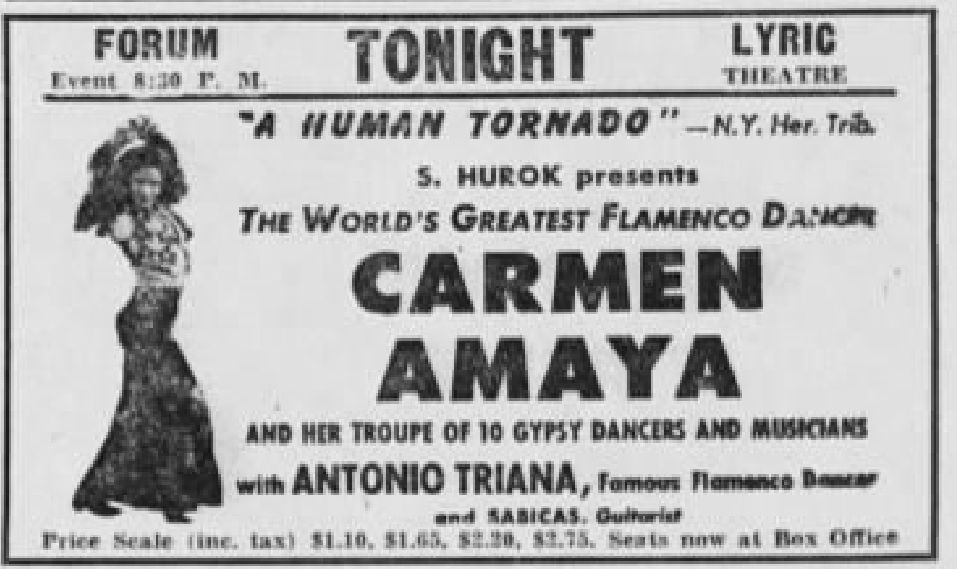
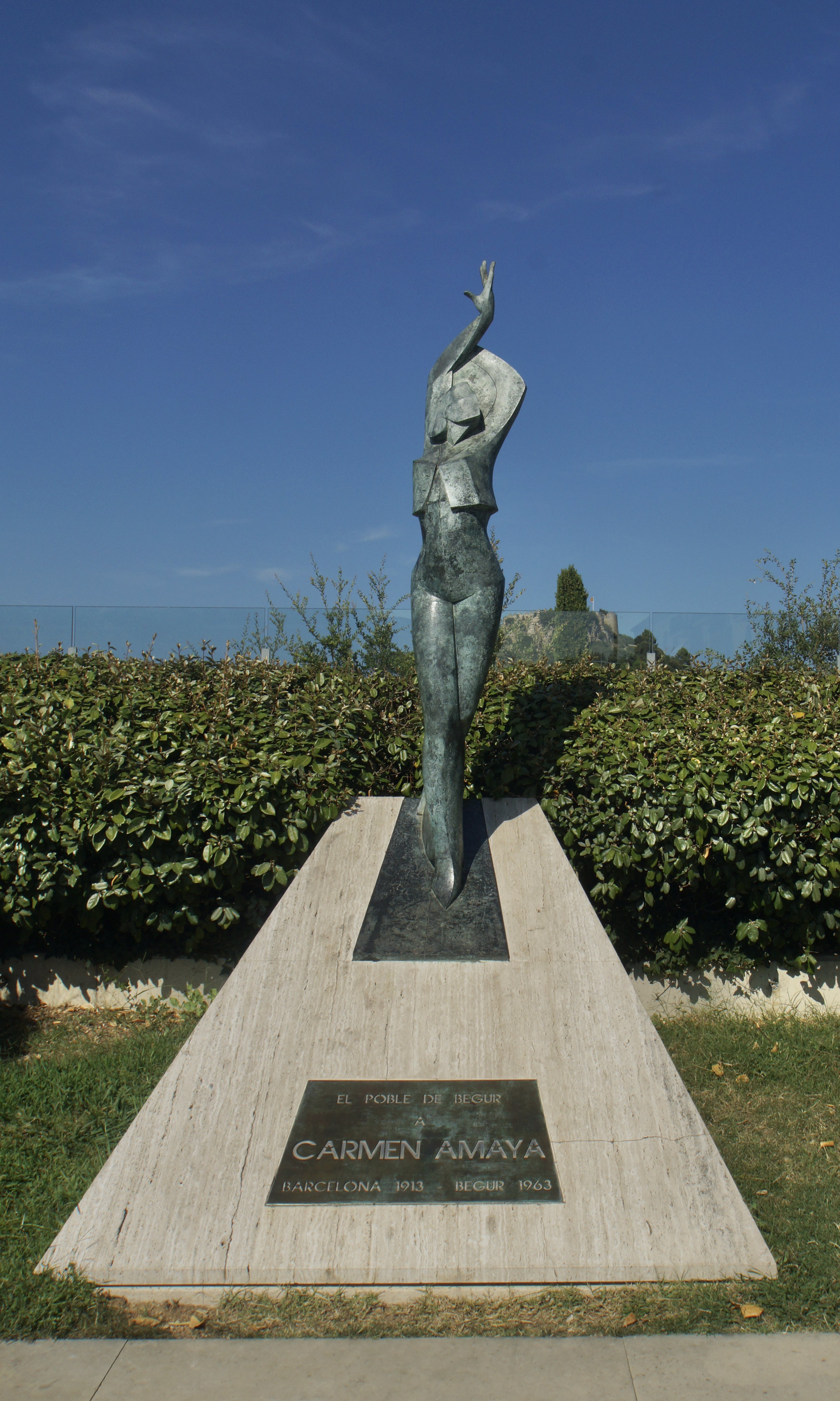
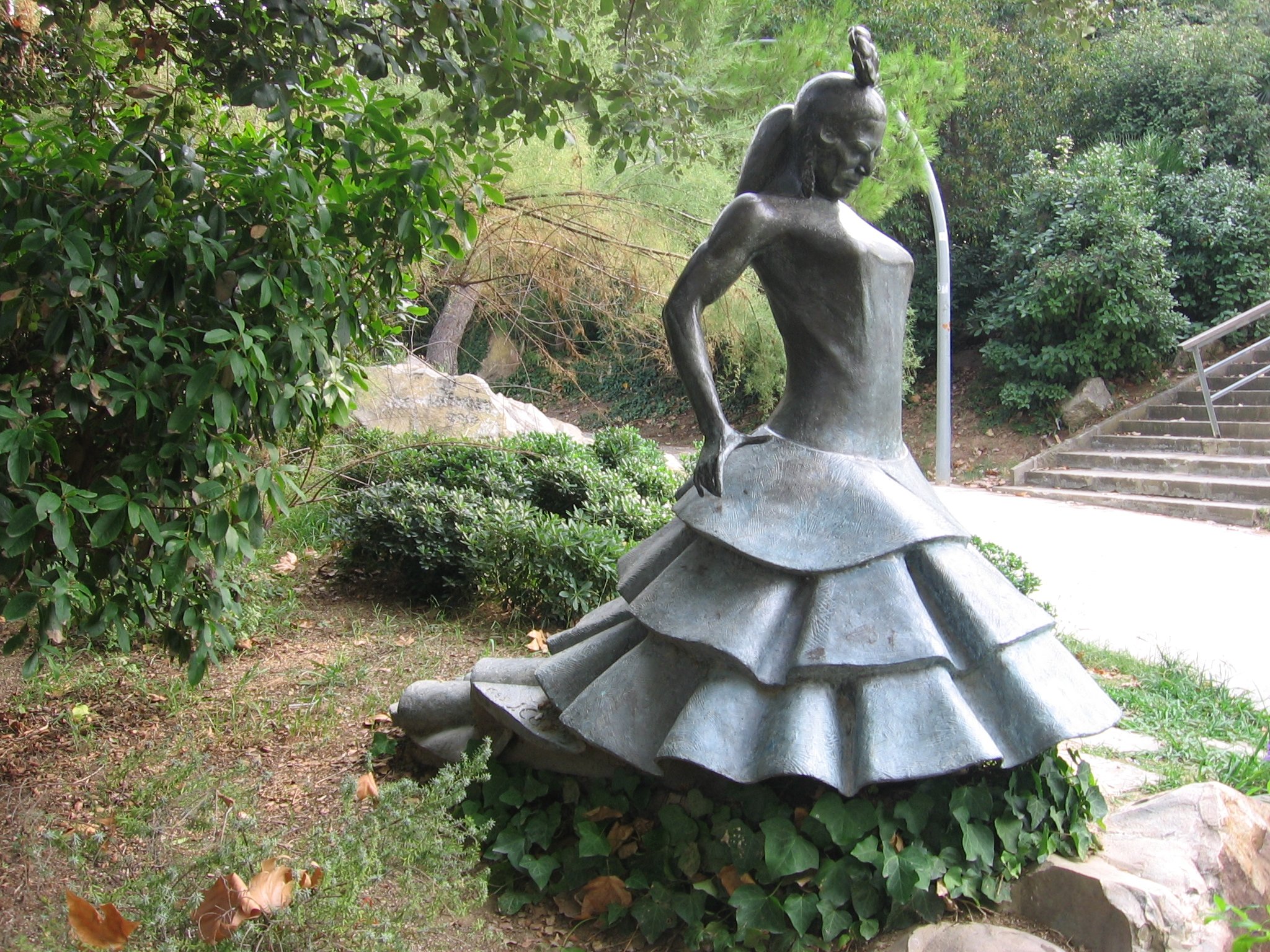
Carmen Amaya on screen
Films and television featuring Carmen Amaya, with the sequences we have indexed.
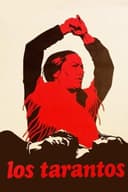
Poster artwork from TMDB.
 This site uses TMDB and the TMDB APIs but is not endorsed, certified, or otherwise approved by TMDB.
Legacy & Impact
Carmen Amaya changed the scale on which flamenco dance could circulate internationally without becoming reducible to a single crossover story. Her touring connected family-based flamenco practice to Latin American theatres, U.S. concert presentation, cinema, and European stages; her sharply articulated heelwork and rhythmic authority made the dancer an unmistakable musical protagonist within ensemble exchange; and her screen record gives later artists richly documented—if mediated—evidence of a historical performer. She also matters as a Gitana artist whose fame emerged from conditions of exclusion that later celebrity narratives can romanticize. A complete understanding holds those histories together: virtuosity and labour, individual command and ensemble practice, international celebrity and Roma cultural specificity.


Explore More Legends
Discover the dancers, teachers, choreographers, and cultural icons who shaped how the world moves.
Keep the thread going
Dance history, technique, and the occasional rabbit hole — in your inbox. Thoughtful, infrequent, unsubscribe anytime.
Free. No spam. One click to leave.