Flamenco
Flamenco is an Andalusian performing art fusing cante (song), baile (dance) and toque (guitar), developed substantially by Gitano (Romani) families alongside Andalusian, Morisco, Sephardic and Latin American influences. UNESCO inscribed it on the Representative List of the Intangible Cultural Heritage of Humanity in 2010.
13 dance styles in this genre
Historical Origins
The word flamenco appears in Jose Cadalso's Cartas Marruecas, written around 1774, and is used for a musical genre in an 1847 article in El Espectador that describes it as gitano. The art crystallised among Andalusian Gitanos (Calé Romani) living under legal persecution, including the Gran Redada de Gitanos of 30 July 1749, when King Ferdinand VI and the Marques de la Ensenada had roughly nine thousand Roma seized; the last prisoners were pardoned only in 1763. Whether flamenco is primarily a Gitano creation (gitanismo) or a broader Andalusian working-class synthesis (andalucismo) remains genuinely unresolved among scholars; both positions are argued from the same thin documentary record.
Cultural Significance
UNESCO inscribed flamenco on the Representative List of the Intangible Cultural Heritage of Humanity in 2010 (Decision 5.COM 6.39), noting that transmission runs through family dynasties, Gitano social groups and peñas flamencas, and that it functions as a badge of identity for many communities. That transmission is literal: the Ortega, Amaya, Montoya and Habichuela families carry repertoire across four and five generations. Flamenco is also a record of exclusion. Israel Galvan's Lo Real (2013) confronted the Nazi genocide of Roma directly. Celebrating flamenco without naming Gitano authorship, and the persecution that shaped it, empties the form of its history.
Musical Characteristics
Repertoire is organised into palos: song-forms defined by compás (rhythmic cycle), tonality, characteristic melodic motifs and stanza type. Three compás families dominate. The 12-beat amalgam of soleá, alegrías, bulerías and seguiriya alternates 6/8 and 3/4 bars, with soleá accenting 3, 6, 8, 10 and 12 and seguiriya displacing that same cycle. The 4-beat family covers tangos, tientos, farruca and rumba. Cante libre — taranta, granaína, malagueña, fandangos naturales — abandons metre entirely. Compás is carried by palmas (hand-clapping, sordas or fuertes), pitos, cajón and the dancer's feet, while jaleo — encouraging shouts of olé, vamos, agua — marks the phrasing.
Core Movement Principles
Baile is overwhelmingly solo and improvisational within a shared compás contract. The upper body works through braceo (arm carriage) and floreo (wrist and finger rotation) over a lifted, arched torso; the lower body works through zapateado, striking with planta, tacón, punta and golpe. Dancers mark quietly (marcaje) until a llamada — a rhythmic call — cues the singer or guitarist to change section, and close phrases with a remate or a stamped desplante. The escobilla is the extended footwork passage. Women may command a bata de cola or mantón; the danced line is vertical, weighted and grounded rather than elevated.
Modern Usage
Flamenco lives in tablaos, peñas, juergas, conservatoires and international festivals. The Bienal de Flamenco de Sevilla, founded in 1980, and the Festival Internacional del Cante de las Minas in La Unión, running annually since 1961, anchor the professional calendar. Since Paco de Lucía and Camarón de la Isla reopened the form in the 1970s, companies led by Sara Baras, Israel Galván, Rocío Molina and Farruquito have pushed baile into contemporary theatre while family transmission continues in Seville, Jerez and Granada. Flamenco is now taught worldwide, with large communities in Japan, Mexico, the United States and the Netherlands.
Dance Styles
Soleá
Also known as: Soleares, Soledad, Soleá grande
The grave 12-beat palo often called the mother of flamenco, danced with contained weight, deliberate braceo and sudden explosive remates that cut against its slow compás.
Alegrías
Also known as: Cantiñas, Alegrías de Cádiz, Romeras, Mirabrás, Caracoles
The bright major-key 12-beat palo from Cádiz, the most formally structured flamenco dance, moving through salida, paseo, silencio, castellana, escobilla and bulerías de cierre.
Bulerías
Also known as: Bulería, Bulerías de Jerez, Fin de fiesta
The fastest 12-beat palo, born among Jerez Gitano families as a runaway ending to soleares and alegrías and now the standard festive closer of any flamenco gathering.
Seguiriya
Also known as: Siguiriya, Siguiriyas, Seguiriyas gitanas, Playeras
The deepest form of cante jondo, a 12-beat palo whose accent pattern displaces the soleá cycle, danced as a slow ceremonial lament of grief, imprisonment and death.
Tangos Flamencos
Also known as: Tangos, Tango andaluz, Tangos de Triana, Tangos de Granada, Tangos extremeños
The core 4-beat flamenco palo, earthy and hip-driven, entirely unrelated to Argentine Tango despite the shared name and a common nineteenth-century Atlantic ancestry.
Fandangos de Huelva
Also known as: Fandangos onubenses, Fandangos de Alosno, Fandanguillos de Huelva
The danceable, community-rooted branch of the fandango family, kept in strict triple-time compás and tied to specific Huelva villages, romerías and local festivals.
Farruca
Also known as: Farruca flamenca
A sombre 4-beat palo in A minor, traditionally the male showcase, built on sober bearing, fast turns and the most exposed zapateado in the flamenco repertoire.
Taranto
Also known as: Tarantos, Cante minero, Taranta bailable
The mining palo of Almería and the Levante, a metred cousin of the free-rhythm taranta, danced with heavy, dragging weight and a brooding minor-inflected guitar sound.
Guajira
Also known as: Guajiras, Guajira flamenca
The major-key ida y vuelta palo adapted from the Cuban punto guajiro, danced with a large Spanish fan in a languid, flirtatious 12-beat cycle.
Martinete
Also known as: Martinetes, Cante a palo seco, Cante de fragua
A cante a palo seco sung without any guitar, born in the Gitano forges and danced against hammer strokes on an anvil rather than harmony.
Zapateado
Also known as: Zapateado flamenco, Zapateado en 6/8
The purely percussive palo in 6/8, where dancer and guitarist trade a repeated melodic theme and footwork becomes the melody rather than the accompaniment.
Rumba Flamenca
Also known as: Rumba gitana, Rumba catalana, Spanish rumba
The most popular ida y vuelta palo, a 4/4 form built on a 3+3+2 tresillo that carried flamenco into mass-market pop through Catalan Gitano musicians.
Nuevo Flamenco / Flamenco Fusion
Also known as: Nuevo flamenco, Flamenco fusión, Flamenco nuevo, Contemporary flamenco
The era opened by Paco de Lucía and Camarón de la Isla in the 1970s, in which flamenco absorbed jazz, rock and Latin music and baile entered contemporary theatre.
Legends of Flamenco
Dancers, choreographers and teachers whose work shaped the styles in this genre.
Flamenco on screen
Films and television where flamenco appears, with the sequences worth watching for.
 Flamenco (1995)6 sequences indexedPetenera — Sentenciao estoy a muerte · chor. María PagésOpening Jerez buleríasFarruca · chor. Joaquín Cortés
 Los Tarantos (1963)5 sequences indexedGypsy wedding bulerías — Juana seduces RafaelJuana's reconciliation buleríasCarmen Amaya's Ritmos Amaya buleríasDuende y misterio del flamenco (1952)4 sequences indexedAlegrías of CádizMartinete before RondaSoleares at the Alhambra
 Flamenco, Flamenco (2010)4 sequences indexedAlegría — Sara BarasBulería — El CarpetaGuajira — Arcángel with Estévez, Paños and Guerrero
 La Chana (2016)4 sequences indexed2013 final seated comeback · chor. La ChanaYoung-dancer footwork lesson · chor. La ChanaArchival peak-career performances · chor. La Chana
 Blood Wedding (1981)3 sequences indexedDress rehearsal becomes the danced tragedy · chor. Antonio GadesBride and Leonardo flee the wedding · chor. Antonio GadesClimactic slow-tempo knife duel · chor. Antonio Gades
 Carmen (1983)3 sequences indexedFlamenco class: Carmen is discovered · chor. Antonio Gades; Carlos SauraTobacco-factory dance battle · chor. Antonio Gades; Carlos SauraFarruca rehearsal · chor. Antonio Gades; Carlos Saura
 Flamenco at 5:15 (1983)3 sequences indexedBulería: the festive palo · chor. Susana RobledoSeguiriya: the serious palo · chor. Susana RobledoPercussive footwork lesson · chor. Susana RobledoImpulso (2017)3 sequences indexedBlindfolded floor-hammering opening montage · chor. Rocío MolinaSeville Bienal white-gravel bata de cola performance · chor. Rocío MolinaBlack-and-red paint skirt canvas sequence · chor. Rocío Molina
 Iberia (2005)2 sequences indexedTorre Bermeja — family bulerías · chor. Antonio El PipaEl Albaicín — Sara Baras solo
 La Singla (2023)2 sequences indexedOpening teenage performanceLos Tarantos archival extractDer Dreispitz (1972)1 sequence indexedDanza del Molinero (Farruca) · chor. Antonio Ruiz Soler
Poster artwork from TMDB.
 This site uses TMDB and the TMDB APIs but is not endorsed, certified, or otherwise approved by TMDB.
Showing the 12 most-documented of 13 titles — browse the full library.
Related Genres
Flamenco FAQs
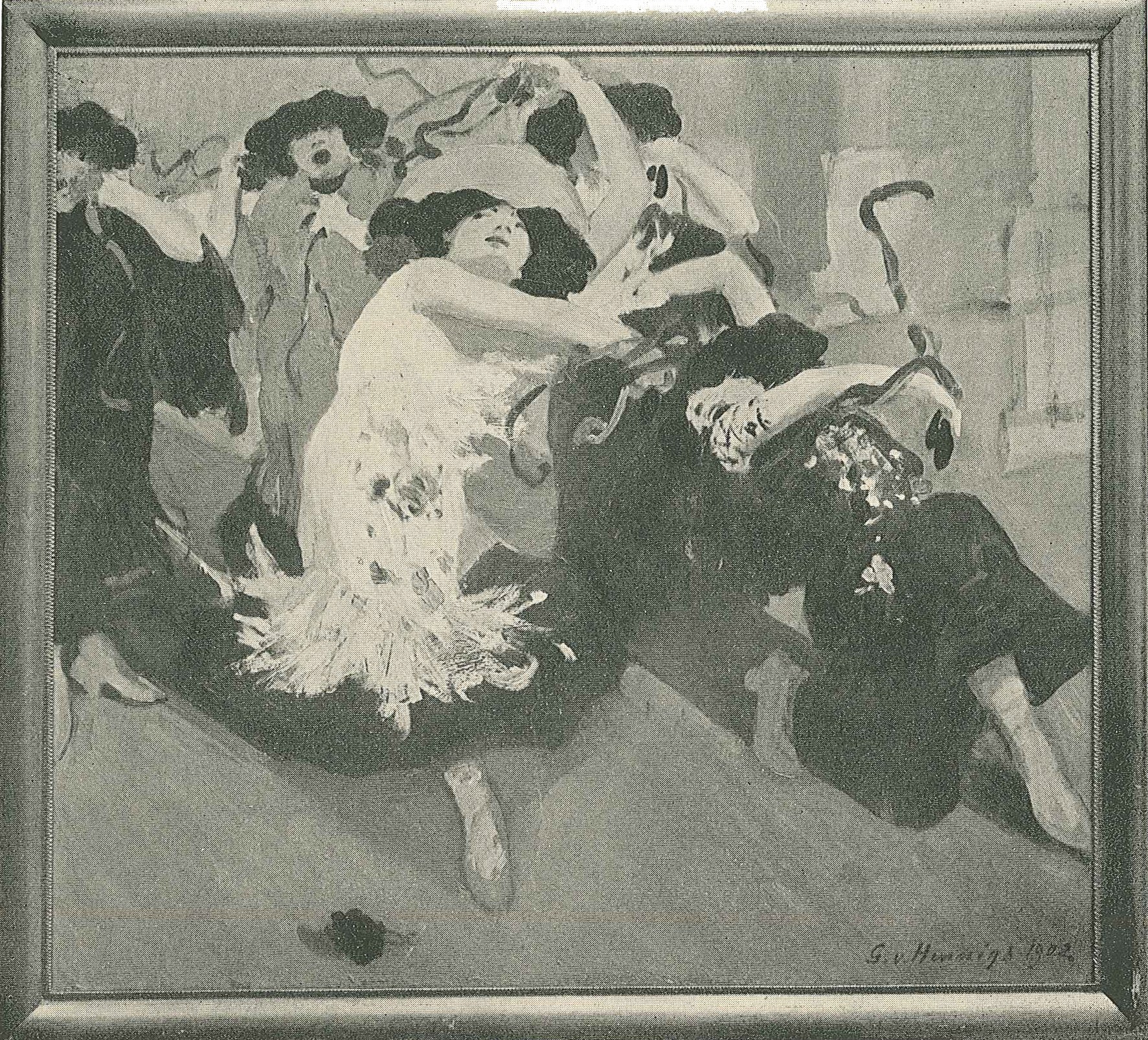
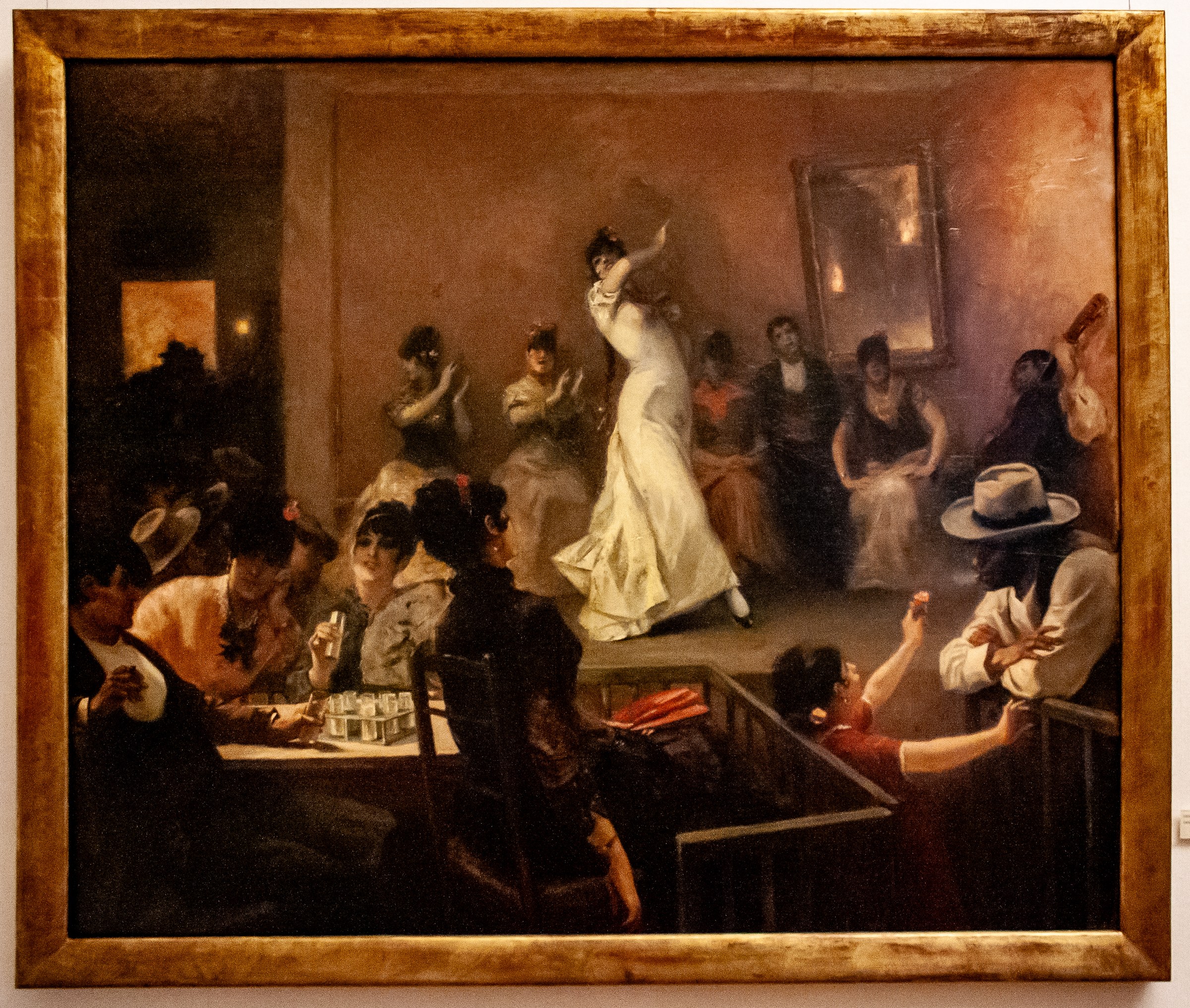
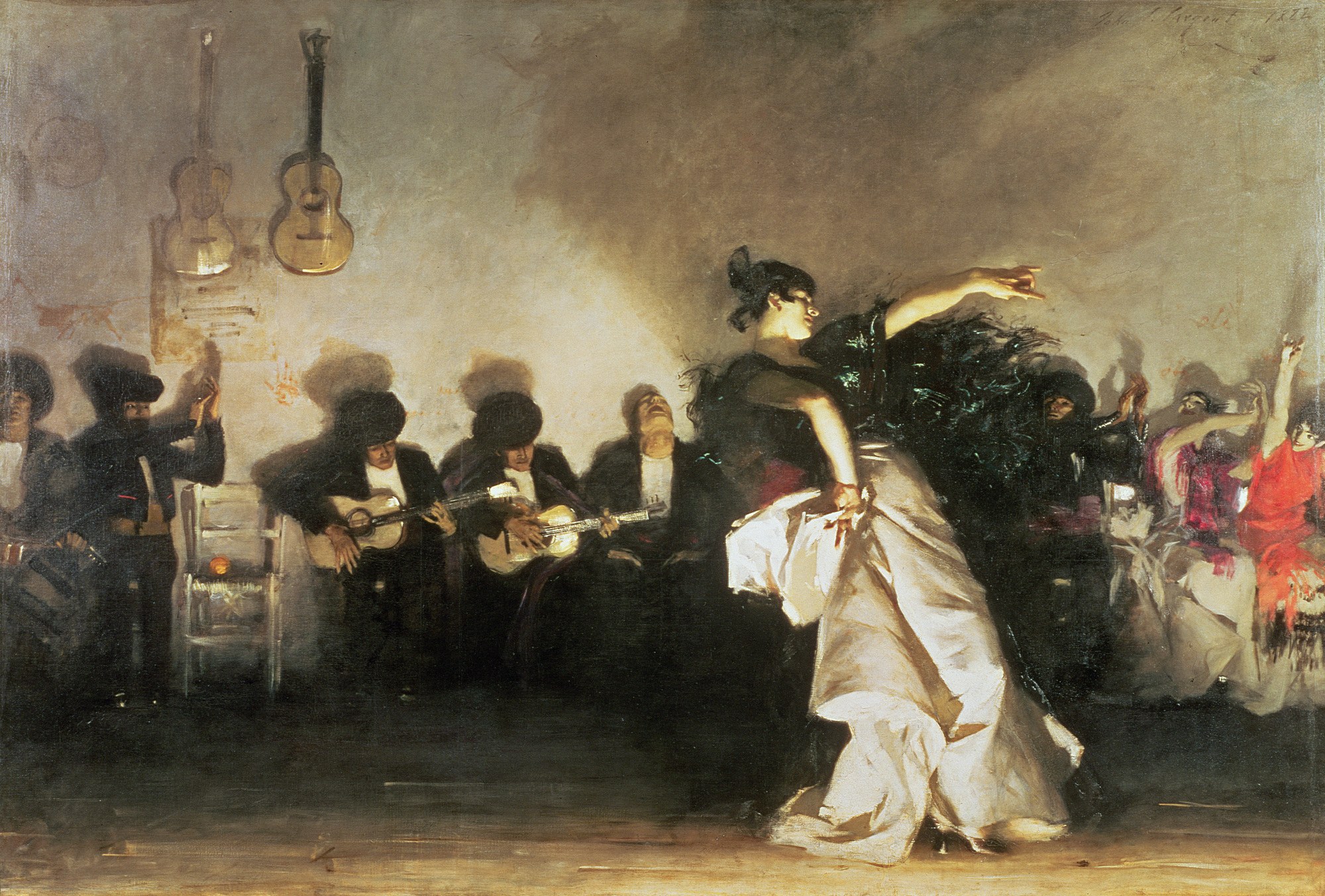
Flamenco in art
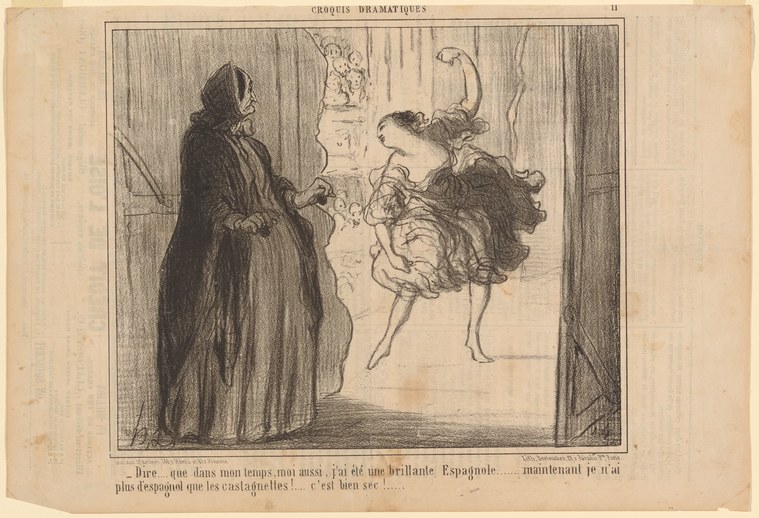
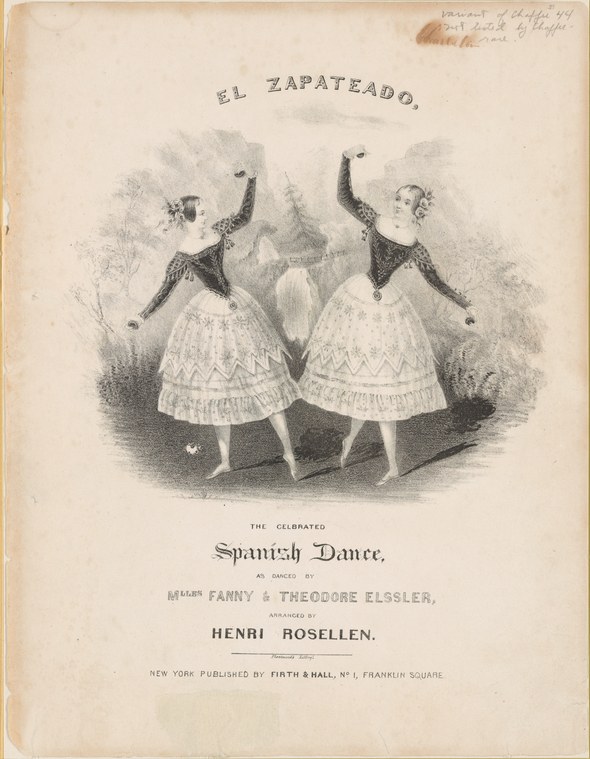
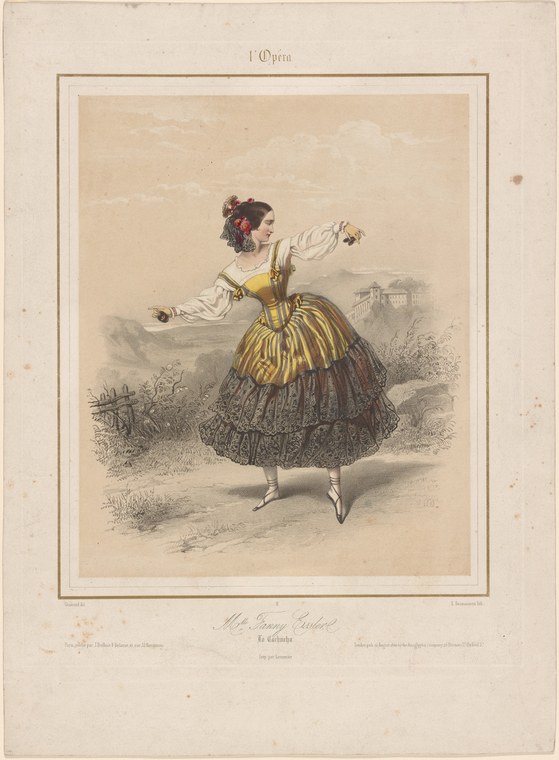
Browse the gallery →Works our catalogue identifies as depicting flamenco.
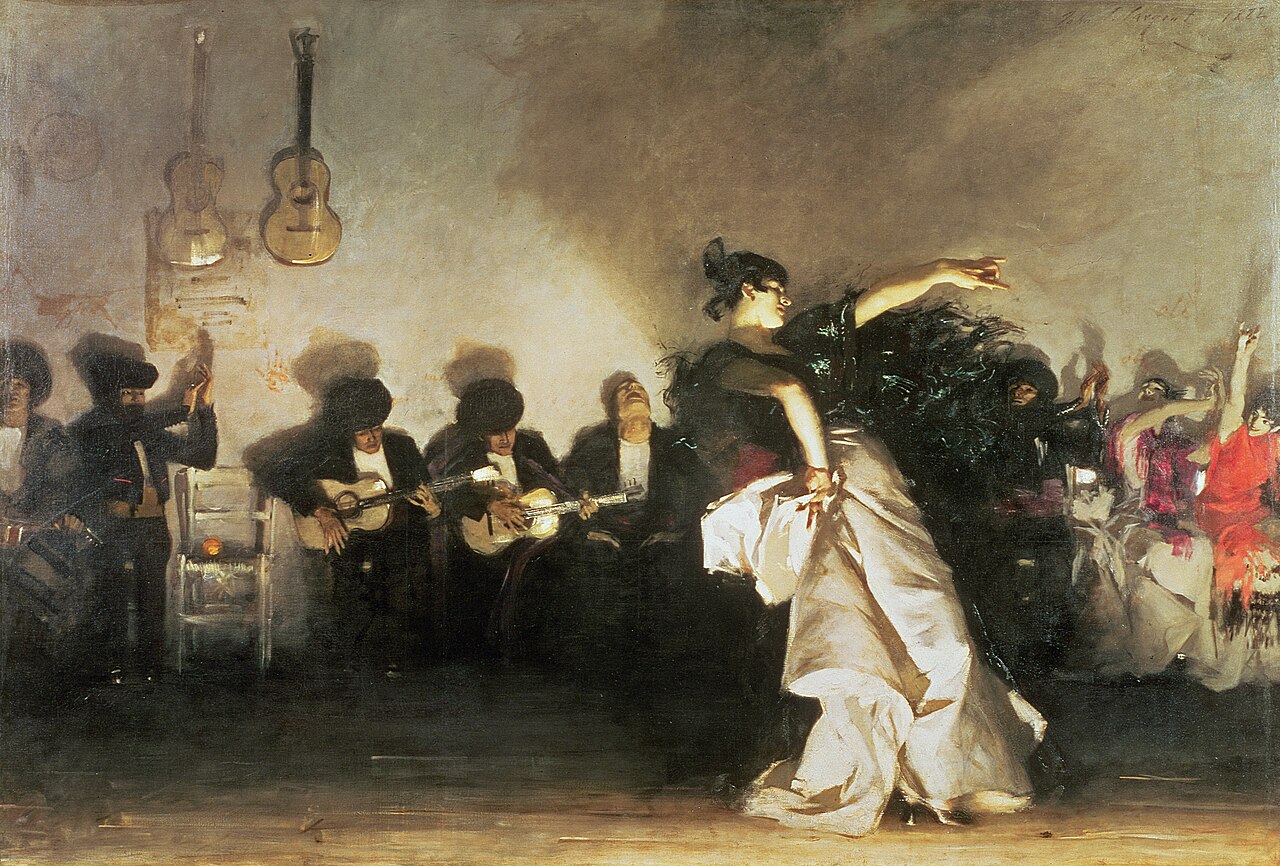
El Jaleo
John Singer Sargent
public_domain
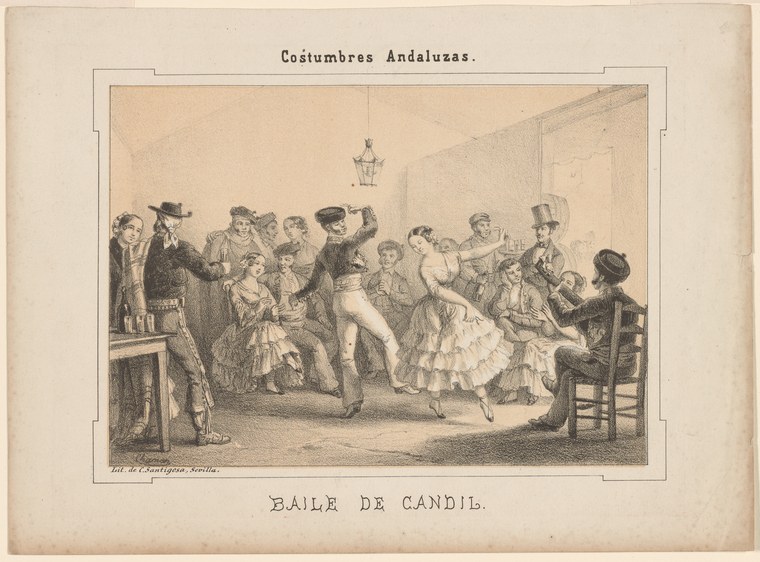
Spanish dancing
Unknown artist · 2019
public_domain
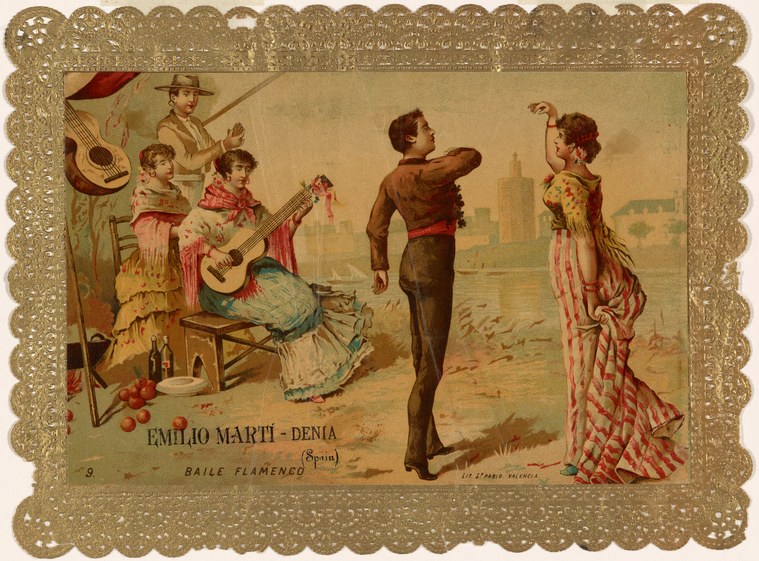
Spanish dancing
Unknown artist · 2019
public_domain
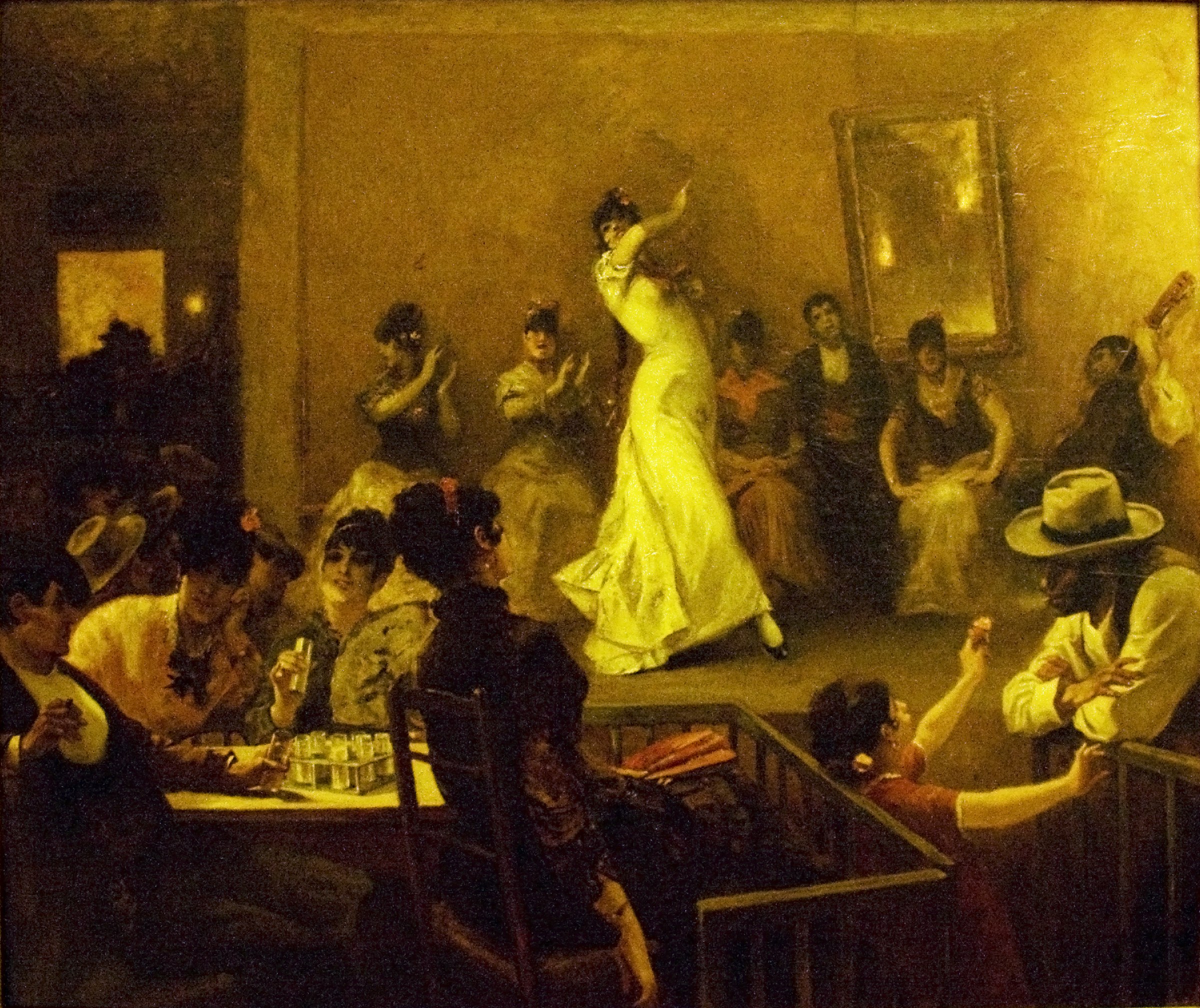
Café del Buzero, Sevilla
Constantin Meunier
Public Domain
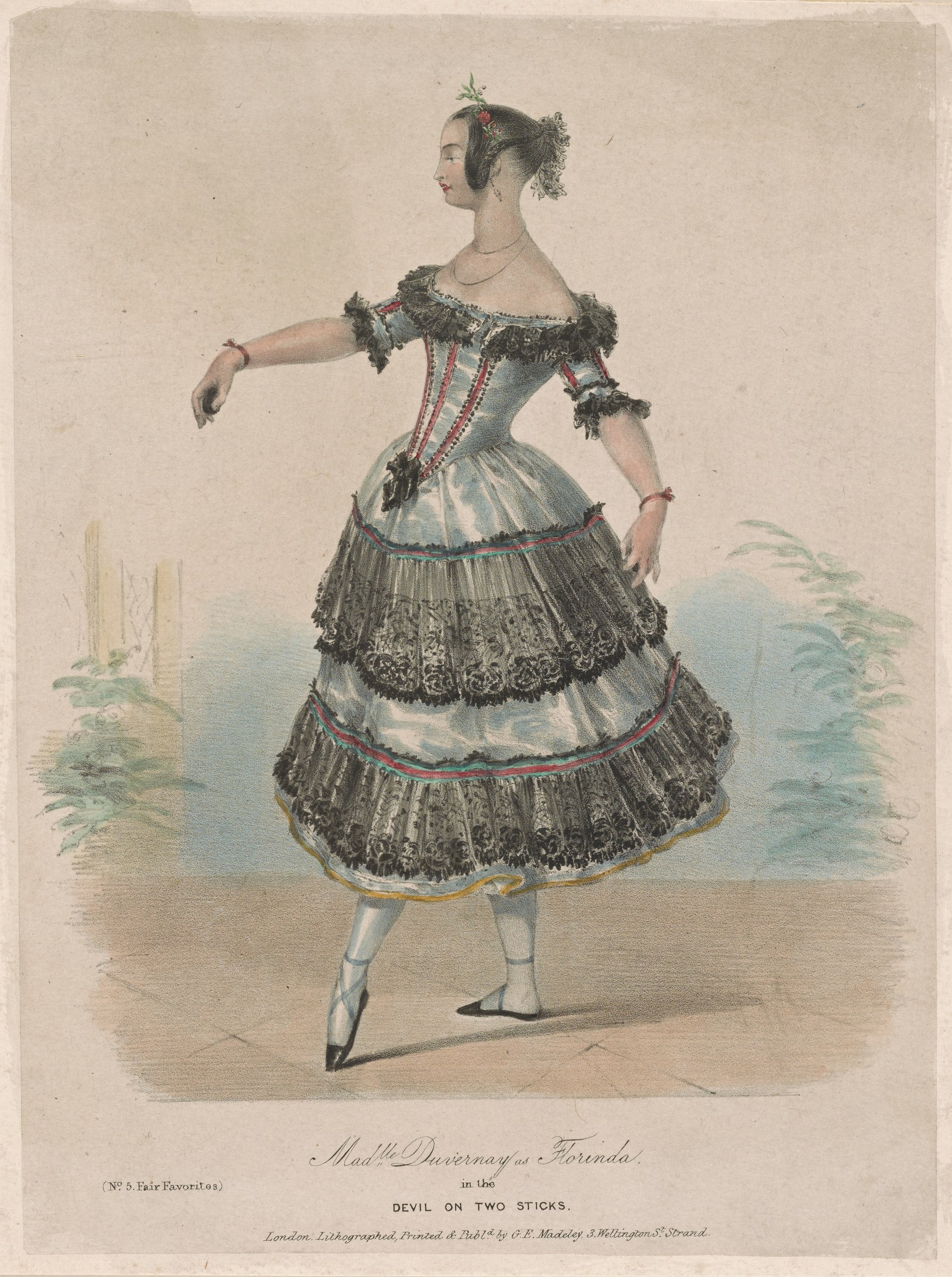
Madlle. Duvernay as Florinda in the Devil on two sticks (NYPL b12147668-5134505)
Unknown (NYPL collection) · 1837
Public Domain
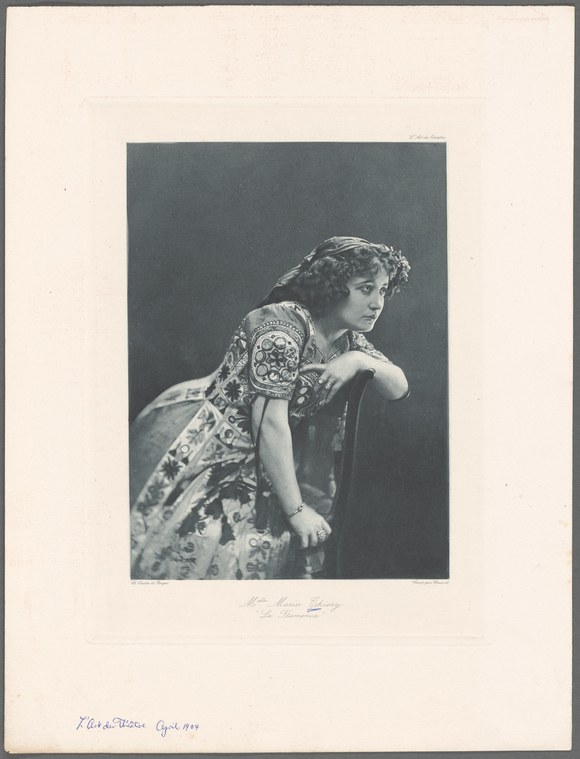
Melle. Marie Thiery, "La Flamenca"
Unknown artist
Public Domain