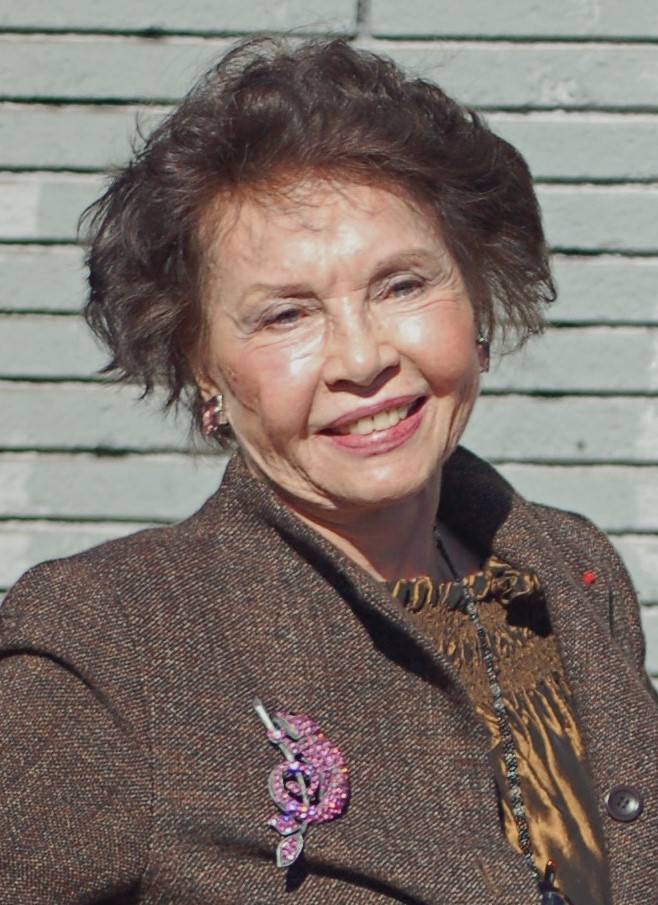
Performer
Leslie Claire Margaret Caron
Classically trained ballerina
Why They Matter
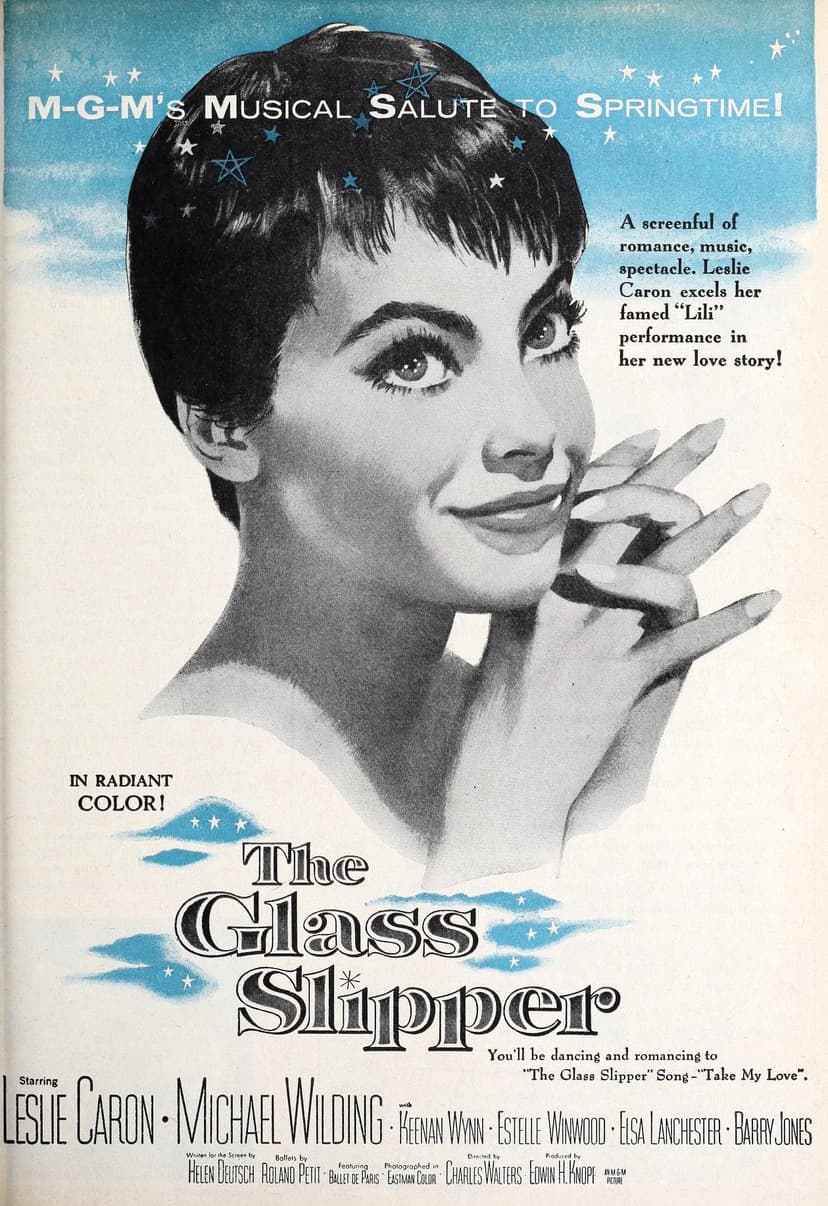
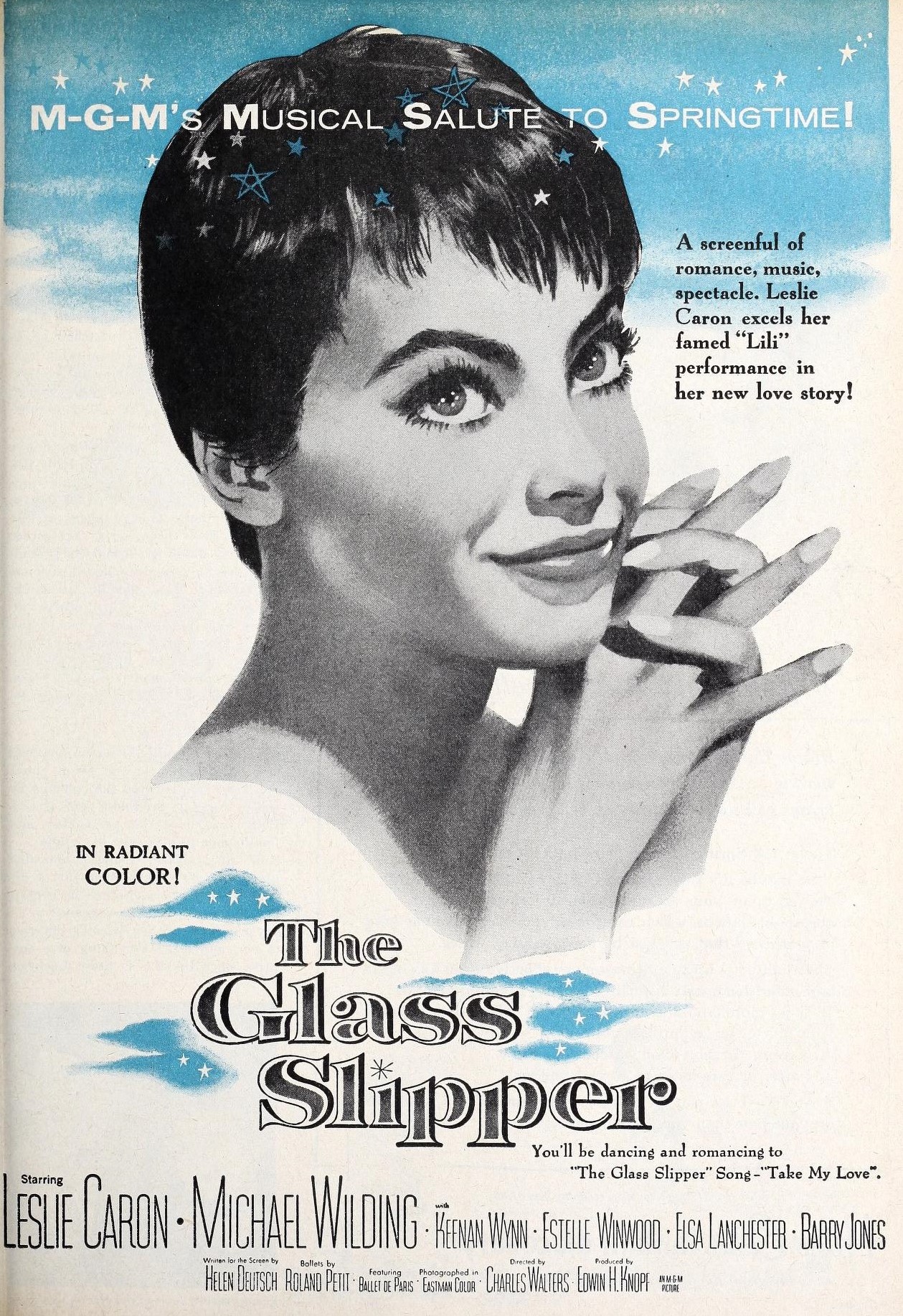
Caron's dance legacy lies in the productive tension between classical training and film acting. She arrived in Hollywood as a young company dancer rather than a studio-made tap or jazz specialist, and her difference became part of the dramatic grammar of An American in Paris, Lili, The Glass Slipper
Known For
Biography
Leslie Claire Margaret Caron was born in Boulogne-Billancourt in 1931 to a French father and an American mother who had danced professionally. She trained in ballet during and after the privations of wartime France, a background that shaped both her physical discipline and her later recollections of arriving in postwar Hollywood. By the late 1940s she was dancing with Roland Petit's Ballets des Champs-Élysées, a professional company where she developed the classical technique that would define her screen presence.
Gene Kelly saw Caron dance in Paris and cast her for MGM's *An American in Paris*. At eighteen she moved from a ballet company into a film production that asked her to learn acting for the camera while preserving the qualities Kelly valued in her dancing. Her first film, released in 1951, culminated in an extended ballet that made her a screen star and established a career-long association with the MGM musical.
MGM cast Caron in a succession of dance-centered roles, including *Lili* (1953), *The Glass Slipper* (1955), *Daddy Long Legs* (1955), and *Gigi* (1958). Her partners and collaborators included Mel Ferrer, Fred Astaire, Gene Kelly, director Vincente Minnelli, and designer Cecil Beaton. The films repeatedly used her ballet line, petite scale, quick responsiveness, and French identity, but her best work also complicates the passive ingénue narrative by giving the character an active rhythmic and dramatic intelligence.
Caron's performance in *Lili* brought her first Academy Award nomination for best actress. *Gigi* received a 1959 Golden Globe nomination for her in the musical-or-comedy acting category. These honors came from acting bodies rather than dance organizations, but both roles depend heavily on physical storytelling: gesture, posture, gaze, and rhythm carry narrative information before or beyond dialogue.
She deliberately moved toward dramatic work in Europe and Britain rather than remaining only a musical ingénue. Her performance in *The L-Shaped Room* (1962) won the 1964 Golden Globe for actress in a motion-picture drama and brought a second Academy Award nomination. Later credits ranged from *Father Goose* (1964) to *Valentino* (1977), *Damage* (1992), and *Chocolat* (2000), demonstrating that the film-musical dancer had become a durable dramatic actor.
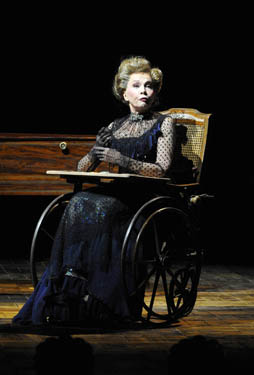
Caron continued to work in theater and television, and in 2007 won the Primetime Emmy for guest actress in a drama series for *Law & Order: Special Victims Unit*. She also returned to musical theater, including *A Little Night Music* at the Théâtre du Châtelet in 2010. Her 2021 Library of Congress interview offers an unusually valuable first-person account of the labor, collaboration, and pleasure behind *An American in Paris* and *Gigi*, two films admitted to the National Film Registry in 1993 and 1991 respectively.
Career Highlights
Danced with Roland Petit's Ballets des Champs-Élysées in Paris. Library of Congress
Made her film debut opposite Gene Kelly in An American in Paris. Library of Congress
Starred in Lili, earning her first Academy Award nomination for actress. Academy Awards Database
Appeared in the ballet-centered The Glass Slipper and partnered Fred Astaire in Daddy Long Legs. Golden Globes
Played the title role in Vincente Minnelli's Gigi. Library of Congress
Received a Golden Globe nomination for Gigi in the musical-or-comedy acting category. Golden Globes
Earned a second Academy Award nomination for The L-Shaped Room. Academy Awards Database
Won the Golden Globe for best actress in a motion-picture drama for The L-Shaped Room. Golden Globes
Gigi entered the Library of Congress National Film Registry. Library of Congress
An American in Paris entered the National Film Registry. Library of Congress
Won the Primetime Emmy for outstanding guest actress in a drama series for Law & Order: Special Victims Unit. Television Academy
Performed in A Little Night Music at the Théâtre du Châtelet in Paris. Wikimedia Commons production photograph
Gallery
Leslie Claire Margaret Caron on screen
Films and television featuring Leslie Claire Margaret Caron, with the sequences we have indexed.
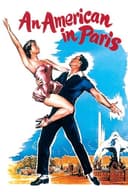
Poster artwork from TMDB.
 This site uses TMDB and the TMDB APIs but is not endorsed, certified, or otherwise approved by TMDB.
Legacy & Impact
Caron's dance legacy lies in the productive tension between classical training and film acting. She arrived in Hollywood as a young company dancer rather than a studio-made specialist, and her difference became part of the dramatic grammar of *An American in Paris*, *Lili*, *The Glass Slipper*, *Daddy Long Legs*, and *Gigi*. By moving into demanding dramatic roles and later returning to stage and television, she showed that the perceptual skills of dance—timing, stillness, weight, focus, and spatial relation—could sustain a broad acting career. Her importance is both repertorial and methodological: she is preserved in canonical dance films and exemplifies how ballet training can inform screen performance without defining its limits.


Explore More Legends
Discover the dancers, teachers, choreographers, and cultural icons who shaped how the world moves.
Keep the thread going
Dance history, technique, and the occasional rabbit hole — in your inbox. Thoughtful, infrequent, unsubscribe anytime.
Free. No spam. One click to leave.