Performer · Film / Screen Icon · Stage Icon · Community Builder
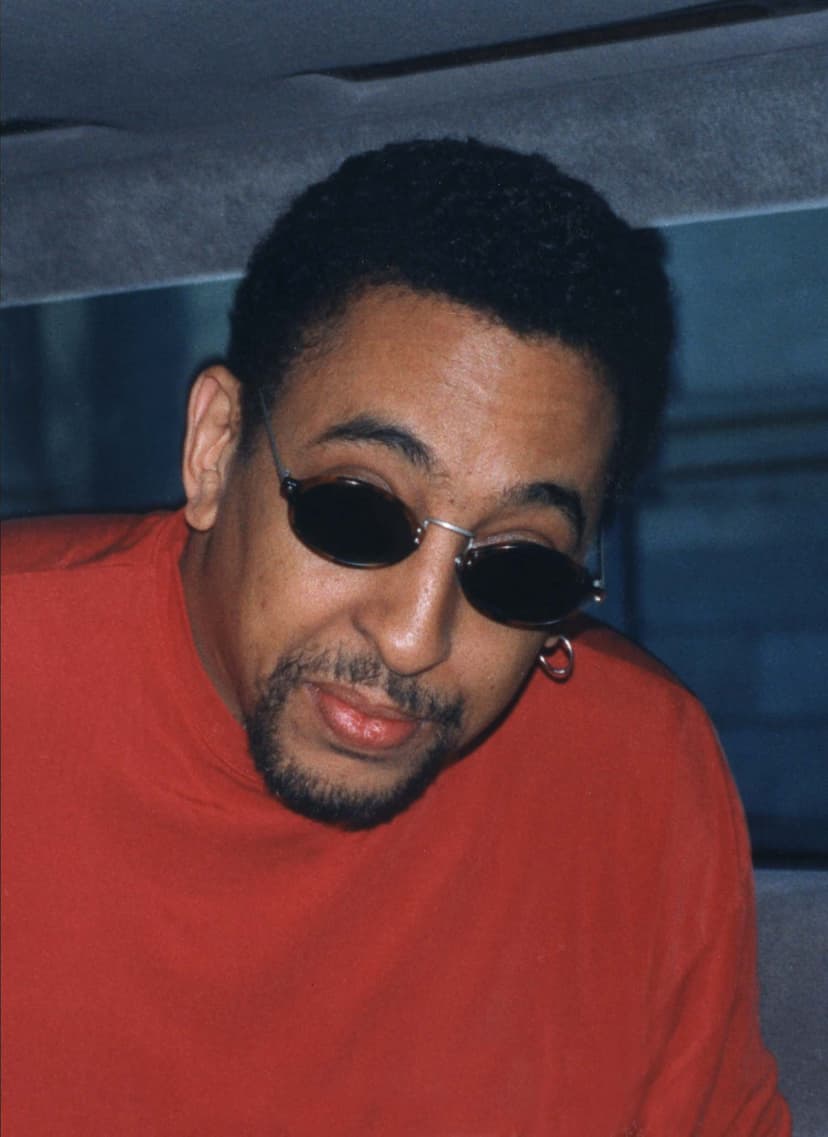
Gregory Hines
Tap's Modern Ambassador
Why They Matter
He kept tap dance visible in mainstream culture during decades when it might have faded, and mentored the next generation of hoofers.
Known For
Biography
Gregory Oliver Hines was born in New York City on February 14, 1946, into a performing family, and began dancing as a very young child — working professionally by about age five. With his older brother Maurice he spent roughly fifteen years as the Hines Kids, their early routines shaped by the choreographer and teacher Henry LeTang. Just as formative was the brothers' closeness to the Apollo Theater's tap community, where Gregory learned by watching and working around masters such as Charles 'Honi' Coles, Howard 'Sandman' Sims, the Nicholas Brothers and Teddy Hale — an education rooted in observation, exchange and the living lineage of Black jazz tap.
The act grew into Hines, Hines and Dad when the brothers' father joined them on drums, and the nightclub and variety circuit gave Gregory an unusually broad command of timing, comedy, singing and audience rapport. After a period away from the family act he returned to New York and made his mature Broadway breakthrough in Eubie! (1978), the revue built on Eubie Blake's music, winning a Theatre World Award and his first Tony nomination. Tony-nominated leading roles in Comin' Uptown and Sophisticated Ladies soon followed, placing a tap artist at the center of major Broadway productions rather than treating tap as a nostalgic specialty turn.
Film widened his reach. He danced with Maurice in Francis Ford Coppola's The Cotton Club (1984), met Mikhail Baryshnikov in a celebrated tap-and-ballet dialogue in White Nights (1985), and starred in Tap (1989). Tap matters to dance history because its 'challenge' sequences gathered Hines with Sammy Davis Jr. and a cohort of veteran hoofers — Arthur Duncan, Bunny Briggs, Howard Sims, Steve Condos, Harold Nicholas and Jimmy Slyde among them — with dance material created alongside Henry LeTang, putting intergenerational transmission rather than solo display at the center of a commercial movie.
Hines also used television to present tap as a living American art. The 1989 PBS special Gregory Hines' Tap Dance in America placed established masters beside younger artists, including the teenage Savion Glover; the Library of Congress has described the program as a bridge between tap and mainstream entertainment. His mentorship of Glover became emblematic of a larger pattern — a celebrated star using his visibility to honor elders and introduce emerging dancers.
On Broadway he reached a summit as Jelly Roll Morton in Jelly's Last Jam, winning the 1992 Tony Award for Best Actor in a Musical and the Drama Desk Award for Outstanding Actor in a Musical. He was also one of the show's tap choreographers, sharing that Tony nomination with Hope Clarke and Ted L. Levy — a collaborative credit that belongs with any account of the production's dancing. Across screen and stage he showed that a Black male dancer could sustain a wide-ranging identity as dramatic actor, comic performer, singer, host and choreographer.
Hines died in Los Angeles on August 9, 2003, at the age of 57. His influence outlasted his performances: institutions preserve collections tied to his career and tap advocacy, and in 2019 the United States Postal Service honored him with the 42nd stamp in its Black Heritage series. The recognition captured what dancers had long known — that he was not only a crossover celebrity but a steward of tap's history and a persuasive advocate for its future.
Career Highlights
Born in New York City on February 14 into a performing family.
Working professionally by about age five with his brother Maurice as the Hines Kids.
Broadway breakthrough in the revue Eubie!, earning a Theatre World Award and his first Tony nomination.
Tony-nominated for his leading performance in Comin' Uptown.
Tony-nominated for Sophisticated Ladies.
Danced with Maurice Hines in Francis Ford Coppola's The Cotton Club.
Co-starred with Mikhail Baryshnikov in White Nights, setting tap and ballet in dramatic and artistic exchange.
Starred in the film Tap alongside Sammy Davis Jr. and a cohort of veteran hoofers.
Hosted the PBS special Gregory Hines' Tap Dance in America, featuring masters and the teenage Savion Glover. Library of Congress
Won the Tony and Drama Desk Awards as Jelly Roll Morton in Jelly's Last Jam, and shared a Tony choreography nomination with Hope Clarke and Ted L. Levy. Tony Awards
Received the American Tap Dance Foundation's Hoofer Award.
Honored posthumously on a U.S. Postal Service Black Heritage Forever stamp. USPS
Gallery
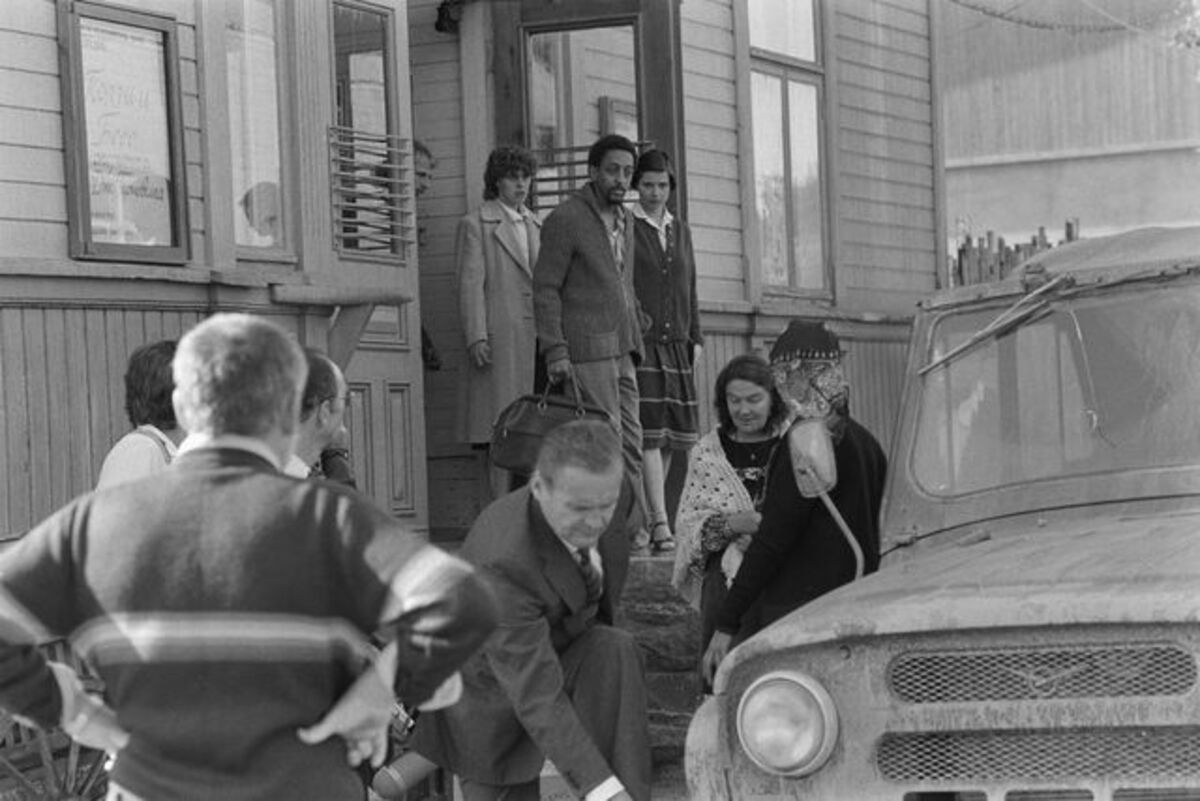
Gregory Hines on screen
Films and television featuring Gregory Hines, with the sequences we have indexed.
 Tap (1989)4 sequences indexedBob Wythe’s Broadway solo audition · chor. Henry LeTang; Gregory Hines (improvography)Max’s prison-cell tap solo · chor. Henry LeTang; Gregory Hines (improvography)The veteran “Challenge” · chor. Henry LeTang
 White Nights (1985)1 sequence indexed“There’s a Boat Dat’s Leavin’ Soon for New York” · chor. Gregory Hines
Poster artwork from TMDB.
 This site uses TMDB and the TMDB APIs but is not endorsed, certified, or otherwise approved by TMDB.
Legacy & Impact
Gregory Hines matters because he made continuity visible. His dancing carried lessons absorbed from Apollo-era masters into a modern improvisational voice, while his Broadway, film and television work gave tap a prominent place in late-20th-century popular culture. He repeatedly shared the frame with other dancers — his brother Maurice, the veteran hoofers of Tap, Baryshnikov in White Nights, and the young Savion Glover on PBS. That generosity of context is central to his stature: Hines could be the star without casting himself as tap's sole author, using his fame to show audiences that tap is a community of musical thinkers whose knowledge passes from body to body and generation to generation.


Explore More Legends
Discover the dancers, teachers, choreographers, and cultural icons who shaped how the world moves.
Keep the thread going
Dance history, technique, and the occasional rabbit hole — in your inbox. Thoughtful, infrequent, unsubscribe anytime.
Free. No spam. One click to leave.