Mable Lee
Legend of Dance
Why They Matter
Mable Lee matters because the Soundies preserve a Black female tap star as the center of musical action at a moment when many stage careers went poorly documented. Yet her legacy is larger than the shorts: Apollo chorus work, USO touring, London engagements, Broadway, choreography, teaching, and a f
Biography
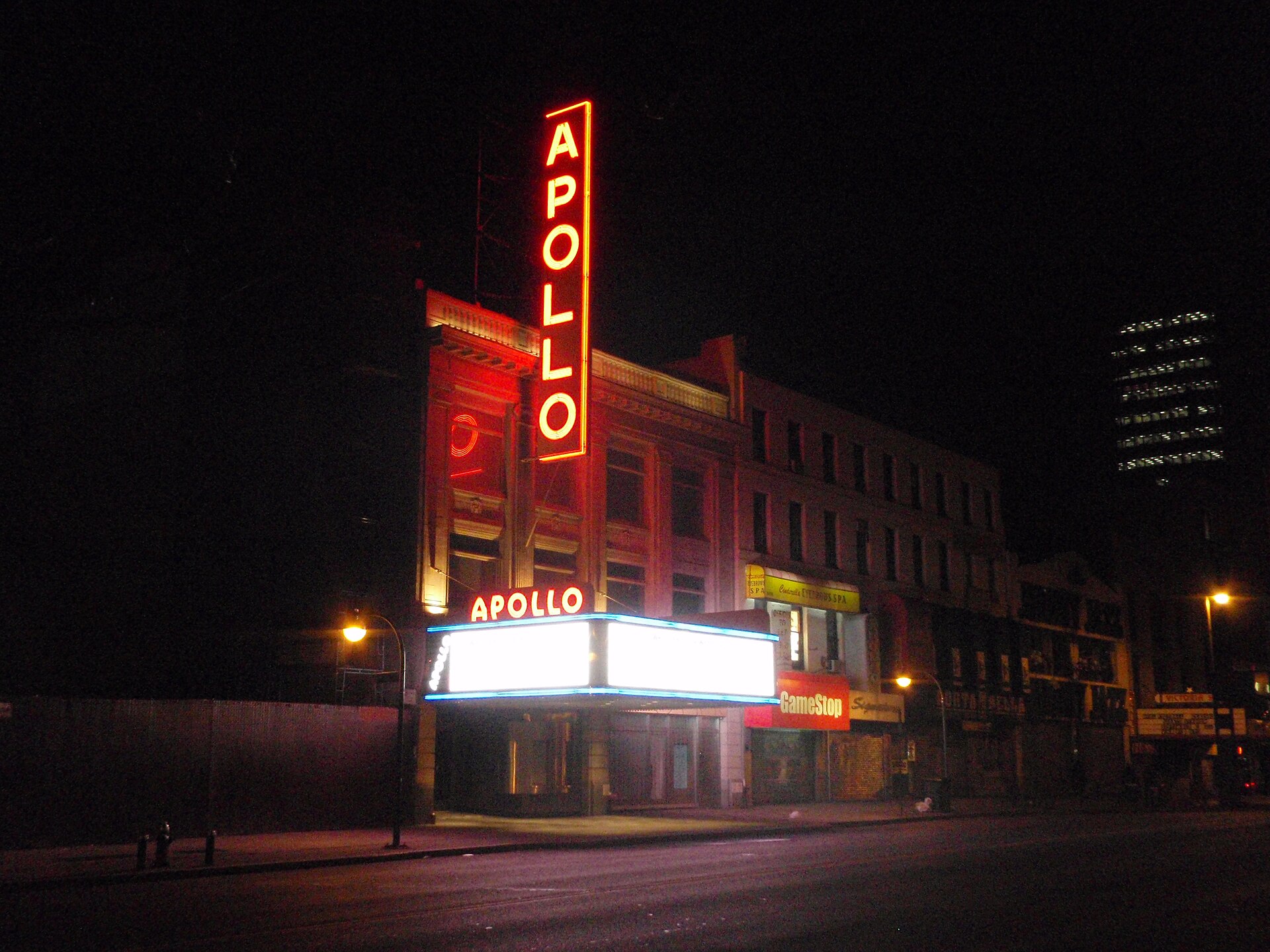
Mable Lee was born in Atlanta, Georgia, on August 2, 1921, and began her professional performing career at around age four. By her childhood and adolescence she was working in Atlanta clubs, building a versatile act that combined tap, jazz dancing, singing, and acrobatic novelty material. In 1940, Lee traveled with her mother to New York and entered Harlem's professional entertainment world. She worked in the Apollo Theater chorus line while also developing solo nightclub appearances.
During the Second World War, Lee toured with an all-Black USO unit, performing for service personnel and later for wounded veterans. These years made adaptability essential: chorus precision, comedy, vocals, acrobatics, and solo tap all belonged to the same working repertoire. Her versatility became the foundation of a career that spanned multiple performance contexts and media.
Lee's greatest filmed visibility came through Soundies, three-minute musical films viewed in Panoram film jukeboxes during the 1940s. The Library of Congress catalog documents her appearance in "Chicken Shack Shuffle" from 1943 and identifies other performances with Noble Sissle's orchestra. These films preserve a Black woman's musical and dancing agency in a screen format that often left choreographic labor uncredited. Contemporary accounts credit her with appearances in scores of shorts, earning her the title "Queen of the Soundies."
Her career extended internationally and across theatrical media. Lee worked in London and performed at the London Palladium, while teaching alongside choreographer Buddy Bradley. After returning to the United States she continued in nightclubs and theater. Broadway credits included the 1952 revival of Shuffle Along, The Hoofers, and Bubbling Brown Sugar. Lee also preserved and transmitted repertory through direct mentorship of younger tap artists.
The American Tap Dance Foundation inducted her into its International Tap Dance Hall of Fame in 2008. At ninety-six years old, she performed at Symphony Space during Tap City in July 2018—an extraordinary final public chapter for an artist whose career had spanned nearly a century. Lee died in Manhattan in February 2019 at ninety-seven. Her legacy is unusually legible across media: first-person oral history, film catalog entries, Soundies footage, Broadway records, and the tap community's Hall of Fame. Together they document not a nostalgic novelty act but a durable professional practice shaped by musical timing, theatrical command, and constant reinvention.
Career Highlights
At about age four, Lee began professional performing in Atlanta. New York Public Library New York Public Library
Lee arrived in New York and joined the Apollo Theater’s professional entertainment world. Chicago Crusader Chicago Crusader
Lee appeared in the Soundie “Chicken Shack Shuffle,” cataloged by the Library of Congress as a swing number. Library of Congress Library of Congress
Her many musical shorts earned her the title “Queen of the Soundies.” Chicago Crusader Chicago Crusader
Lee appeared on the March cover of Ebony. Chicago Crusader Chicago Crusader
She performed in the Broadway revival of Shuffle Along. American Tap Dance Foundation American Tap Dance Foundation
Lee appeared in the Broadway musical Bubbling Brown Sugar. American Tap Dance Foundation American Tap Dance Foundation
She received the Flo-Bert Award honoring achievement in tap dance. American Tap Dance Foundation American Tap Dance Foundation
The American Tap Dance Foundation inducted Lee into the International Tap Dance Hall of Fame. American Tap Dance Foundation American Tap Dance Foundation
Brenda Bufalino recorded a substantial oral-history interview with Lee for the New York Public Library. New York Public Library New York Public Library
Lee gave her final documented performance during Tap City at Symphony Space. American Tap Dance Foundation American Tap Dance Foundation
Gallery
Legacy & Impact
Mable Lee matters because the Soundies preserve a Black female tap star as the center of musical action at a moment when many stage careers went poorly documented. Yet her legacy is larger than the shorts: Apollo chorus work, USO touring, London engagements, Broadway, choreography, teaching, and a final performance in her nineties reveal a complete theater artist. Her longevity created a direct line of transmission from prewar chorus-line practice to contemporary tap communities.


Explore More Legends
Discover the dancers, teachers, choreographers, and cultural icons who shaped how the world moves.
Keep the thread going
Dance history, technique, and the occasional rabbit hole — in your inbox. Thoughtful, infrequent, unsubscribe anytime.
Free. No spam. One click to leave.